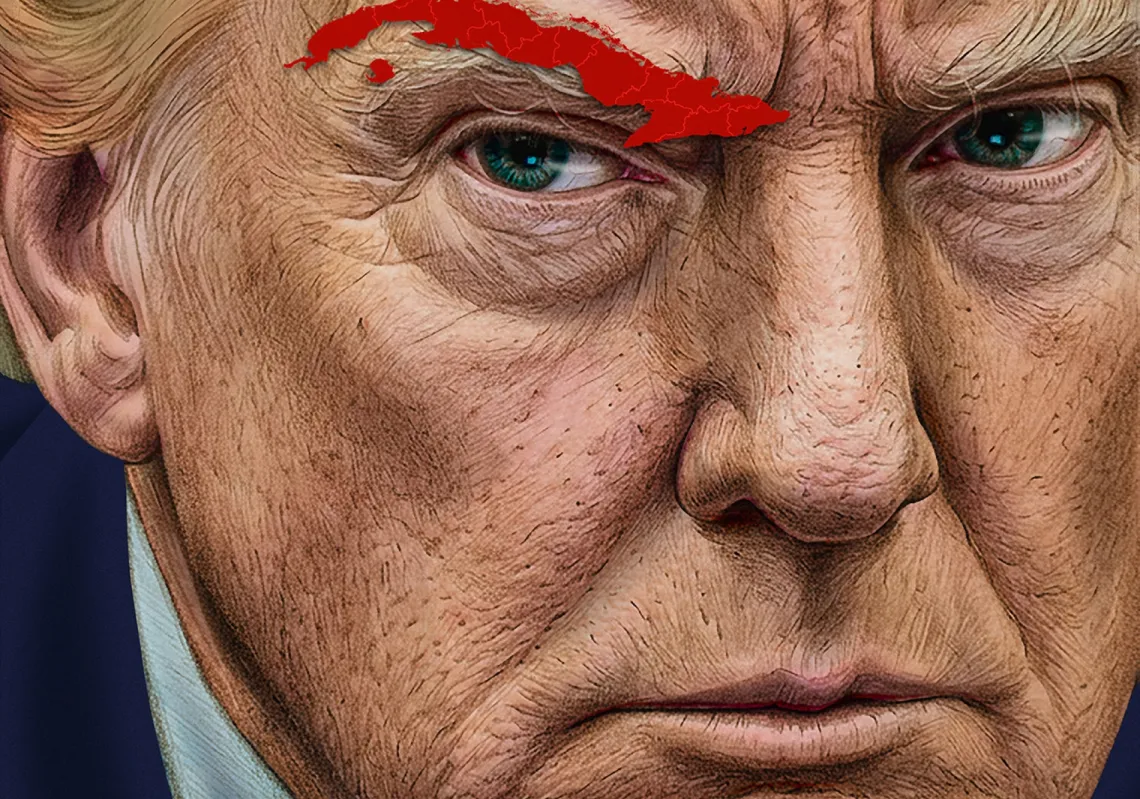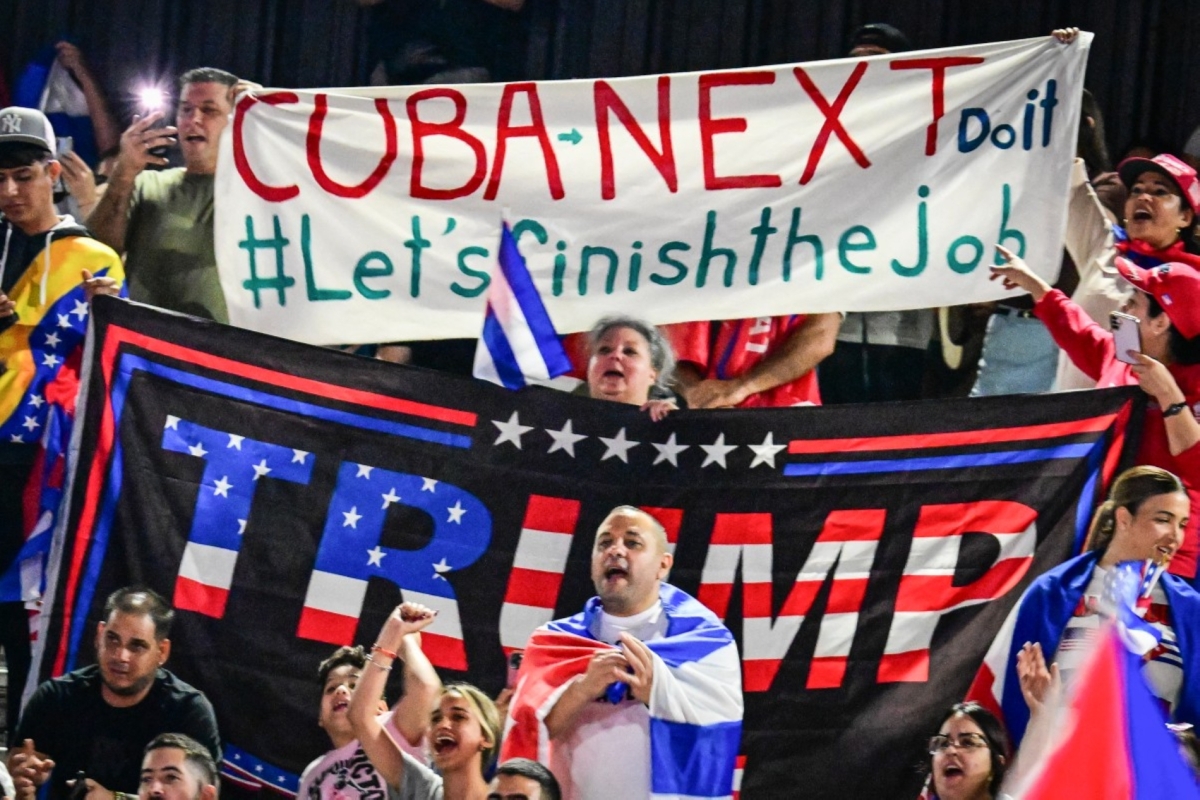

The indictment against former Cuban President Raúl Castro for ordering the shootdown of two Brothers to the Rescue planes in 1996 is a long-awaited gift from US Secretary of State Marco Rubio and President Donald Trump to Cuban American hard-liners in South Florida.
The stage-managed release of the indictment at Miami’s Freedom Tower, which once served as the Cuban Refugee Centre, processing thousands of immigrants, leaves no doubt about its domestic political purpose. But it is also an ominous warning to Cuba’s leaders that the Trump administration is ready and willing to abandon diplomacy in favour of military operations in its quest for regime change.
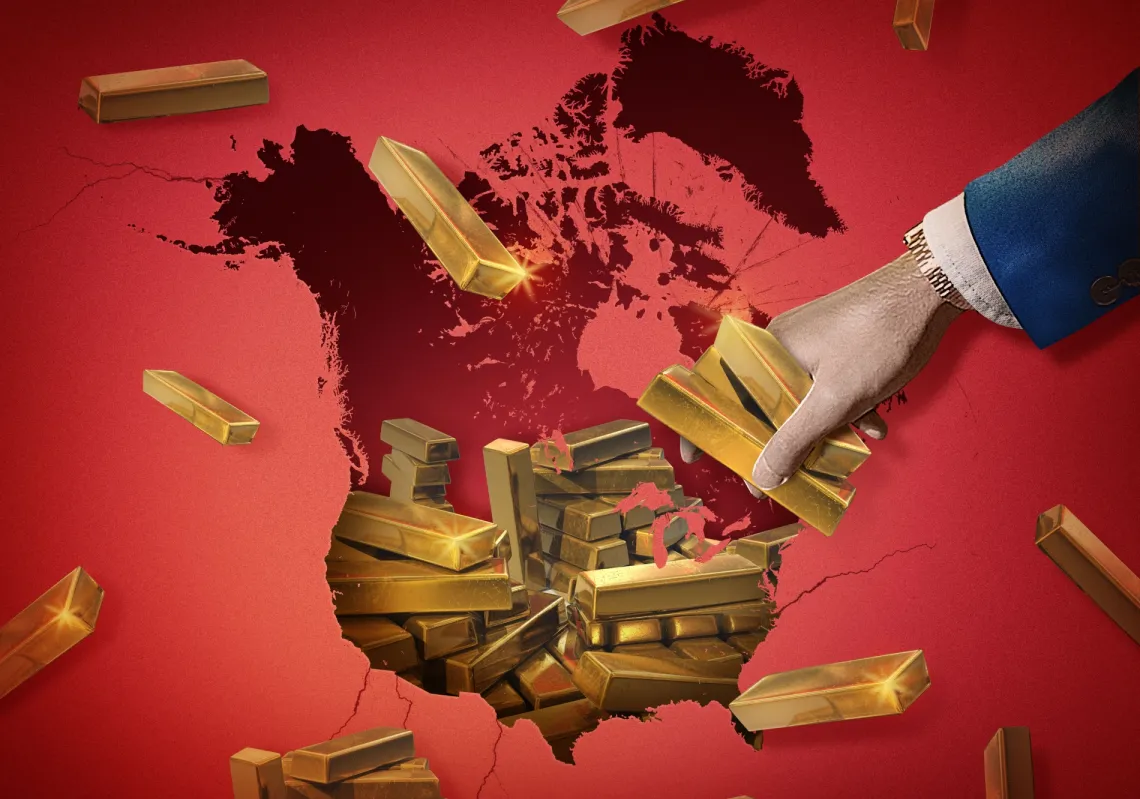
The indictment is one more step up the escalatory ladder in Trump’s pressure campaign against Havana, a campaign that began with the Delta Force abduction of Venezuelan President Nicolás Maduro and his wife on 3 January. In quick succession, Trump ordered a cutoff of Venezuelan oil shipments to Cuba, issued an executive order threatening other countries with tariffs if they shipped oil to the country, and imposed secondary sanctions threatening sanctions against foreign enterprises doing in business with Cuba. The unambiguous aim is to strangle the life out of the Cuban economy and force the country’s leadership to submit to Washington’s demands.
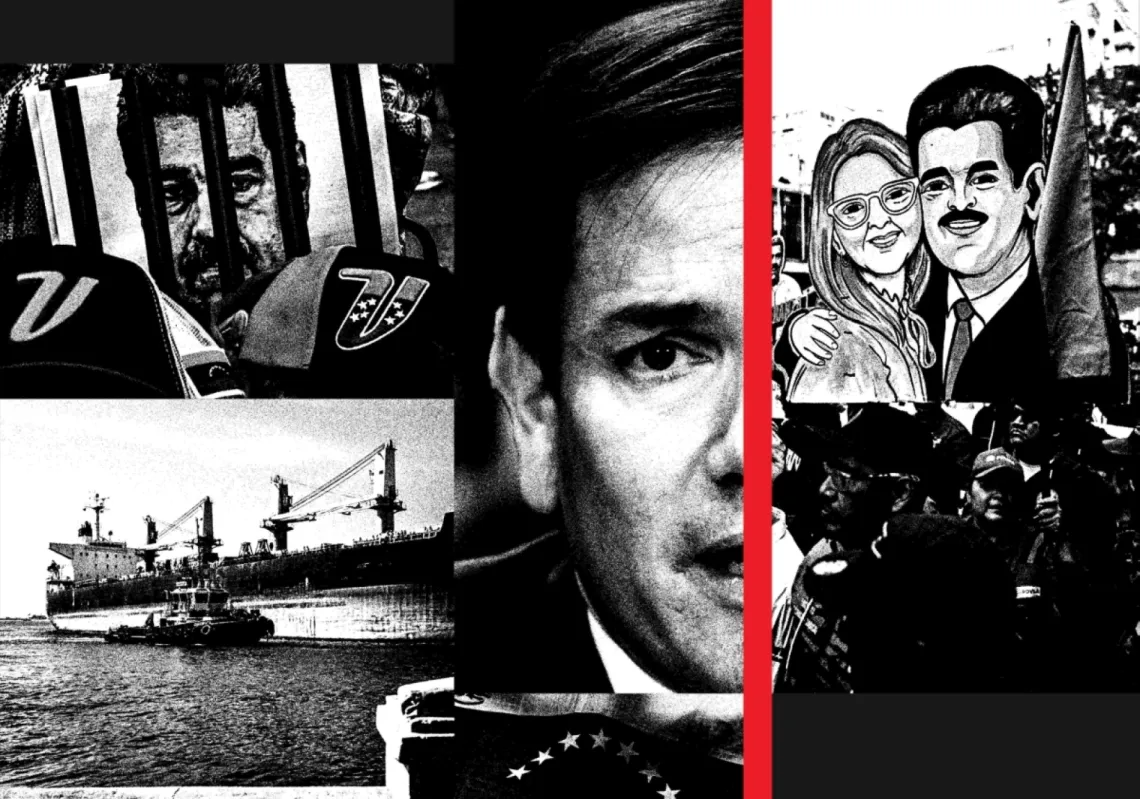
The parallel between Maduro—indicted in New York for conspiracy to traffic narcotics—and Castro, who was indicted for conspiracy and murder, is obvious, as is the implicit threat of a similar US special forces action to seize Castro.
The indictment casts a pall over the already gloomy negotiations between the two governments. Despite three face-to-face meetings, diplomatic talks have made “no progress” according to Lianys Torres Rivera, Cuba’s ambassador to the United States. Rubio is demanding that the Cubans change their form of government and leadership, which they refuse to do as a matter of national sovereignty. “Those are the red lines,” Torres told the Hill. During a dramatic visit to Havana on 14 May, CIA Director John Ratcliffe issued an ultimatum to Cuban intelligence officials: Time is running out for Cuba to accede to Washington’s demands or suffer the consequences.
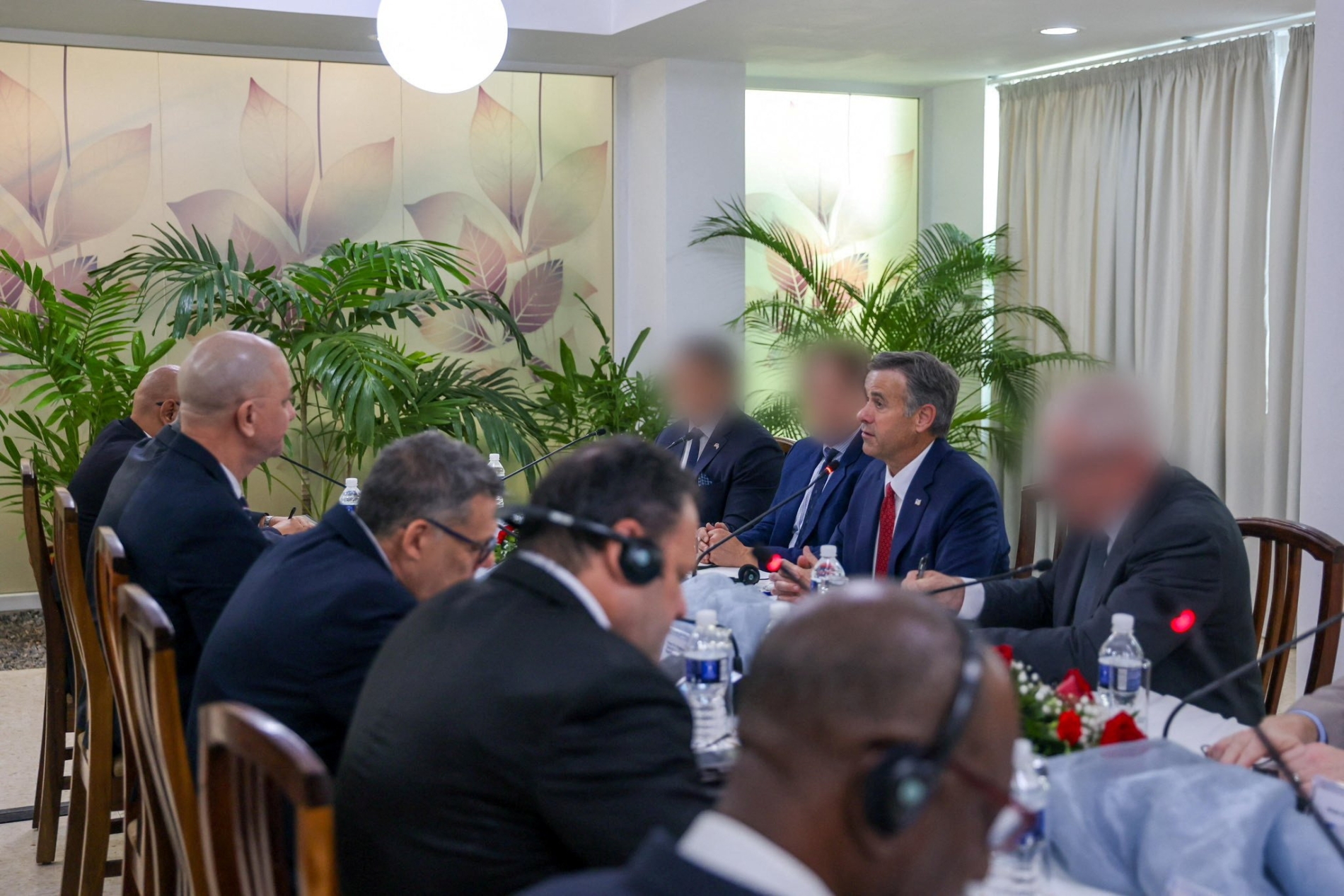
In the meantime, US officials have stepped up public justifications for military action. Since January, the administration has been claiming that Cuba represents an “unusual and extraordinary threat” to the United States because the regime aligns itself with and hosts US adversaries and collects signal intelligence (SIGINT) against the United States on behalf of Russia and China. During his meetings in Havana in mid-May, Ratcliffe demanded that Cuba shut down those intelligence-gathering operations.
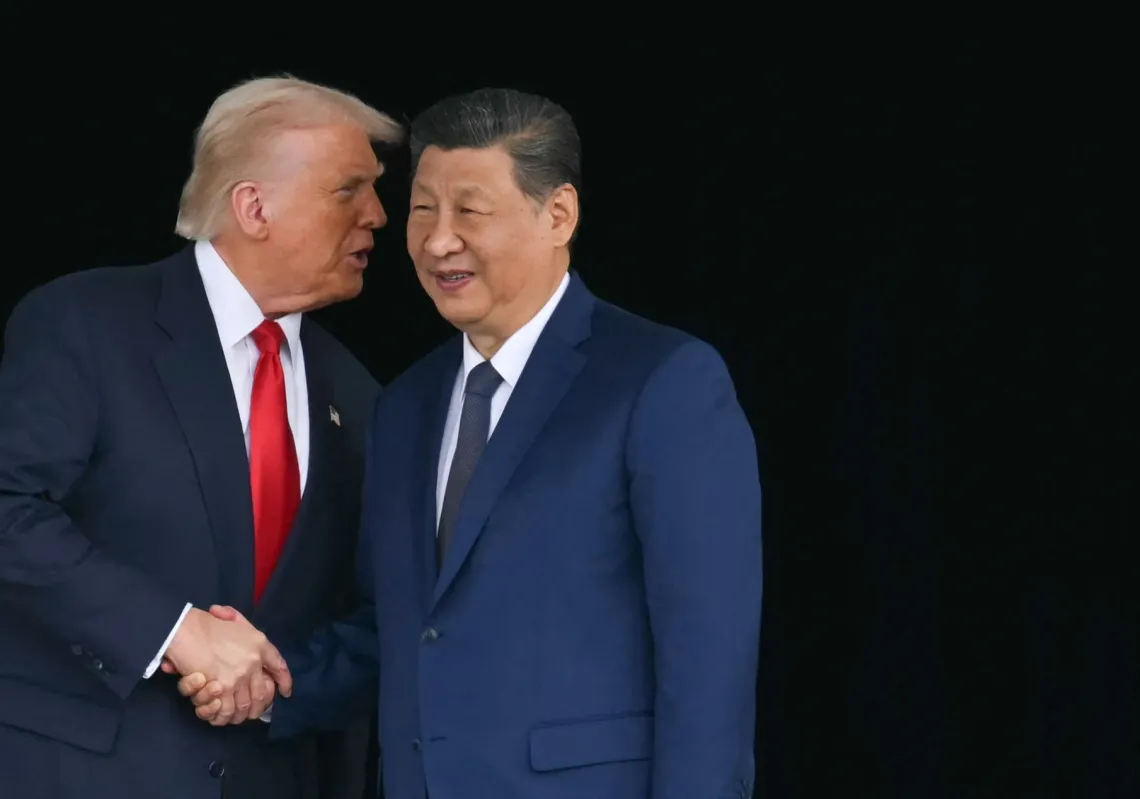
But if spying were a casus belli, the international system would be condemned to a Hobbesian “war of all against all,” because everyone spies on everyone, friend and foe alike. Just last week, as Trump returned from his summit in China, he acknowledged this reality to reporters. “The question was asked of me yesterday ... ‘What about the fact that China is spying?’ I said, ‘Well, it’s one of those things, because we spy like hell on them, too.’”
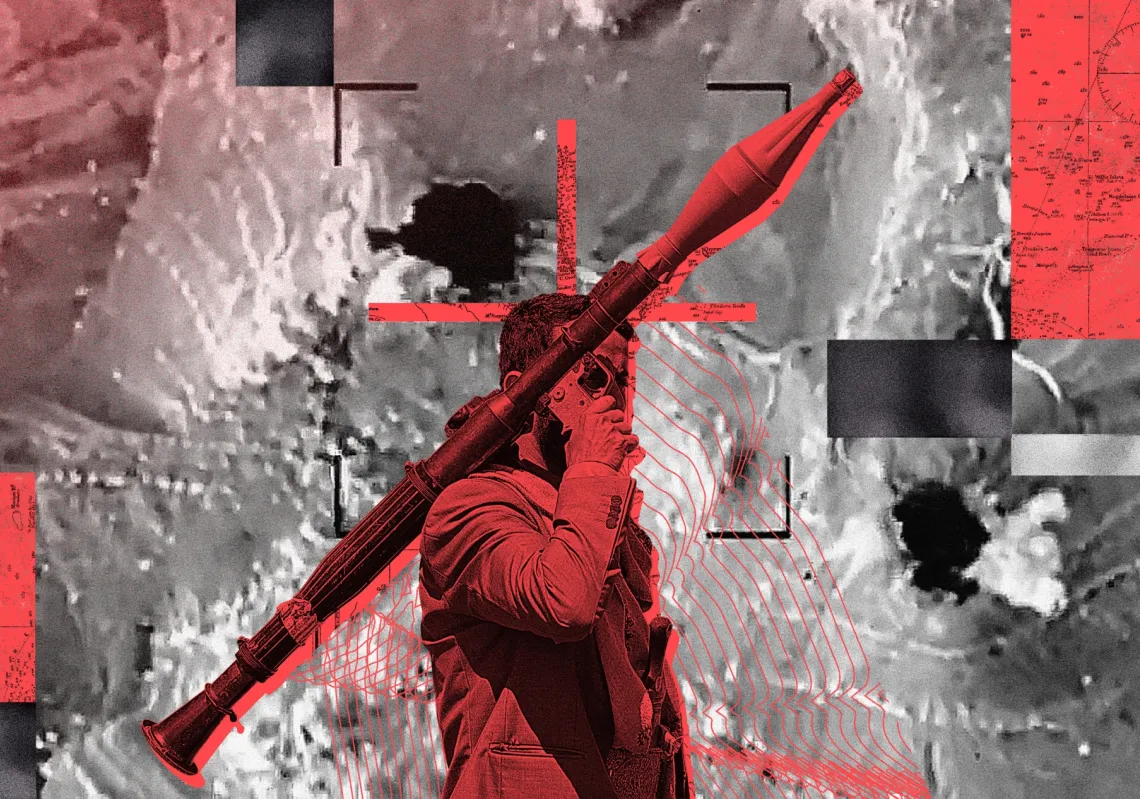
If SIGINT is not a sufficient pretext, unnamed officials also leaked a story to Axios that Cuba has acquired 300 military drones that pose a “growing threat” to the United States, alleging plans to attack Guantánamo Naval Station, US naval vessels, and Key West, Florida. Cuba may or may not have acquired drones to defend itself against a US attack, but the idea that Cuba would start a suicidal war with the United States is, as journalist Megyn Kelly put it, “a bunch of bullshit.” Cuba is “not in a position to threaten anybody,” she pointed out. “Don’t insult our intelligence.”
Cuban officials have gone out of their way to deny that they have any intention of attacking the United States while also asserting their right to defensive arms. “Like any country, Cuba has the right to defend itself against external aggression," wrote Deputy Foreign Minister Carlos Fernández de Cossío in response to the Axios story. “It is called self-defence, and it is protected by International Law and the UN Charter.”
The United States has no legitimate national security justification to launch a war against Cuba. But the overwhelming military power of the United States, as demonstrated in Venezuela, may lead the White House to believe that, as Trump himself put it, “I can do anything I want” with Cuba.
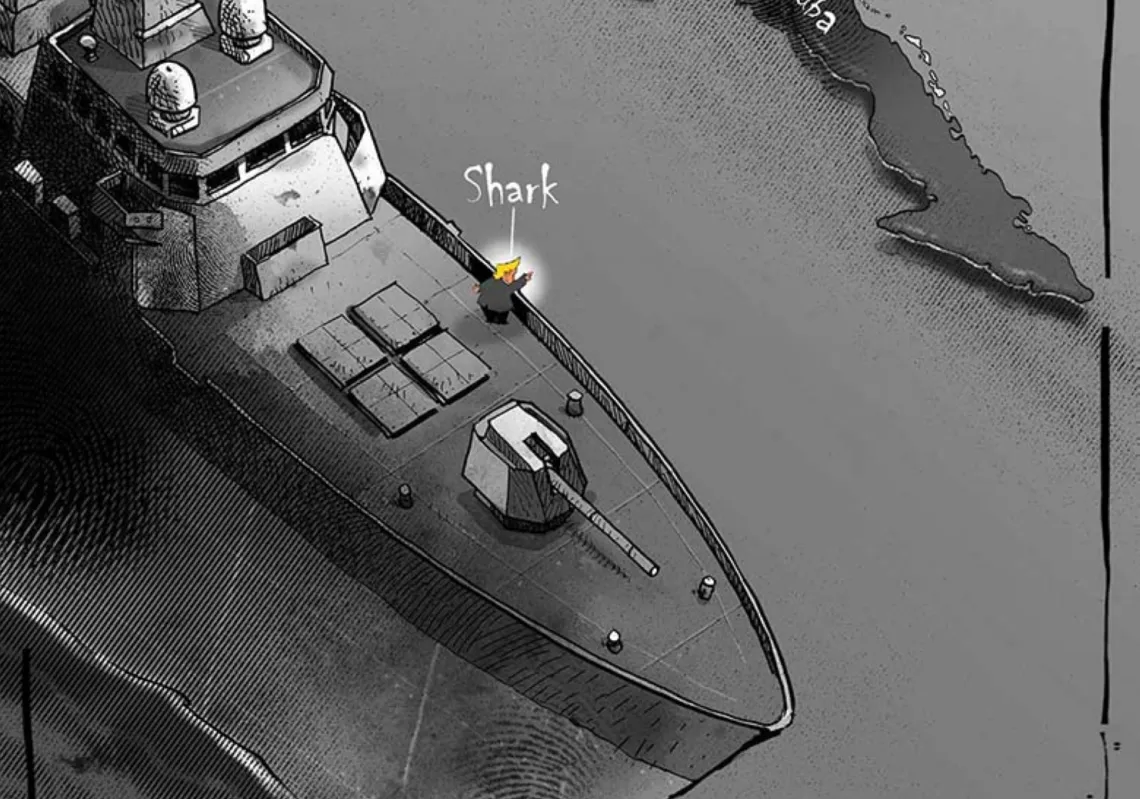
Senior US officials may see the impoverished island as an opportunity for a quick win, to compensate for the not-so-quick war in Iran. The US Defence Department has increased intelligence -gathering flights off Cuba’s coast, and the aircraft carrier USS Nimitz arrived in the Caribbean on 20 May, Cuban Independence Day. US Southern Command recently posted a video on X with the description, “Lethal. Precise. Ready,” showing planes, helicopters, tanks, amphibious landing craft, and troops on the ground, ending with an aerial photograph of Cuba.
A limited strike to seize Castro would probably succeed, although it could well prove more costly than seizing Maduro—and less effective. Castro, soon to be 95, retired almost a decade ago. While he still wields great influence, he is not running the country day to day, so his departure would not disrupt the regime the way that Maduro’s abduction did in Venezuela.
Three hundred drones will not stop the US military if Trump decides to launch an Iran-style bombing campaign. But the lesson of Iran is that you cannot bring about regime change from the air, even when there is massive, organised opposition to the government on the ground—something that does not exist in Cuba.