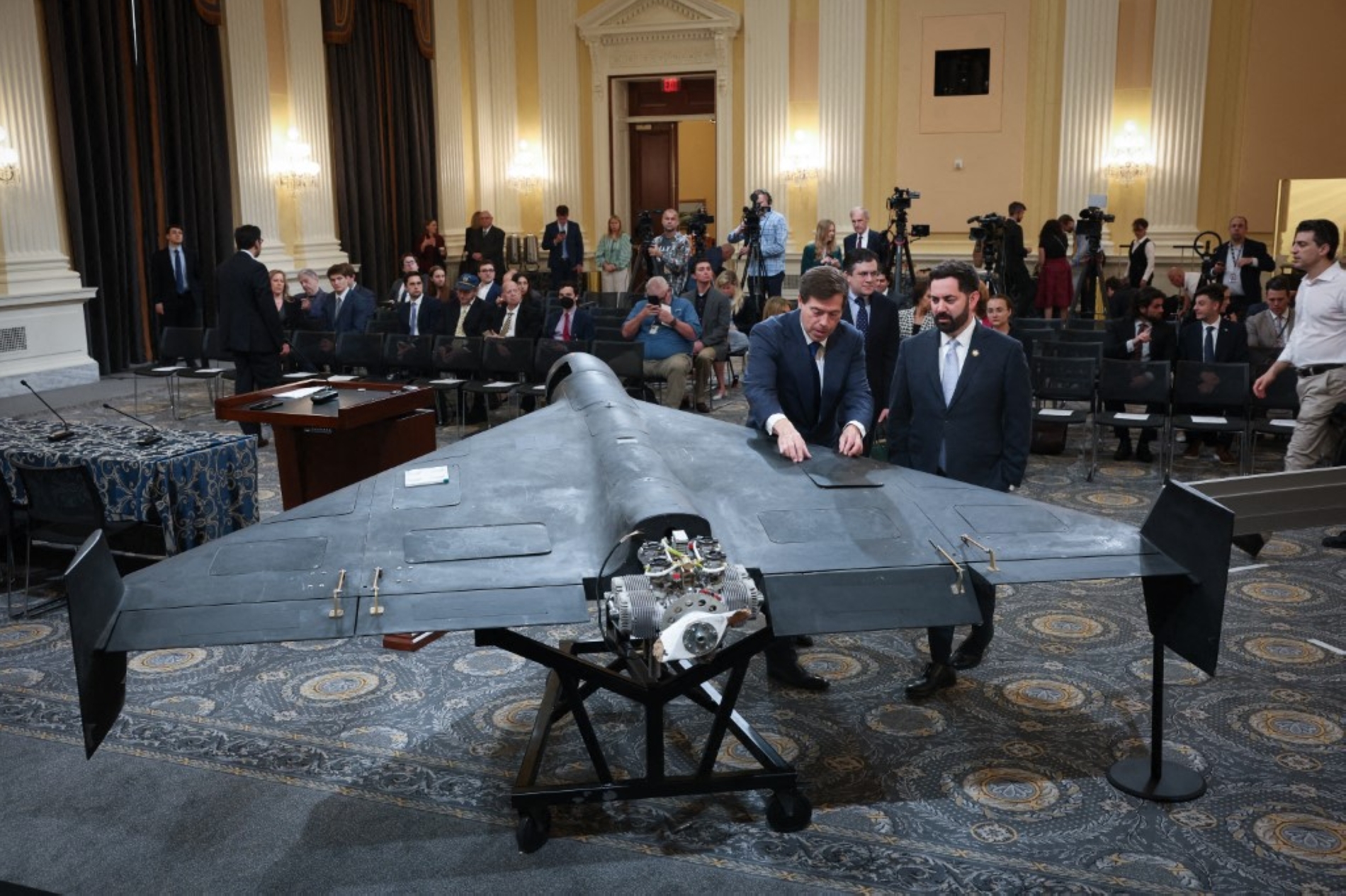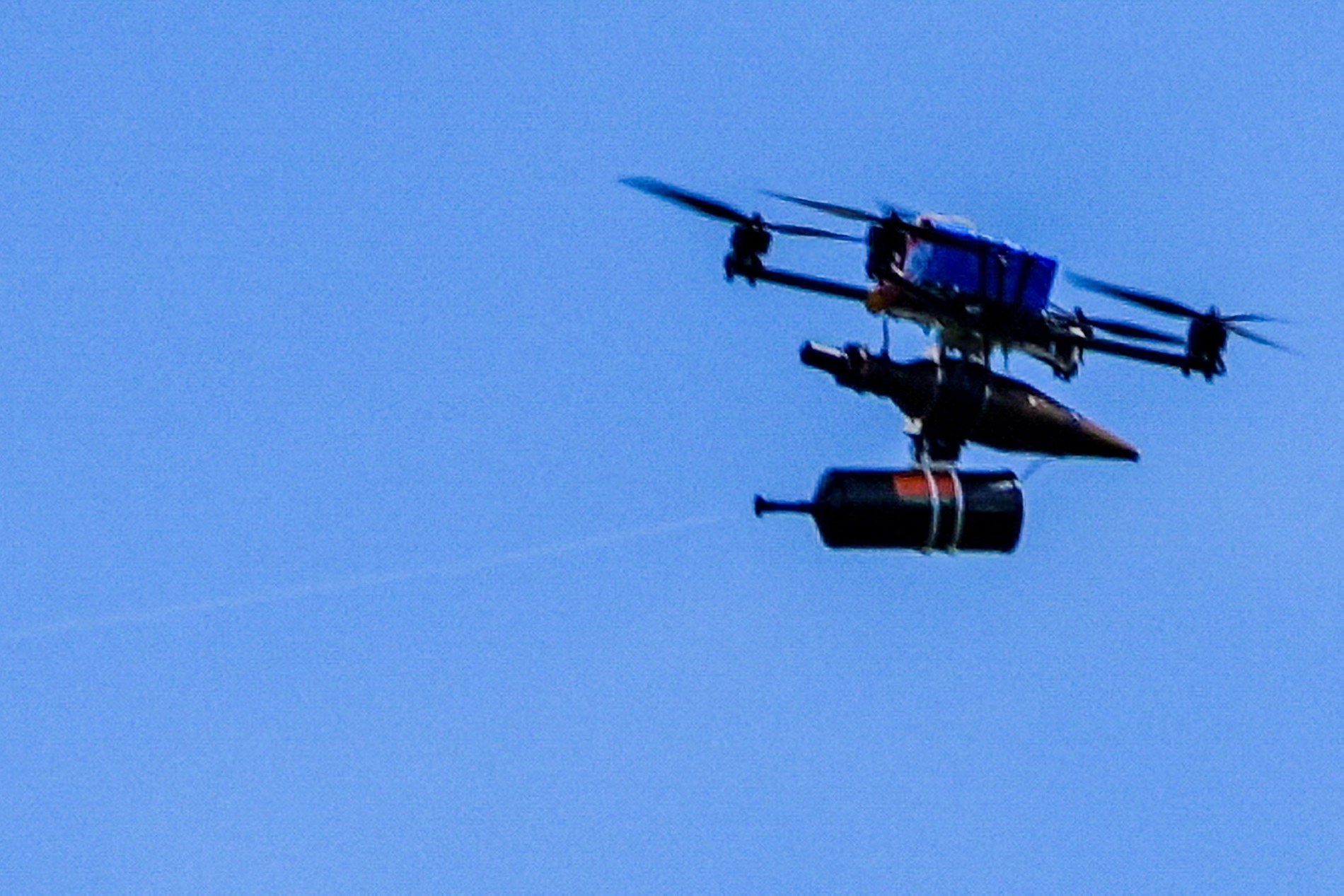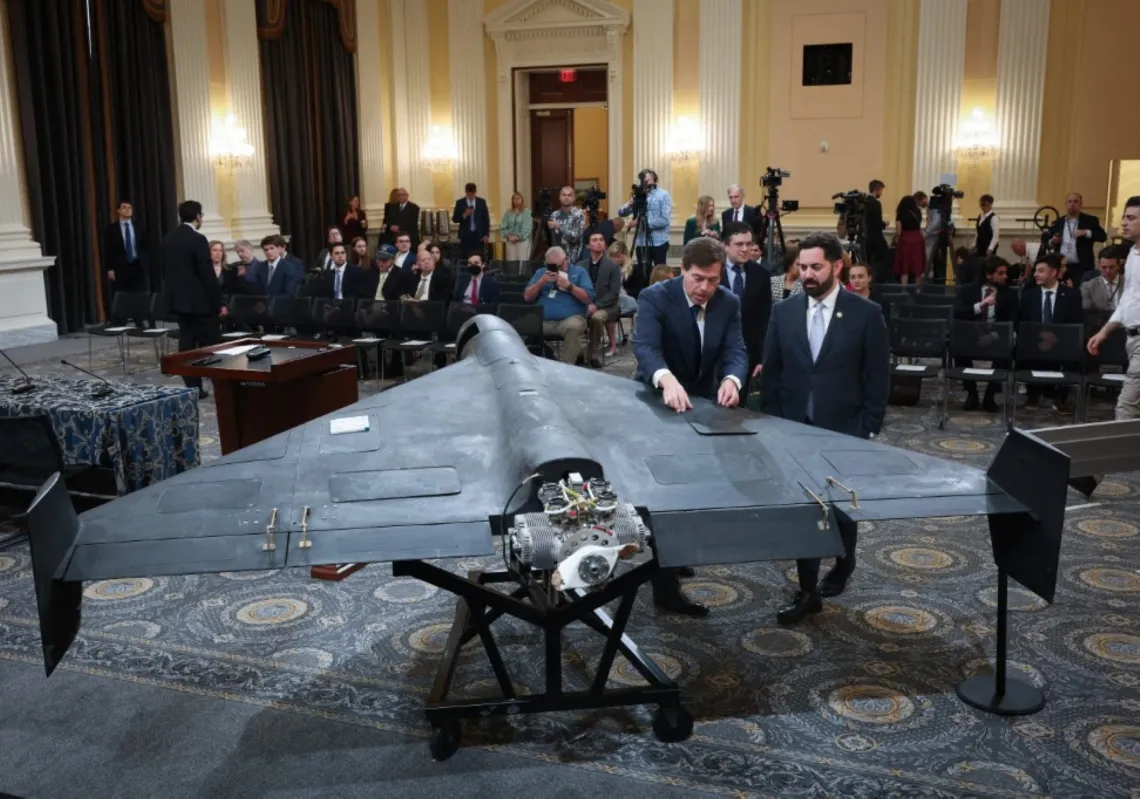

In modern warfare, communication and the ability to command and control events are as important as ever, but new technology has also brought new threats and new countermeasures. One of today’s most prevalent warfighting tools is drones, but these can be jammed using electronic signals. As a workaround, armies have developed drones linked to the ground by a thin fibre-optic cable which can stretch for 30km.
While they may therefore be tethered, their advantage is that they are immune to interference. Standard drones use radio frequencies that can be blocked or scrambled, but fibre-optic drones bypass this entirely, ensuring that communication continues. Communication a vital system that regulates the rhythm of battle and turns the chaos of combat into calculated action. The drone’s slender thread links it to its operator, guaranteeing an uninterrupted flow of commands and images. It enables real-time decision-making.
The use of wires dates back to the 19th century, to the dawn of industrial warfare, with armies using the telegraph and later the field telephone to transmit orders through cables stretched between positions and trenches. This provided a decisive advantage, since such communications were far harder to jam or intercept than wireless signals, which remained primitive and vulnerable to intrusion. The core idea—transmitting a signal through a physical medium—remained embedded in military thinking for decades.
During the Cold War, this concept evolved into a more complex form with the emergence of wire-guided missiles. A soldier could fire a missile and continue steering it through a thin cable trailing behind it until it reached its target. This offered high accuracy and near-total resistance to electronic jamming. Such systems represented an important transitional stage between traditional ground communications and modern digital technologies.
Early in the 21st century, military institutions such as the US Defence Advanced Research Projects Agency (DARPA) sought to revive the idea through projects for fibre-optic-controlled munitions, but none developed to operational use. During Russia’s invasion of Ukraine, however, electronic warfare became more important. Jamming systems began to proliferate along the frontlines, whether mounted on vehicles or carried by individual soldiers. This left wireless drones vulnerable.
Old solution, new guise
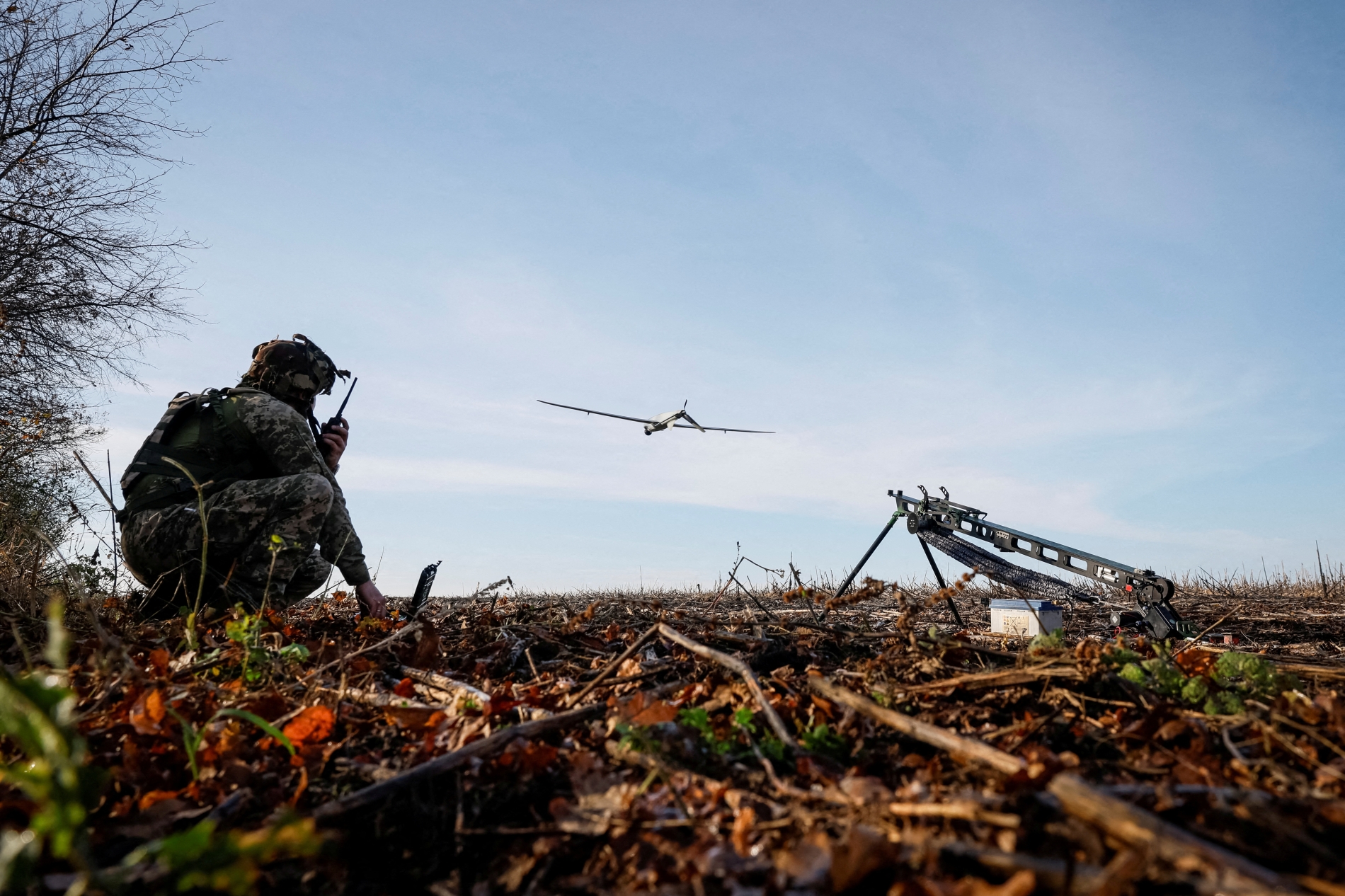
An old solution, therefore, returned in a new guise, as both Russia and Ukraine began using drones on a fibre-optic cable trailing behind them in flight. There are now signs that wired drones are being used by the Lebanese militia Hezbollah against Israeli targets. For Israel, these drones pose a challenge. Small, low-cost, and difficult to jam, they give traditional defence systems little time to respond. Yet their advantage is also a vulnerability: the cable that protects them from jamming is a point of weakness if it is cut or becomes entangled.
Fibre-optic-guided drones are essentially a direct development of small first-person-view (FPV) drones, although they differ radically in their communications mechanism. Instead of relying on radio waves or wireless video links, they use an ultra-fine cable that unspools behind them during flight. The cable is released gradually from a small reel and remains connected to the command centre until the moment of impact. They generally operate at low altitudes to avoid detection. Performance is linked to cable length: a 10km spool alone can weigh around 2.3kg.