
The Lebanese front offers a striking illustration of Israel’s lack of a coherent long-term strategy. The continuation of hostilities under restrictive conditions and within the framework of a fragile, virtually nonexistent, ceasefire—recently extended by the United States for an additional 45 days —does little to clarify Israel’s ultimate objectives.
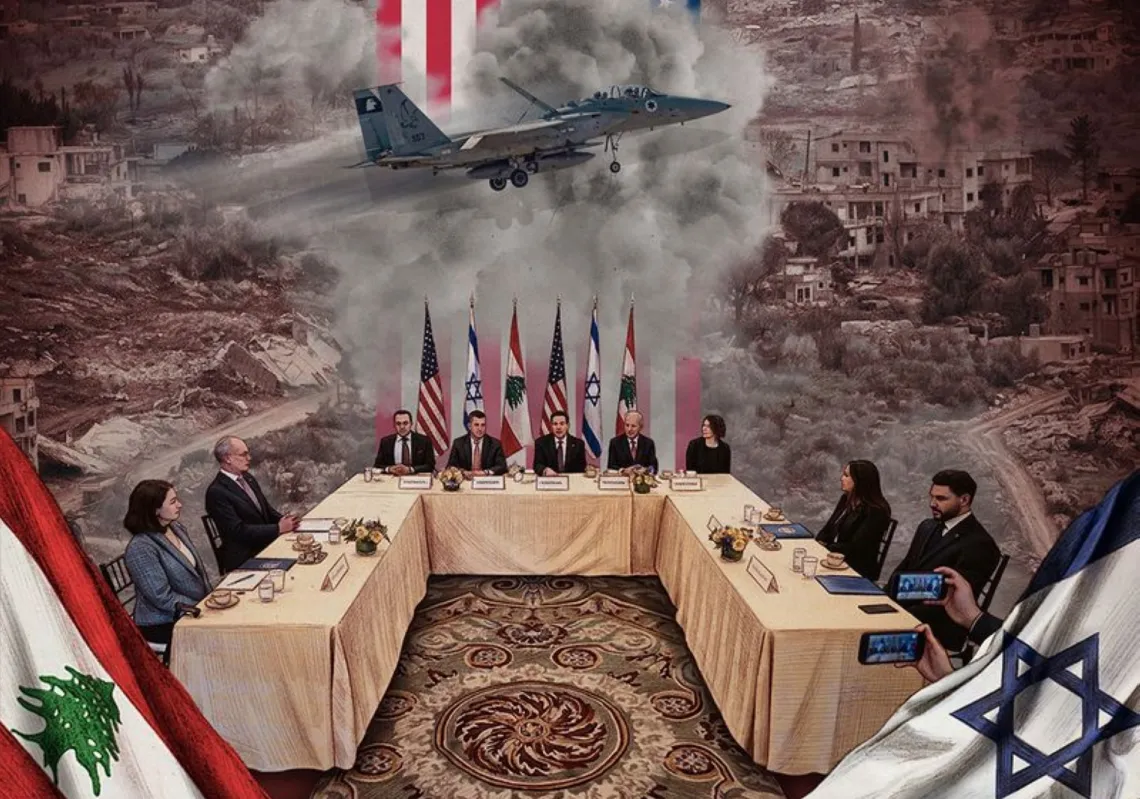
The latest round of talks held last week in Washington expanded both delegations. On the Lebanese side, former ambassador Simon Karam led the delegation, while the Israeli team included additional representatives from the Israeli army and the National Security Council.
Official statements described the meetings as having “constructive discussions,” announcing the establishment of a new coordination mechanism between the Lebanese Armed Forces and the Israeli army under American supervision. Furthermore, the Lebanese side reportedly agreed to frame the talks as part of a political process aimed at advancing “sustainable peace.” Both channels, the diplomatic and the military, are expected to continue discussions in the coming weeks.
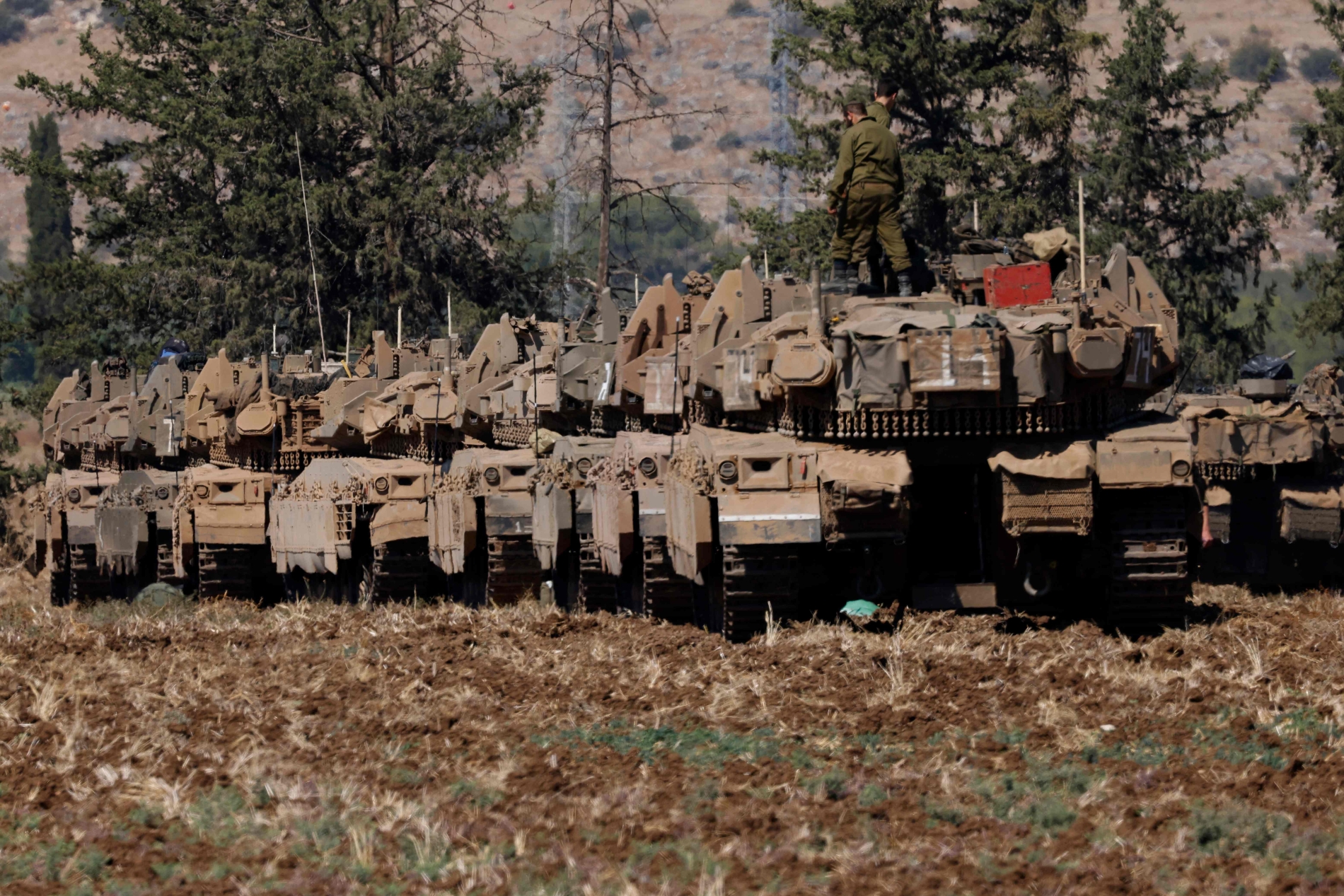
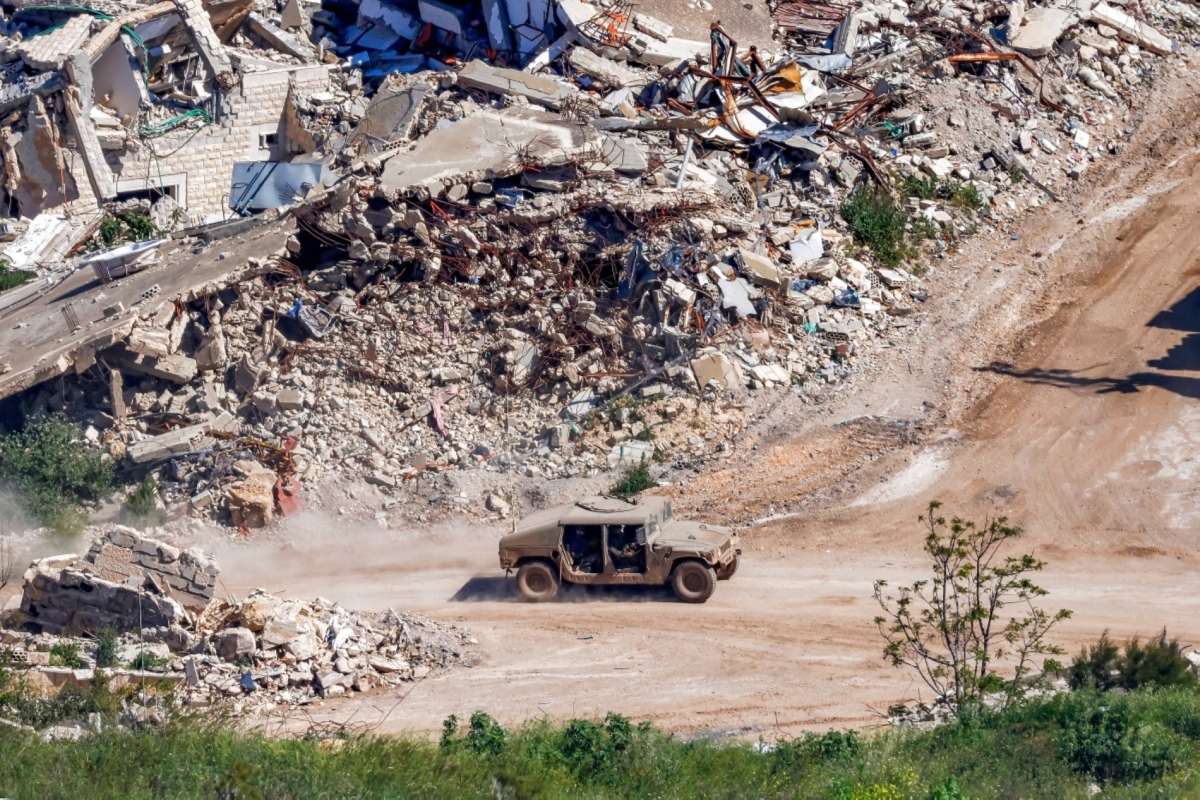
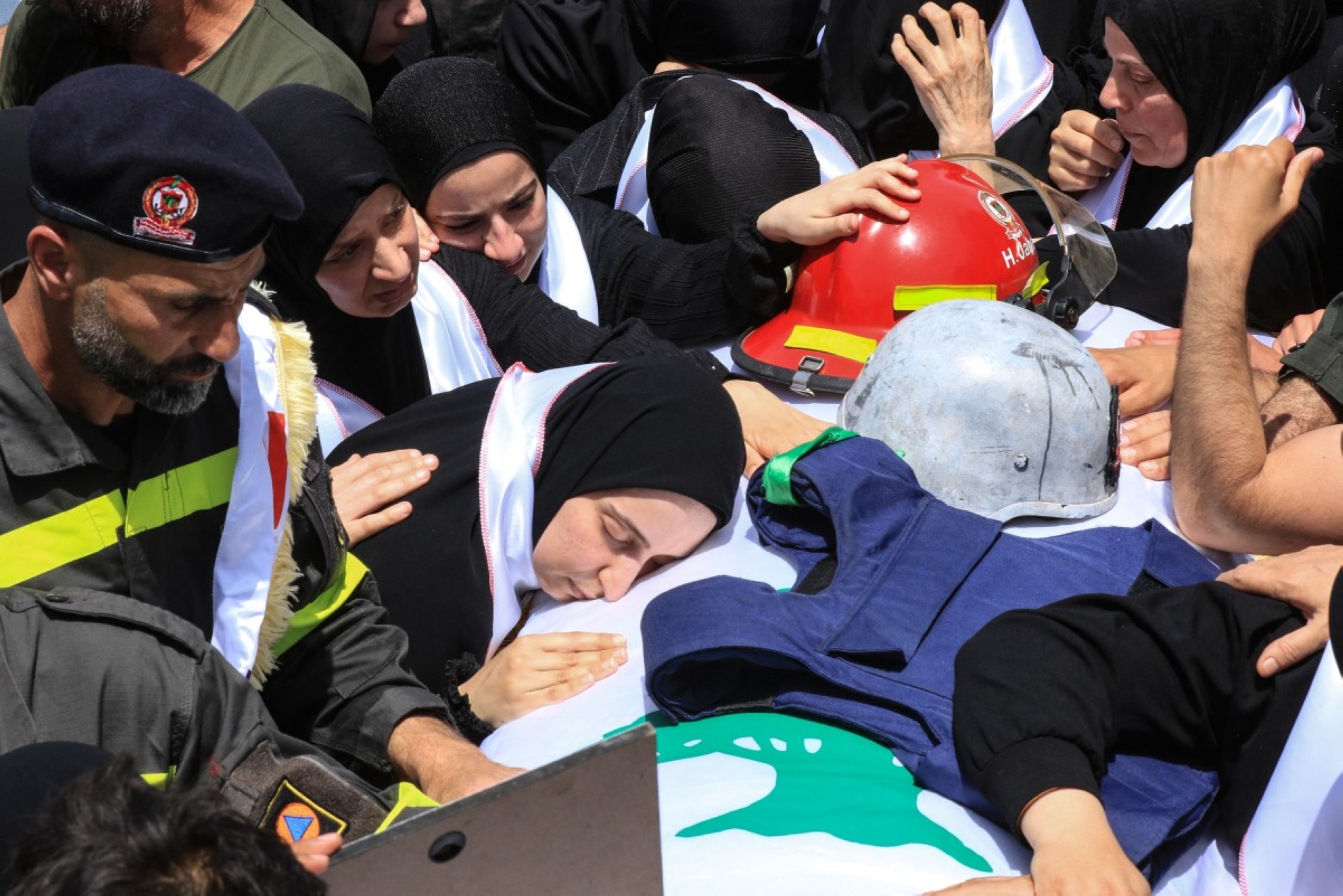
Meanwhile, fighting on the ground persists, claiming casualties on both sides. Israel has largely confined its strikes to southern Lebanon, excluding Beirut and the north of Lebanon, while Hezbollah has increasingly focused on what it views as its latest tactical achievement: explosive drones.
On the one hand, Israel may view the emergence of direct political negotiations conducted under fire, while fighting is still going on, as a significant achievement. Such talks gradually normalise the very notion of diplomatic engagement between the two sides, particularly within Lebanese public opinion, including the explicit articulation of a goal once considered almost taboo: “sustainable peace.”
On the other hand, Israel's ongoing military campaign, conducted with partially constrained freedom of action and absent a clearly defined strategic framework, ultimately strengthens Hezbollah. The organisation has managed to reinforce the perception that the Lebanese government lacks the ability to compel an Israeli withdrawal. At the same time, Israel's continued destruction of Lebanese villages in the south, coupled with mounting civilian casualties, undermines the narrative Beirut seeks to promote: that of restoring Lebanese sovereignty.
More troubling still, northern Israel has once again become hostage to Hezbollah and, by extension, to the war with Iran, whether a direct fight with Tehran is going on or not. The persistent ambiguity surrounding Israel’s broader policy, or more specifically the American strategy, toward Tehran only deepens the "Gordian Knot" between the Lebanese and Iranian arenas. In this sense, Israel is actually playing directly into Iran’s hands.
Three explanations
What explains the absence of a coherent Israeli policy? Three possible factors stand out. The first relates to the transformation of Israel's defence doctrine following October 7. The prevailing conclusion within much of the Israeli establishment is that the previous policy of containment collapsed, necessitating a far more forceful response to threats—including, where necessary, maintaining territorial control beyond Israel’s, as it takes shape in Lebanon, Syria and Gaza. Yet, this emotional and reactive shift does not appear to have been accompanied by equally rigorous strategic thinking.