
The French Riviera is once again the centre of the global cinematic scene as the 79th Cannes Film Festival opens today, with an Asian filmmaker chairing the judges for only the second time ever. Running from 12-23 May, with South Korean director Park Chan-wook presiding over the jury, the famous festival in the south of France that spreads along the pavements of the Croisette promenade retains its familiar sense of anticipation but within a very different landscape, given the shrinking authority of cinema, the expansion of streaming platforms, and the transformation of films into rapidly consumed content.
Sensing a fading of the old aura, Cannes appears to be addressing a world in which reception and circulation have changed, as indeed have the ways that films are made and consumed, while maintaining its legacy as the world’s foremost arena for art cinema. This edition's programming reflects that balance. Directors who have been a Cannes fixture for decades appear alongside newcomers to capture the points of cinematic sensitivity today and the ways in which the image of the world is being shaped in contemporary films.
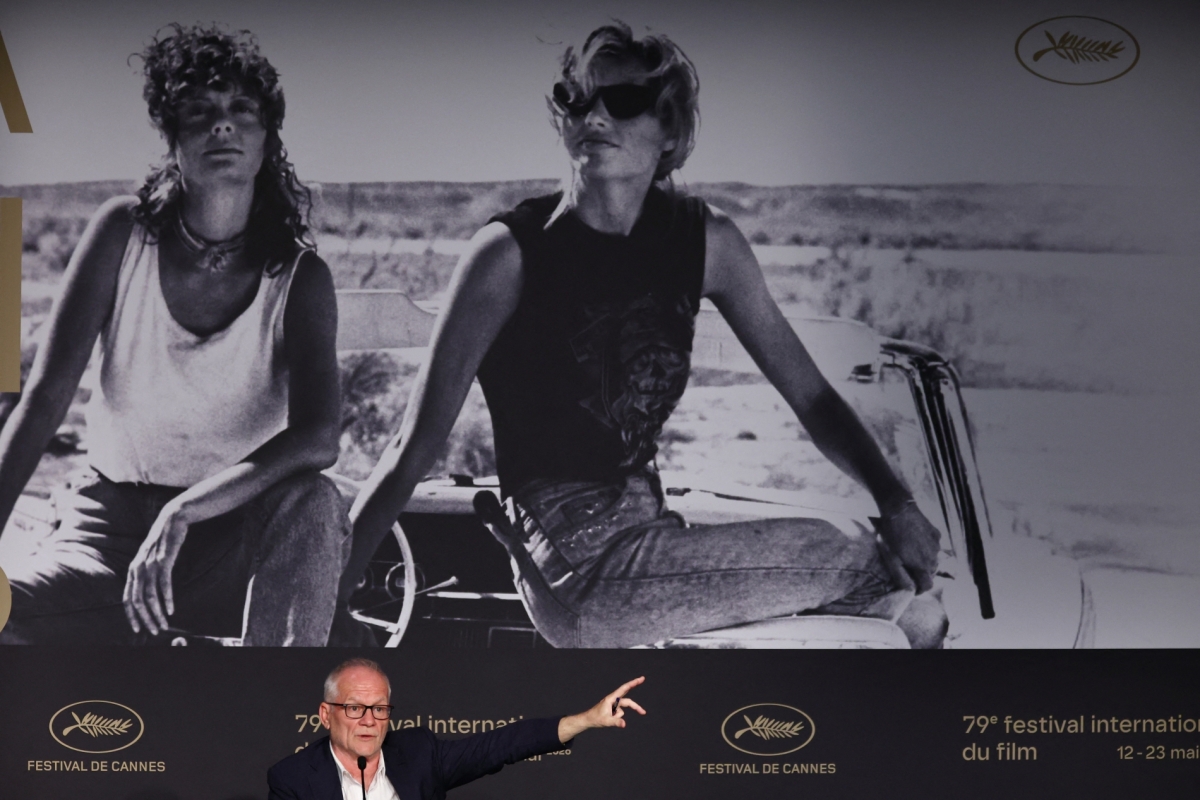
The official poster for this year’s festival is taken from the 1991 film Thelma & Louise, starring Geena Davis and Susan Sarandon, two outlaw friends atop a car beneath the Western sun, with looks that show they know all too well the price of liberation. The choice summons a moment in cinema in which moviemakers had the courage to go all the way, when it was possible to carry genuine meaning, and when characters retained the capacity to confront the world—even if that confrontation ended in their fall. Something in the poster captures what modern cinema has lost: the sense of existential adventure, the road to freedom. The film harks back to a time when cinema knew that the cost of emancipation was high.
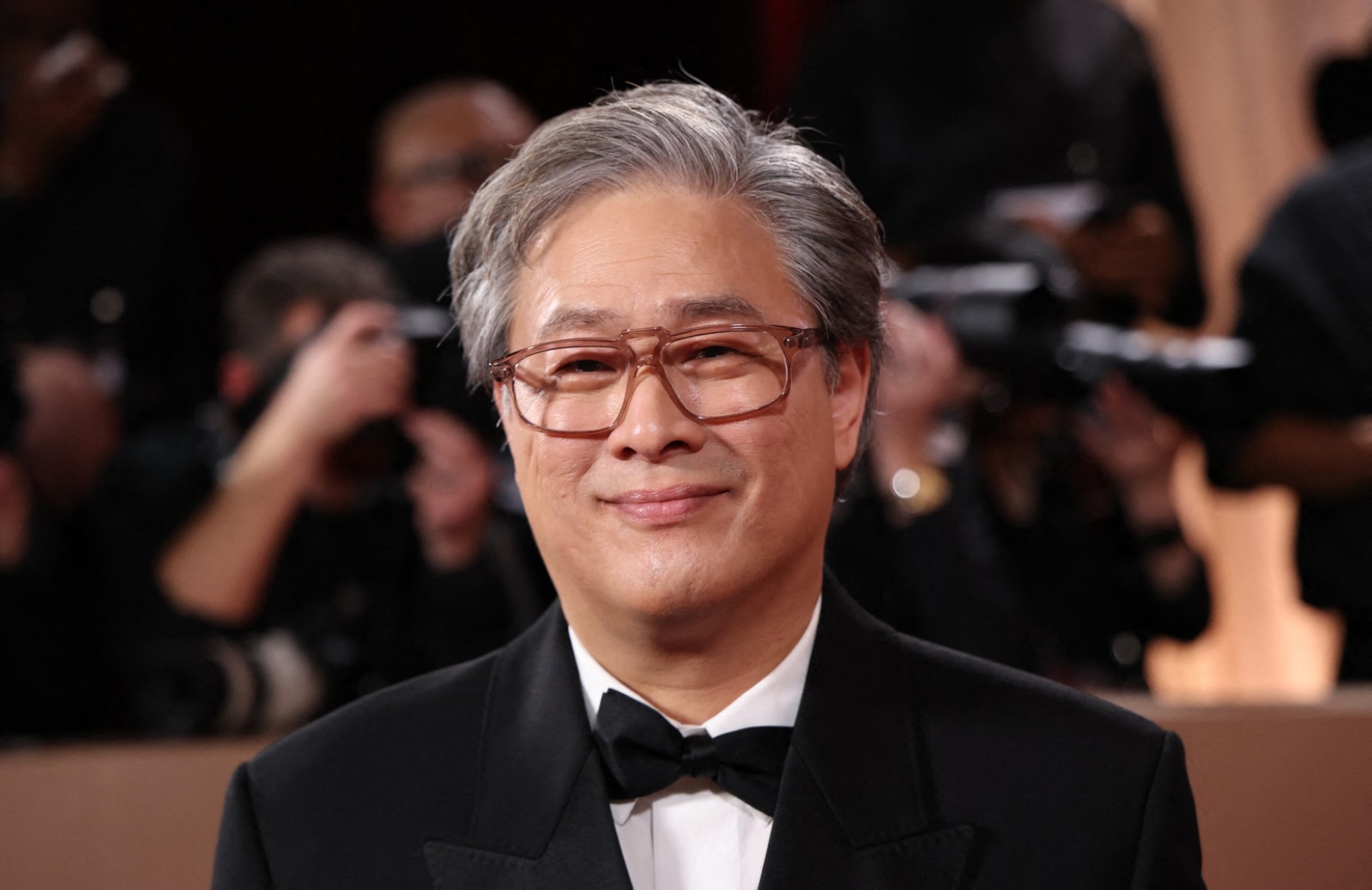
Park Chan-wook’s selection as chair extends a shift that has been reshaping world cinema for years (Hong Kong’s Wong Kar-wai was the only other Asian filmmaker to take the chair, and that was two decades ago). It acknowledges the scale of the transformation brought about by Asian cinema—and Korean cinema in particular—within the global cinematic landscape. No longer an emerging phenomenon, Korean cinema is today keenly attuned to contemporary unease, yet it also manages to create a rare balance between popular sensibility and artistic ambition. Park is the filmmaker who proved that contemporary cinema can attract millions without surrendering its dark lyricism.
Cross-cultural cinema
The Cannes custom is for a French presence in its opening film, with Pierre Salvadori departing from direct French comedy to present Electric Venus, set in the clamorous Paris of the 1920s and steeped in theatricality, ambiguity, and marginal worlds. It follows an artist who has lost his passion after his wife dies, and a woman performing in popular shows who claims the power to communicate with the dead, within a relationship sustained by deception, performance, and the persistence of illusion.
This edition has attracted a noticeably greater number of Asian filmmakers. One such is Japanese director Ryusuke Hamaguchi, who used his red vehicle in Drive My Car to cut through the ice of narrative layers and the clouds separating the sky of memory from the ground of reality. In his new work, he weaves a cross-cultural relationship between the director of a care home (played by Virginie Efira) and a dying Japanese playwright. Hamaguchi seems to promise a dismantling of humanity as an act of resistance, continuing the work of his earlier films, which transformed silence and language into instruments of survival amid emotional tempests.
In Fatherland, Polish director Paweł Pawlikowski also seems to be returning to the themes and style of Ida and Cold War, with black-and-white imagery, postwar Europe, and characters weighed down by historical memory. At just 82 minutes, the film shows his inclination towards visual and narrative compression.
Another awaited return comes from Andrey Zvyagintsev, nine years after Loveless. Judging by the early outlines of Minotaur, the Russian director once again delivers characters facing mounting social and psychological pressures and relationships threatened with disintegration in a harsh, unsettled world.
The only American presence in the main competition comes through James Gray, making his sixth appearance over 26 years. In Paper Tiger, starring Adam Driver and Scarlett Johansson, Gray's focus is on family and the American dream (just as it was in Armageddon Time). Characters move through dreams beyond their capacity to bear, as ambition, loyalty, or the desire for survival gradually leads them towards collapse.
Iran’s Asghar Farhadi returns with Parallel Tales. Just as he did in Spain with Everybody Knows, Farhadi draws on iconic French faces, including Virginie Efira, Isabelle Huppert and Vincent Cassel. Parallel Tales seems to be a return to Farhadi’s preferred cinematic territory: ambiguous relationships, moral fragility, and characters moving through the misted zones of truth. The film follows a writer who watches her neighbours through a telescope, seeking material for her novel, echoing Alfred Hitchcock’s Rear Window, in which surveillance leads to suspicion, complicity, and the remaking of reality through imagination. Farhadi seems to like characters who believe they can understand others or grasp the whole truth, only to get caught up in a web of complexity.
Modest Arab turnout
The Arab showing this year appears less than in previous editions, but it is far from absent. Films from Morocco, Palestine, Yemen, and Sudan are being screened, each carrying its own geography, political burden, and emotional register. Leïla Marrakchi's The Sweetest marks her return to Cannes after more than two decades. It follows Moroccan women working in Spain's strawberry fields, covering labour, migration, and the fragility of those caught inside unforgiving economic systems.
Palestinian director Rakan Mayasi presents Yesterday, the Eye Did Not Sleep, his first feature film. Set in a Bedouin village in the Bekaa valley, the story begins with a small personal incident before widening into a confrontation that draws in the whole community, turning a private tension into a collective reckoning.