Egypt brokers US-Eritrea thaw to corner Ethiopia

Cairo hopes that by helping the Americans establish relations with Egyptian allies in the region, it will be better placed to deal with the threats posed by Addis Ababa

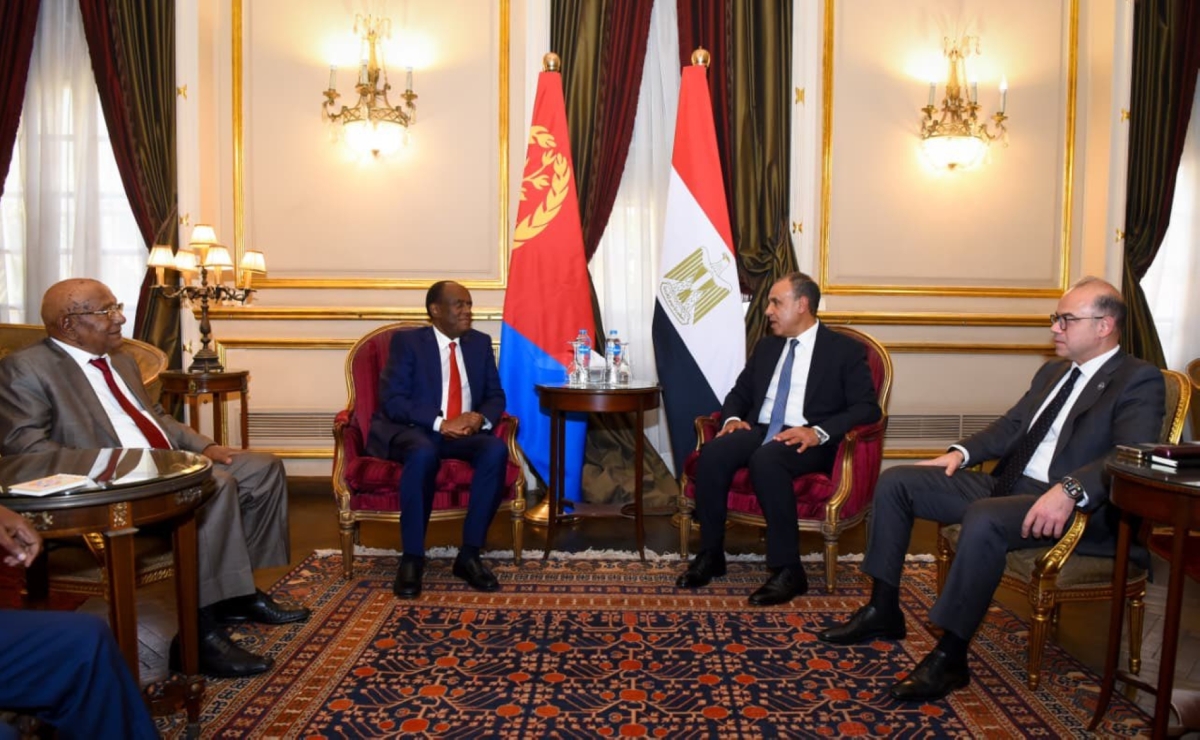
Egypt's Minister of Foreign Affairs, Dr. Badr Abdelatty, receives Economic Advisor to the Eritrean President   Hagos Ghebrehiwet
Egypt Foreign Ministry via Twitter
Egypt's Minister of Foreign Affairs, Dr. Badr Abdelatty, receives Economic Advisor to the Eritrean President Hagos Ghebrehiwet

Egypt brokers US-Eritrea thaw to corner Ethiopia

Egypt is acting as a bridge between the United States and Eritrea in a diplomatic effort that may prove consequential. It brought together US advisor Massad Boulos and a high-level Eritrean delegation in Cairo in April to help ease or lift US sanctions on Eritrea, which have been in place since 2021.

The Eritrean delegation was led by Hagos Gebrehiwet, considered the architect of Eritrean President Isaias Afwerki’s economic policies. Gebrehiwet heads the Committee on Economic Affairs in the ruling People’s Front for Democracy and Justice Party.

Boulos met Eritrean Foreign Minister Osman Saleh in September 2025 in New York, and Cairo has now used its contacts in Washington and Asmara to take this further. In doing so, it gives Eritrea the chance to break its isolation, and the US the opportunity to draw Asmara into its own orbit at a critical time for the Red Sea and the Horn of Africa.

My enemy’s enemy

This is not wholly altruistic; it serves Egypt’s interests in both regions. Ethiopia is Egypt’s main rival in the region and a source of concern, threatening Egypt’s freshwater supplies with the construction of a new dam on the Nile and challenging its dominance of Red Sea maritime passages, leading Cairo to deploy troops in the Horn of Africa.

Egypt has been strengthening its relations with Eritrea for some time now, to build a new Horn of Africa alliance opposed to Ethiopia’s regional ambitions. Alongside Eritrea, this alliance would also include Somalia and Djibouti. There are geopolitical tensions and historical enmity between Ethiopia and these countries, especially Eritrea and Somalia.

In this context, encouraging the United States to lift or ease sanctions on Eritrea signals to the latter that its ties with Cairo can be rewarding. US sanctions have deepened Eritrea’s economic isolation, restricted its access to financial systems, and hindered its receipt of foreign military aid. Improving Eritrea’s economic conditions will, over time, give its military access to foreign military aid and reintegrate it into the international financial system, empowering Eritrea in the face of Ethiopian threats.
Egypt has pursued a policy not of direct confrontation but of indirect pressure through Ethiopia's neighbours

Deep enmity

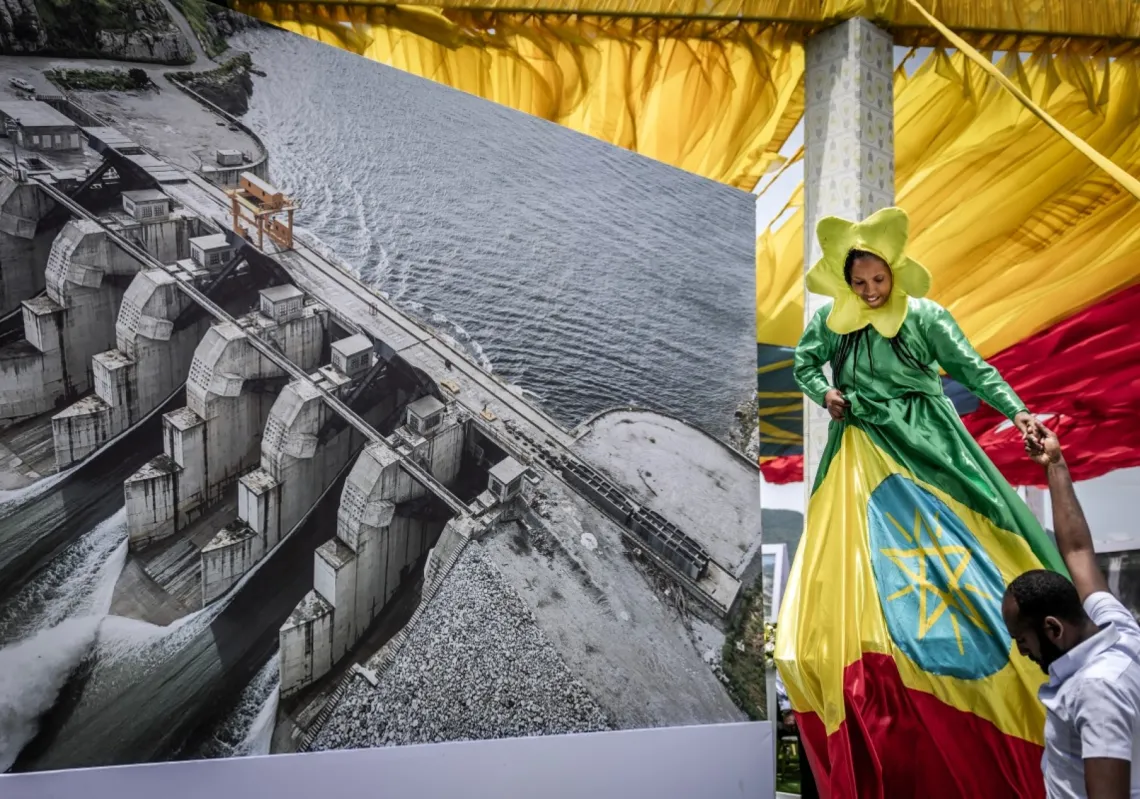
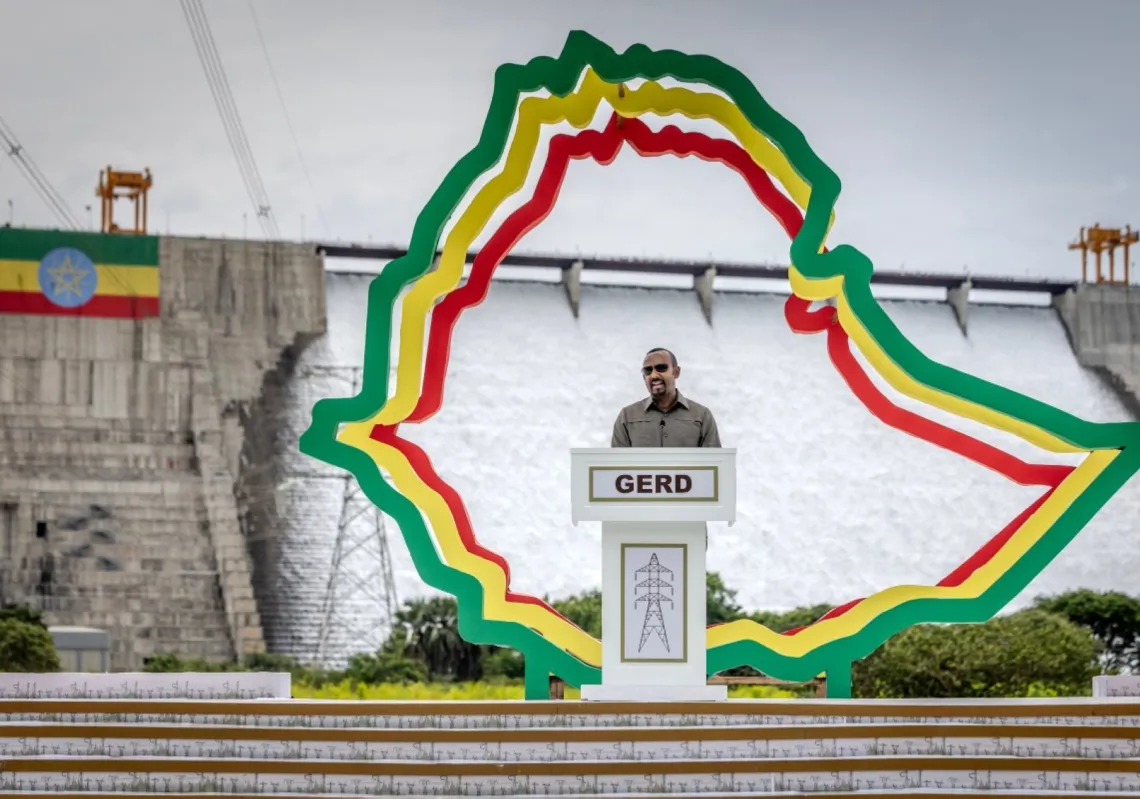
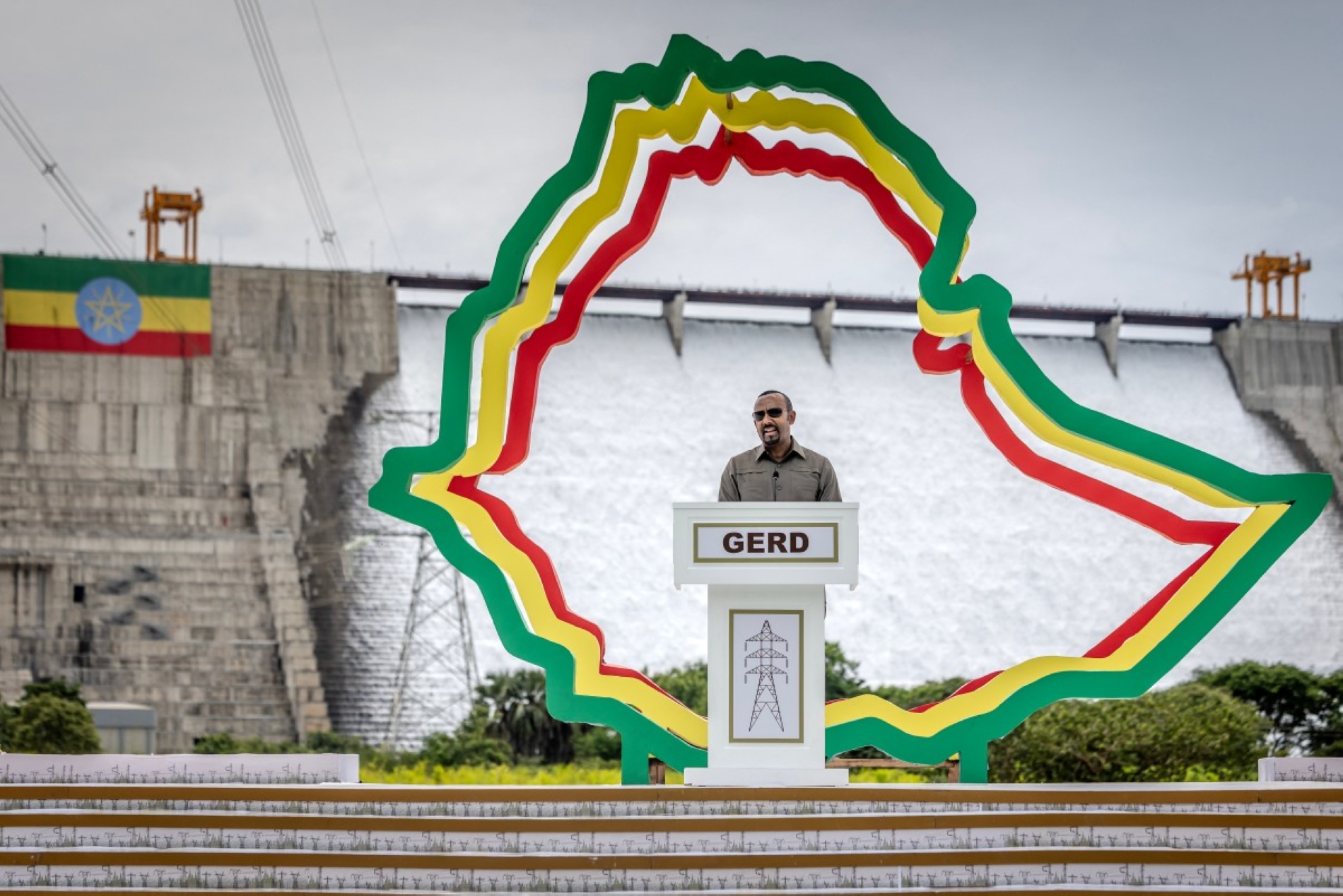
Hostility between Egypt and Ethiopia is rooted in the threats posed by Ethiopia's giant new dam on the Blue Nile, the main tributary of the Nile River, which provides Egypt with over 90% of its water needs. This threatens Egypt's water supply during droughts. Opened in September 2025, it has already reduced water flow to Egypt and Sudan, giving Ethiopia the power to devastate Egyptian farmland at a future date of its choosing.

Luis TATO / AFP
Prime Minister of Ethiopia Abiy Ahmed delivers his remarks during the official inauguration ceremony of the Grand Ethiopian Renaissance Dam (GERD) in Guba, on 9 September 2025.

Egypt tried for over a decade to reach a contractual deal with Ethiopia on the operation of the dam, but ongoing construction ran in parallel to time-wasting in Addis Ababa. Ethiopia's plan to construct additional dams on the river does nothing to allay Cairo's fears.

In January 2024, Ethiopia signed a memorandum of understanding with the breakaway region of Somaliland, paving the way for its recognition. In return, landlocked Ethiopia would gain a foothold on the Somaliland coast, giving it access to the Red Sea for the first time. Egypt rejects interference in Red Sea affairs by non-littoral states and believes this would be a recipe for disaster geopolitically, noting Ethiopia's growing relationship with Israel.

By way of response, Egypt has pursued a policy not of direct confrontation but of indirect pressure through Ethiopia's neighbours, hence the alliance with Eritrea and Somalia. Some interpret this as a bid to surround Ethiopia and deter it from threatening Egyptian lifelines.

Eritrea and Egypt enjoy a common defence pact, and their trade cooperation continues to grow. An Eritrean delegation visited Cairo in recent days, aiming to deepen relations, following Egypt's conclusion of an agreement to upgrade the Eritrean port of Assab on the Red Sea.

With Somalia, there is another common defence agreement that allows the deployment of Egyptian troops on Somali territory. Additional troops will be deployed as part of an African Union peacekeeping mission. Beyond that, Egypt will upgrade the Doraleh port in Djibouti, which currently handles most of Ethiopia's trade.

Reuters
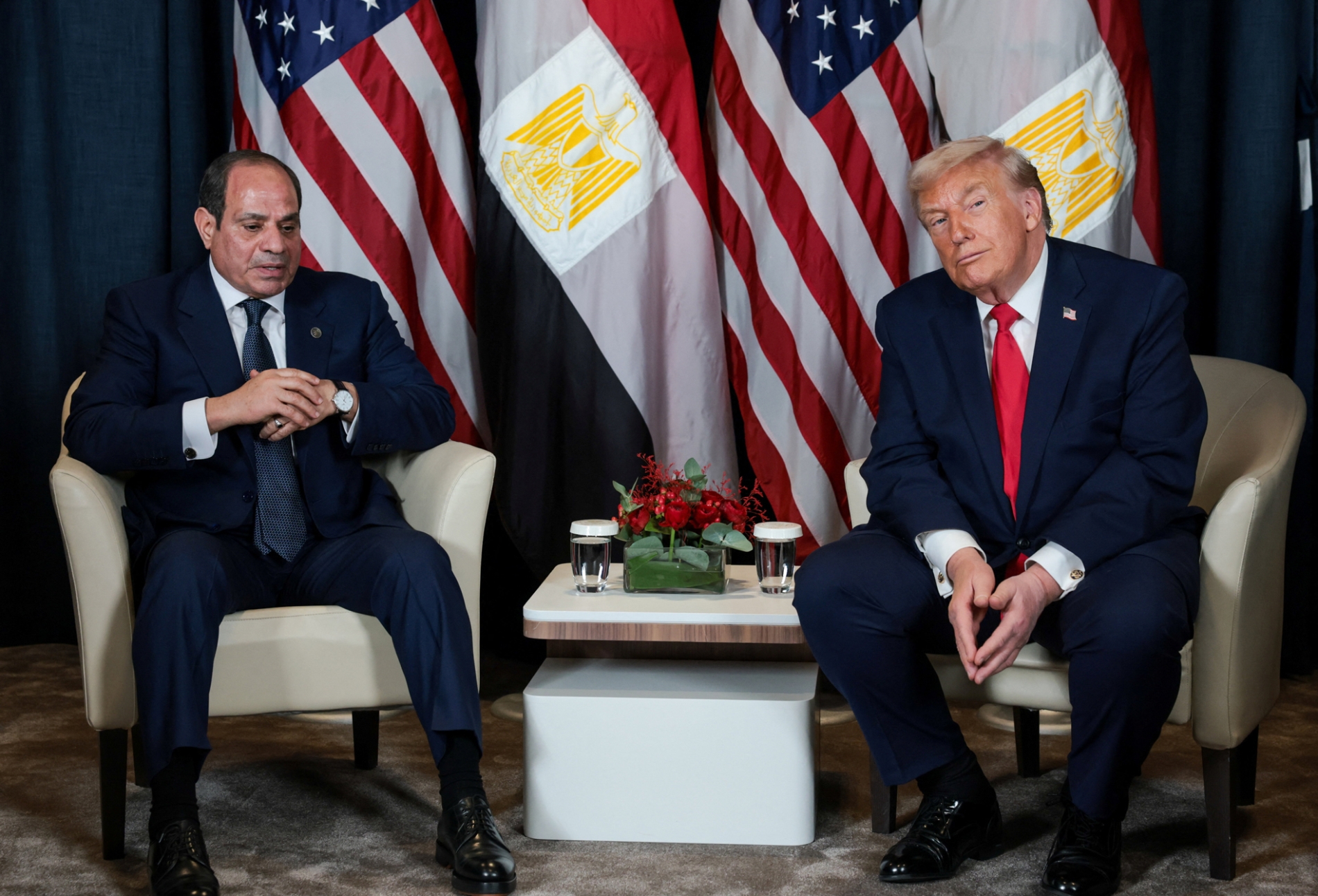
US President Donald Trump meets with Egyptian President Abdel Fattah el-Sisi during the World Economic Forum in Davos on 21 January 2026.

Wooing Washington

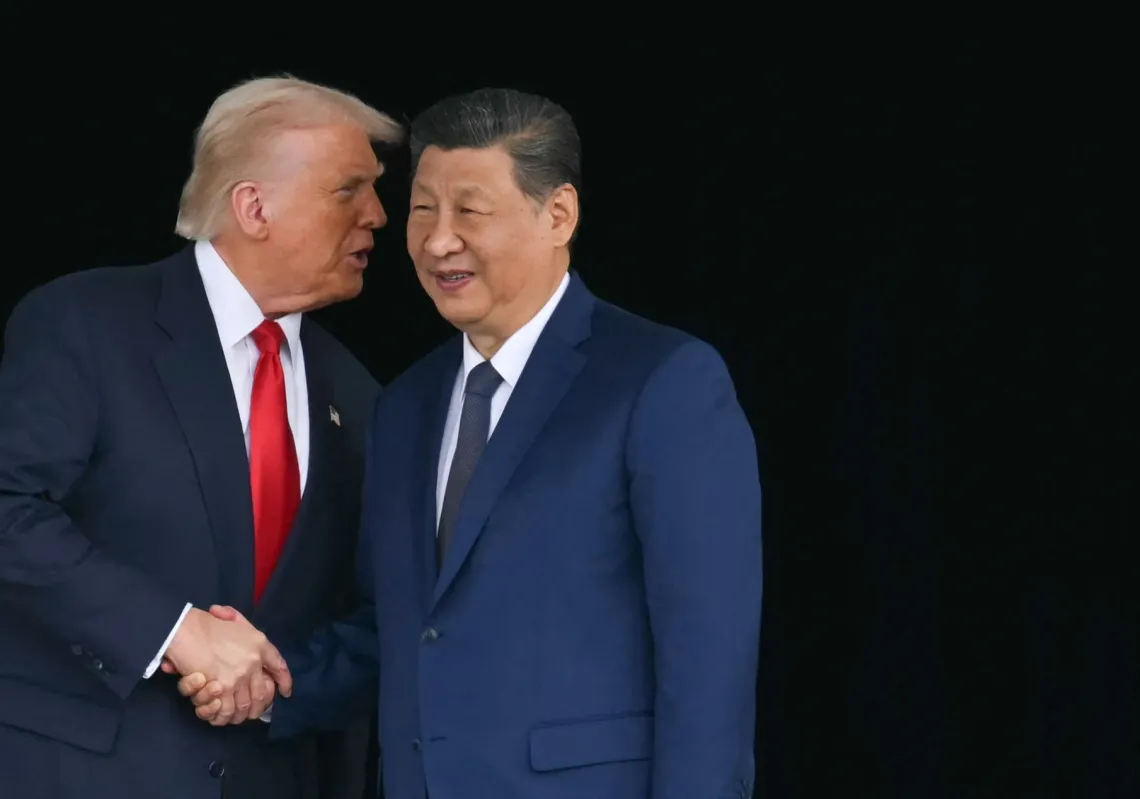
By acting as a mediator between the US and Eritrea, Egypt seems to want to win the US over to 'its' side in the struggle for dominance in the Horn of Africa and Red Sea. US President Donald Trump has previously offered to mediate a settlement of the Nile dam row.

Gaining Eritrea's support is suddenly more important for Washington as it battles against the Iranians in territorial waters. The US-Israeli war against Iran, and Iran's subsequent closure of the Strait of Hormuz, have highlighted the importance of such vital maritime chokepoints for international trade, and Washington knows that the Iran-backed Houthis could try to close the Bab el-Mandeb Strait, another bottleneck at the entrance to the Red Sea.

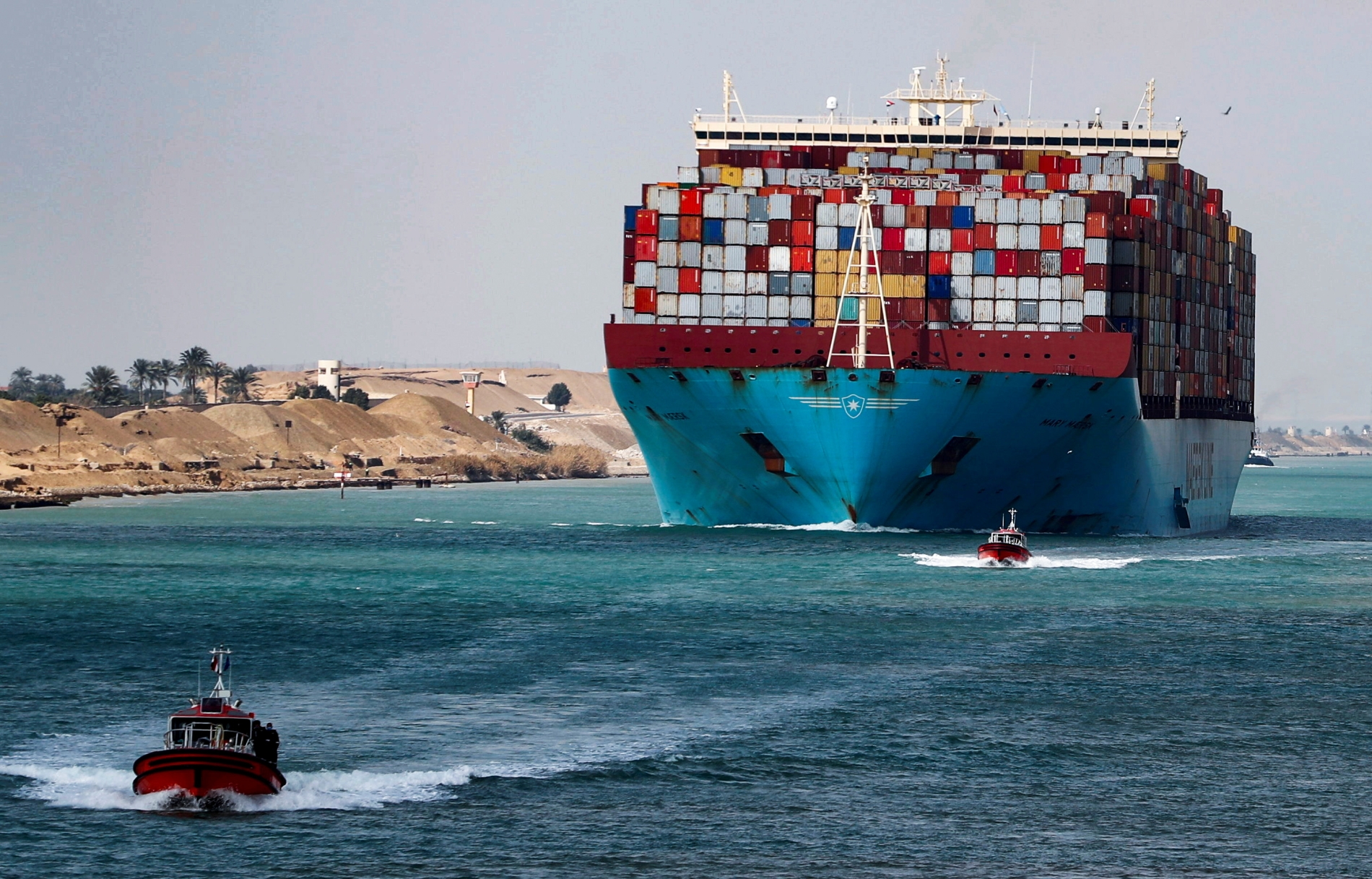
Egypt would benefit from American efforts to undermine Iranian influence in the Red Sea and the Bab el-Mandeb Strait, having so far incurred billions of dollars in lost Suez Canal transit fees as operators opt for a longer route around Africa to avoid potential Houthi attacks.

Reuters
A container ship transits the Suez Canal on 15 February 2022.

Iran's Islamic Revolutionary Guard Corps has declared a desire to gain a foothold on Sudan's Red Sea coast, something neither Washington nor Cairo would welcome. Yet alignment with Washington could help Egypt in another regard, given that Israel has officially recognised Somaliland, as it seeks its own Red Sea port.

Cairo's logic is that if Egypt can rally its Horn of Africa alliance behind American efforts to stymie Iran, an Israeli presence in the area would not be needed, which is no bad thing, given that littoral states oppose any Israeli presence in the region. How much weight that argument carries in Washington and Tel Aviv remains to be seen.

font change