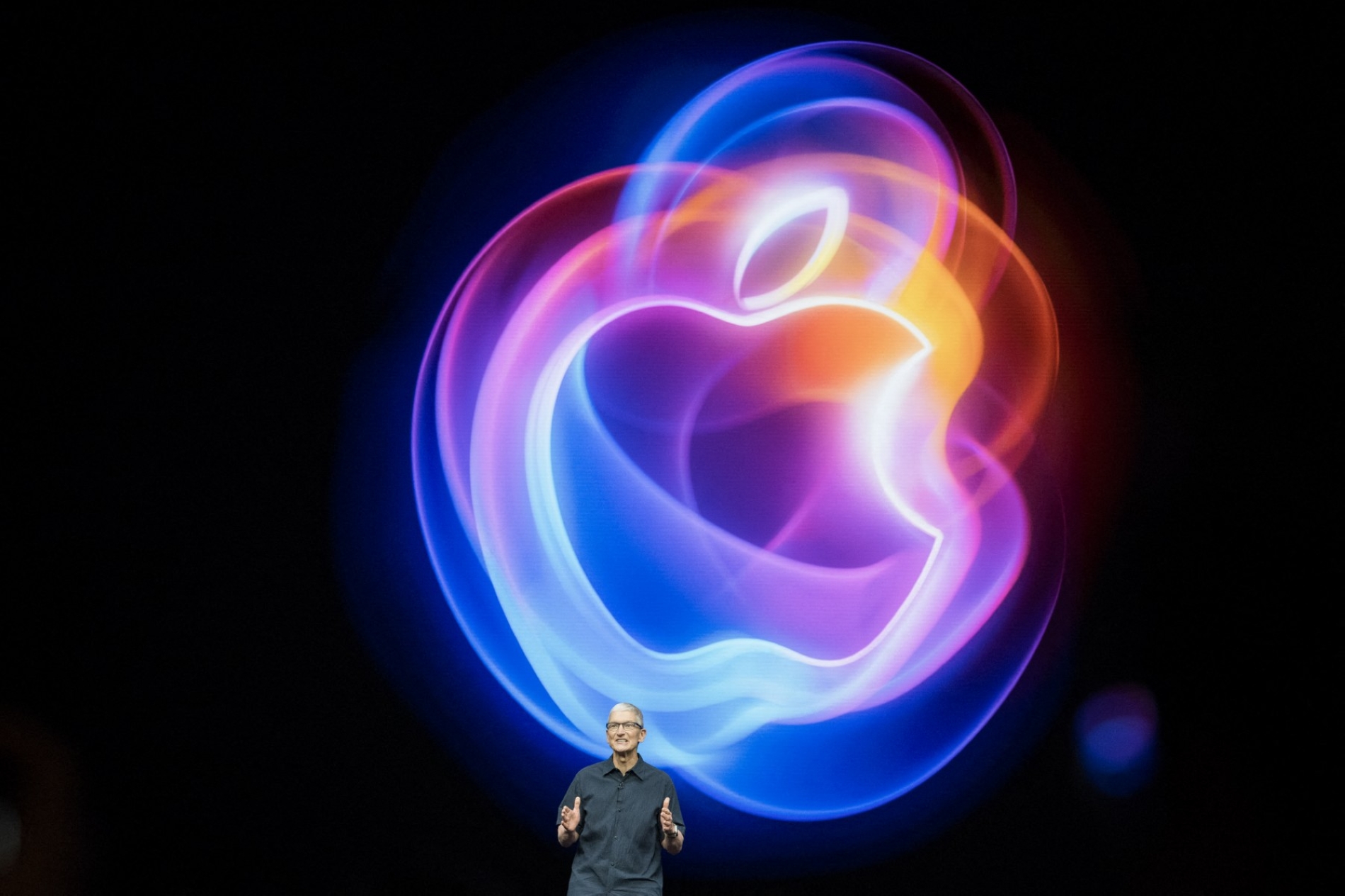

Sometimes a company encapsulates its times. Ford and its Model T captured the go-getting mood of the Roaring Twenties. IBM embodied the techno-optimism of the first computer era in the 1970s. General Electric epitomised the cutthroat capitalism of the 1990s. For much of this century, the company of the moment has been Apple. The iPhone, a sleek gateway to the all-consuming app economy, has been as evocative of the zeitgeist as big hair was of the 1980s. So has Apple’s embrace of globalisation and, especially, of China—as a place first to make gadgets, then to sell them.
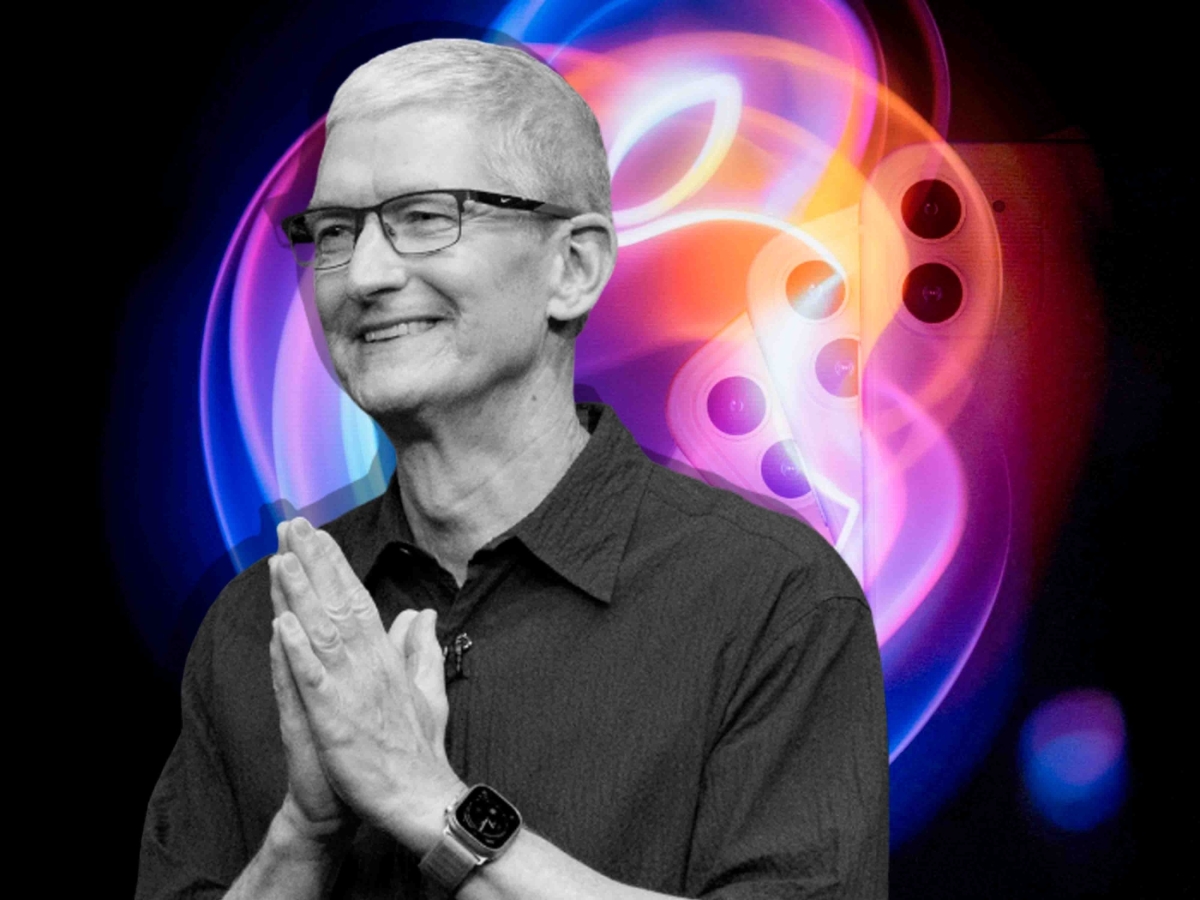
For the past 15 years, this icon of the digital era and free trade has been led by Tim Cook. It may have been Steve Jobs, his legendary predecessor, who dreamt up the iPhone, but it was Mr Cook who put one in 1.5 billion pockets, making the Apple logo ubiquitous from San Francisco to Seoul. Apple’s market value has grown 11-fold on Mr Cook’s watch as, counting everything including dividends, he has stuffed some $4.6tn into the pockets of Apple’s shareholders. That is over $850mn for every day of his long tenure.
Apple announced on 20 April that Cook's tenure will end in September. His successor, John Ternus, must decide if this winning formula—smartphones + global supply chains = $1tn in cumulative net profit over 15 years—needs updating for the age of artificial intelligence (AI) and geopolitical fracture. It is a tough call. And it matters beyond Apple.