Syria's taswiya slow roll creates a host of problems

Former regime soldiers are stuck in limbo, as their undocumented status prevents them from working, travelling, and curbs family members' access to education, healthcare and social services

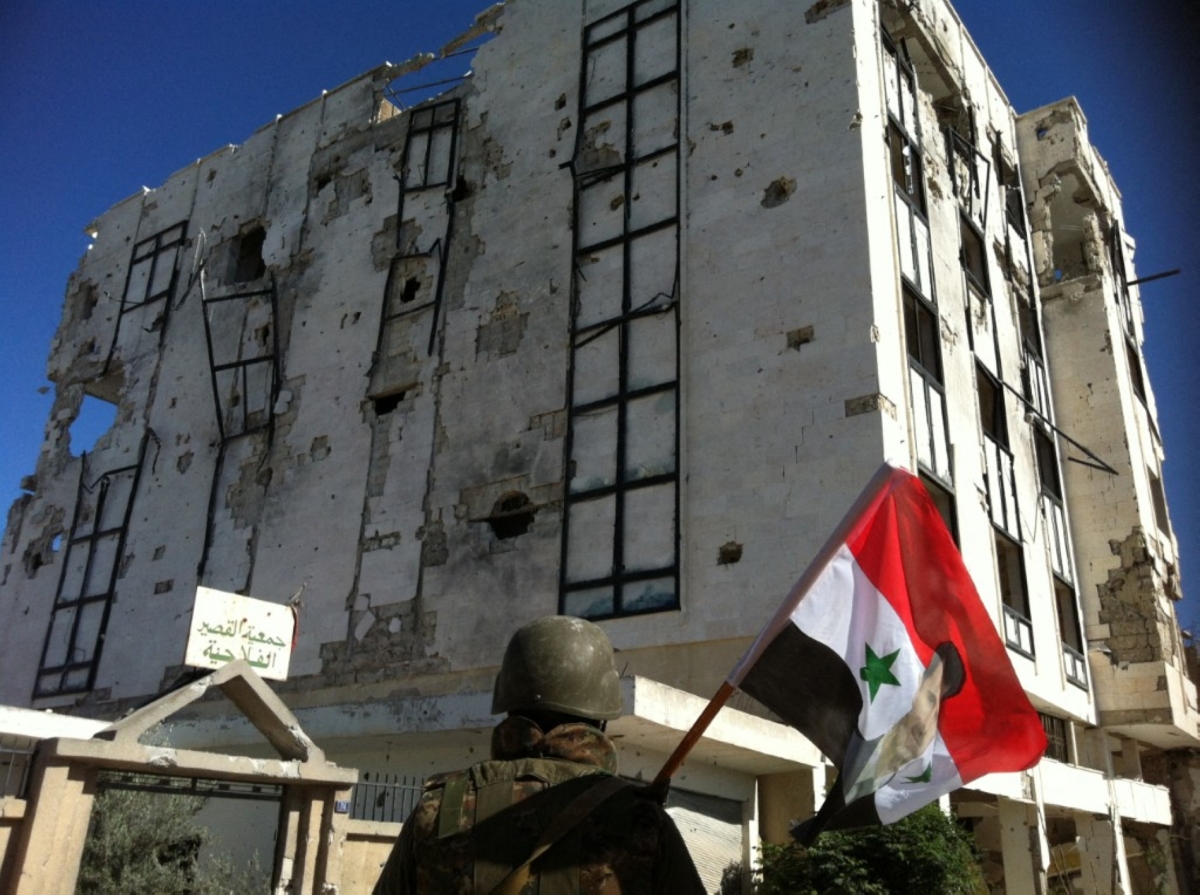
A Syrian army soldier holds a national flag featuring Syria's President Bashar al-Assad in front of a building left in ruins on 5 June 2013 in the city of Qusayr in the Homs province.
AFP
A Syrian army soldier holds a national flag featuring Syria's President Bashar al-Assad in front of a building left in ruins on 5 June 2013 in the city of Qusayr in the Homs province.

Syria's taswiya slow roll creates a host of problems

In Syria, the most dangerous problems are not always the loudest. As the country tries to move beyond war, attention has understandably turned to the visible tasks of transition: restoring services, reviving the economy, rebuilding institutions and reasserting state authority.

These are urgent priorities. But another issue is quietly taking shape, with serious consequences if left unresolved: tens of thousands of former regime security personnel still lack civilian identification. What may appear to be a bureaucratic delay is, in fact, a deeper structural problem. Civil documentation is the gateway to citizenship. Without it, people cannot access services, secure employment, register property, travel freely or engage meaningfully with state institutions. They remain physically present but effectively excluded from public life.

In late 2025, officials in several areas signalled that former soldiers who had completed the settlement process would soon be able to register for new IDs. But the situation on the ground tells a different story. Local sources say distribution has been minimal, leaving large numbers of men in prolonged limbo.

That uncertainty matters. In a country where mistrust of state institutions runs deep, legal ambiguity can quickly become political. It can harden grievances, feed rumours, and make vulnerable communities feel the transition is being built around them rather than with them.
Sam HARIRI / AFP
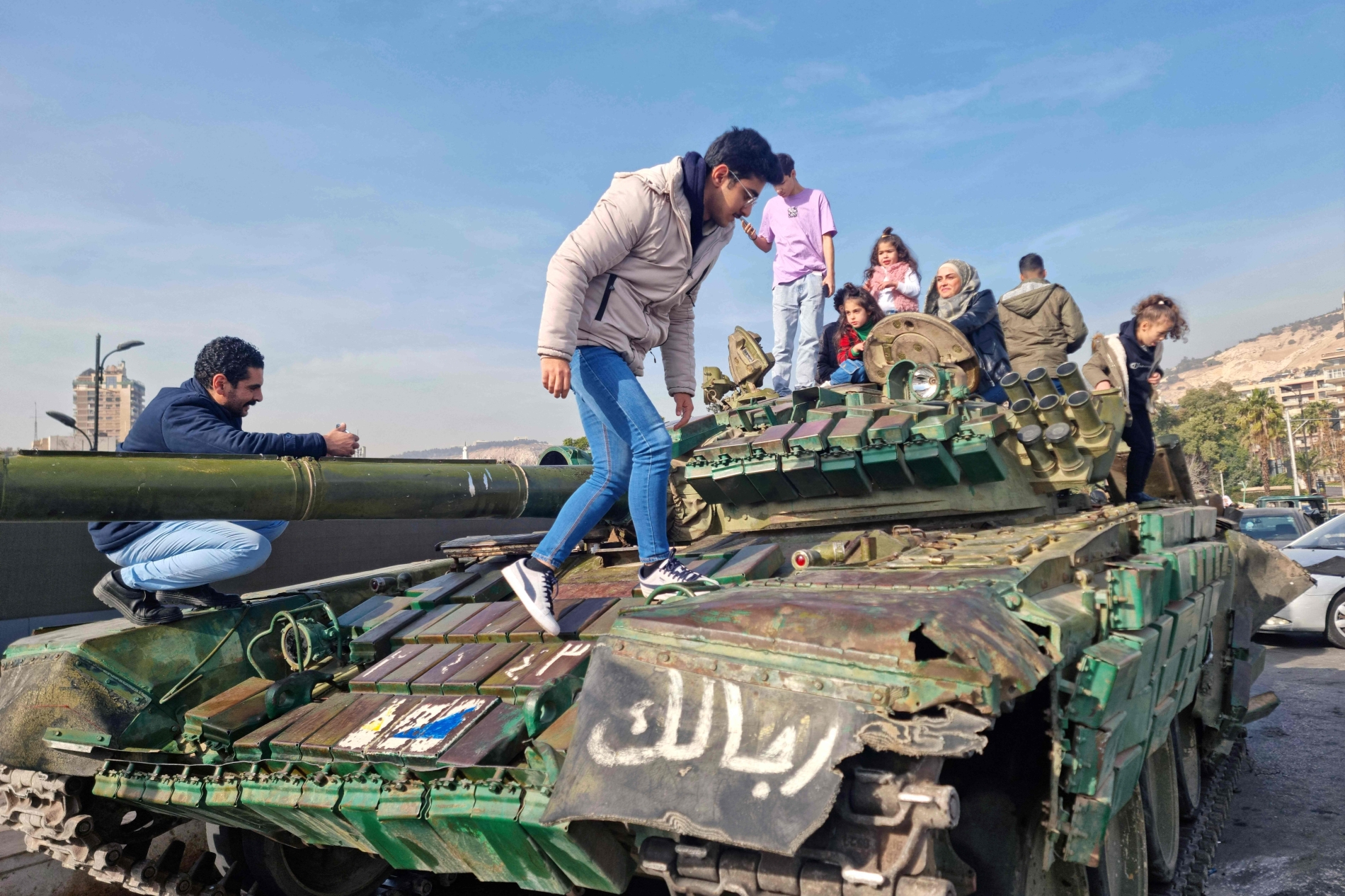
People visit an army tank belonging to the toppled Syrian government, in Damascus, on 10 December 2024.

From surrender to uncertainty

After the regime’s collapse, the new authorities launched a nationwide process known as taswiya, or settlement. Former security personnel were asked to surrender their weapons and military documents to regularise their status.

The process was not entirely new. The Assad regime had used versions of taswiya during the war as part of reconciliation arrangements with former opposition fighters. After the regime’s collapse, the mechanism was repurposed to move former regime personnel out of armed structures and back into civilian life.

At its core, taswiya required individuals to submit basic personal information to the authorities. Those who complied received temporary settlement papers, commonly known as taswiya cards. These documents carried the same identifying details as civilian IDs and were intended as a short-term substitute until formal documents could be issued.
For many, the taswiya card is no longer seen as a bridge back to civilian life, but as a marker of suspicion, with some describing it as a "death card".

The need was immediate. Under the Assad system, soldiers and security personnel typically surrendered their civilian IDs when they entered service. When the regime collapsed, tens of thousands were left without formal identification.

The taswiya cards were supposed to bridge that gap. Instead, they have become a symbol of uncertainty. A process meant to facilitate reintegration has left many trapped in legal and administrative limbo.

More than a year into the transition, the shift from temporary taswiya papers to civilian IDs remains slow and uneven. In some areas, authorities have announced distribution efforts. In Latakia, for example, the governor said on 24 October that former soldiers who had completed the settlement process would be able to register for new IDs. In practice, however, the rollout appears to have stalled. Local sources say no meaningful number of IDs has been handed out.

Challenge multiplier

The consequences go far beyond inconvenience. Without proper documents, former personnel struggle to travel, find work, access services or complete basic legal and financial procedures. This uncertainty is especially consequential in areas where former regime personnel are concentrated, including coastal areas.

Omar HAJ KADOUR / AFP
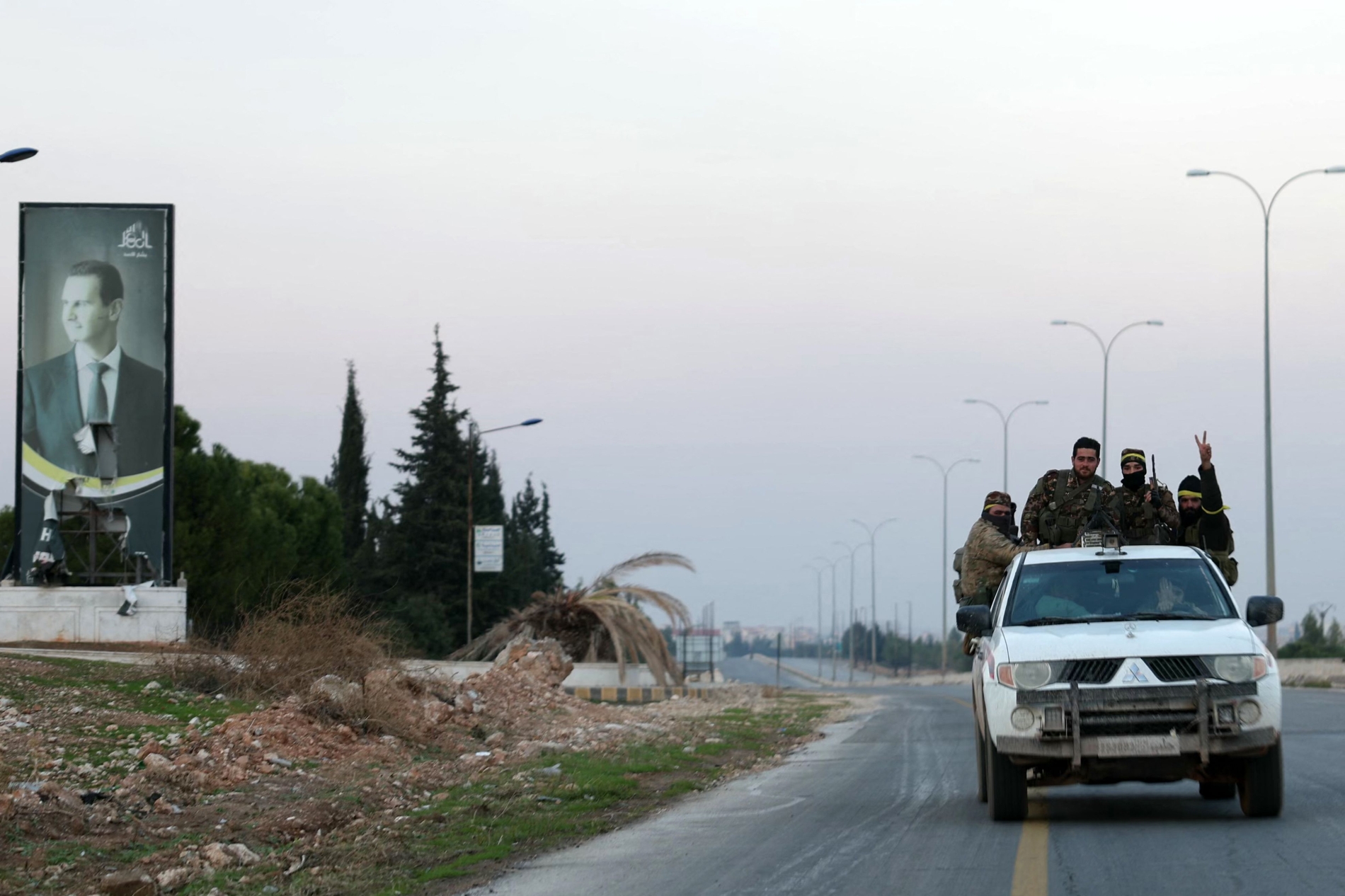
Anti-regime fighters drive past a picture of Syrian President Bashar al-Assad along the Damascus international highway in the newly captured northwestern area of Khan al-Assal on 29 November 2024.

Former soldiers cannot easily travel to nearby cities for work because doing so requires passing through checkpoints. Some use relatives' IDs to move around. Others avoid travel altogether. For families that once depended on military salaries, the loss of income, rising costs and limited local employment have turned a documentation problem into a livelihood crisis.

The ambiguity also feeds fear. Reports of arbitrary detention, inconsistent checkpoint practices and opaque enforcement have created an environment in which even routine encounters with authorities can feel risky.

When someone lacks legal status, their family's access to education, healthcare, and social services becomes more difficult.

'Death card'

For many, the taswiya card is no longer seen as a bridge back to civilian life, but as a marker of suspicion. Some residents have described it as a "death card," fearing that showing it at a checkpoint could lead to detention, abuse or worse. Whether these fears reflect widespread practice or isolated incidents, their effect is real: they restrict movement, deepen mistrust and keep thousands of men confined to their towns.

The impact extends beyond former personnel themselves. Families, including women and children, can also be affected when a household member lacks recognised legal status. Access to education, healthcare, social services and financial procedures may become more difficult. In this way, a policy aimed at a specific group can produce wider humanitarian and social consequences, deepening vulnerability among communities already damaged by years of conflict.

LOUAI BESHARA / AFP
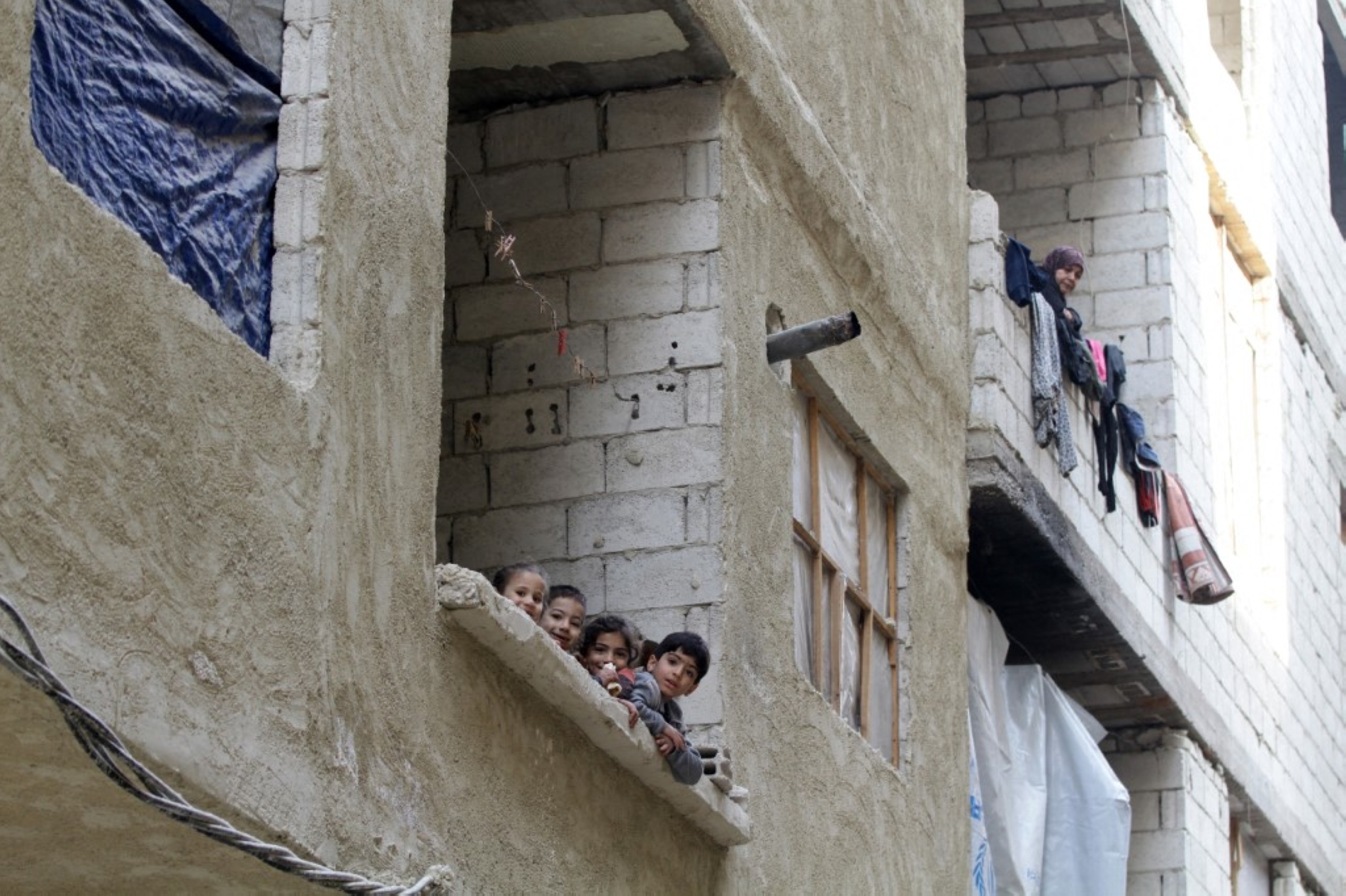
Syrian children look on from inside an unfinished building where they live with their families in the Daf al-Sakhr neighbourhood of Jaramana on the outskirts of the Syrian capital Damascus.

Lessons from history

History offers clear lessons. Post-conflict environments that fail to reintegrate former combatants often face recurring instability. Exclusion can push people toward informal economies, illicit networks or renewed mobilisation. It can also deepen feelings of humiliation and injustice, especially when people believe they are being punished not for specific actions, but for past affiliation alone.

Restoring civilian IDs to former personnel who pass vetting should not be treated as forgiveness or a political concession. It is a basic requirement of governance. Documentation brings people back into the legal order. It makes them identifiable, employable, accountable and able to deal with state institutions rather than avoid them.

This does not mean ignoring security risks or abandoning accountability. Some former Assad-era soldiers have committed serious abuses and should be investigated and, where evidence exists, prosecuted through transparent legal procedures. But broad administrative exclusion is not justice. Denying or delaying civilian IDs to large groups without distinction risks punishing conscripts, clerks and even deserters alongside those responsible for crimes.

A credible approach must separate legal accountability from civic inclusion. Those suspected of serious violations should face individual review. Those not under investigation should have a clear, time-bound path to civilian documentation and reintegration.

The current ambiguity is dangerous. It leaves former personnel unsure whether they are being vetted, punished, monitored or simply forgotten. Their families do not know whether arrests are based on evidence or identity. In Alawite-majority areas, where many men served in the former military and security apparatus, this uncertainty has become a major source of sectarian tension and distrust.

HAIDAR MUSTAFA / AFP
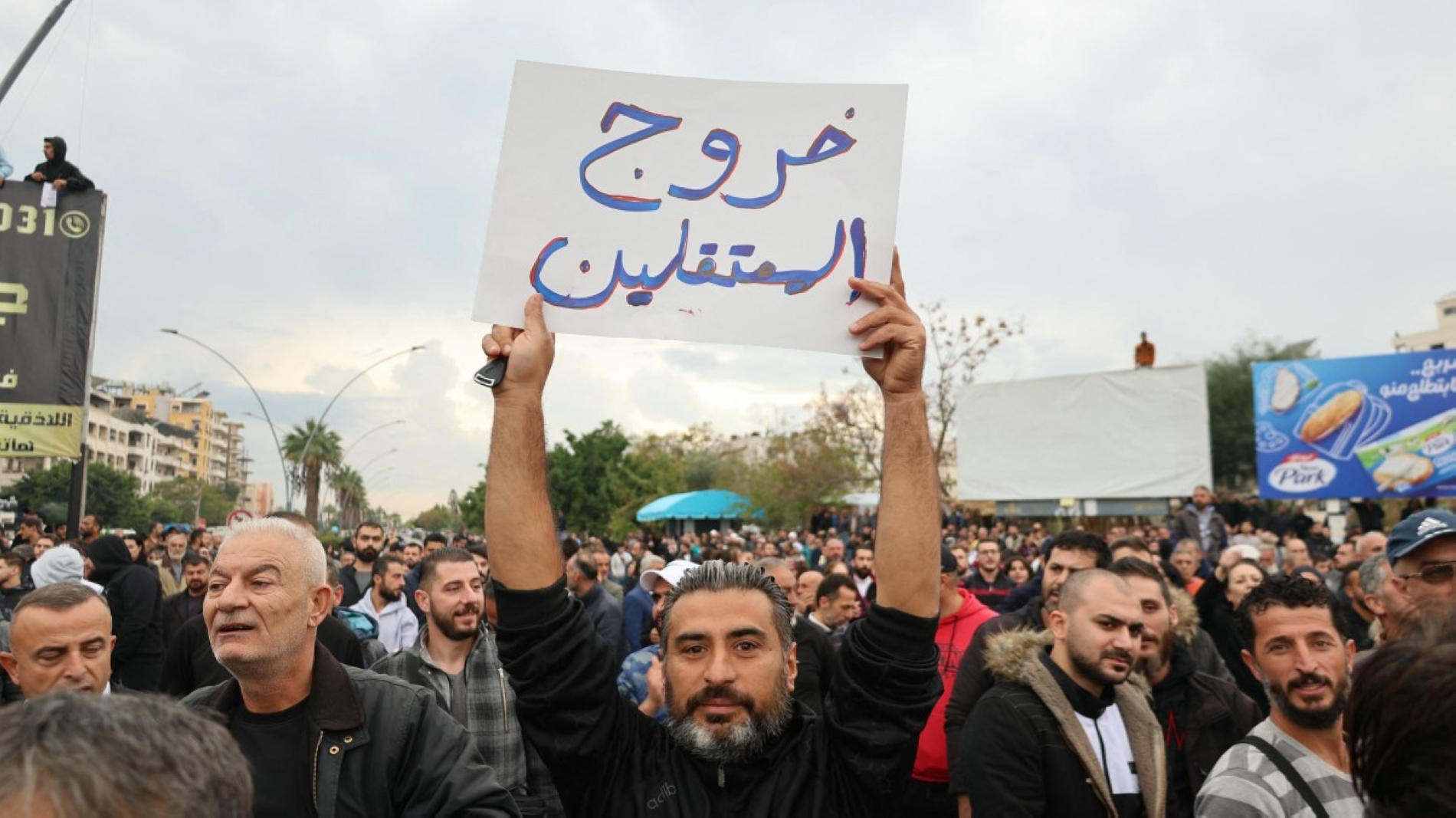
A man holds up a sign in Arabic reading "Release of the detained" as people take part in a protest in the coastal city of Latakia in Syria's Alawite heartland on 25 November 2025.

Heightened security risks

That tension carries security risks. When men cannot work, travel or regularise their status, they become more vulnerable to informal economies, criminal networks and armed recruitment.

Syria cannot afford another pool of alienated, unemployed and legally marginalised men. The country needs reconstruction, services and security. But it also needs clear rules and institutions that people can understand and trust.

The unresolved status of former regime personnel goes to the heart of the transition: how to move from conflict to a functioning civic order. The taswiya process was an important first step, but it cannot remain unfinished. Without a credible path to legal recognition, it risks hardening exclusion rather than enabling reintegration.

A new Syria cannot be built on provisional citizenship. Nor can stability rest on keeping large numbers of people outside the legal order. Bringing former personnel back into the system does not mean absolving them. It means making them visible, accountable and subject to the law.

What happens next will matter. If the current ambiguity persists, it will continue to fuel mistrust and instability. If it is addressed with clear rules, transparency and due process, it could instead become a foundation for rebuilding the relationship between citizens and the state. That choice will shape not only the fate of those affected, but the trajectory of Syria's transition as a whole.

font change