
For a commodity essential to everything from pharmaceuticals to agriculture and mining, sulfur rarely makes headlines. But the Iran war is showing why the world should pay closer attention.
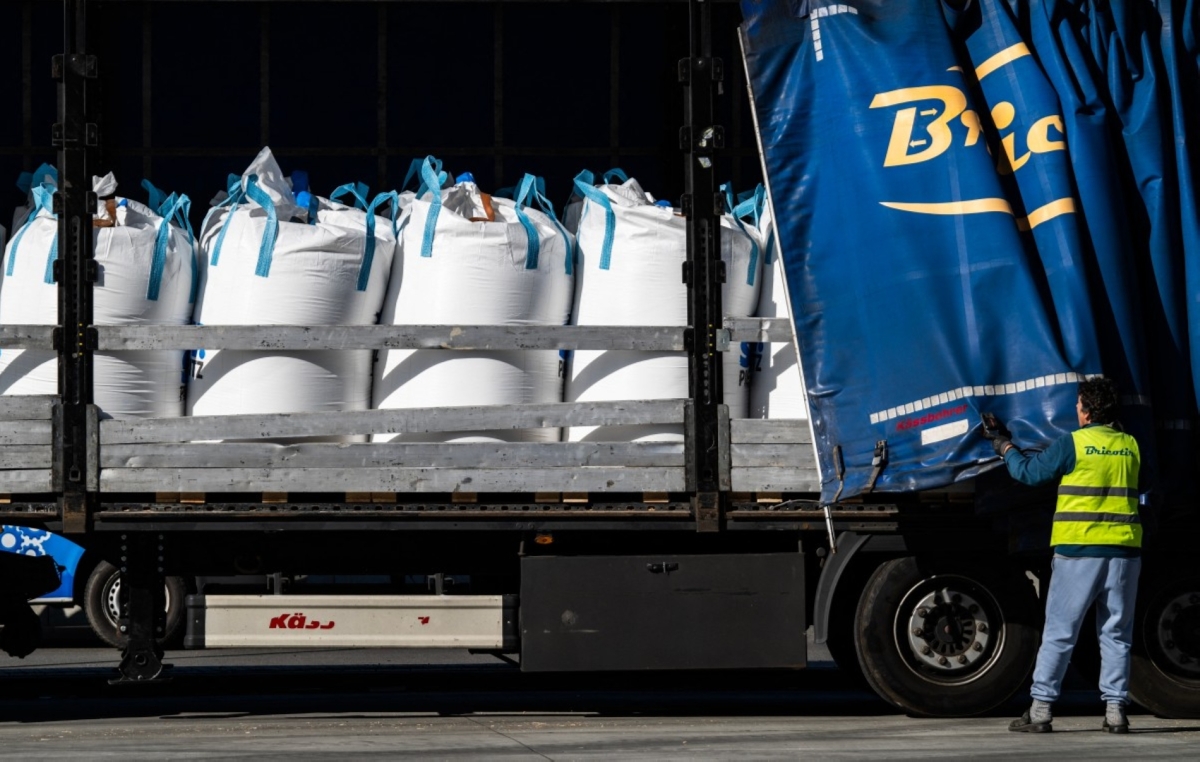
That’s because, by throttling global energy markets, the widening conflict is also wreaking havoc on global sulfur trade, which today is largely produced as a byproduct of the oil and gas sectors. Once converted into sulfuric acid—known as the “king of chemicals”—it powers operations across the fertiliser, metals, and pharmaceutical sectors. Which means that any disruptions to the sulfur market reverberate far beyond it.
Given its dominance in energy production, the Middle East is also a sulfur powerhouse. The region accounts for about half of all global sulfur exports, with top destinations including China, India, Indonesia, and the United States, said Meena Chauhan, the head of sulfur and sulfuric acid research at Argus Media, which provides global energy and commodity market intelligence.
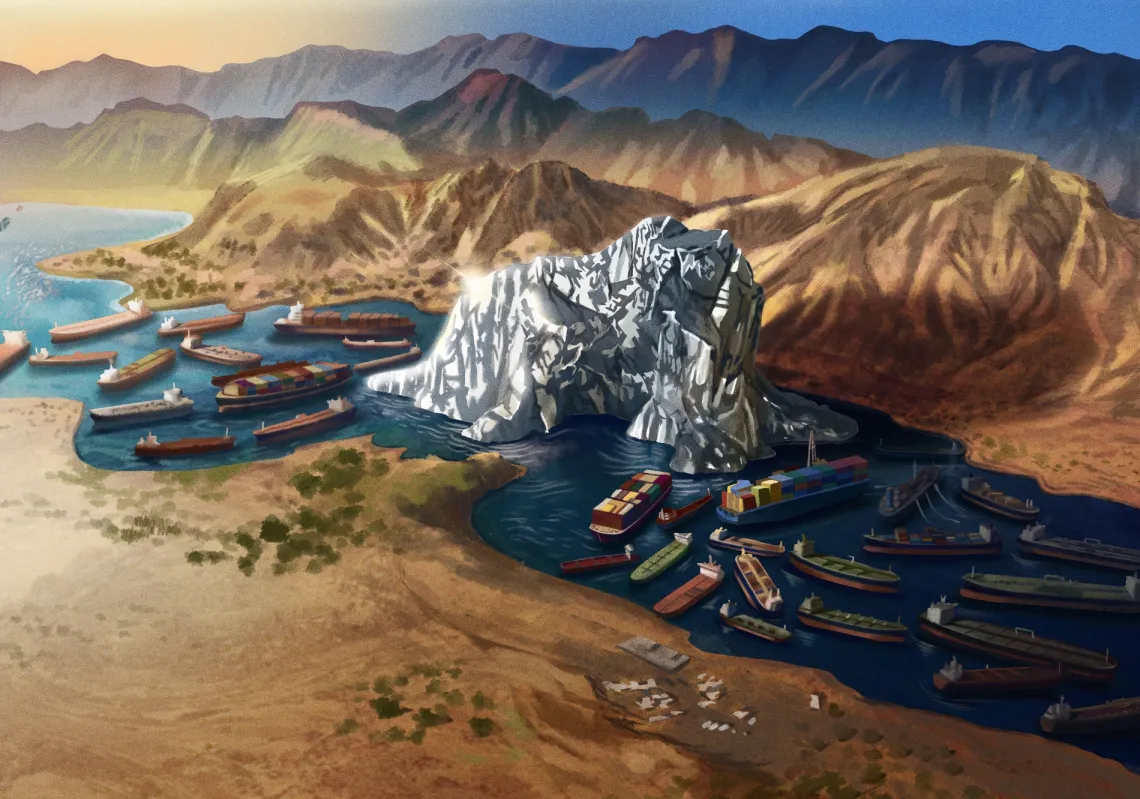
But the Iran war—as well as the resulting standstill at the Strait of Hormuz—has strangled those flows, scrambling supply chains worldwide.
“Now we’re in uncharted territory really, because of how important the Middle East is,” said Chauhan.
Part of the problem is that even before the Iran war began in February, the sulfur market was already quite tight. Prices had been nearing three- or four-year highs as a result of Russia’s invasion of Ukraine, as well as new demand from the fertiliser sector and Indonesia’s nickel industry, said James Willoughby, a research analyst at Wood Mackenzie, an energy research firm.
All of those pressures have only intensified with the Iran war. As the conflict has blunted energy production, sulfur prices have skyrocketed, indicative of just how intertwined both sectors are. The sector has now come under so much strain that countries are taking measures to insulate their own economies from the shock. Türkiye announced a ban on sulfur exports last week, and India is also mulling its own export restrictions, Reuters reported.
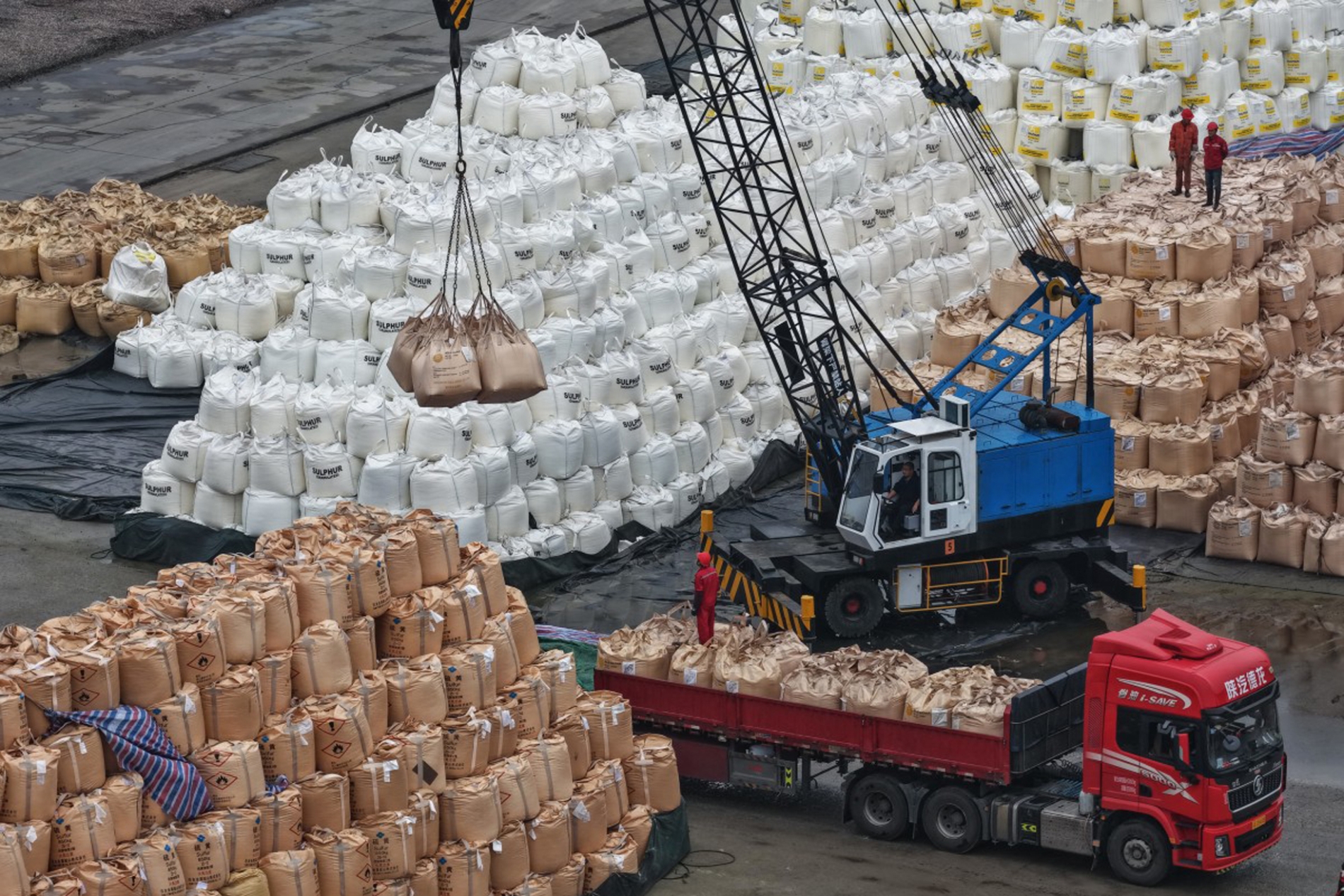
Starting in May, China is reportedly also planning to stop exporting sulfuric acid produced as a byproduct of copper and zinc smelting. China is the leading global sulfur importer as well as a major sulfur producer, with Chinese production last year accounting for about 16% of the global market—although all of those volumes are consumed domestically, said Chauhan.
At the same time, China is also the world’s biggest single exporter of sulfuric acid, with those exports last year accounting for 20% of the global sulfuric acid trade, Chauhan said. Top destinations include Chile, which relies on sulfuric acid in its copper sector; Indonesia, which has a booming nickel industry; and Morocco and Saudi Arabia, which use sulfuric acid for processed phosphates, she said.