
Oil markets got bearishly excited after the announcement late Tuesday of a ceasefire deal between the United States and Iran. Crude oil prices plummeted by teen-percentage-point amounts in New York and London, turning $110-$115 per-barrel oil into $90-something barrels in a flash.
But that exuberance is misplaced. Even if the tenuous ceasefire were to hold—something that is very uncertain given the continued firing all across the region, as well as the widely divergent understandings in Washington and Tehran as to what the two sides may be talking about—it will take months for energy markets to regain normalcy. That’s especially true for the refined petroleum products people actually use, but even more so for other energy products, such as liquefied natural gas (LNG), which won’t be back in shape for years.
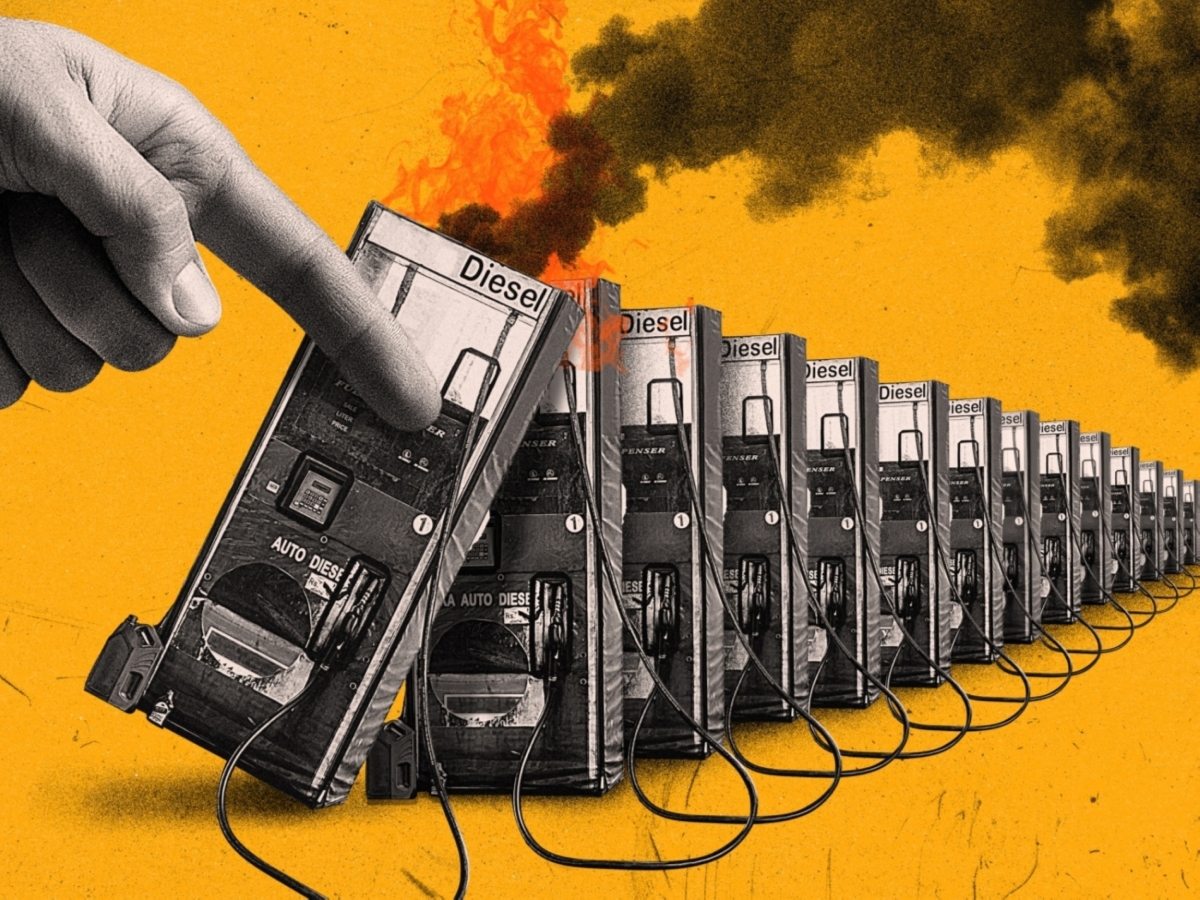
The simple fact is that all of the production and refining and exports of crude oil, refined products, fertiliser precursors, and petrochemicals that were lost in March and April are gone forever. That means that prices for those things—including diesel (which powers trucks and tractors), jet fuel (used to move tourists and air cargo around the world), and fertiliser (a critical input for food)—will stay elevated well into the second half of this year. And that’s if Tuesday’s shaky peace foundations don’t collapse altogether.
“Our base case is that energy flows start resuming by the end of April, and yesterday doesn’t change anything. It’s not even clear what has been agreed. In any event, two weeks is not going to be enough to lead to a full resumption of flows through the Strait of Hormuz, said Natalia Losada, a specialist in refined products at Energy Aspects, a London-based energy consultancy.
“All that supply that was lost is not ever going to be produced, and so whether you are in Asia or in Europe, you are still going to be drawing down inventories, and then need to refill them,” she said. “And as long as inventories are low, markets are going to be vulnerable.”
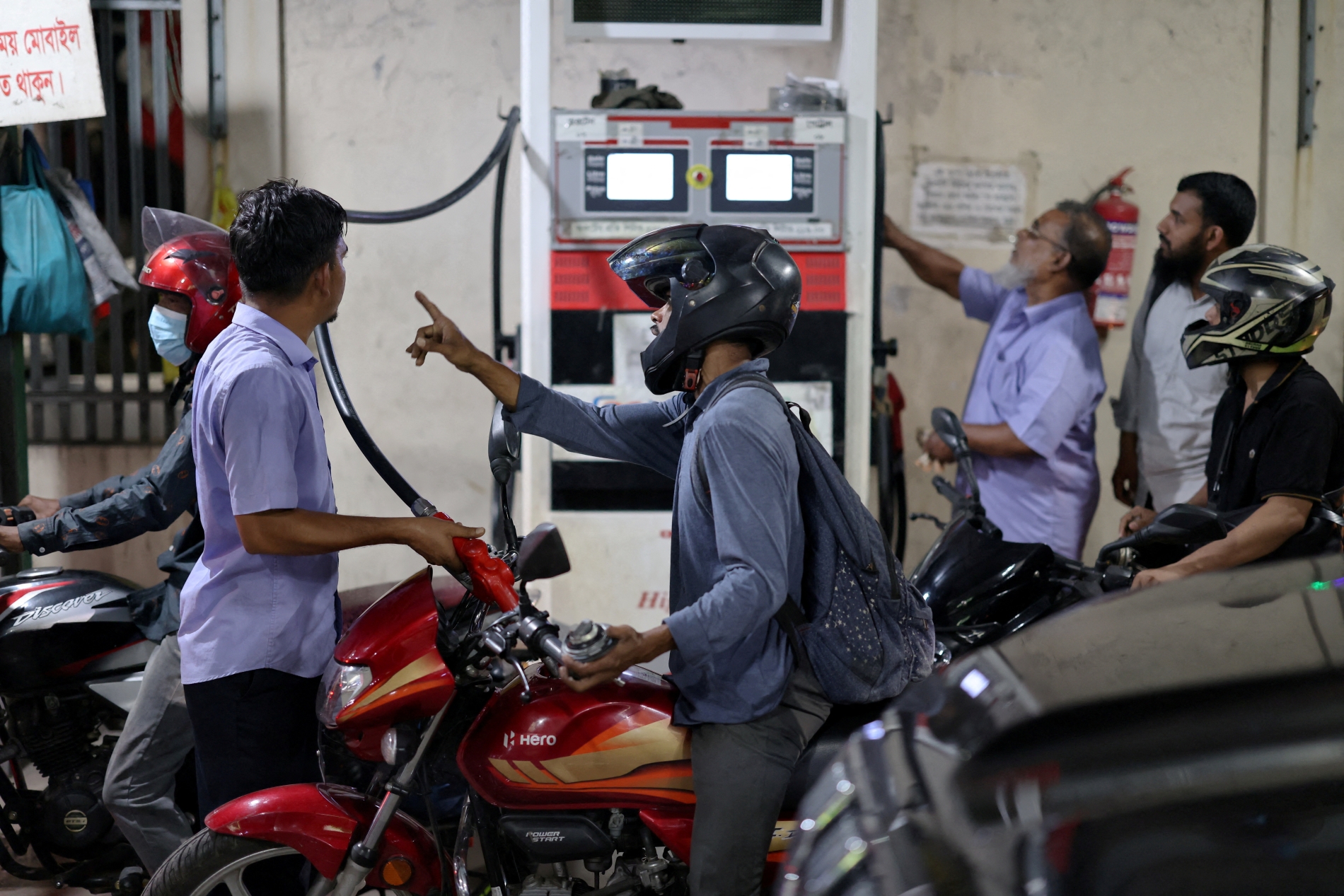
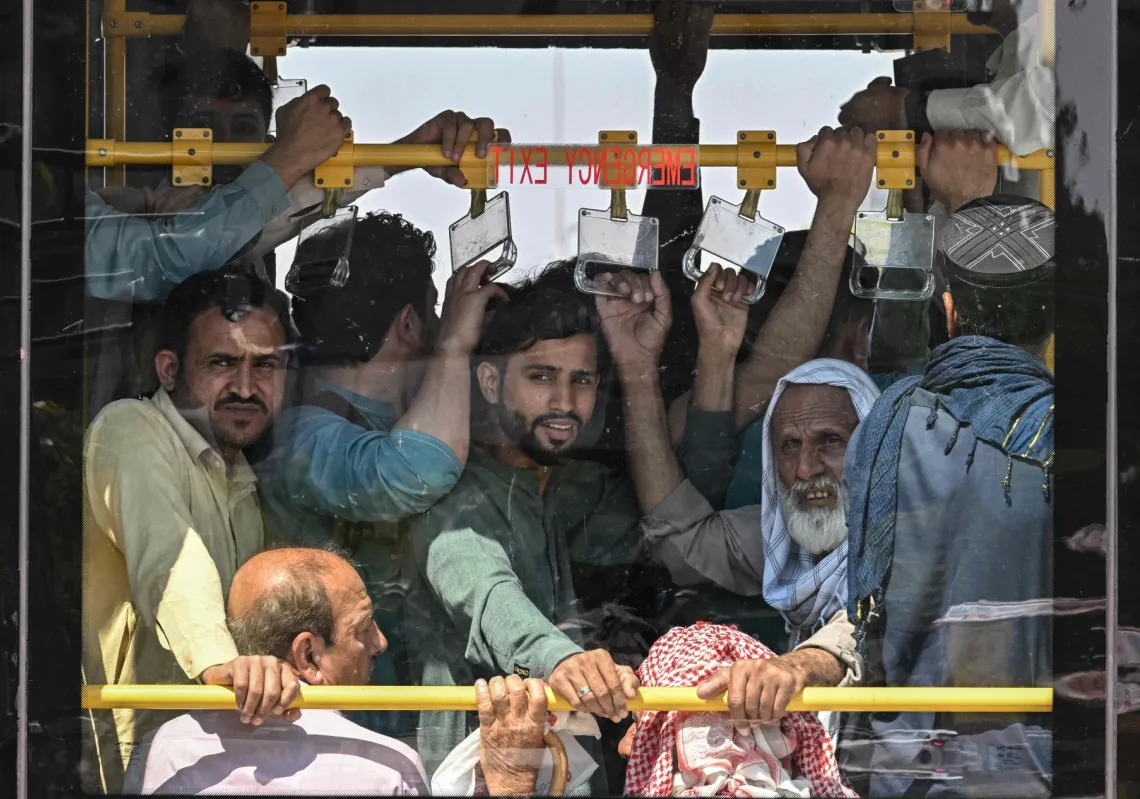
It’s not just pedestrian things such as the cost of motor fuel or the fuel surcharges that airlines are pocketing. There are human costs to the (ongoing) energy crisis as well. All across Asia, from India and Pakistan to South Korea, the energy shock has led to everything from school closures to curtailed workweeks. Food will remain expensive for vulnerable populations, both in some Asian countries and in Egypt and Türkiye, said Eurasia Group.
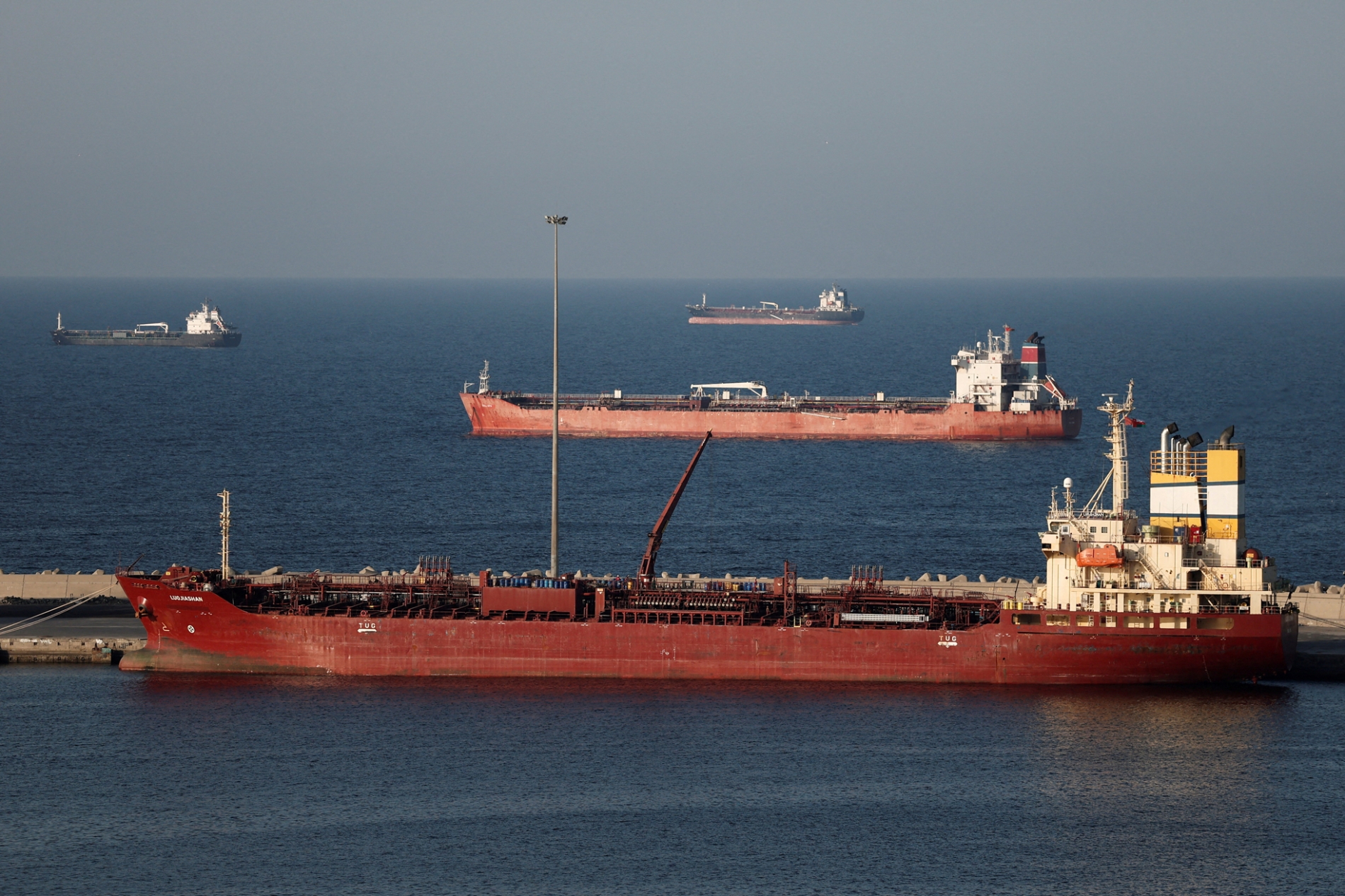
The longer that commodity flows are constrained through the vital chokepoint of the Strait of Hormuz, the worse and longer those impacts will be. And that is precisely the problem: The Strait of Hormuz remains, for all intents and purposes, closed.
It is not clear yet exactly what the United States and Iran have in mind for the future of the world’s most important U-pipe. Iran believes it will continue to administer the waterway, nominally an international strait regulated by the UN Convention on the Law of the Sea, as a private tollbooth. (The latest plan seems to involve toll payments in cryptocurrency.)
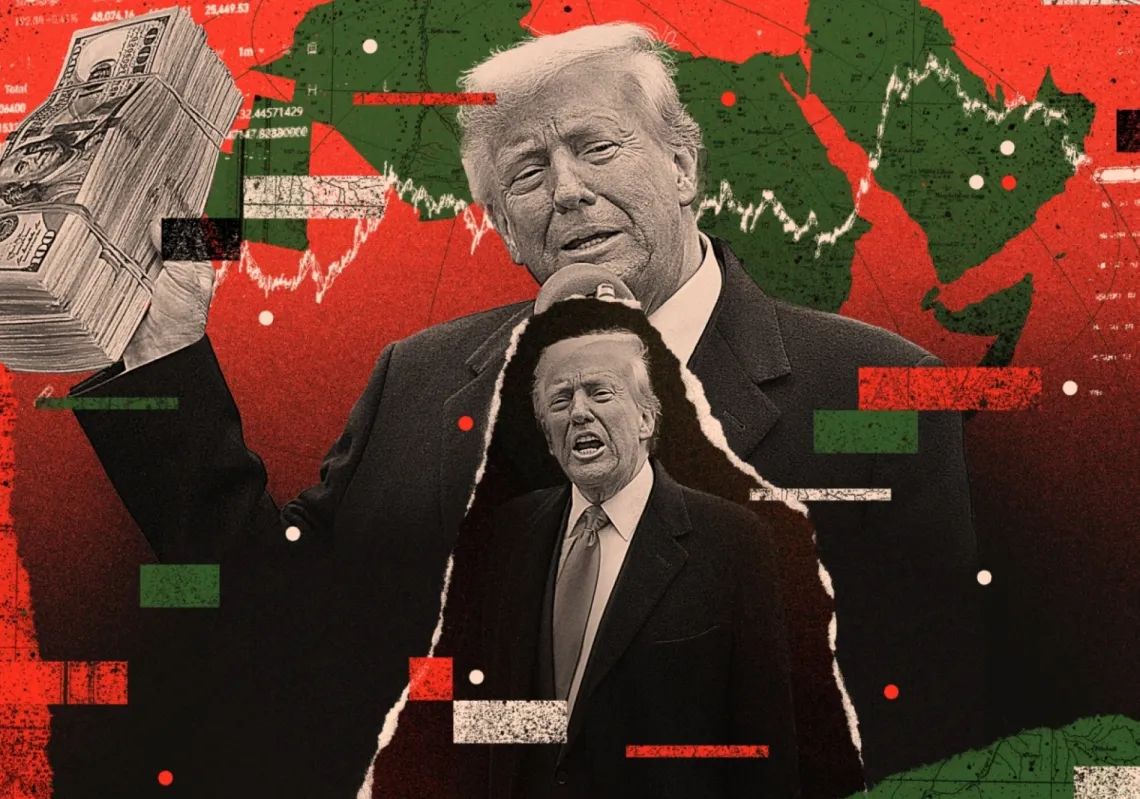
US President Donald Trump on Wednesday floated the idea of the United States entering into a joint venture with Iran to operate the Strait, but later said he plans to conduct his own blockade on ships destined to or coming from Iran. For its part, Iran said it won’t open the gates at all unless Israel stops attacking Lebanon, a condition that Iran and Pakistan say was and that the United States and Israel say was not a part of the ceasefire agreement.
“Iran’s statements are very clear that it expects to retain significant control over Hormuz vessel traffic after the conflict ends,” said Richard Bronze, an analyst of energy geopolitics, also at Energy Aspects in London.
“Diplomats will try to adjust this into something more palatable, such as an international consortium to manage the strait, but there seems to be no going back to the old reality of free passage through the strait with only rhetorical threats from Iranian hard-liners,” he said.
That’s not counting what appeared to be a breach of the ceasefire on Wednesday, when Saudi Arabia’s backup plan, the east-west pipeline, reportedly got hit by drones. That pipeline routes oil away from the Strait of Hormuz to export terminals on the Red Sea, which so far has been less threatened than the Arabian Gulf.
Beyond the physical damage and shutdowns at some Gulf refineries, there’s less crude oil being exported that extant refiners could process. The upshot is a shortage of consumer products, including gasoline, but especially diesel and jet fuel. Asia has felt the pinch since nearly the start of the war; Europe drew down its savings, but is about to feel the hurt—even if the ceasefire holds.
The Oxford Institute for Energy Studies detailed this week all the ways in which diminished European refining capacity, combined with reduced imports of refined products from the Middle East and elsewhere, spell trouble for a continent already downcast about economic growth.
“Looking at Europe, we are at a pain point,” said Losada. No matter what happens with the purported ceasefire, European countries will be forced to continue drawing down commercial inventories of products to fill the gap left by the non-arriving tankers. “All that is going to need to be refilled, and if anything, that means more demand,” and sustained high prices in the second half of the year, she said.
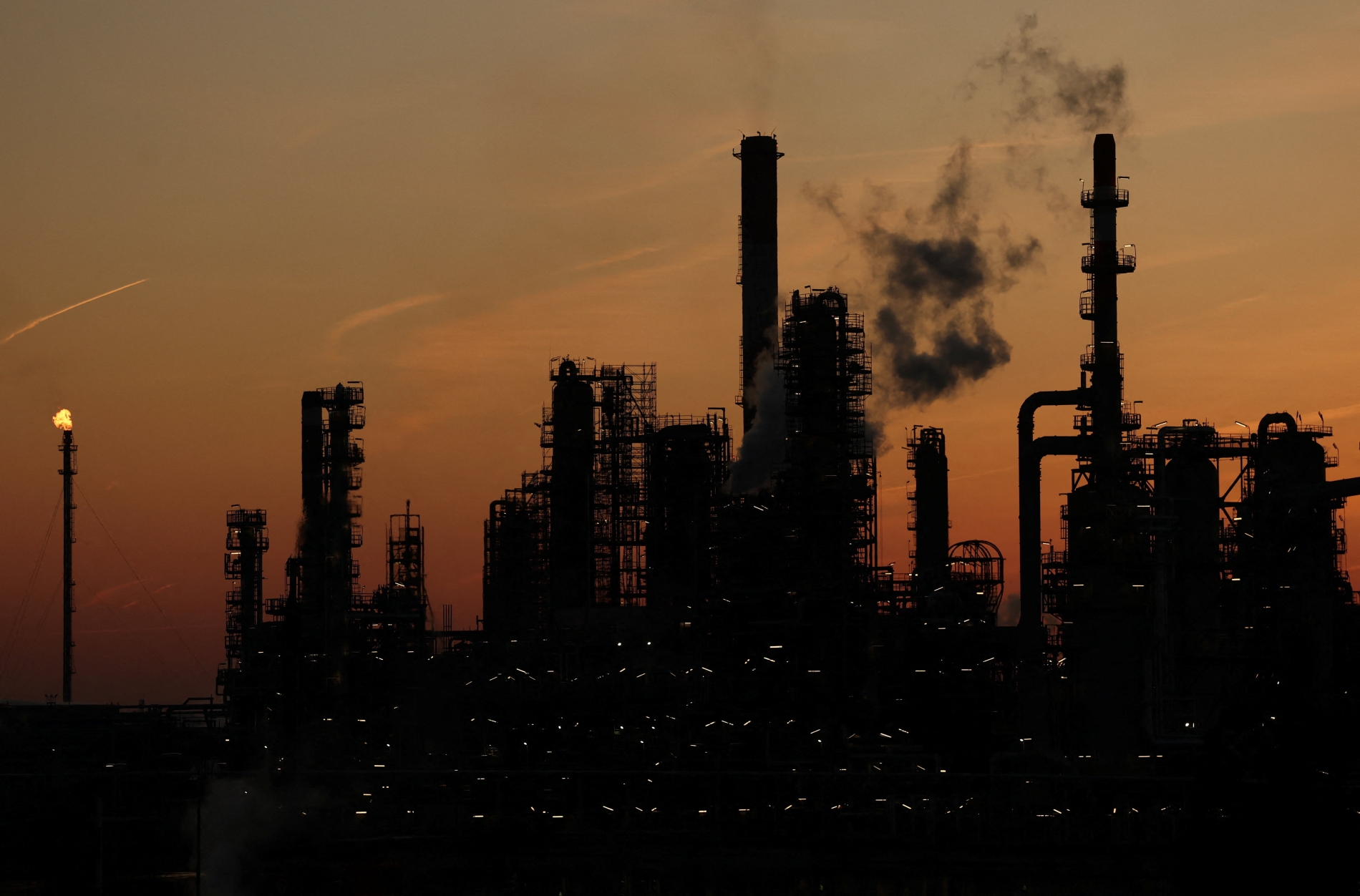
And then there is the actual producing-oil part of the business, which will not snap back any time soon. Gulf oil producers, starting with Iraq, began shutting down oil production very early in the war because if you can’t move the product, you cannot keep making more of it.
Different countries in the region shut down to varying degrees, but the important thing is that restarting production can take several weeks, if not months, as Wood Mackenzie, the big oil and gas consultancy, noted in a report on Wednesday. The time frame to return to prior production levels in Iraq is 6 to 9 months; other producers, such as Kuwait, may vary, but the unwinding will be long.