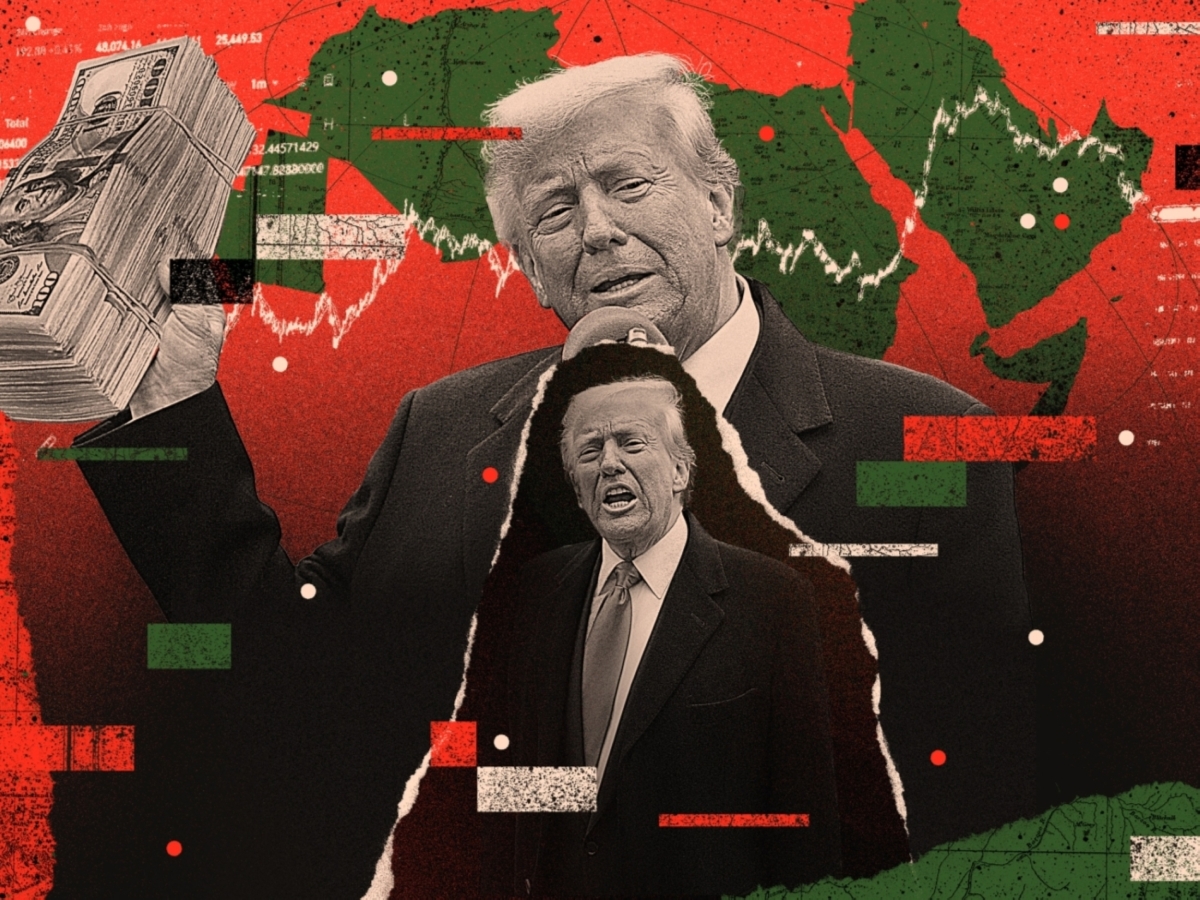

Donald Trump likes to project an aura of absolute power. The US president has said he faces no real restraint other than his own “morality”—neither international law nor the views of other nations—as he freely deploys the US military and threatens to reorder trade and nations around the world.
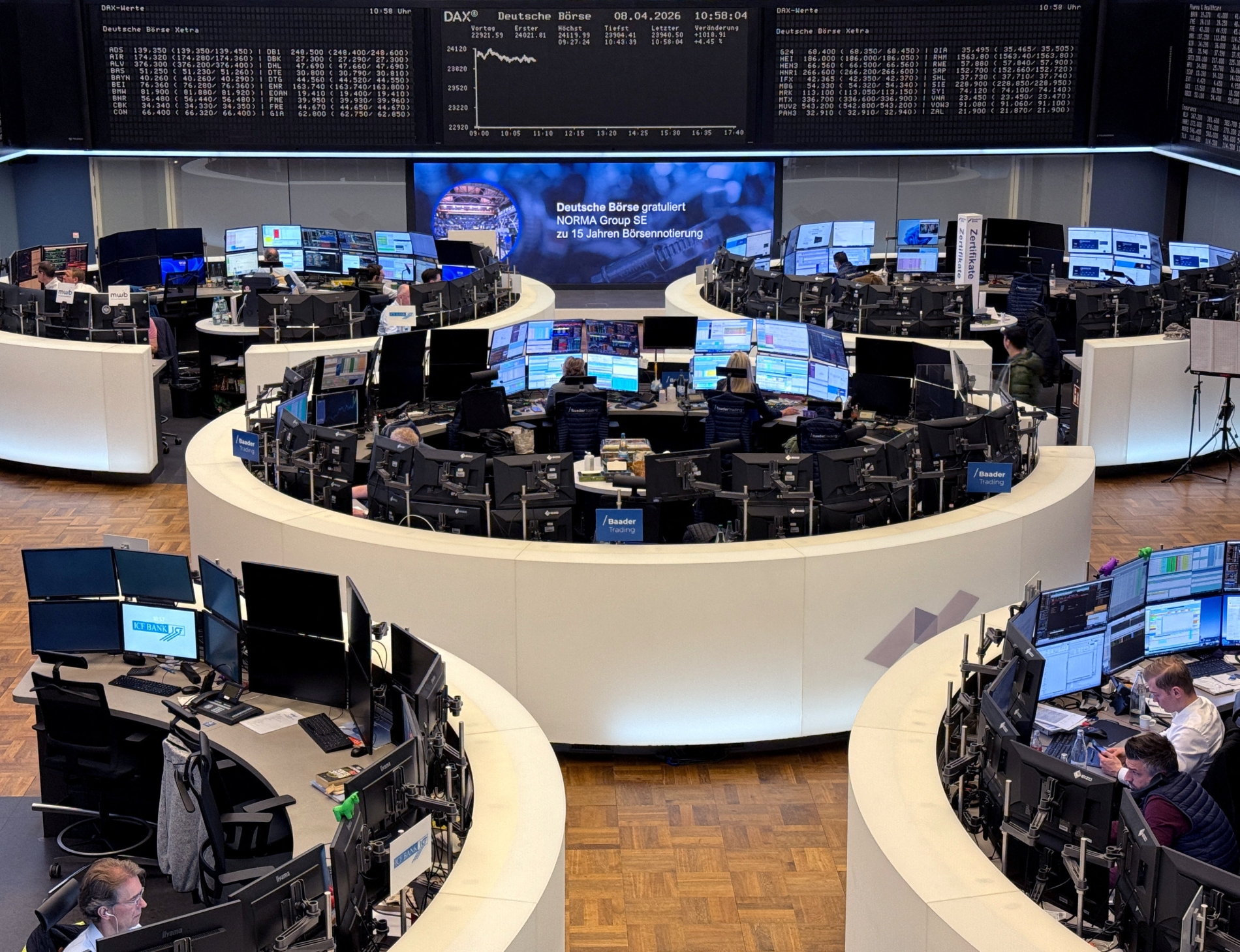
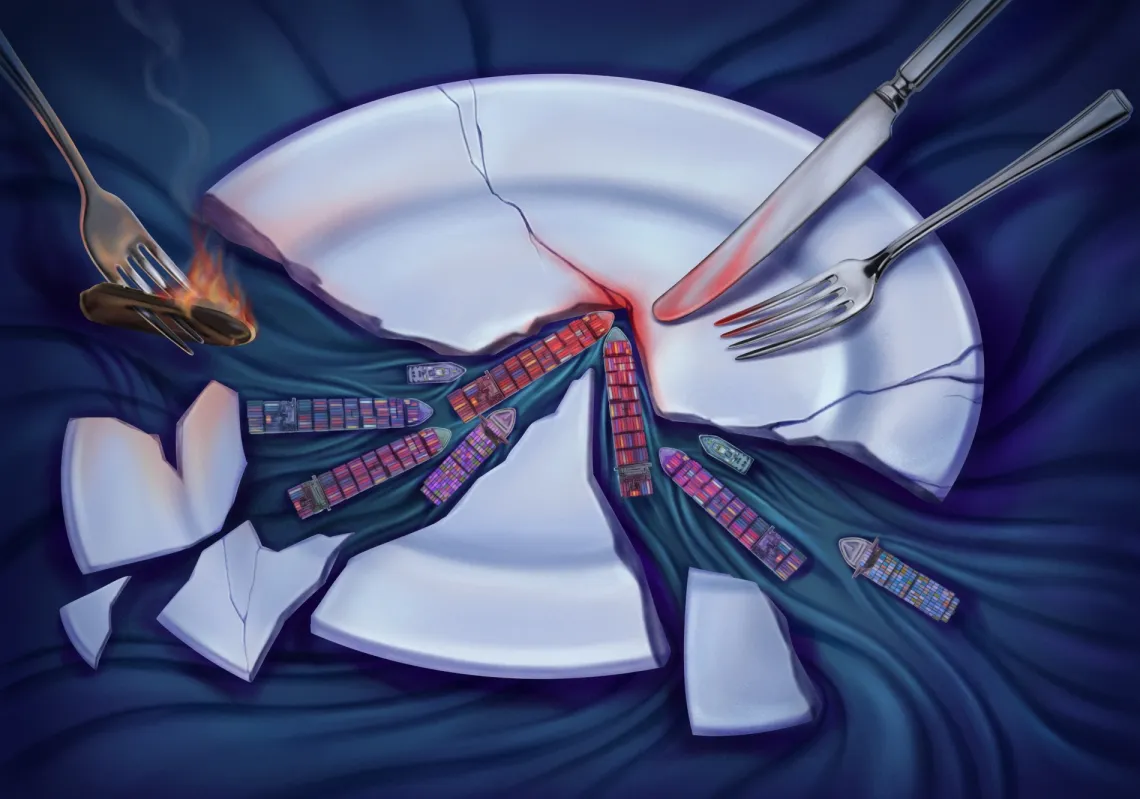
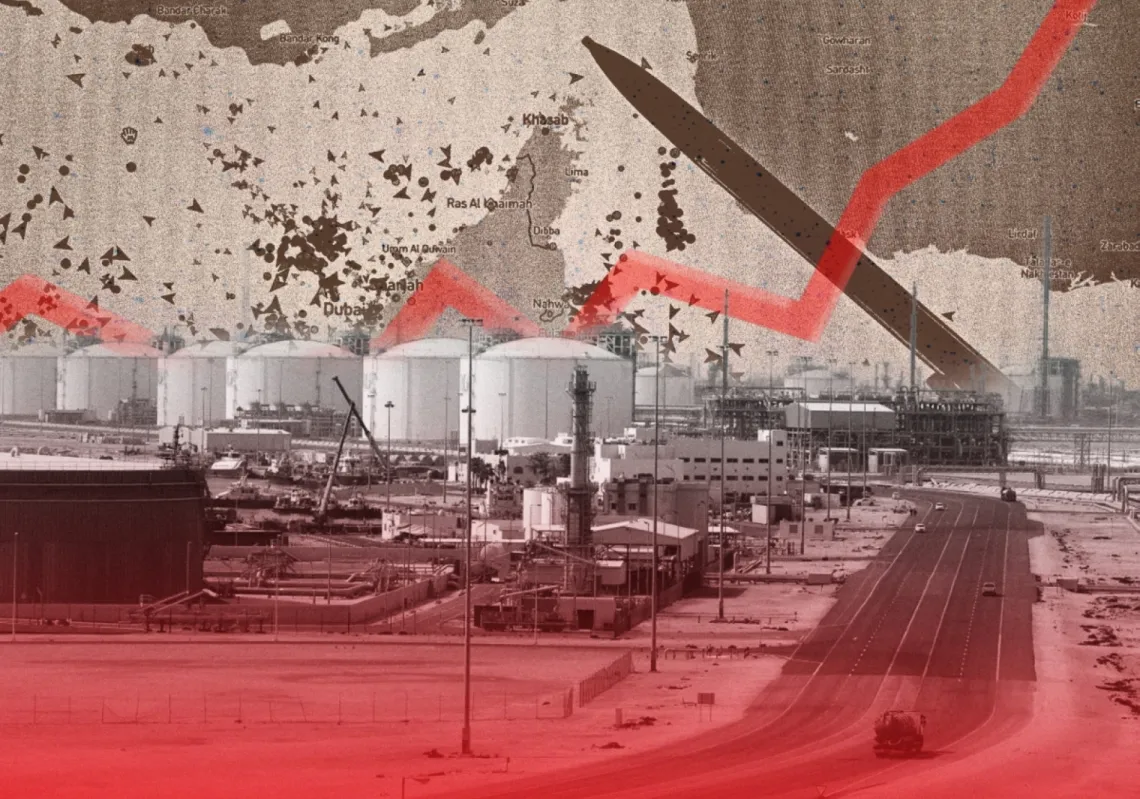
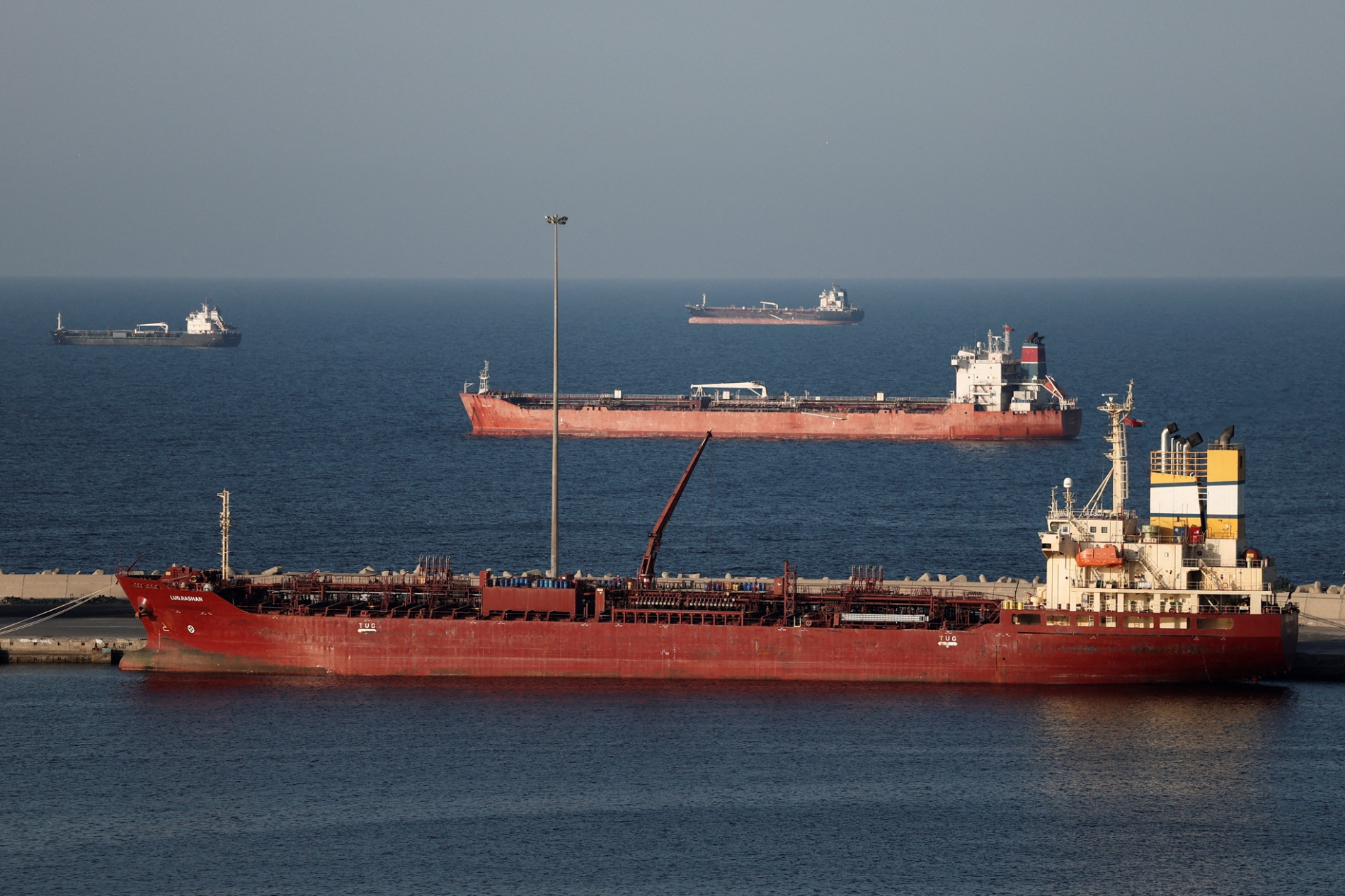
But we have enough data points by now—after more than a year of bellicose ultimatums and outright war—to know that Trump is quite frightened of one force beyond his control: the markets. Trump’s abrupt retreat on Tuesday from his bloodthirsty (and increasingly desperate) threats to destroy Iranian “civilisation” following Tehran’s oil-spiking shutdown of the Strait of Hormuz—and his apparent acceptance of terms that favour Iran—is only the latest proof of that.
Sudden market downturns, which Trump appears to take as a personal rejection, have been a constant theme of the so-called TACO trade (“Trump Always Chickens Out”). This goes back a little more than a year to his April 2025 announcement of worldwide tariffs; then to Trump’s aborted threat to invade Greenland, reiterated in January of this year; and now his stand-down from the war against Iran.
Trump has said that this will only be a 14-day cease-fire while he negotiates a bigger deal. And it was unclear whether the cease-fire would hold as Israeli Prime Minister Benjamin Netanyahu—who is believed to be unhappy about what he may consider a premature end to hostilities—continued his attacks on Lebanon. That has led to questions about whether Tehran would completely open the strait.
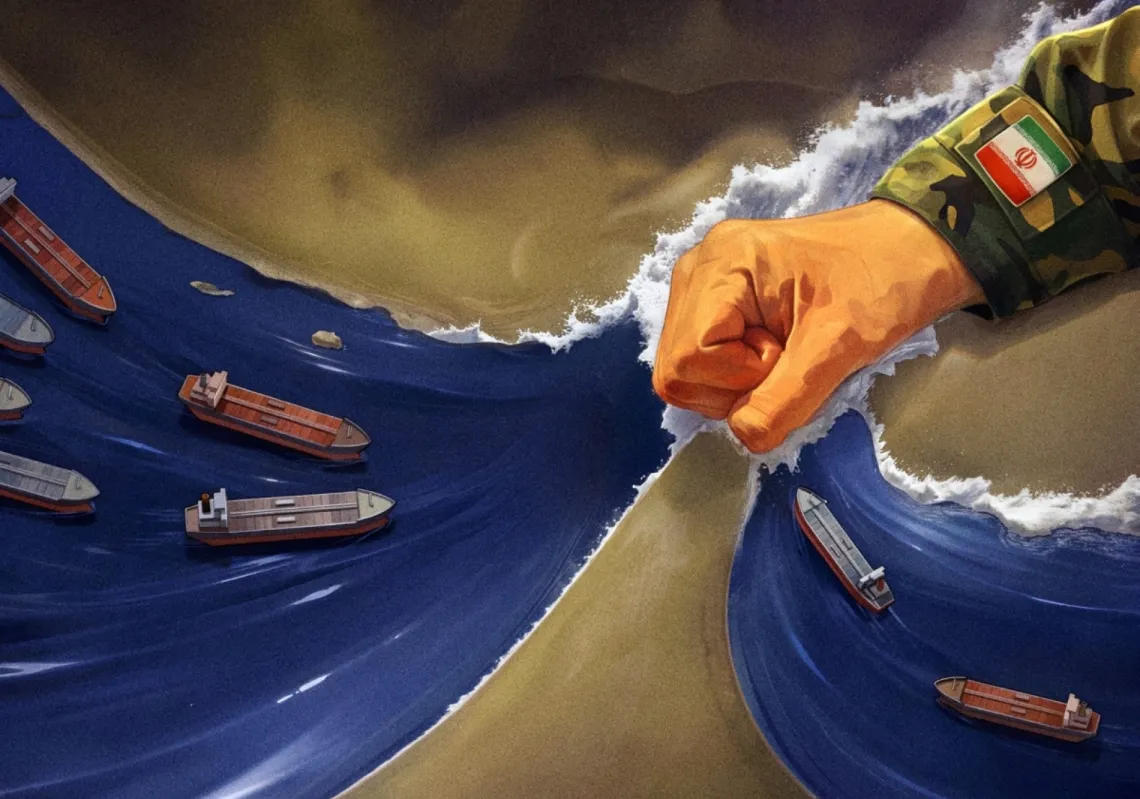
But make no mistake: After starting a 40-day war with no real provocation, Trump blinked more than Tehran did. The Iranian regime is intact—devastated, of course, but still controlling the Strait of Hormuz and now demanding payment for passage through it, which it didn’t do before—and Trump has plainly lost his taste for war (this one, at least). e
The president’s uber-truculent defence secretary, Pete Hegseth, made that clear at a news conference on Wednesday when he repeatedly referred to the war in the past tense, saying that “Operation Epic Fury was a historic and overwhelming victory.”
Trump even suggested on Truth Social on Wednesday, a day after threatening to wipe out Iran’s “civilisation,” that the Islamic Republic (the same regime, in other words) could now “start the reconstruction process.” Trump, Hegseth, and others in the administration are suggesting that they’re dealing with a new and better regime, but in fact, it appears to be just another Khamenei—Mojtaba, the son of the assassinated former Supreme Leader Ali Khamenei—who is now calling the shots, according to Axios.
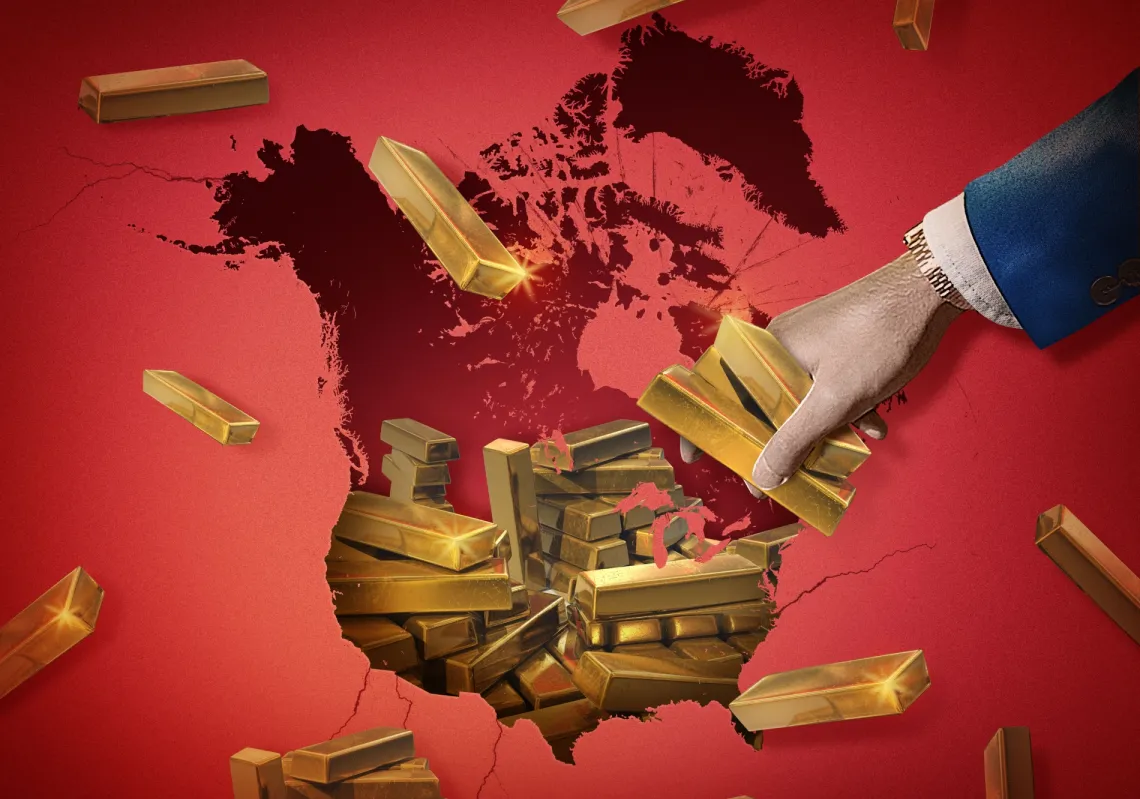
And there is a deeper meaning to TACO that is illuminated by the kind of person—and president—who Trump likes to describe himself as: He’s a businessman first and foremost. For Trump’s entire life, his self-worth has been bound up in financial wealth: creating it, flaunting it, bragging about it. In Trump’s earlier career, this involved an ongoing obsession with how many billions of dollars he was worth.
But a similar outlook dominates his presidency as well: Trump sees himself as the president who will restore American greatness through prosperity. He regularly refers to “his” Dow Jones and S&P 500 as barometers of his success at bringing the United States to a new golden age. He views inflation and high interest rates as a personal affront.