The second pattern produces the opposite effect. It offers swift moral reassurance. Figures from the past are summoned before the tribunal of present values, and history becomes a lucid theatre of accusation. Sympathy settles on characters who think with a contemporary mind while living in an earlier age. Judgements fall into place with ease; moral positions seem secure. The pleasure lies in this clarity. Yet such clarity creates a fracture in understanding. How does obedience take root? How does fear acquire its form? How does authority fashion a language that persuades people that cruelty is a necessity, and that survival demands concession?
History unfolds in its grey zones as well. A person may recognise the harshness of an order yet comply to survive, persist out of habit, or submit to a vocabulary authority presented as common sense. Within these ambiguities, the historical novel reveals the negotiations between conscience and necessity, between the longing to belong and the cost of resistance.
When the historical novel approaches literature in its most exacting sense, it moves towards a third path, rising above the twin temptations of justification and hasty condemnation. It undertakes a double inquiry, uniting understanding and accountability in a single, deliberate movement. It enters the logic of its age from within, then opens a window through which the reader observes the human consequences of that logic, seeing how outward forms change while underlying mechanisms endure. Such a novel guides the reader to judgment through understanding. One sees how events unfold, and judgment takes root quietly in the mind, deepened and steadied as comprehension enters the moral imagination itself.
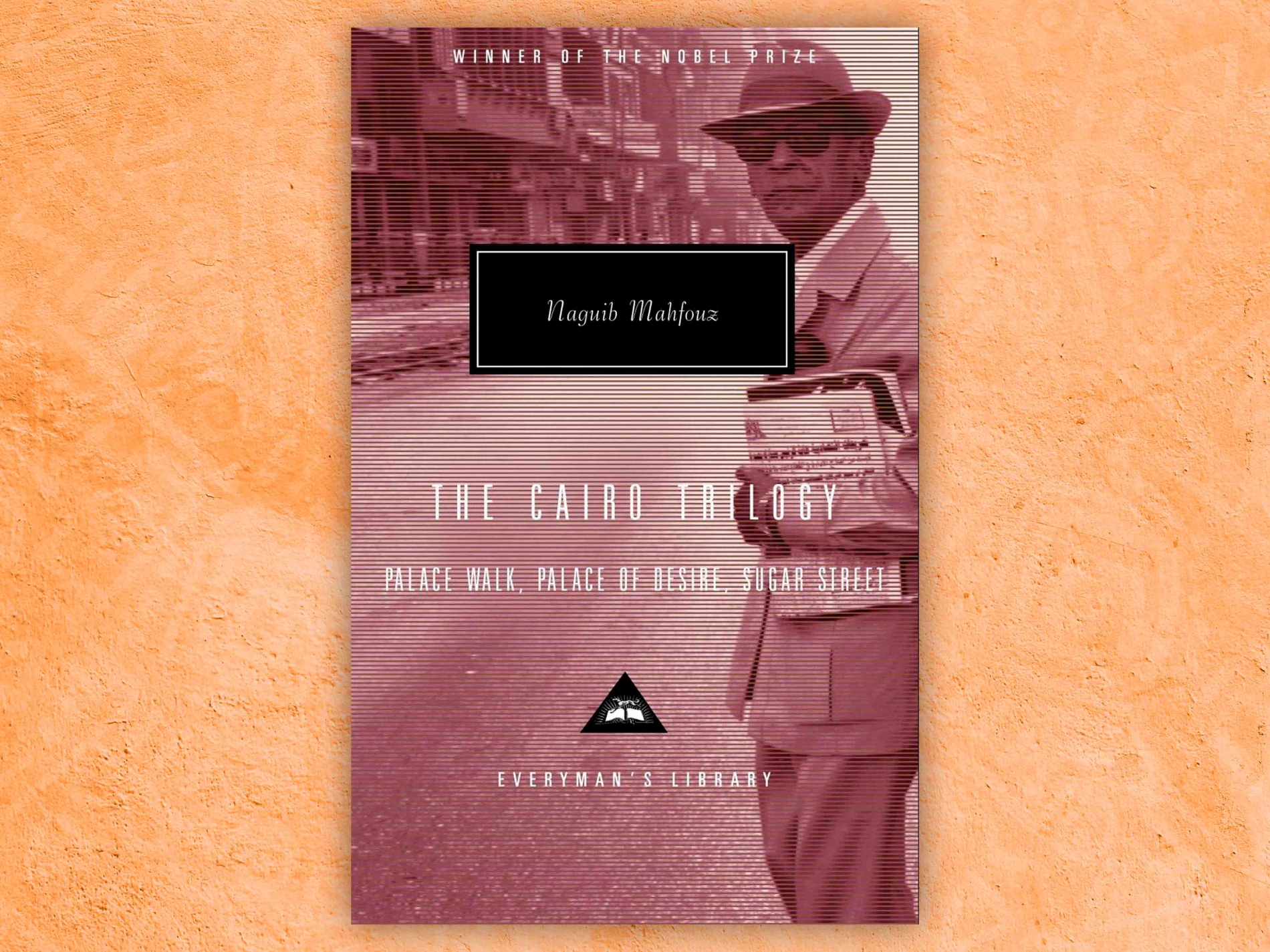
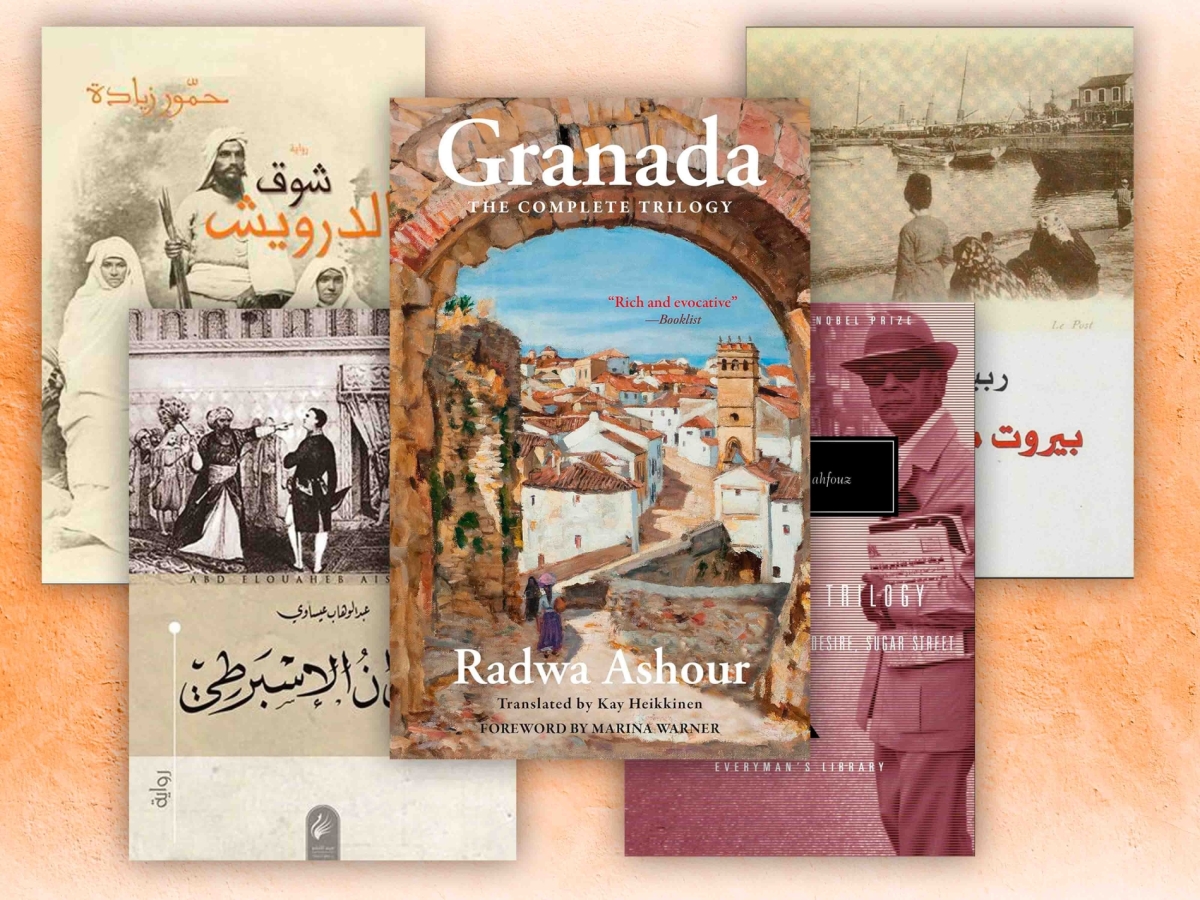
This third path emerges when history is recognised as something shaped in daily life as much as in proclamations and slogans. In this light, the Nobel Prize-winning Egyptian author Naguib Mahfouz's The Cairo Trilogy offers a revealing example, training the reader to see how politics seeps into the home, the street, and the intimacies of human relationships. The novel becomes a field for examining the mechanics of compliance. Habit gathers the force of justification, small fears harden into systems, and the language of the family acquires the cadence of society before taking on the accents of the state. Through such precision, the reader learns that judging the past demands caution, for it is peopled by complex individuals who negotiate with necessity and grow accustomed to that negotiation until the original concession fades from memory.
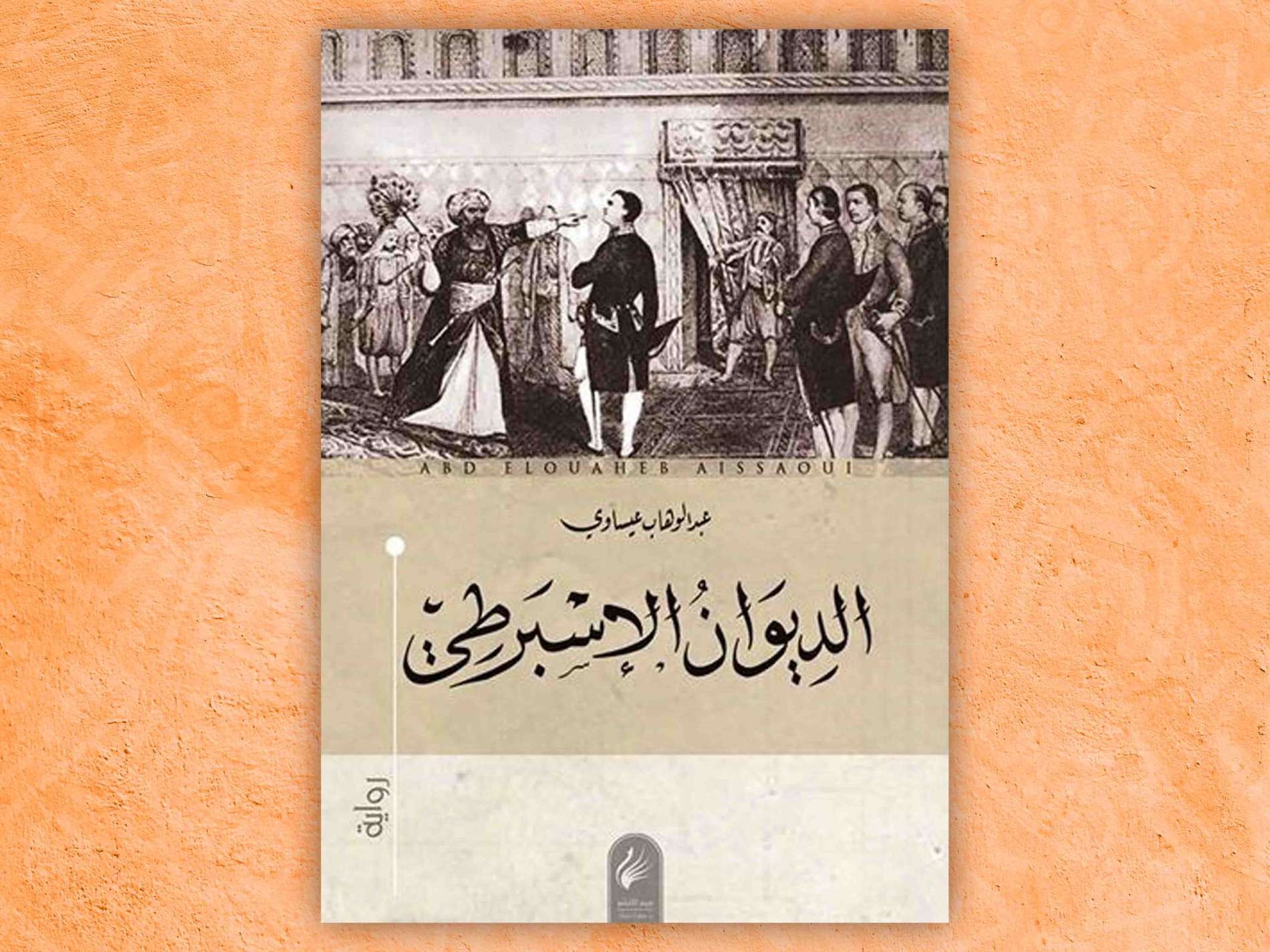
Mahfouz unveils history from within, through a social fabric rendered with breadth and patience. Other novels shift attention to the struggle over narrative itself: who has the authority to turn an account into accepted truth, and who possesses the power to name events and define their meaning? In this regard, Abdelwahab Aissaoui's The Spartan Court offers a compelling lesson in how history is shaped through parallel testimonies and witnesses who refuse to converge on a single version. The multiplicity of voices exposes the fragility of any authorised narrative once it falls under the guardianship of power, class, or triumphant memory. The reader acquires the discipline of productive doubt and leaves with a sharper awareness that judgment is shaped by those who speak, by those confined to the margins, and by the language that smooths contradiction into an appearance of coherence.
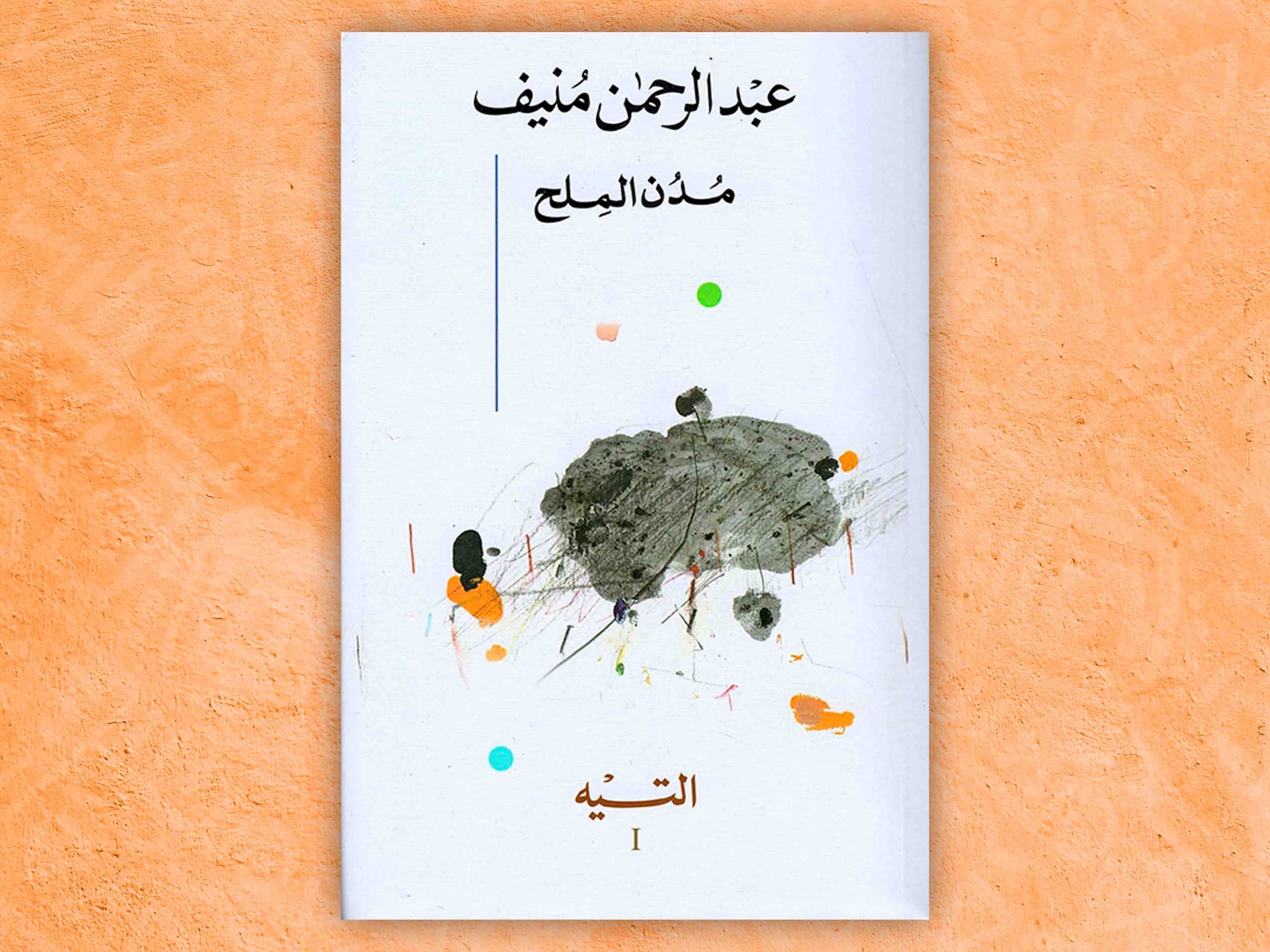
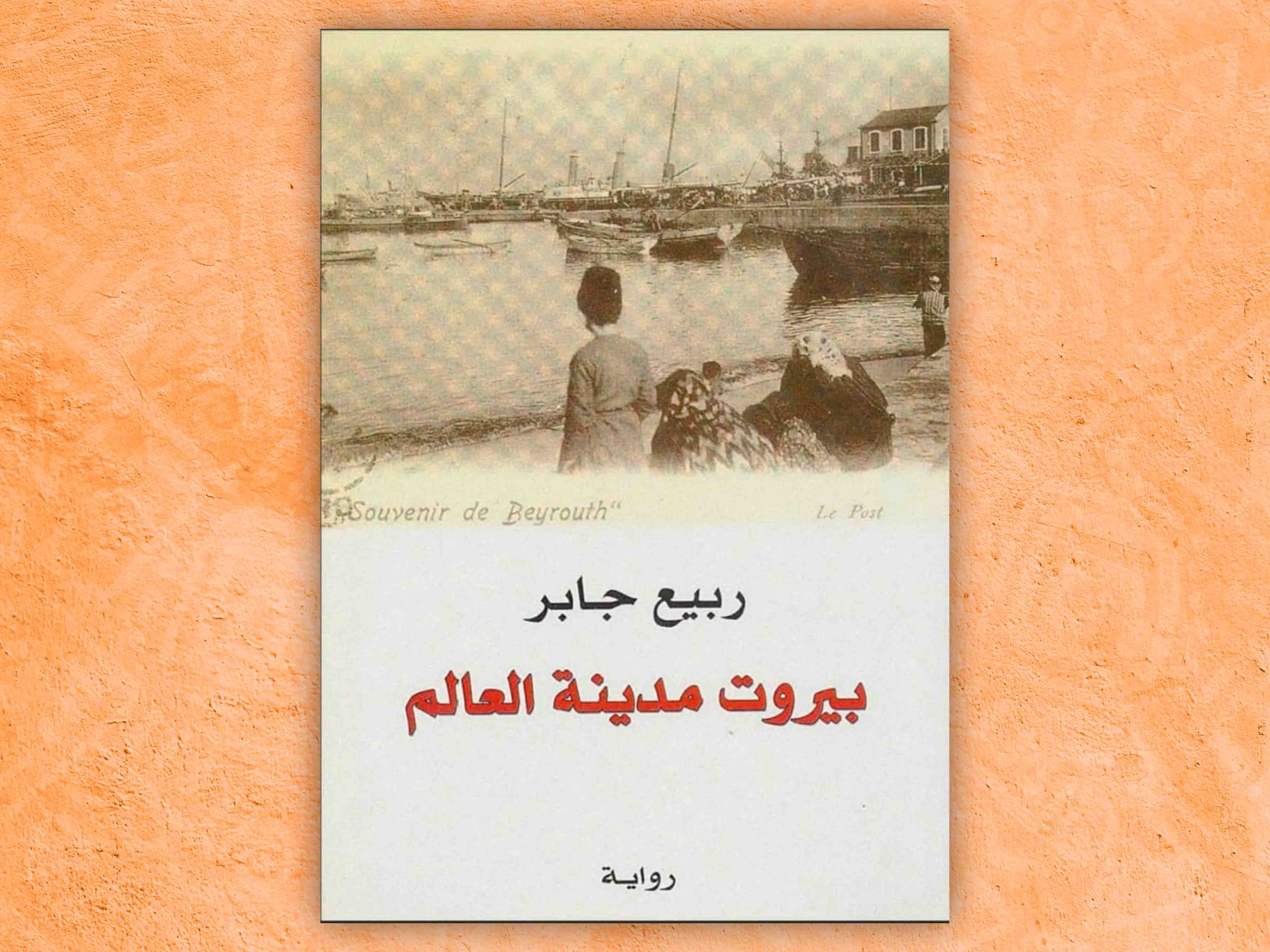
This insight becomes more tangible when the city itself assumes the role of archive. In Rabee Jaber's Beirut, City of the World, history descends from its elevated vantage point and appears layered and concrete, shaped by economy, class, fear, and the unequal distribution of life's chances. Beneath visible authority, competing interests generate their own narratives, violence becomes woven into urban space, and the city learns both to remember and to forget.
The test becomes more exacting when the novel enters territories where the sacred intertwines with authority, where emotion intersects with belonging, and where survival confronts principle. In Hammour Ziada's The Longing of the Dervish, the reader encounters a structure that fashions its justifications within the soul before they surface in action. The ethical dimension becomes unmistakable. The novel asks who bears guilt and, before that, how a person becomes what they become under mounting pressure. Argument takes on the character of disguise, language slips into complicity with fear, and submission assumes the aspect of reason.
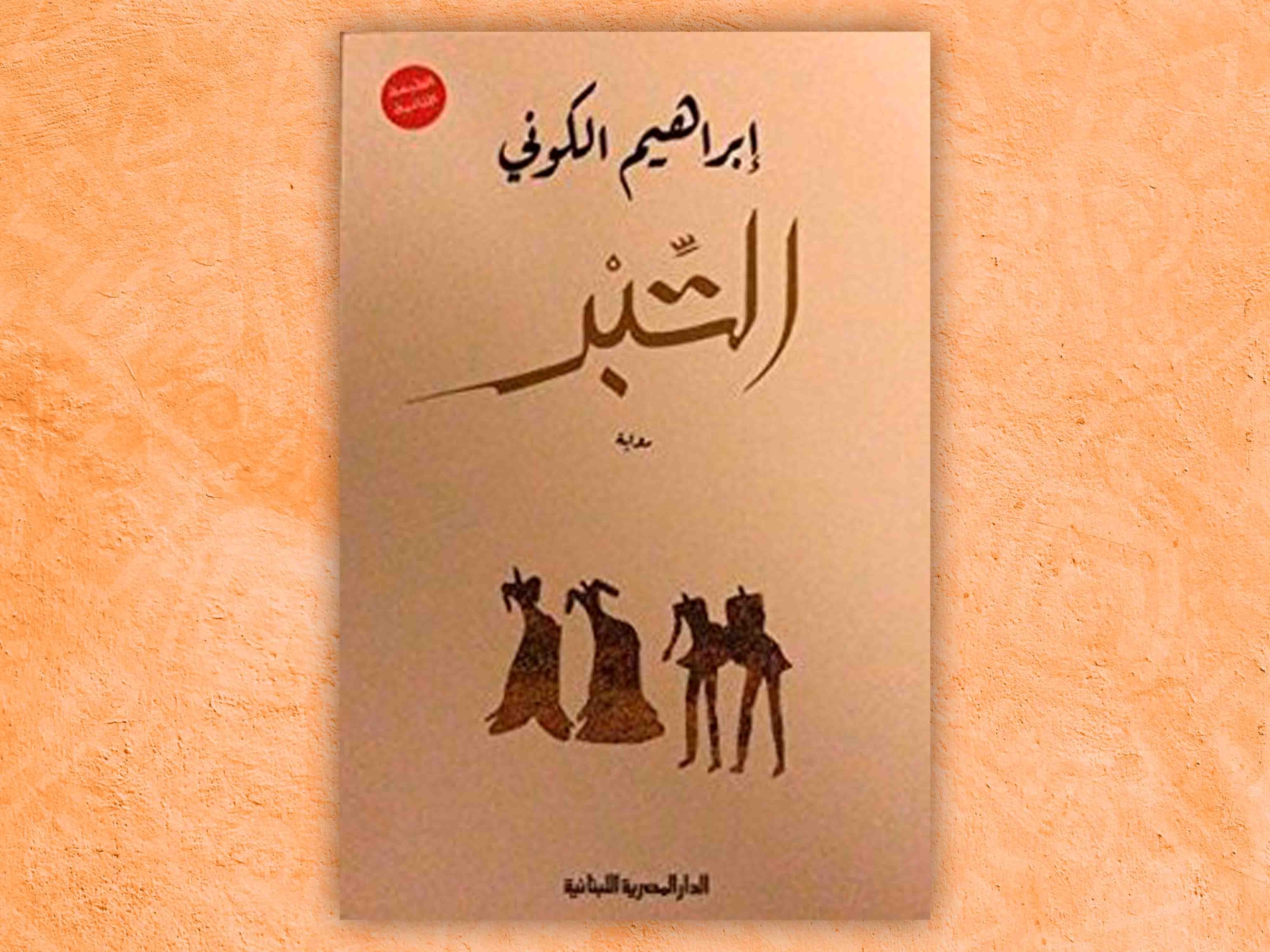
Struggles for legitimacy unfold through the sword and through words alike—through interpretation, through the authority to define truth, and through the power to name sedition. This question lies at the heart of Bensalem Himmich's The Polymath, where knowledge becomes an instrument of rule and legitimacy takes shape in a discourse clothed in the language of reason and piety as readily as in that of force. The reader sees that conflicts which appear purely political upon the surface conceal, at their depths, a contest over language and meaning.
The question then takes a practical form: when does the historical novel achieve its fullest realisation? It does so when it renders time a conscious courtroom, in which the reader becomes aware of the standards by which judgement is formed and of the vantage from which it is delivered. The encounter with the past becomes an encounter with the self. Sympathy arises as necessity exerts its quiet seduction, and condemnation follows when distance is sought from those who came before us. Reading moves along a quieter path—the path of understanding that leads to deeper inquiry, as knowledge of context meets an awareness of the marks history leaves on those who live through it.

Small details
In grand historical works, history often appears as a succession of decisions: war and peace, the transfer of power, the issuing of decrees, the signing of treaties. In the novel, it assumes another form. It becomes life itself—seen, inhaled, and touched. Such details carry cognitive force. The ordinary reader trusts them because they are anchored in the senses, while the specialist reads them as signs that reveal the layered structure of society and its concealed relations. Here lies the paradox. Detail gives delight when it serves as ornament, lending the past a burnished glow, and yields insight when it becomes an instrument of inquiry, uncovering what lies behind appearances.
For this reason, the theory of history from below offers a precise framework for understanding the function of detail. It holds that history is shaped not only by the decisions of leaders but also by the lives of ordinary people—their experiences, emotions, and ways of living. A related current, microhistory, associated with Carlo Ginzburg, shows how a small story or marginal document can illuminate an entire age. Once this framework takes hold, the smallest details become keys. They unlock an understanding of society and power by revealing what unfolds beneath the surface and beyond the official façade.
Here the historical novel enters a living field of trial. Does it use detail to polish the past and clothe it in seductive grandeur, or as a window through which the human cost of that grandeur becomes visible? The description of a magnificent palace may appear innocent enough. Yet the palace itself summons a sharper question: who built it, who carried its stones, who lived beyond its walls? Through such questions, the beauty of the past is returned to its human setting. It appears as a beauty sustained by networks of labour, fear, and deprivation, and by a distribution of life that grants no equal share to all.
When detail serves as decoration, it produces the likeness of a postcard. The method invites nostalgia, and nostalgia inclines the imagination to accept glory without resistance. A subtler logic enters quietly: the splendour of the scene lends legitimacy to the order that produced it. Radiance becomes a form of symbolic justification as light settles on the façade, leaving zones of loss in shadow.
Detail assumes a different function when it becomes a window. Light is redistributed. The palace recedes, and attention shifts to the threshold of a modest dwelling. It lingers with a woman preserving language under pressure of erasure, with a child learning to read fear in adult faces, with a worker measuring each day the limits of speech. Here, the reader recovers a sense of reality. Glory reveals its cost. Power leaves its mark on daily existence. Ideas take material form as bread or hunger, as safety or terror. History appears in its truest dimension: life lived, not an image hung on a wall.
Defiant details
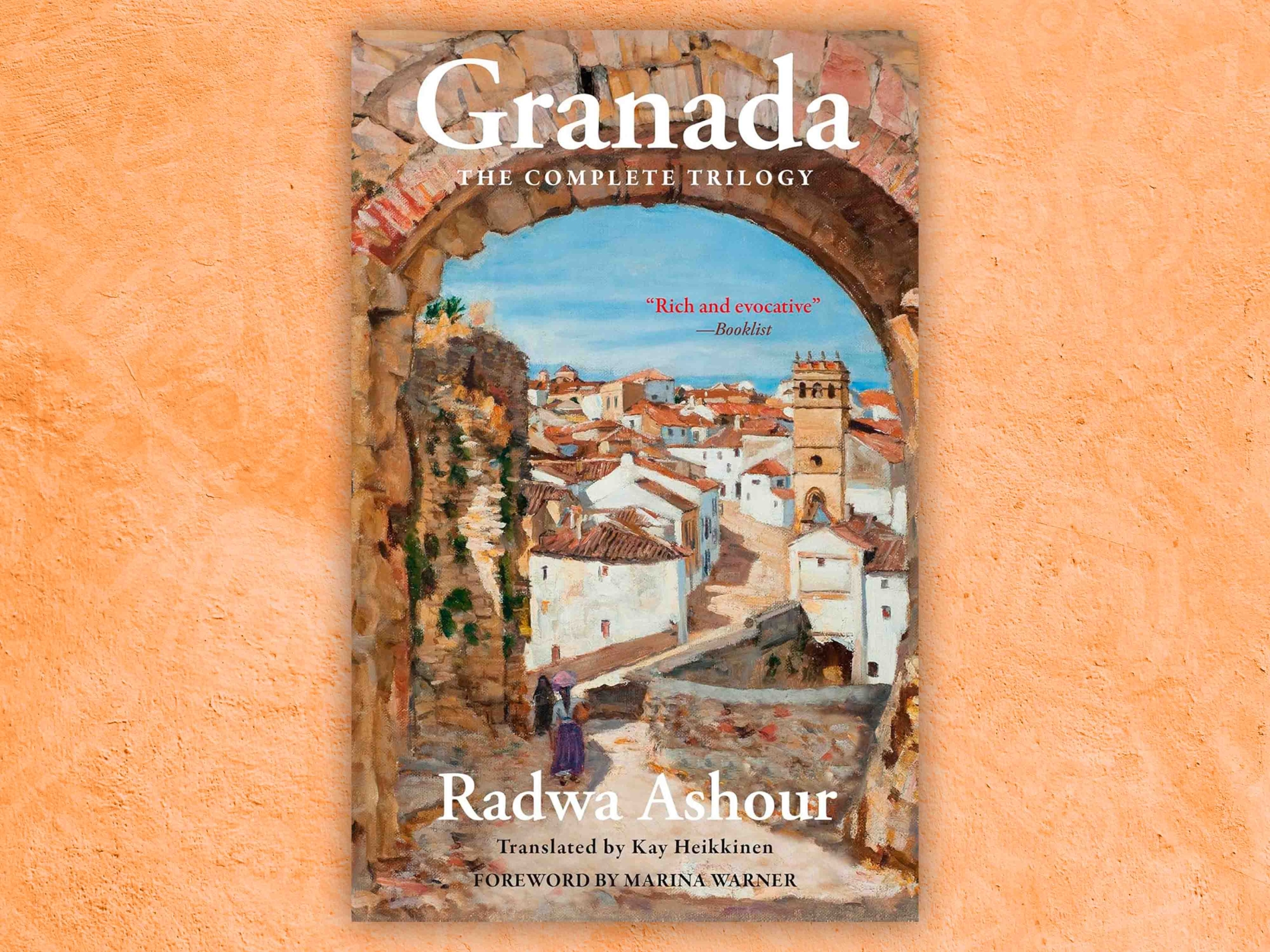
In this sense, Radwa Ashour's Granada Trilogy offers compelling proof that detail can carry greater force than monumental events. Siege enters through the language of the home. A word is spoken and then monitored. A habit is practised and then curtailed. Fear settles in the body before it spreads through the streets. Small things take on political weight: a scrap of paper, a name, a form of greeting; a loaf of bread; a window. When a character clings to a piece of paper or a name, the gesture affirms existence and memory. Detail becomes a quiet form of resistance, refusing erasure. Through this method, the novel shows how identity is stripped away step by step through gestures that seem trivial, and how its preservation advances through gestures equally modest yet stubbornly resilient.
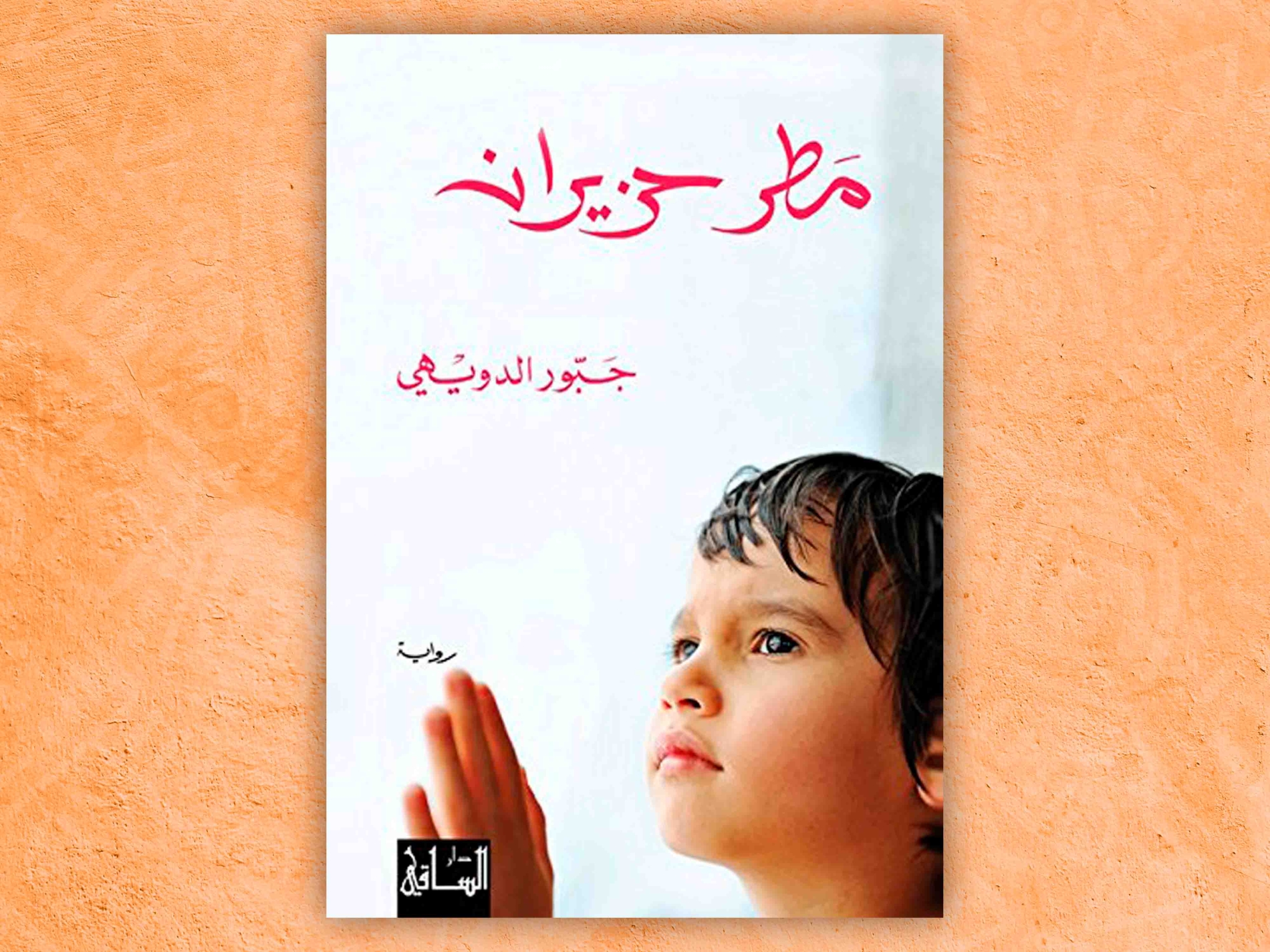
When approached precisely, microhistory allows detail to illuminate the structure of oppression and reveal how society forms from within. It shows how suspicion circulates, how reputation is made, and how a village or neighbourhood constructs its own narrative. In this regard, Jabbour Douaihy's June Rain is exemplary. Recent history appears as a web of local memory woven from kinship, rumour, silence, tension, and competing accounts within a single community. An event limited in scope expands to mirror an entire age, because the novel captures history as it lives in spoken language. It resides in what is said and what remains unsaid, in the ordering of loyalties, and in the subtle ways fear is justified or adorned. Through this acuity, detail becomes an instrument of analysis. A small reality reveals a broader logic. Obedience grows from habit, and discord accumulates through minor causes that gather force over time.
Attention then shifts from details that reveal a local community to details that build a counter-archive through accumulation. Ibrahim Nasrallah's Palestinian Comedy functions as long-breathed memory as much as parallel historical record. It offers a history written through human destinies—through the school and the home, through land, exile and return, and through elements official historiography deems marginal. The project's strength lies in portraying the past as branching and alive rather than fixed slogan. Within this multiplicity, inquiry arises naturally. How is a person erased when the details of daily life vanish? How does memory resist when it restores the ordinary as a right to exist? Detail acquires political force without rhetoric, for the restoration of daily life answers erasure with a quiet yet decisive act. It restores weight to what violence sought to reduce to a number.