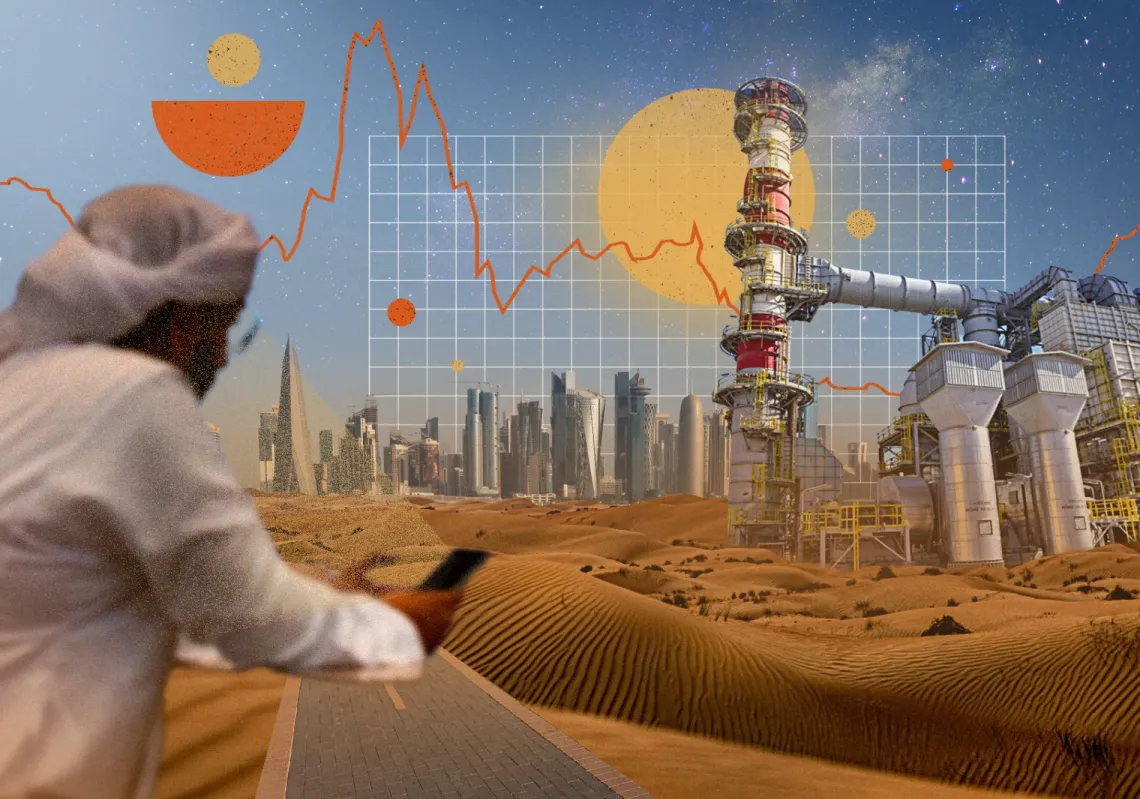

It was always thus that cheap oil was bad news for the big oil producers. Yet despite the falling global oil prices, the Gulf Cooperation Council currently has a rosy outlook. While institutions such as the World Bank, Oxford Economics, the US Energy Information Administration, and Fitch all anticipate Brent crude prices falling below $60 per barrel within a projected range of $56-63, the Gulf’s growth outlook for this year is between 4.4-4.5% of GDP (gross domestic product). How so?
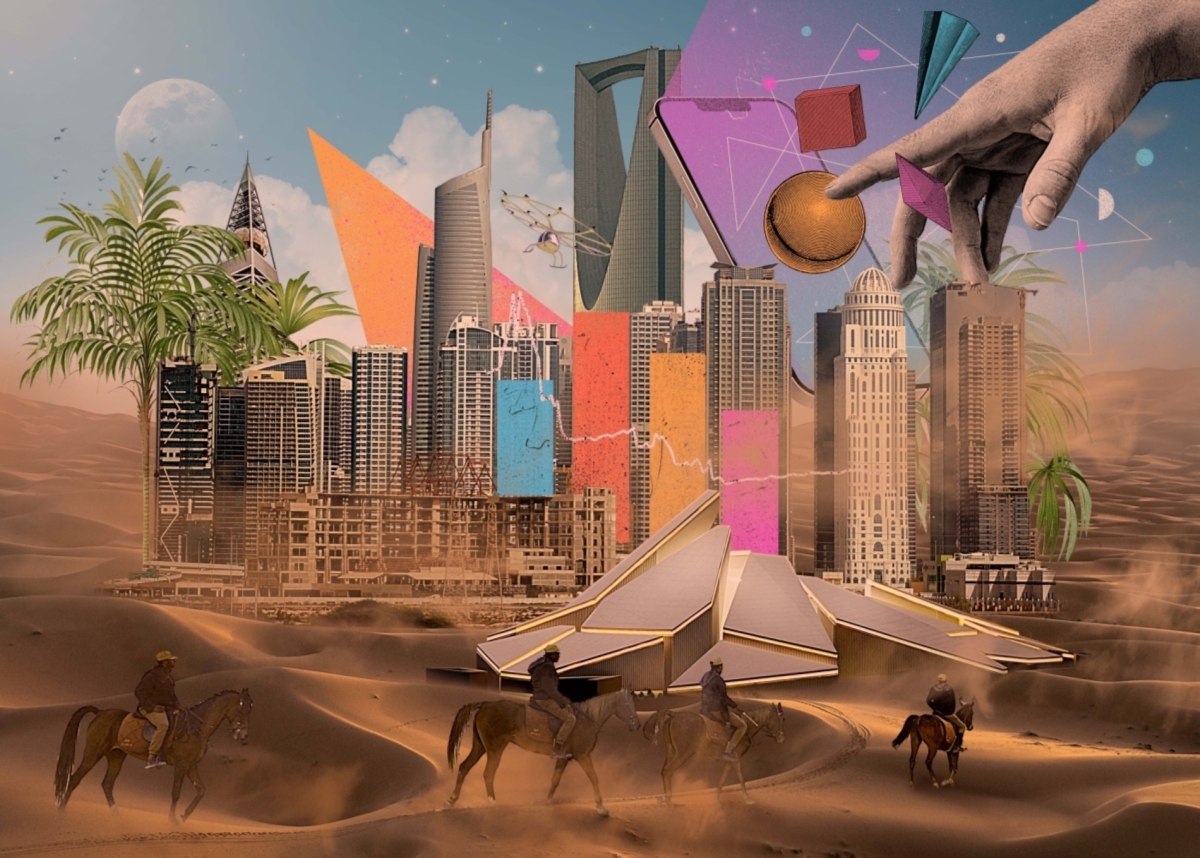
The predictions are thanks in large part to the accelerating pace of economic diversification, the expansion of non-oil investment, and sustained government spending on infrastructure and strategic projects, all of which point to a gradual structural transformation that reduces vulnerability to energy market volatility and strengthens the region’s capacity to absorb external shocks. Taken together, they reflect reforms implemented across most GCC states over the past decade.
Whereas hydrocarbons (oil and gas) were once the near-exclusive engine of economic activity in the region, crude now serves increasingly as a financial pillar supporting a broader transformation led by non-oil sectors. These sectors account for around 73% of regional GDP, with variation among countries, exceeding 50% in Saudi Arabia and reaching 77.5% in the United Arab Emirates (UAE), compared with 70.6% in 2024.
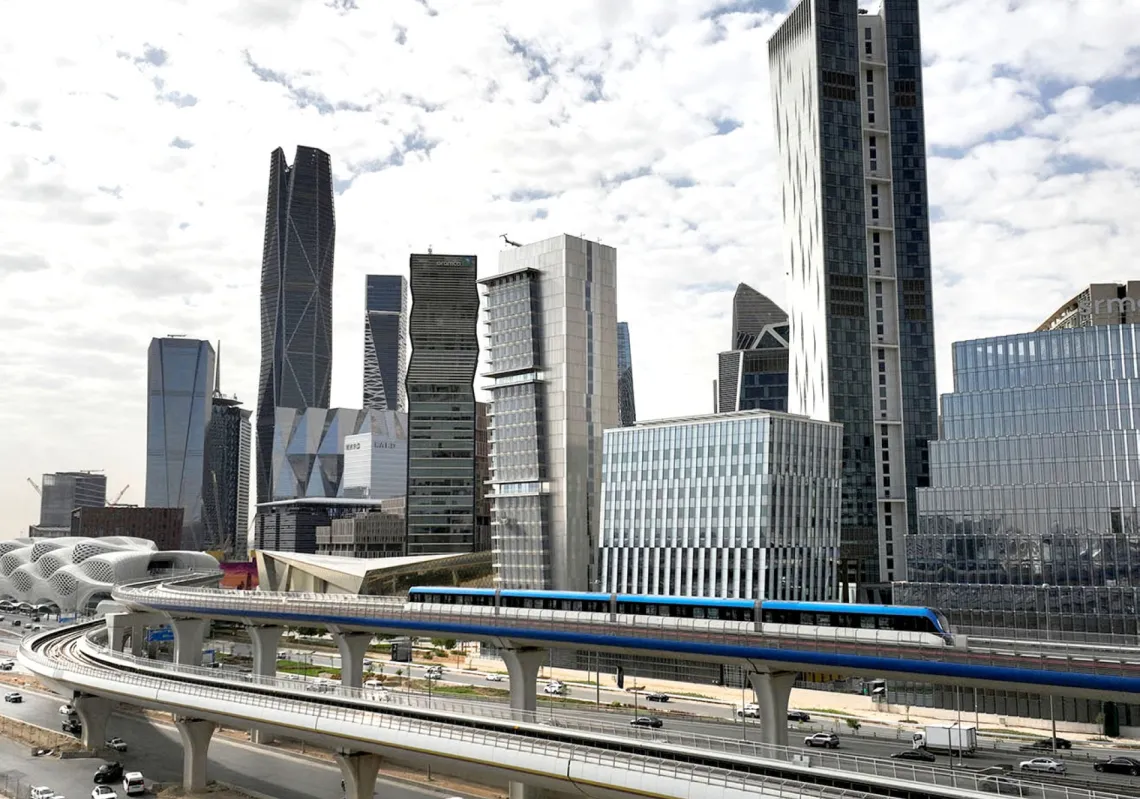
Monetary and fiscal policies across the Gulf have kept inflation at a healthy level, which has been useful for long-term investment planning, boosting private sector confidence. In parallel, sovereign wealth funds channel billions of dollars into data centres, digital infrastructure, and artificial intelligence (AI) applications to enhance productivity and position the region at the forefront of the global knowledge economy.
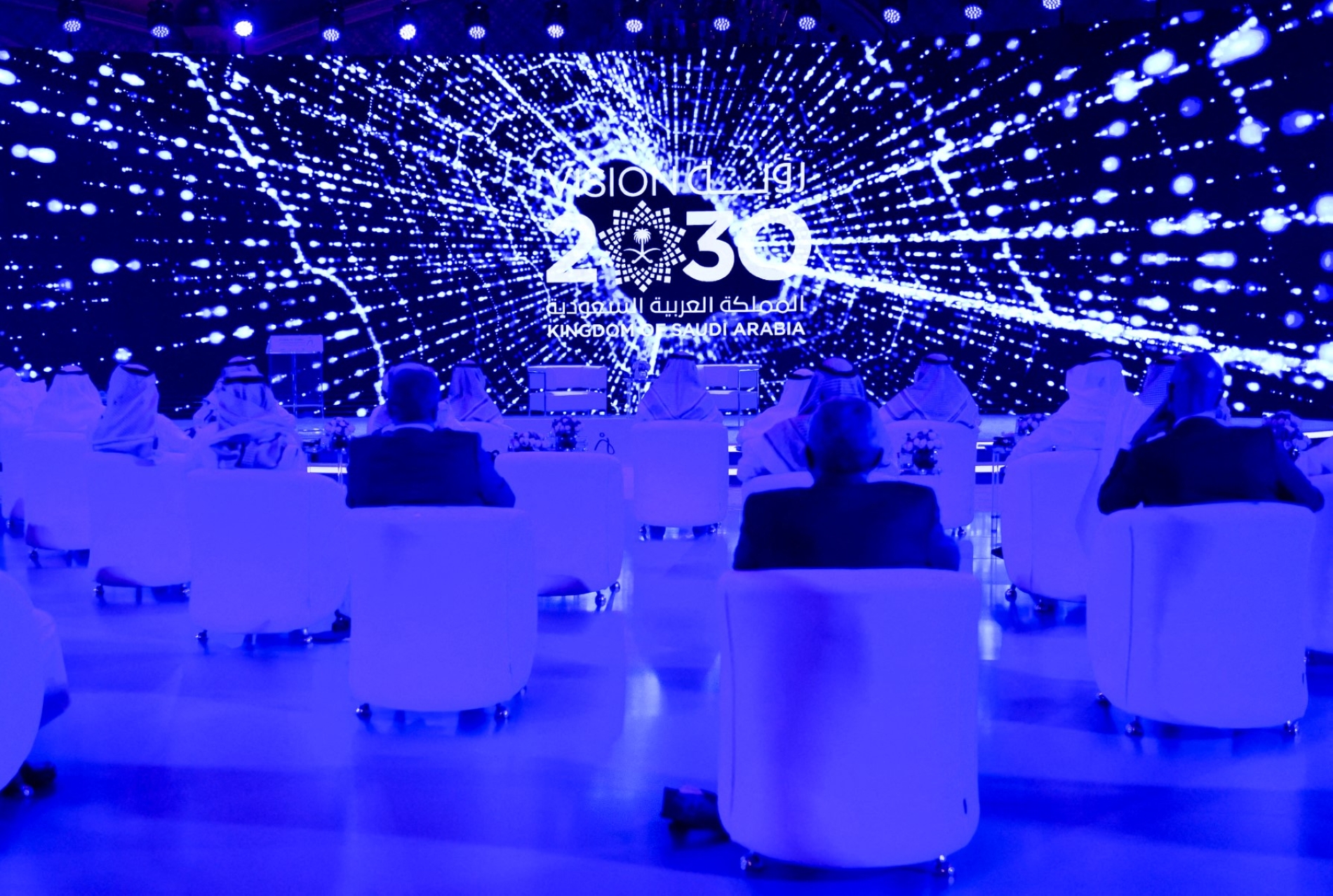
Long-term national Gulf strategies such as Saudi Vision 2030 and We the UAE 2031 are now entering a phase of maturation, in which tangible economic returns are becoming evident, whether through diversification of the productive base or the creation of job opportunities. Non-oil growth across the GCC is forecast to be 4.1%.
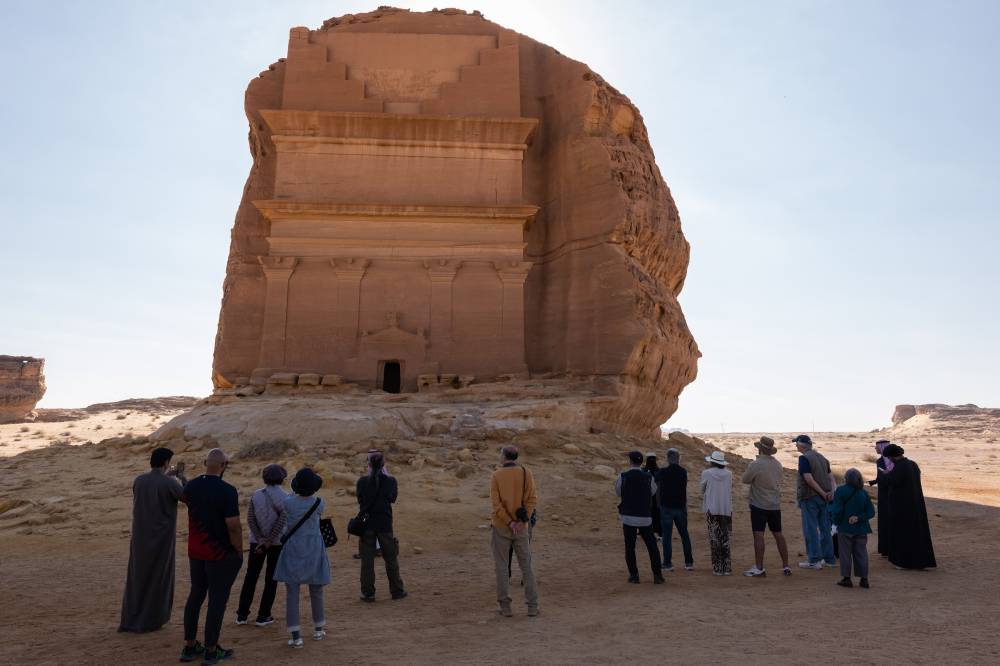
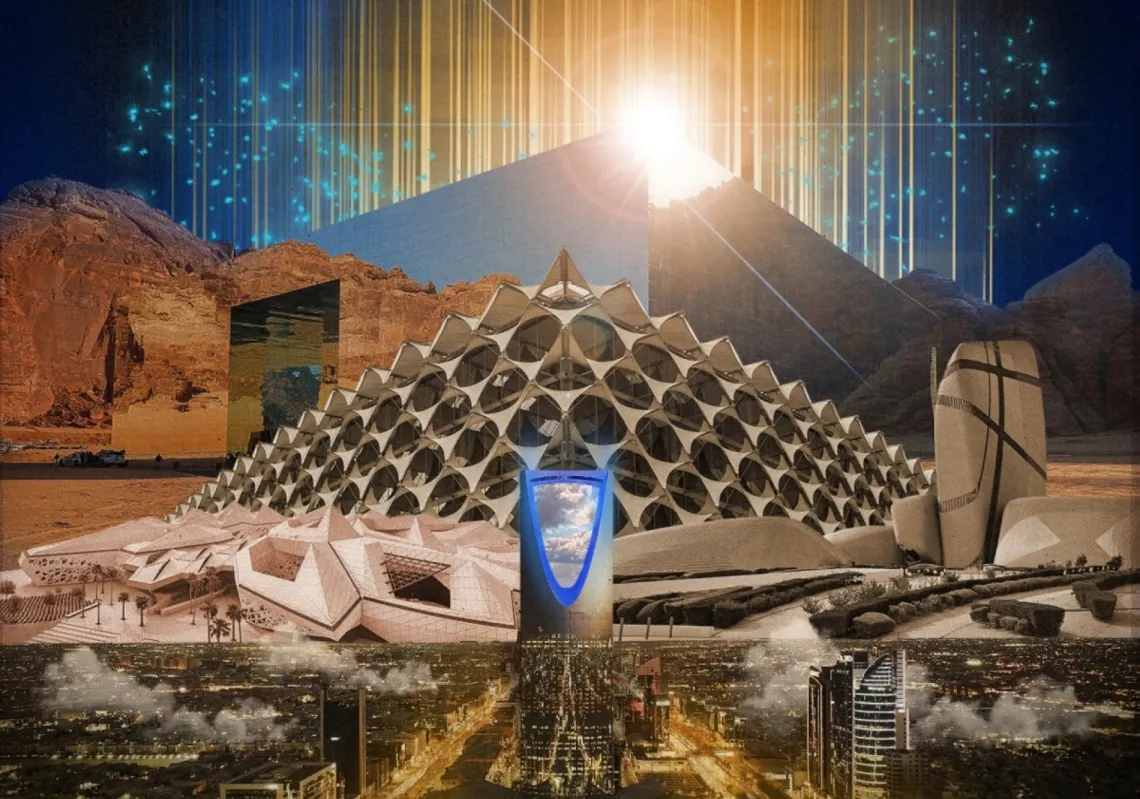
Tourism and entertainment
In Saudi Arabia, overall growth is projected at 4.6%, with non-oil sectors like tourism and entertainment expected to grow by 5%. The Purchasing Managers’ Index (PMI) shows confidence, having recorded historically-elevated readings, exceeding 60 points overall. Likewise, Riyadh Bank’s index stood at 57.4 points in December 2025, signalling sustained expansion in private-sector activity and technological innovation.
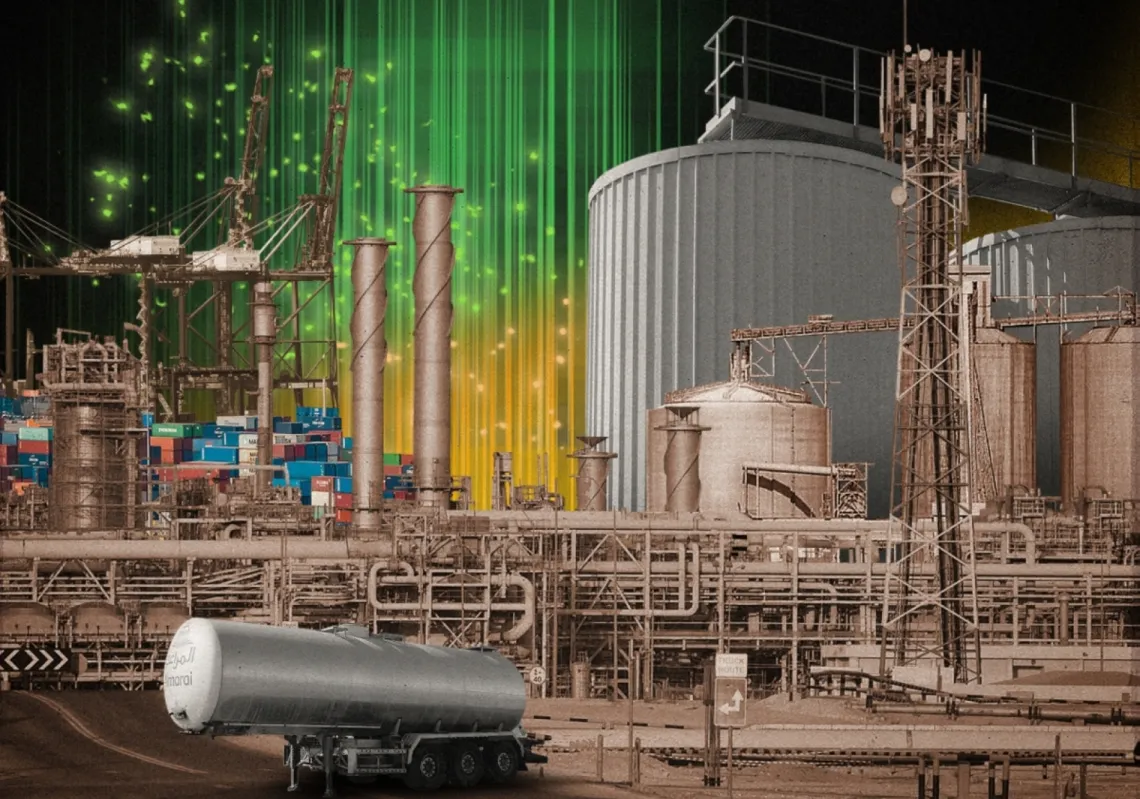
Industry is integral to Saudi Arabia’s diversification away from oil and has attracted substantial investment, whether in urbanisation or advanced manufacturing. This broadens the productive base, strengthens non-oil exports, and creates employment opportunities in high-value industries that demand specialised skills.