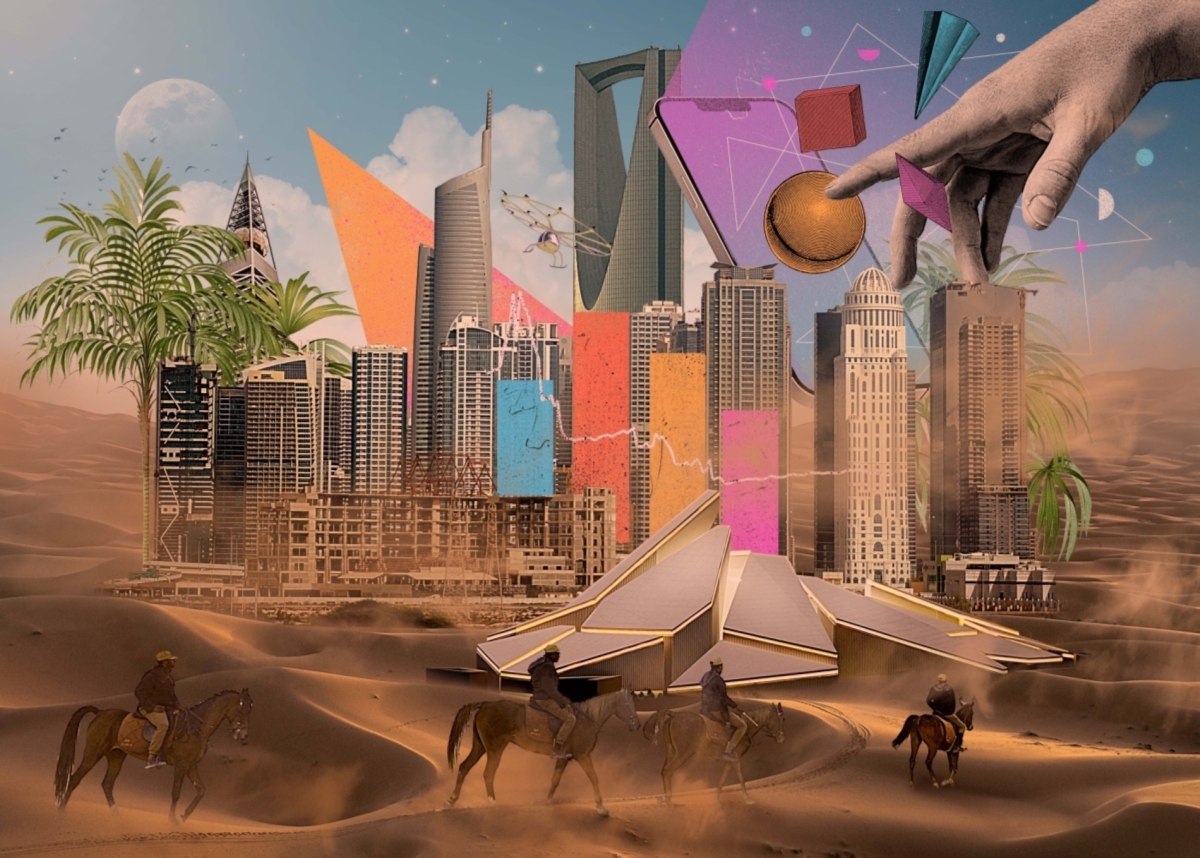
Gulf economies are leaning less on oil

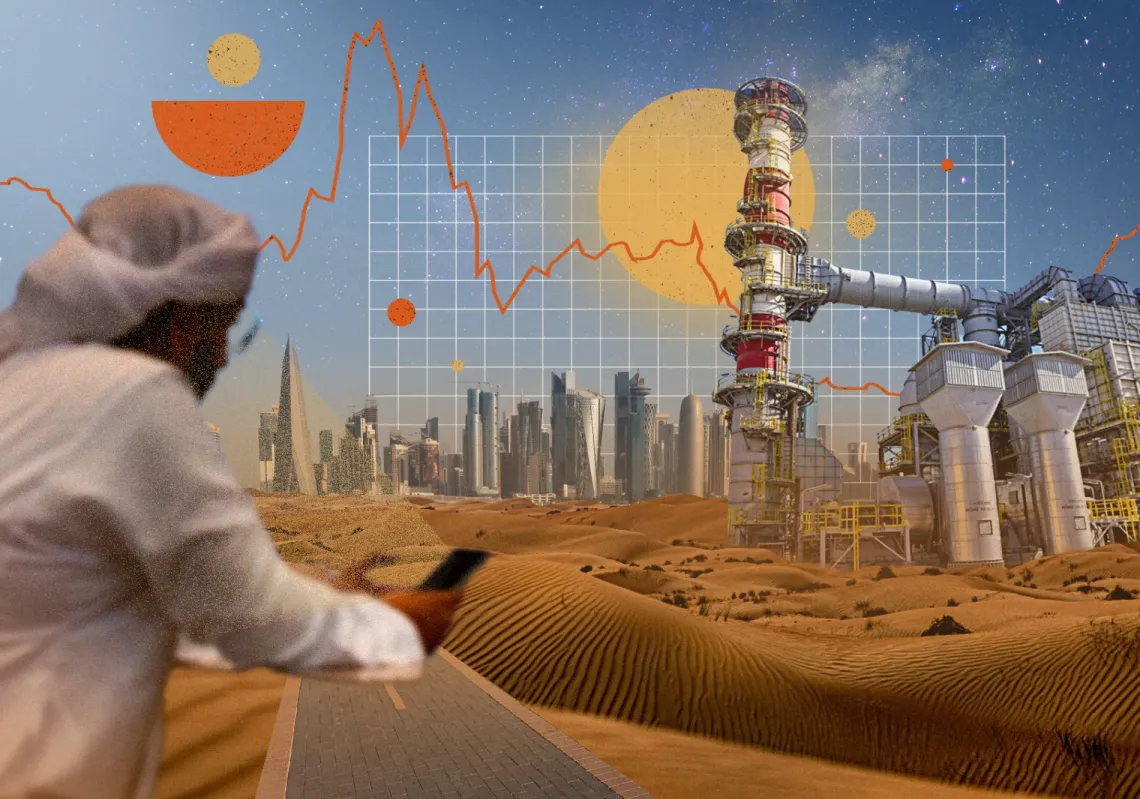
A drop in the price of crude these days is nowhere near as painful as it used to be, because most of the Gulf Cooperation Council states have diversified away from hydrocarbons

Eduardo Ramon

Gulf economies are leaning less on oil

It was always thus that cheap oil was bad news for the big oil producers. Yet despite the falling global oil prices, the Gulf Cooperation Council currently has a rosy outlook. While institutions such as the World Bank, Oxford Economics, the US Energy Information Administration, and Fitch all anticipate Brent crude prices falling below $60 per barrel within a projected range of $56-63, the Gulf’s growth outlook for this year is between 4.4-4.5% of GDP (gross domestic product). How so?

The predictions are thanks in large part to the accelerating pace of economic diversification, the expansion of non-oil investment, and sustained government spending on infrastructure and strategic projects, all of which point to a gradual structural transformation that reduces vulnerability to energy market volatility and strengthens the region’s capacity to absorb external shocks. Taken together, they reflect reforms implemented across most GCC states over the past decade.

Whereas hydrocarbons (oil and gas) were once the near-exclusive engine of economic activity in the region, crude now serves increasingly as a financial pillar supporting a broader transformation led by non-oil sectors. These sectors account for around 73% of regional GDP, with variation among countries, exceeding 50% in Saudi Arabia and reaching 77.5% in the United Arab Emirates (UAE), compared with 70.6% in 2024.

Monetary and fiscal policies across the Gulf have kept inflation at a healthy level, which has been useful for long-term investment planning, boosting private sector confidence. In parallel, sovereign wealth funds channel billions of dollars into data centres, digital infrastructure, and artificial intelligence (AI) applications to enhance productivity and position the region at the forefront of the global knowledge economy.

Long-term national Gulf strategies such as Saudi Vision 2030 and We the UAE 2031 are now entering a phase of maturation, in which tangible economic returns are becoming evident, whether through diversification of the productive base or the creation of job opportunities. Non-oil growth across the GCC is forecast to be 4.1%.
Getty Images
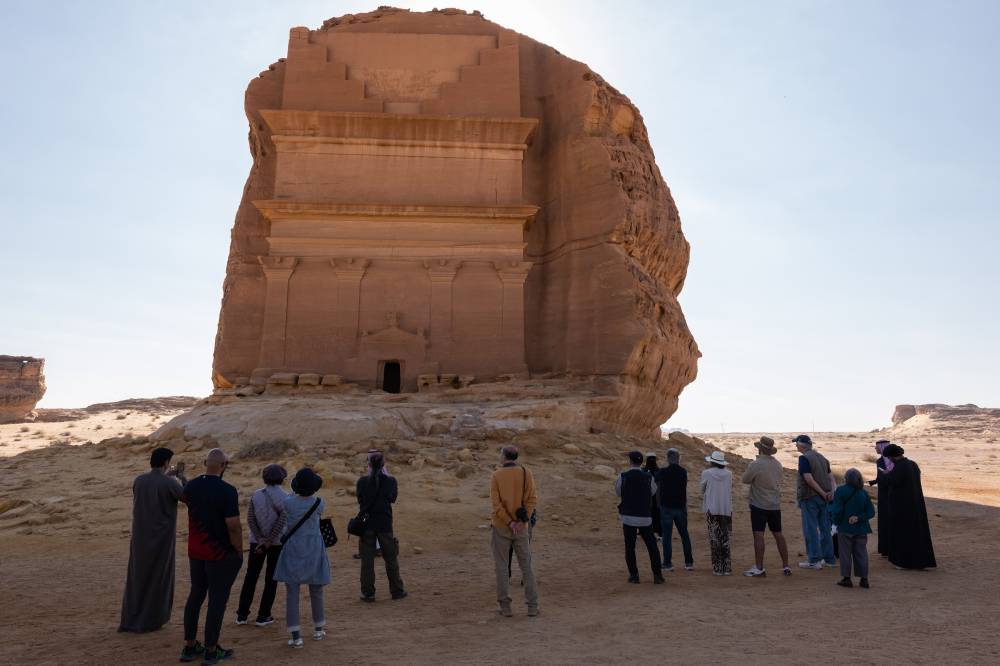
Tourists during a visit to the ancient archaeological site of Hegra in AlUla, Saudi Arabia, on 22 January 2023.

Tourism and entertainment

In Saudi Arabia, overall growth is projected at 4.6%, with non-oil sectors like tourism and entertainment expected to grow by 5%. The Purchasing Managers’ Index (PMI) shows confidence, having recorded historically-elevated readings, exceeding 60 points overall. Likewise, Riyadh Bank’s index stood at 57.4 points in December 2025, signalling sustained expansion in private-sector activity and technological innovation.

Industry is integral to Saudi Arabia’s diversification away from oil and has attracted substantial investment, whether in urbanisation or advanced manufacturing. This broadens the productive base, strengthens non-oil exports, and creates employment opportunities in high-value industries that demand specialised skills.

Industry is integral to Saudi Arabia's diversification away from oil and has attracted substantial investment

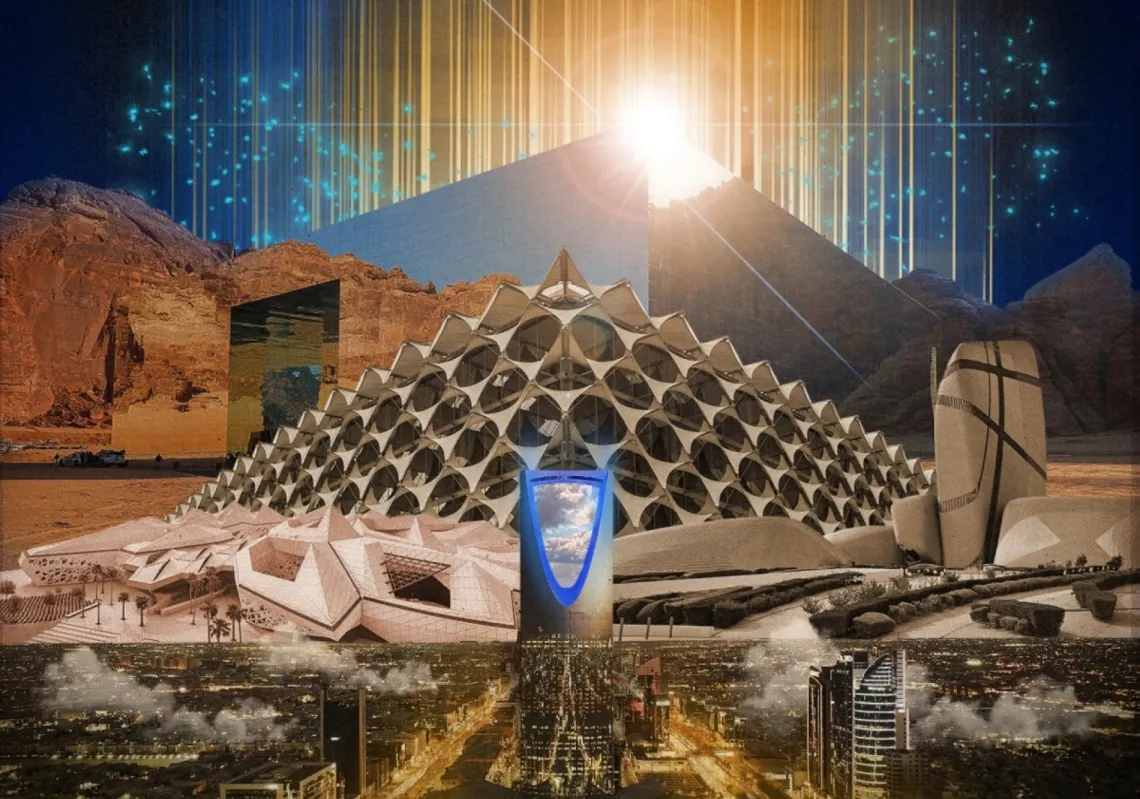
The tourism industry is also expanding rapidly. Flagship developments at NEOM, the Red Sea, and Qiddiya stand at the forefront. The strategic ambition is for tourism to contribute around 10% of GDP by 2030 and create millions of jobs. Key to this is the revival and presentation of Saudi heritage, with several recent additions to the UNESCO World Heritage List, including the Al-Faw Archaeological Area in 2024.

Technology is another key pillar of the Saudi strategy. It already accounts for 10-12% of GDP and is projected to hit 15% in the coming years. Substantial investment in data centres and research has accelerated digital transformations across industries, generating highly-skilled employment.

AFP
Attendees at the Global AI Summit, in Riyadh, on 20 October 2020.

AI and digital trade

Elsewhere in the region, the UAE continues to invest and lead in AI and digital trade, with overall growth of 5.3-5.6% expected. Within the framework of We the UAE 2031, the federation is diversifying, using its oil revenues to reinforce its non-oil sectors. By 2025, non-oil activity accounted for 77.5% of GDP in the first half of the year, up from 75% in 2024. Non-oil growth of 5.3-5.7% reflects the depth of this structural shift.

Industry, particularly advanced manufacturing, has grown by up to 7.7% and now contributes 13-14% to non-oil GDP. At the same time, tourism in the UAE delivered an exceptional performance in 2025, with record hotel revenues, a marked rise in visitor numbers, and increased visitor spending ($62.2bn, compared with $59bn in 2024). Tourism contributed around 13% to the UAE's GDP, more than $70bn. Dubai alone had welcomed 17.55 million visitors by November 2025, reflecting an annual growth rate of 5-6%, which underscores the Emirates' appeal.

The tiny gas-rich nation of Qatar boosted its international stature by hosting the FIFA World Cup in 2022. While the tournament may have been a drain on the nation's coffers, the continued expansion of the North Field in liquefied natural gas (LNG) production has strengthened Qatar's fiscal capacity. Like its Gulf neighbours, Qatar also welcomes millions of tourists. In the first half of 2025, more than 2.6 million international visitors arrived, up 3% compared to 2024. Tourism contributed around 8% of GDP in 2024 and is expected to contribute 10-12% by 2030.

Kuwait is pressing ahead with major development initiatives aligned with its Vision 2035 and Vision 2040 objectives. This includes the development of northern regions and integration into global trade corridors through landmark projects such as the $132bn Silk City in Subiya and the expansion of key logistics gateways.

Concurrently, legislative reforms to reinforce the role of the private sector are due to attract foreign investment and create jobs in a country where many are still employed in the public sector. Last year, non-oil growth reached 2.6%, while overall GDP expansion is projected at 3%. Efforts to attract $200bn in foreign investment by 2035 continue.

Shutterstock
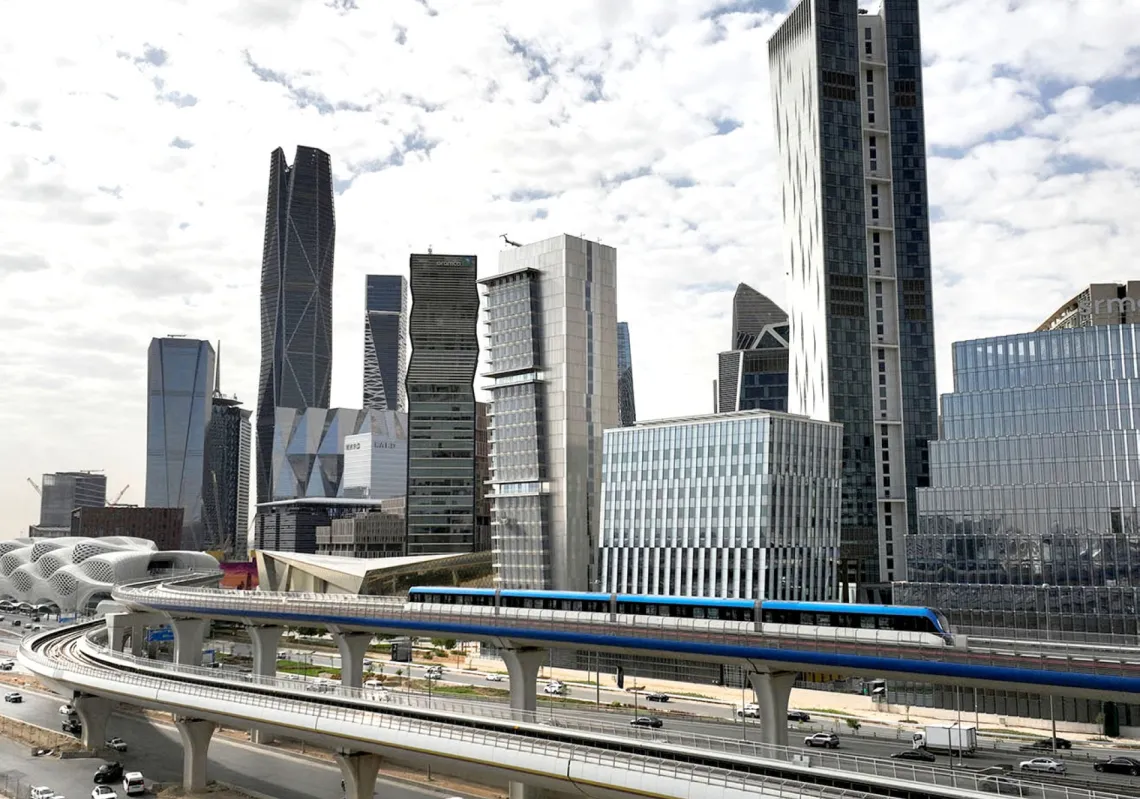
The WTC, Domain Hotel and Bahrain Bank are seen in the Manama skyline.

Banking and fintech

Bahrain remains a model of economic diversification, having established a position of leadership in financial technology (fintech) and Islamic banking. This has recently been complemented by sustained investment in cloud computing and digital transformation, reinforcing its status as a regional hub for major corporate data operations.

In 2024, the financial sector (including fintech) contributed 17.2% of GDP. The cloud services market was worth $335mn, while the digital economy is projected to contribute 3.5% of GDP. More than 100 fintech start-ups have emerged in Bahrain, supported by major partnerships, including with Google Cloud's instant payments initiative.

Oman's Vision 2040 leverages its strategic ports, such as Duqm and Salalah, which serve as global trade gateways. Omani ports recorded substantial growth in cargo volumes in 2025, up to 137 million tonnes, an increase of 15%, while Duqm Port alone grew by 152%. The country is also positioning itself as a leader in green hydrogen, aiming to produce one million tonnes annually by 2030-31. Industrial exports reached $4.2bn in the first quarter of the year.

Getty
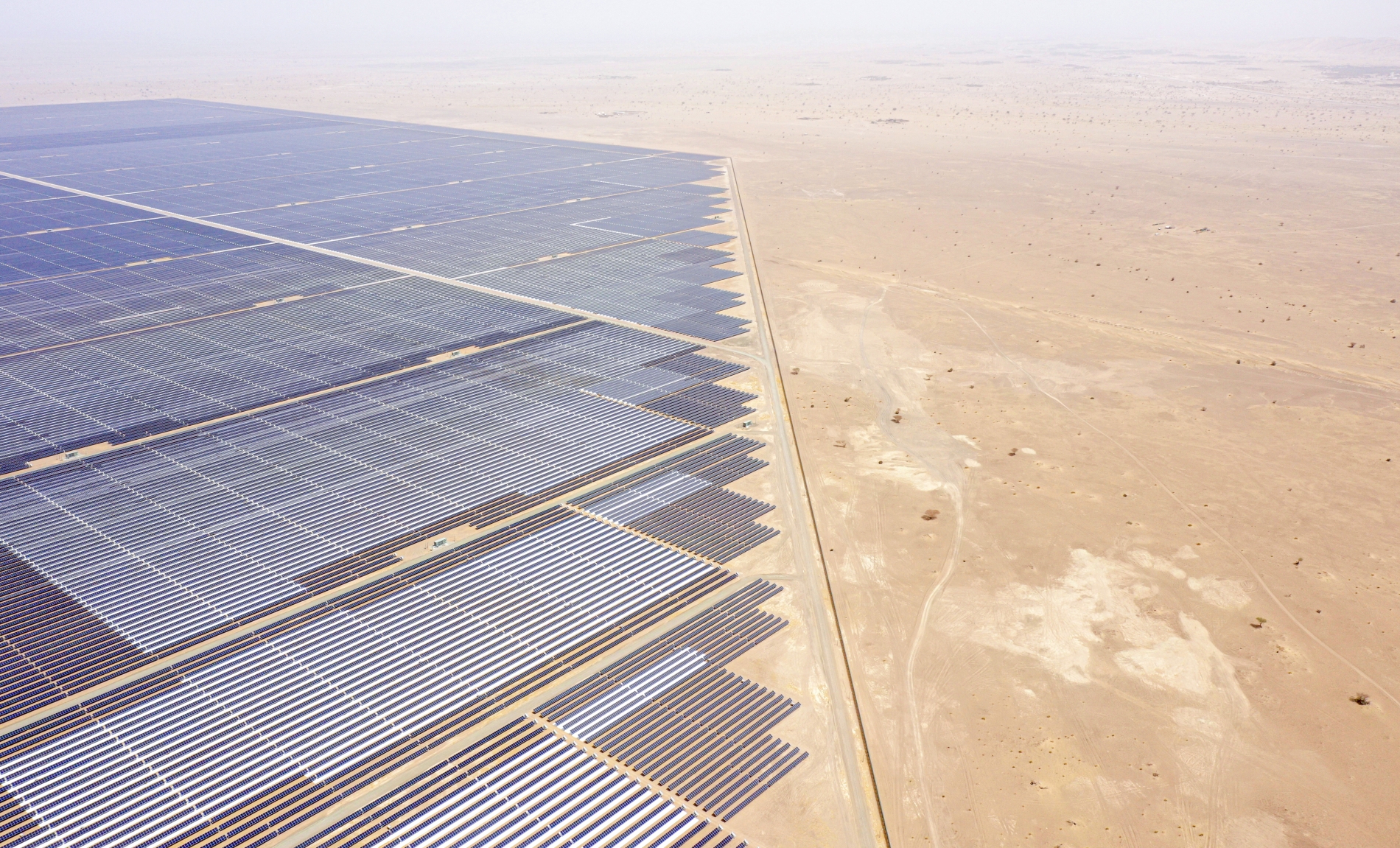
An aerial view of the Ibri solar facility, which features almost 500,000 bi-facial solar panels across an area of around 13 million square meters, is seen in Ad-Dhahirah, Oman.

Defining moment

This year represents a defining moment in the Gulf's economic trajectory. From tourism to logistics, several megaprojects are set to become operational in the coming months, with a multiplier effect across local supply chains, creating jobs and stimulating growth. Although world trade is flying through turbulence, Gulf states increasingly confront challenges from a position of strength, supported by strong financial reserves and stable, well-capitalised banks.

If the figures bear out as projected, the GCC will have shown that it can build a resilient economic model capable of withstanding oil market volatility while preserving momentum and flexibility. This is a genuine golden era for investment in the Gulf's non-oil sectors such as AI, renewable energy, tourism, and entertainment. A post-oil future is fast moving from aspiration to reality. Oil no longer defines the Gulf's economic narrative. Its future is now shaped by innovation, adaptation, and integration.

font change