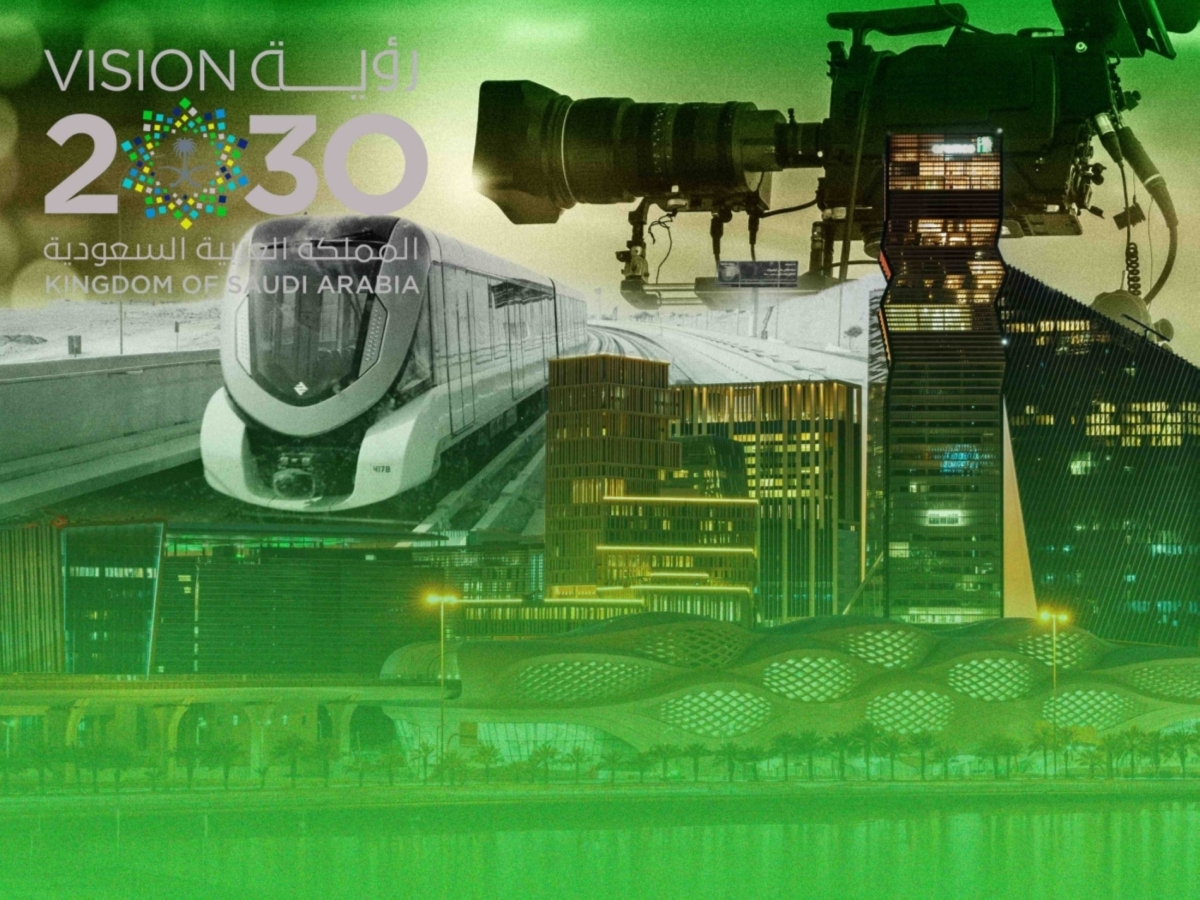
Media a key pillar of Saudi Arabia's reform architecture

It has followed economic reforms closely, explaining policy shifts to the public, assessing outcomes, and contributing to informed discussion when needed

Al Majalla

Media a key pillar of Saudi Arabia's reform architecture

I attended the launch of Saudi Vision 2030 in April 2016—an event that marked the beginning of a comprehensive national transformation encompassing economic, social, and cultural reform. At that historic launch, I was also honoured to ask a question personally. What stood out then—and remains deeply relevant today—was the clarity with which Crown Prince Mohammed bin Salman defined the media’s role in the reform journey.

In his words: “The media is very important in evaluating the government’s performance in achieving this Vision—evaluating ministries, evaluating the work of ministers, government administrations, and all responsible entities. The media is a very important part of evaluating the Vision and ensuring that everyone is moving correctly to achieve the set objectives.”

This framing carried clear economic implications. By positioning media as part of the evaluation and monitoring process, Vision 2030 embedded transparency into its reform design—reducing information asymmetry, strengthening institutional discipline, and reinforcing credibility with markets, investors, and society at large. The message was delivered openly, publicly, and on record. It was a clear signal that transparency and governance would not be peripheral to reform, but central to the delivery and sustainability of Saudi Arabia’s transformation.

The Saudi Media Forum reflects how empowering media through transparency became an essential pillar of Saudi Arabia’s reform architecture. Over the past decade, this approach has been reinforced institutionally through successive editions of the Saudi Media Forum, each building deliberately on the foundations laid by the previous one. Early editions focused on strengthening professional standards, developing national media capabilities, and aligning the sector with the broader transformation agenda.

Subsequent editions expanded that focus toward digital transformation, content economics, and global engagement. By the time of its fifth edition, the forum had evolved into a strategic platform that reflected the maturity of Saudi Arabia’s media ecosystem and its deep integration with Vision 2030’s economic, social, and cultural reforms.

Today, the forum functions not only as a space for dialogue, but as a mechanism for policy alignment, market signalling, and international positioning—demonstrating how media empowerment has progressed from an early reform principle into an operational pillar within the country's transformation architecture.
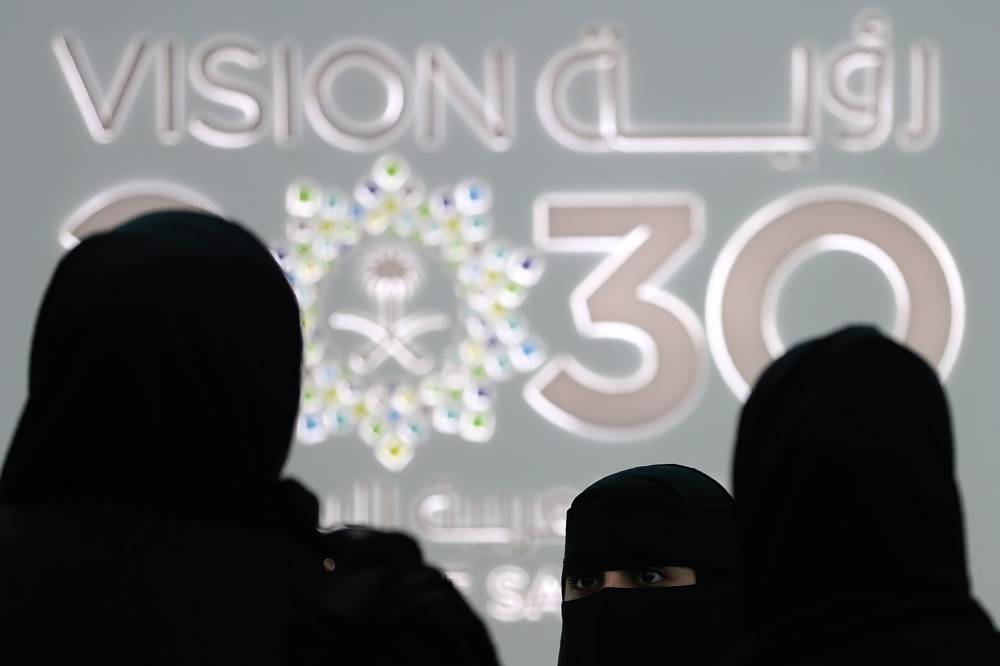
Getty Images
Saudi women stand next to the Saudi pavilion (vision 2030) at the Gitex 2018 exhibition at the Dubai World Trade Center in Dubai on 16 October 2018.

Foundations of Vision 2030

Vision 2030 did not only introduce economic diversification initiatives and institutional restructuring; it also embedded transparency and performance measurement at the core of the reform architecture. Clear targets were set, indicators were made available, and progress became subject to ongoing evaluation as part of a disciplined implementation framework.

Within this structure, media was given the space and legitimacy to follow reforms closely, explain policy shifts to the public, assess outcomes, and contribute to informed discussion when needed. This approach reflected a governance model built on openness, clarity, and accountability, where reform progress was documented and assessed through measurable results rather than declarations.

Over time, this openness strengthened credibility. Reform was no longer viewed as ambition alone, but as observable and verifiable progress—visible to citizens, investors, and international stakeholders alike.

Over the past decade, Saudi Arabia’s economic, social, and cultural reforms have progressed under a high degree of public visibility. Structural changes across capital markets, labour frameworks, investment regulations, cultural sectors, and social participation were implemented alongside continuous observation and analysis across diverse media platforms.

Media played a central role in translating complex reform measures into accessible public understanding, contextualising policy shifts, documenting progress, and identifying implementation challenges. This sustained engagement supported informed dialogue, strengthened confidence in the reform trajectory, and reinforced institutional discipline throughout the implementation process.

Rather than impeding reform momentum, transparency enhanced it. Public evaluation contributed to greater consistency, credibility, and responsiveness—factors that have proven essential to sustaining long-term transformation and reinforcing the effectiveness of Vision 2030’s reform outcomes.
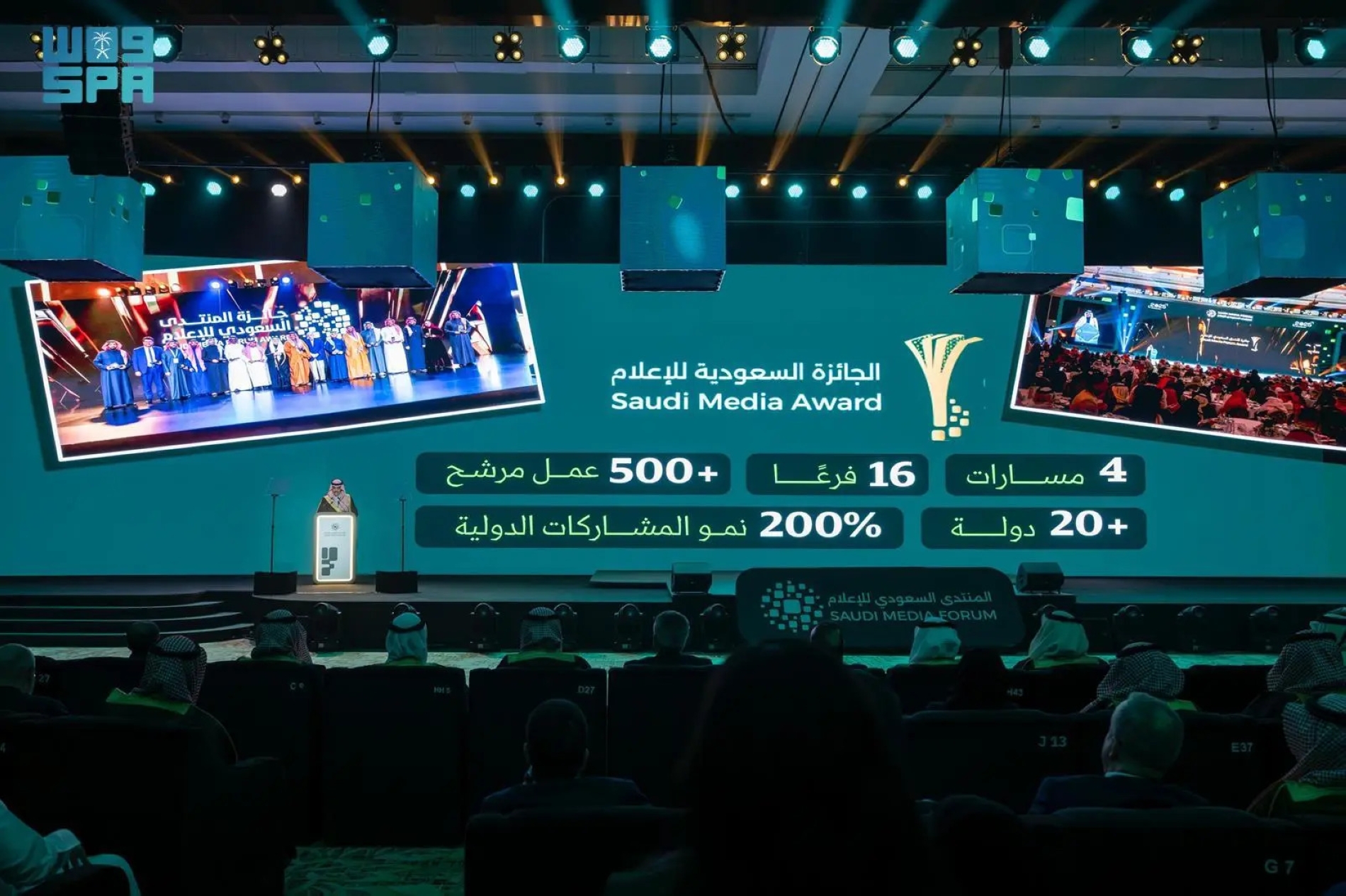
SPA
The closing ceremony of the Saudi Media Forum, in Riyadh, on 4 February 2026.

Clear conclusion

A decade after the launch of Vision 2030, one conclusion stands out clearly: reforms that endure are those supported by informed and continuous evaluation. Media coverage—professional, diverse, and increasingly sophisticated—has become an important part of the reform environment, helping to clarify, stay consistent, and hold institutions accountable.

This sustained visibility has played a meaningful role in strengthening investor confidence, improving international understanding of Saudi Arabia’s transformation, and reinforcing domestic trust in the reform process. Progress has been documented comprehensively across local, regional, and international platforms, reflecting both achievements and areas requiring further development.

Over time, media has shown its value as a key pillar in sustaining reform momentum, supporting transparency, and reinforcing the long-term credibility of Vision 2030’s economic and societal transformation.
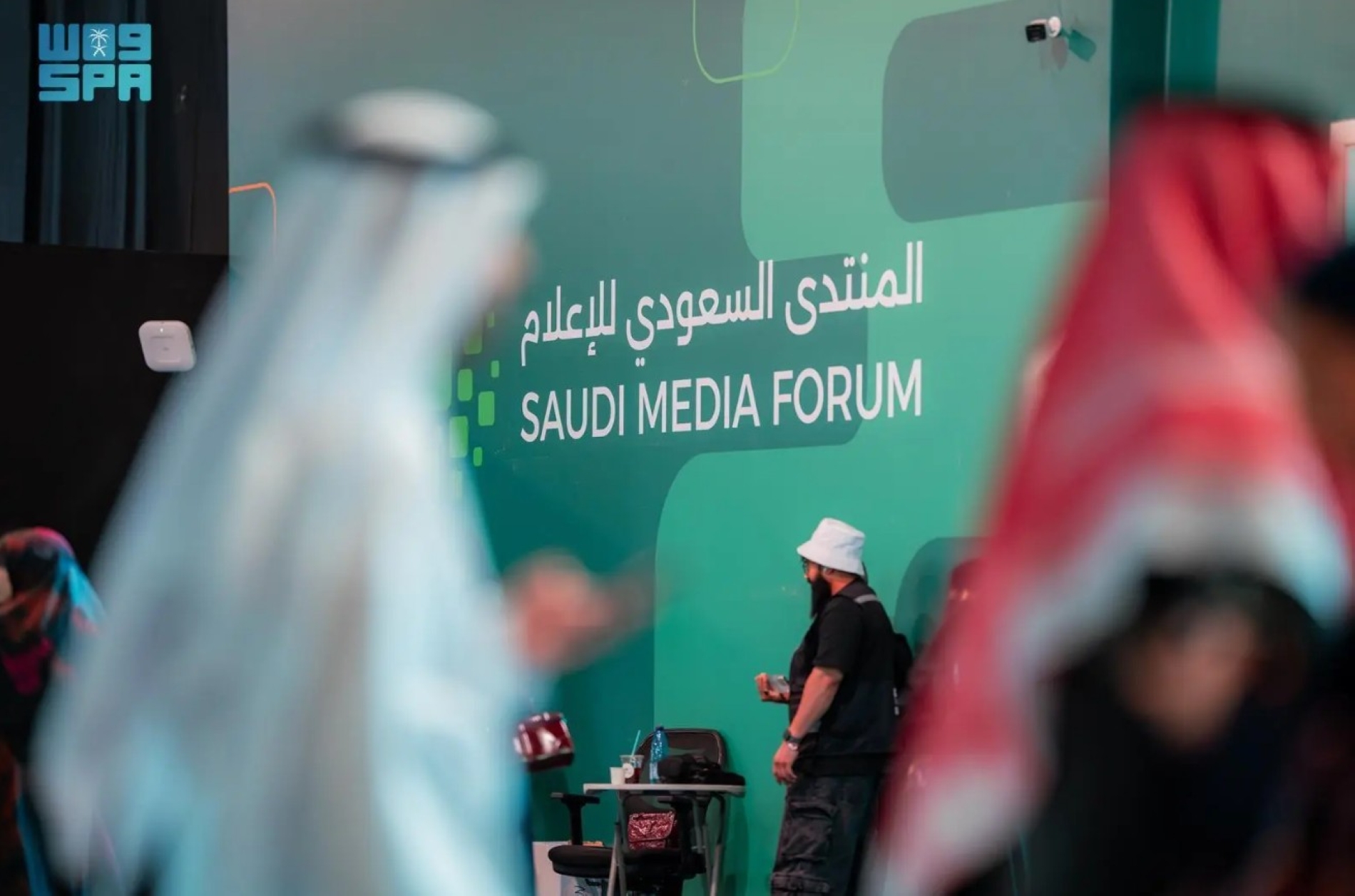
Over time, media has shown its value as a key pillar in sustaining reform momentum, supporting transparency, and reinforcing the long-term credibility of Vision 2030's economic and societal transformation

Strategic platform

This evolution is clearly reflected in the fifth edition of the Saudi Media Forum. What began as an annual professional gathering has evolved into a strategic platform that reflects the maturity and institutional depth of Saudi Arabia's media landscape within the broader Vision 2030 transformation.

Held under the theme "Media in a World in Formation," the forum demonstrated a decisive shift from diagnosing sectoral challenges to actively shaping future-ready media models. The scale of participation, the diversity of perspectives, and the depth of discussion underscored Riyadh's emergence as a focal point for regional and global media dialogue, particularly on issues of digital transformation, content economics, and sustainability.

The forum no longer functions as a domestic event with international participation; it has evolved into an international media platform in its own right—one that reflects Saudi Arabia's confidence in its reform trajectory and its growing role in shaping global media conversations.

Growing role of technology

A defining feature of the forum was its approach to technology—not as an objective in itself, but as a strategic enabler of quality, efficiency, and sustainability within the media sector. Artificial intelligence, data analytics, digital platforms, and immersive technologies were examined through the lens of improving content credibility, operational productivity, and long-term economic viability, rather than as standalone innovations.

Equally prominent was the emphasis on the human dimension of transformation. Discussions highlighted the importance of ethics, professional responsibility, and audience trust, recognising that sustainable media development depends on balancing technological advancement with social awareness. The forum emphasised that protecting future generations is not about limiting, but about building informed, conscious media environments that can guide public discourse while staying credible, honest, and valuable to society. 

SPA
The Saudi Media Forum exceeded 65,000 visitors and earned a Guinness World Record for the largest attendance at a media event in Riyadh, on 4 February 2026.

Competitive platform

With more than 300 speakers and hundreds of specialised sessions, the Saudi Media Forum reflected a genuinely global exchange of perspectives. Strong Arab and Western participation, along with contributions from institutional leaders, policy specialists, technology experts, and digital innovators, led to a forward-looking conversation that went beyond regional considerations.

Notably, the forum emphasised substance, expertise, and demonstrated impact over visibility for its own sake. This focus reinforced the forum's credibility as a professional platform and strengthened its standing among international media gatherings, positioning it as a venue for serious discussion on the future of media, technology, and content economics.

The accompanying exhibitions, interactive zones, and future-oriented discussions further underscored the forum's ambition to compete at a global level. Together, these elements signalled Saudi Arabia's intent to position Riyadh as a hub for international media exchange—aligned with Vision 2030's broader objectives of diversification, global integration, and knowledge-based economic growth.

Economic multiplier

From an economic perspective, the strategic partnership announced at the Saudi Media Forum with Riyadh Expo 2030 is particularly significant. It reflects the deliberate integration of media into one of the country's most ambitious national projects, positioning media not as a promotional layer, but as an economic multiplier embedded in project delivery. This partnership aligns closely with Vision 2030's objectives by leveraging credible media to enhance global visibility, reinforce investor confidence, and articulate the long-term economic and developmental legacy of Expo 2030.

By integrating media into the planning, communication, and global positioning of a mega-project of this scale, Saudi Arabia strengthens the role of informed storytelling in attracting investment, supporting tourism growth, sharing knowledge, and extending the sustainable economic impact of international events. In this context, media functions as a strategic asset in national economic execution—supporting diversification goals and amplifying returns on large-scale development initiatives.

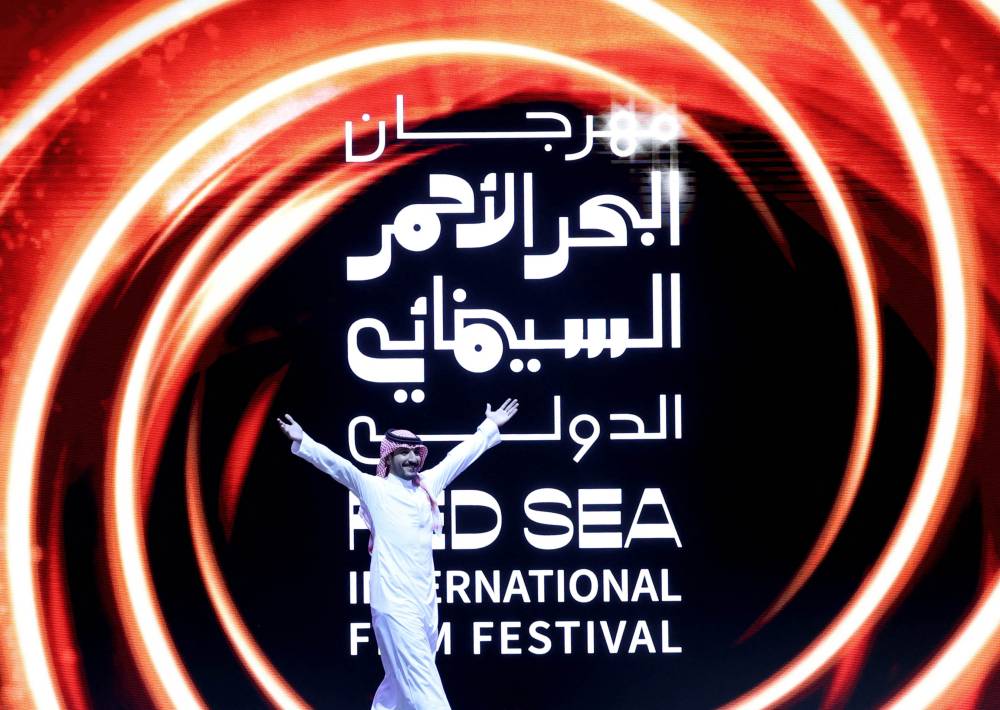
AFP
A Saudi celebrates at the closing ceremony of the 2nd edition of the Red Sea International Film Festival, in Jeddah, Saudi Arabia, on 8 December 2022.

Clear continuity

Looking back to April 2016, the continuity is clear and remarkable. The empowerment of media articulated at the launch of Vision 2030 has gradually evolved into institutions, platforms, and professional practices that now operate at scale and with growing international reach. What was established as a principle has become a practical reality built into the country's reform framework.

The Saudi Media Forum stands as a clear expression of that continuity—rooted in transparency, confidence, and openness. It reflects a reform model that recognises media as an essential contributor to credibility, policy clarity, and sustained progress, reinforcing trust across markets, institutions, and society.

As Saudi Arabia advances into the next phase of Vision 2030, the experience of the past decade offers a clear lesson: reforms are strongest when they are transparent, measurable, and clearly communicated. Media empowerment was a deliberate choice from the outset—and ten years on, its economic and institutional impact is evident across Saudi Arabia's transformation journey.

font change