Crude oil in 2025: the year of managed stability

Oil markets in 2025 traded headlines for fundamentals, as OPEC+ supply management, a cautious pivot by the US Federal Reserve, and resilient global demand kept prices in a narrow range

Coordinated OPEC+ supply management, lower US interest rates, and a resilient global demand base were decisive factors for the crude oil market in 2025.
Eduardo Ramon
Coordinated OPEC+ supply management, lower US interest rates, and a resilient global demand base were decisive factors for the crude oil market in 2025.

Crude oil in 2025: the year of managed stability

The story of crude oil in 2025 was not one of boom or bust but of balance. Three forces steered the market: coordinated OPEC+ supply management; a shift by the US Federal Reserve toward lower interest rates; and a broadly resilient global oil demand base. Together, they kept prices firm while confining both major benchmarks to one of the tightest trading ranges seen in recent years, even as the market navigated economic sanctions, geopolitical tensions, and shifting headlines.

The trajectory of crude prices was shaped by the interaction of these forces. OPEC+ paced supply in a measured and disciplined way, the Federal Reserve moved from restraint to cautious easing, and consumption in major importing countries held up strongly across transport, industry, aviation, and petrochemicals.

Efficiency gains and the advance of electric vehicles began to reshape some segments of demand, but did not derail overall growth. The result was a year in which the oil market remained broadly balanced, with price movements reflecting managed stability rather than structural weakness. Oil demand also proved consistently resilient despite sanctions pressure and persistent geopolitical risk.

Lower levels, narrower ranges

Oil prices were lower than in earlier post-pandemic years but noticeably more stable. For most of the year, Brent traded in a relatively tight band, oscillating within a few dollars of its mid-60s to upper-60s handle rather than breaking into sustained rallies or sharp sell-offs.

West Texas Intermediate (WTI) followed the same pattern a few dollars below Brent, with moves that were contained and quickly met by fresh buying interest as prices approached the lower end of the range.

Reuters
The Philadelphia Energy Solutions petroleum refinery on 4 December 2014.

Compared with 2024, the overall price level was a little softer, but the path was much smoother. Last year was marked by wider swings and more frequent tests of higher levels as markets reacted to shifting expectations on inflation, interest rates, and supply risks. This year, the momentum was more range-bound, with fewer extreme spikes and quicker mean reversion, suggesting a market that is more balanced and less driven by shock. The absence of pronounced surges or collapses pointed to a market operating in relative equilibrium.

This stability has persisted even as traders weigh two key influences. On one side are the effects of incremental OPEC+ supply increases. On the other, the impact of the Federal Reserve’s shift from raising rates to cutting them.

Federal Reserve: a cautious pivot, no euphoria

After more than a year of monetary restraint, the Federal Reserve began to reverse course in 2025. It initiated a 25-basis-point cut in September, lowering the federal funds rate to a range of 4% to 4.25%. A second 25 basis point cut followed in October, bringing the range down to 3.75% to 4.00%. These decisions marked a deliberate shift away from a singular focus on inflation toward a more balanced stance that acknowledged slowing growth and a cooling labour market.

For crude oil, the implications were real but nuanced. Much of the dollar’s softening occurred before the cuts as markets anticipated the pivot. Once the decisions were delivered, the dollar firmed modestly but remained below its mid-year highs, leaving financial conditions more supportive than at the start of the year.

Easier monetary policy matters for oil in several ways. Lower interest rates reduce borrowing costs for households and businesses, supporting consumption, investment, and travel, all of which drive fuel demand. Easing also encourages investors to increase their exposure to risk assets, including commodities, thereby improving liquidity in oil futures markets. A softer dollar relative to earlier in the year improved purchasing power for non-US buyers of dollar-denominated crude and petroleum products. These channels helped steady global oil demand at a time when markets were closely watching for signs of a slowdown in major consuming regions.
 A softer dollar compared with earlier in the year improved purchasing power for non-US buyers of dollar-denominated crude and products

Despite this more supportive macro backdrop, oil prices did not break out to the upside. Brent and WTI continued to trade in tight ranges. This muted reaction underscored a key point: monetary stimulus alone does not guarantee a price rally. The market remains well supplied, and demand growth, while positive, is more moderate than during the immediate post-pandemic rebound. The Federal Reserve's cuts have acted more as a shock absorber than an accelerator. They cushion downside risk without triggering speculative excess.

The full impact of cuts on demand is also subject to lags. Lower rates support credit markets and consumer confidence, but the resulting increases in travel, freight, industrial activity, and fuel use tend to appear over quarters rather than weeks. A more visible consumption response may emerge toward the end of 2025 and into 2026. 

In essence, the monetary pivot did not disrupt the oil market. It steadied it. The shift from restraint to easing supported global consumption through a somewhat weaker dollar and easier credit conditions, complementing OPEC+'s supply management.

OPEC+ sets the pace

On the supply side, OPEC+ pursued a strategy of measured normalisation rather than aggressive expansion. The alliance's strategic centre, often described as the group of eight—Algeria, Iraq, Kazakhstan, Kuwait, Oman, Russia, Saudi Arabia, and the UAE—continued the phased unwinding of voluntary cuts first introduced in 2023.

Reuters
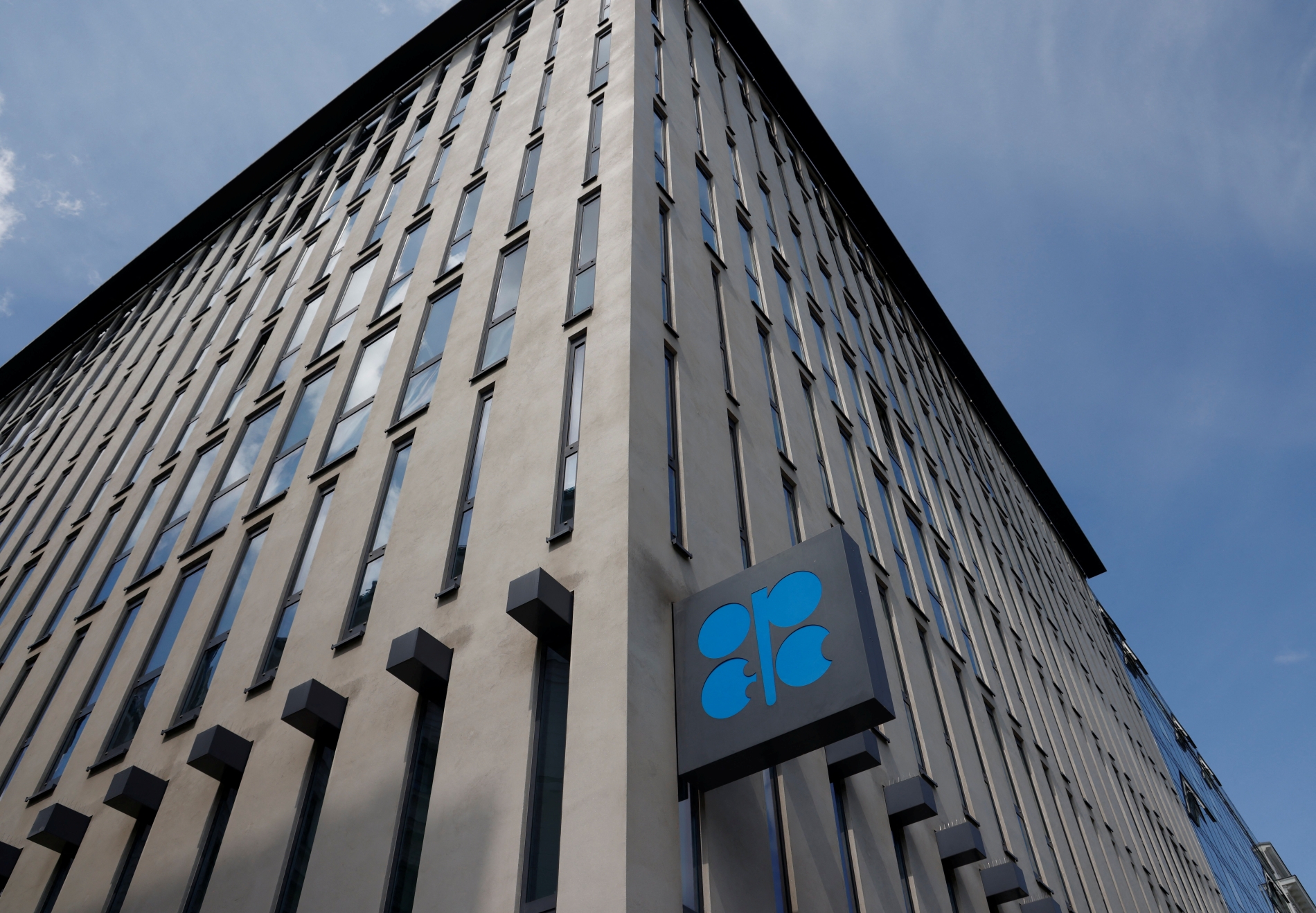
The Organisation of the Petroleum Exporting Countries (OPEC) headquarters in Vienna, Austria, on 28 May 2024.

By September, roughly 2.2 million barrels per day of production had been restored. A further 160,000 barrels per day increment began under the previously announced roadmap toward the end of the year. These steps were not about opening the taps indiscriminately. They were designed to recalibrate supply to a world of slower but still positive demand growth.

This approach had several defining features. Changes were signalled well in advance, reducing uncertainty and avoiding surprise shocks. Monthly increases were modest, limiting the risk of sudden inventory overhangs. Adjustments accounted for shifts in domestic power demand and export capacity, particularly in key producers, so that additional exports often reflected seasonal reallocation rather than new capacity.

The net effect was to maintain market fundamentals. Supply additions remained moderate, inventories were contained, and physical balances across major consuming regions were tight but orderly. Rather than reacting to price movements, OPEC+ effectively set the pace by aligning incremental supply with observable demand rather than headline-driven sentiment.

Physical signals point to stability

Physical market indicators consistently reinforce the picture of a balanced but not oversupplied system. Throughout the third quarter and into the early part of the fourth quarter, Brent and Dubai time spreads remained in backwardation, meaning crude available for immediate delivery continued to trade at a premium to later- delivery crude. That structure is the opposite of what would be expected in a clear surplus. It signals that near-term supply is still relatively tight and that buyers are willing to pay more to secure crude today rather than wait for future cargoes.

Reuters
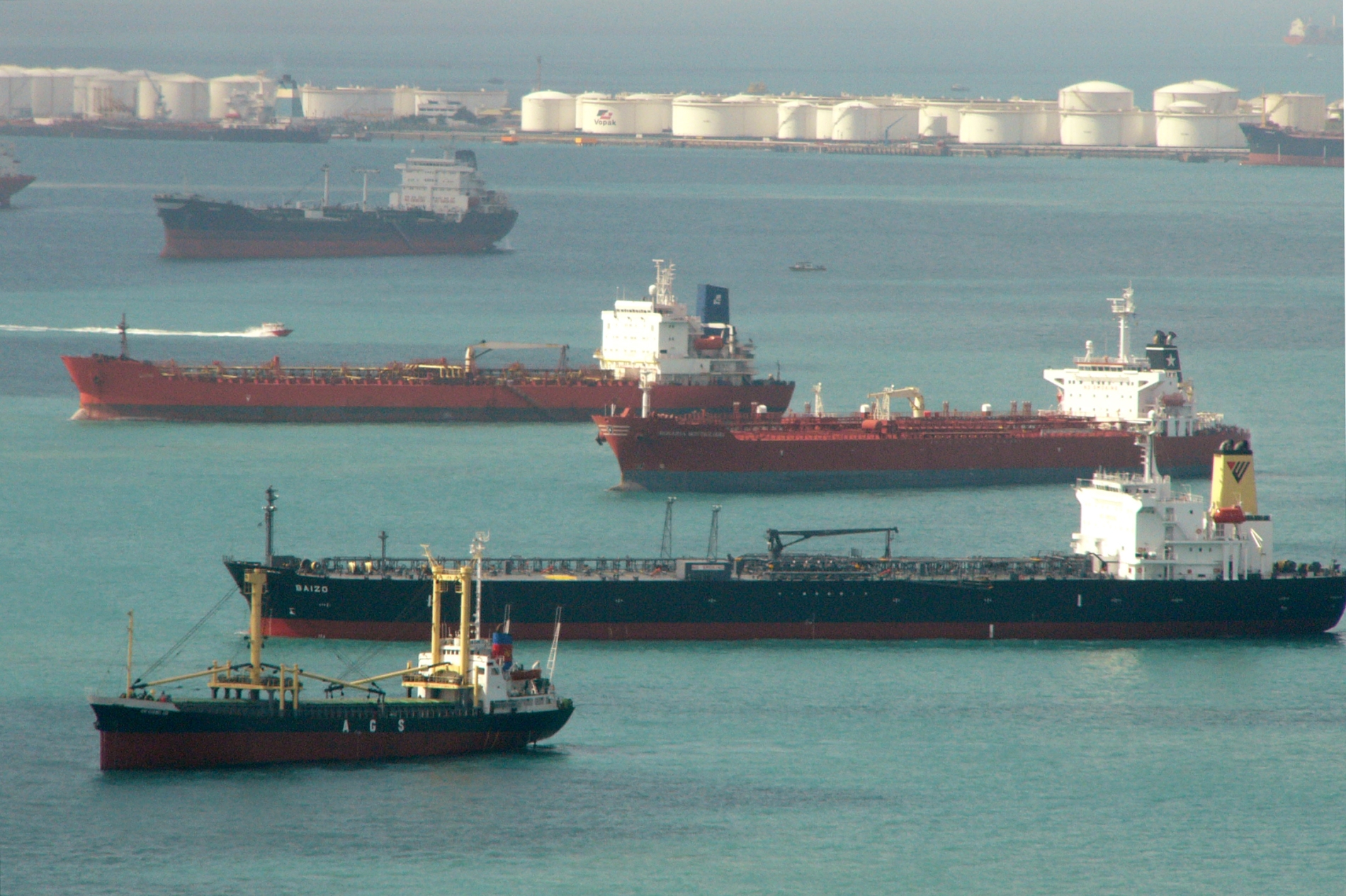
Oil tankers dock outside the Keppel port in Singapore.

Refining margins in key Asian hubs eased from their mid-year peaks but remained comfortably positive, sufficient to support steady to high refinery runs. Complex and simple refineries alike maintained healthy utilisation, backed by firm demand for transport fuels, petrochemical feedstocks, and jet fuel. Crack spreads for middle distillates and gasoline narrowed from earlier extremes but continue to signal that refiners are being rewarded for turning crude into products.

Cargoes were placed and lifted without the deep discounts that would normally appear in a prolonged oversupply environment, and differentials to benchmarks generally held within normal historical ranges.

Taken together, these signals suggest the market is no longer as tight as during earlier supply crunches. However, it is far from loose. In effect, balances have shifted from tight and fragile to stable and managed, with physical indicators confirming the same story that price action and policy signals have been telling throughout 2025.

Electric vehicles reshape China's demand

China remains central to the global oil balance. As the world's largest crude importer, it continued to absorb a significant share of OPEC+ supply. Crude import levels remained elevated, supported by high refinery runs, robust industrial activity, and rising long-haul product exports. Large state-owned and private refiners maintained high throughput, using imported crude to meet domestic demand and supply growing export markets for gasoline, diesel, and petrochemical feedstocks.

At the same time, China has become the leading global producer and market for electric vehicles, with battery-electric and hybrid models taking a steadily larger share of new-car sales. This rapid expansion of manufacturing capacity and charging networks is beginning to slow the growth rate of gasoline demand in the passenger-car segment. 

AFP
Electric vehicles (EVs) waiting to be transported in a distribution centre of Chinese state-owned automobile manufacturer Changan in south-west China's Chongqing municipality.

Passenger-car fuel use is only one component of China's oil demand. Growth in freight transport, e-commerce logistics, aviation, and petrochemicals continues to support substantial consumption of diesel, jet fuel, and naphtha. Even as the pace of strategic and commercial stockpiling slows relative to earlier phases of heavy buying, underlying crude intake remains high because refineries are operating to meet both domestic demand and export opportunities.

The result is not a narrative of electric vehicles destroying oil demand but a story of recomposition. Even with rapid electrification, China's scale, industrial structure, and role as a major refining and export hub ensure that it will remain a key pillar of global crude demand and a central anchor for market balances for many years to come.

When sentiment overtakes supply and demand

If macroeconomic and physical data point to balance, why have prices at times felt heavy, particularly when Brent has traded in the low $60s per barrel? The answer lies in the gap between narrative and reality.

In recent months, oil markets have been flooded with headlines about possible peace frameworks in the Russia-Ukraine war, new sanctions packages targeting Russian entities, and repeated talk of an impending glut if Russian barrels continue to flow at scale while OPEC+ adds output.

News that some political actors are exploring ways to end hostilities, and that sanctions may be adjusted, has led many traders to conclude that Russian supply risks are lower than previously thought. At the same time, new sanctions have often redirected flows rather than cutting them off, as crude is rerouted to alternative buyers, intermediaries, and shipping arrangements. Volumes that once moved openly now move through more complex channels.

If the perceived probability of a sharp disruption in Russian exports falls, the market becomes more willing to sell rallies and accept Brent at lower levels, including in the low $60s per barrel at times. Paper positioning adjusts quickly to changing headlines, even as underlying barrels continue to move.

If the perceived probability of a sharp disruption in Russian exports falls, the market becomes more willing to sell rallies and accept Brent at lower levels

Yet physical markets tell a different story. In several regions, middle distillate cracks have climbed to multi-year highs, reflecting tightness in diesel and jet fuel supplies rather than weakness. Meanwhile, refiners continue to see solid demand for transport fuels and petrochemical feedstocks. This consumption is further supported by earlier Federal Reserve interest rate cuts and by ongoing growth in emerging markets, where rising incomes and expanding logistics networks keep energy use on an upward path.

OPEC+ policy remains focused on balance and the avoidance of extreme volatility. Inventories are not ballooning, time spreads in key benchmarks continue to show backwardation rather than contango, and cargoes are clearing without the deep discounts that would signal a sustained glut.

The recent softness in flat prices has been driven more by sentiment and scenario trading than by a clear breakdown in supply and demand. The market is responding to potential outcomes rather than to actual physical flows. 

An emerging new cycle

Taken together, this year's developments indicate the early contours of a new oil cycle that differs markedly from the boom-and-bust patterns of the past 10 years. Several features stand out. Trading ranges have been noticeably narrower, with fewer extreme spikes or deep collapses. Physical signals such as time spreads and refining margins point to balance rather than acute stress.

Reuters
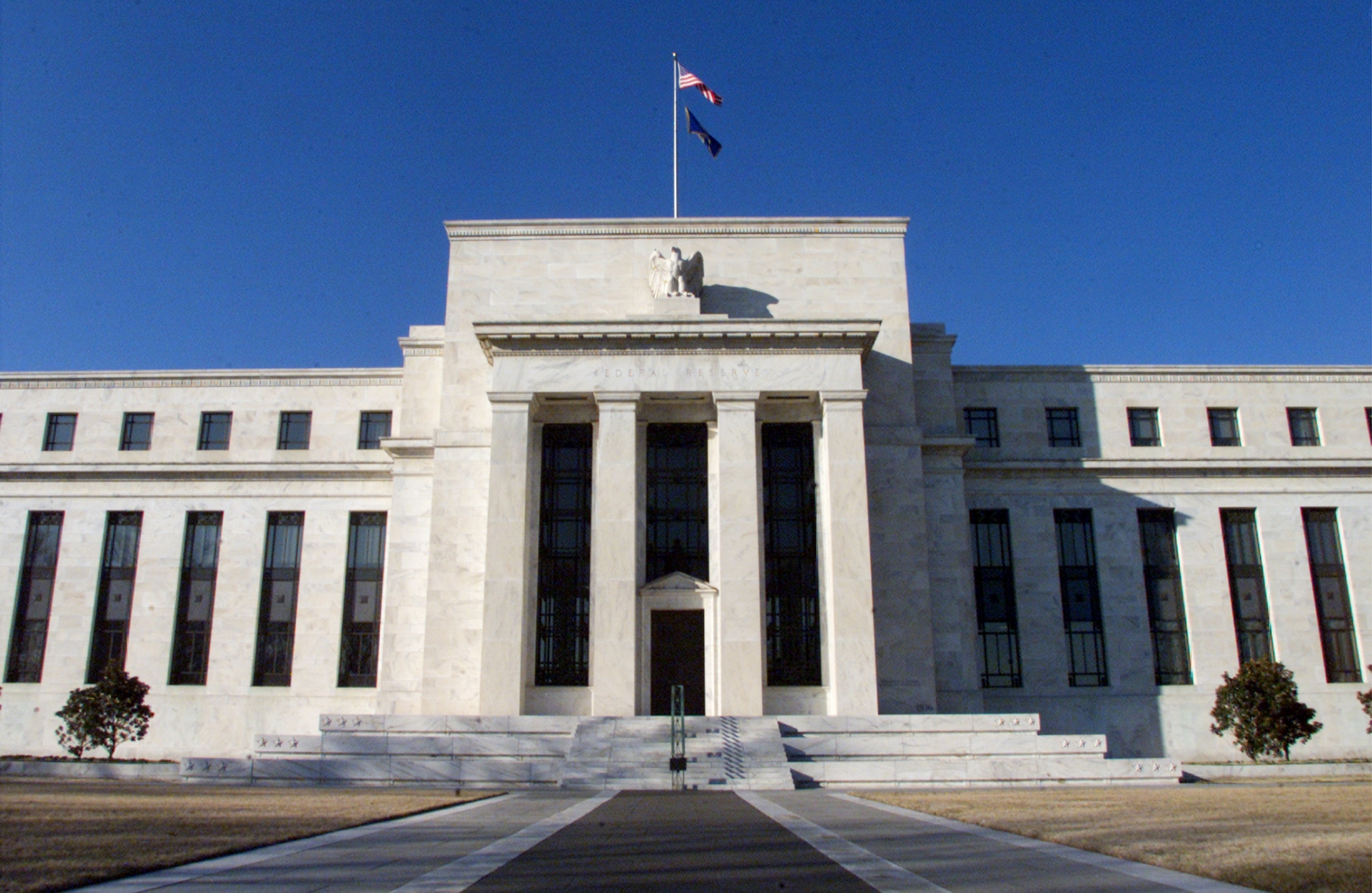
The US Federal Reserve Building in Washington, DC.

Supply and monetary policies are also being managed with greater awareness of one another. OPEC+ has used gradual, and clearly signalled adjustments to align supply with observed demand, while central banks have shifted from aggressive tightening toward more neutral or moderately supportive settings.

At the same time, the demand profile is maturing. Growth is slower than in the immediate post-pandemic years but more diversified across regions and sectors, with emerging economies, aviation, and petrochemicals offsetting flatter trends in some road fuel segments.

The oil market is not static, and technology, policy, and geopolitics continue to evolve. Even so, the centre of gravity in 2025 has clearly shifted toward managed stability rather than constant crisis. This shift is shaped by the interplay among OPEC+ objectives, resilient consumption in major importing countries, and a monetary backdrop that now tends to support growth rather than suppress it.

What to expect in 2026

As the market looks ahead, several themes are likely to shape oil price behaviour and volatility. Emerging economies, the ongoing recovery in aviation, and steady expansion in petrochemicals will lead to growth, even as efficiency gains and the wider adoption of electric vehicles slow the rise in road fuel demand in some regions.

OPEC+ will maintain its role as a practical swing manager and adjust supply in measured steps to avoid both a damaging price collapse and an inflation-driven spike. The Federal Reserve and other major central banks will keep policy neutral or mildly supportive—less tight than in 2023 and 2024 but not excessively loose.

Under these conditions, oil prices are likely to remain within a relatively contained band. Periods of firmness will appear when inventories tighten or when demand surprises on the upside. Periods of softness will emerge when macroeconomic data disappoint or when new supply comes online.

One of the clearest lessons of 2025 has been the limited, lasting impact of geopolitical shocks and sanctions on physical balances. If geopolitical tensions ease in 2026—through incremental progress in conflict resolution, more predictable sanctions, or fewer episodes of escalation—the net impact on oil prices could diminish further. Geopolitics will still matter, but the market may treat it more as a source of temporary risk premia than a key long-term price driver. At the same time, 2025 has shown that, even when tensions remain high, coordinated supply management and resilient demand can offset most potential damage. That lesson is likely to carry into 2026.

AFP
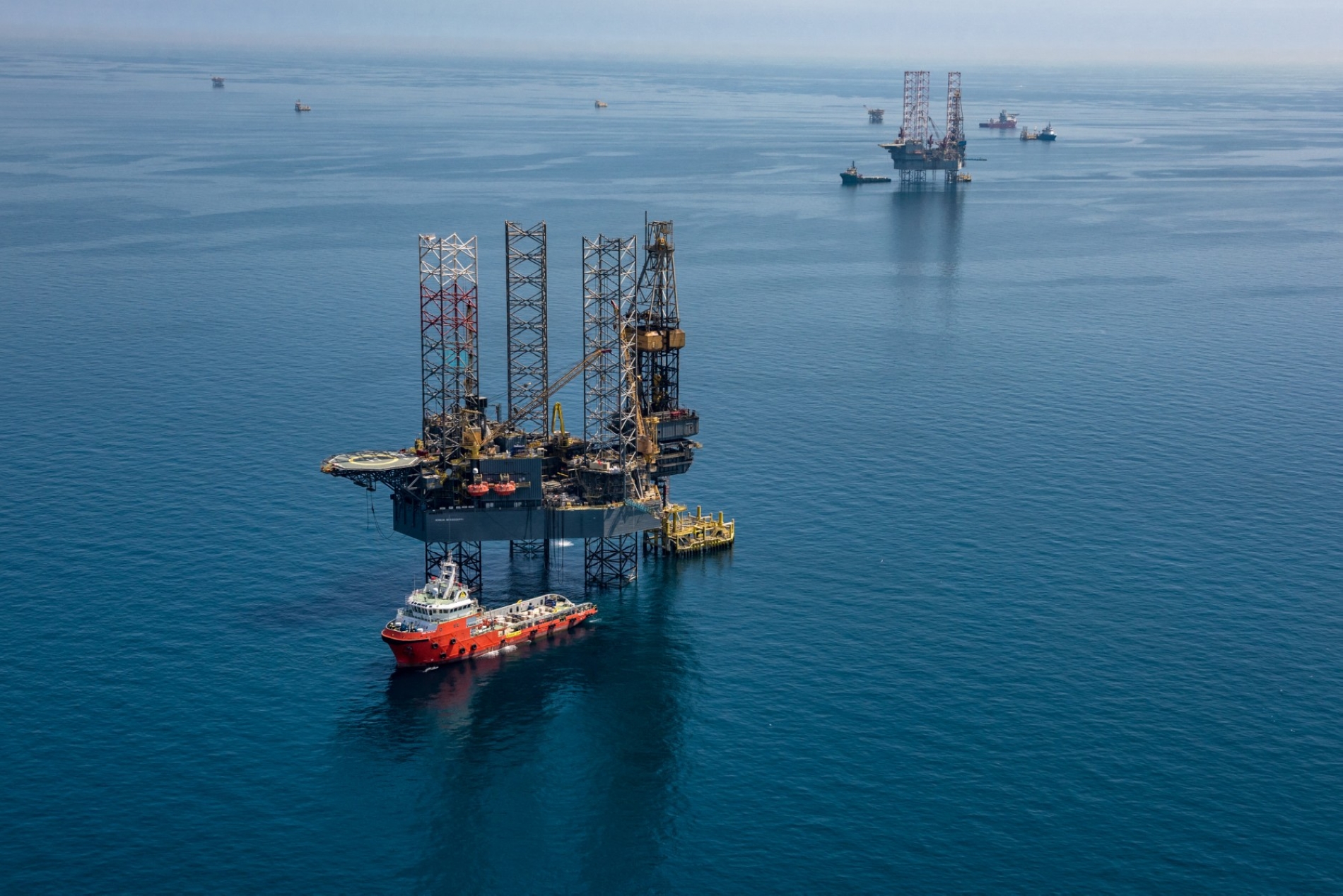
Rigs in HSBH field north of Dhahran in the eastern province of Saudi Arabia owned by energy giant Saudi Aramco.

Risks remain on both sides of the outlook. On the downside, a sharper-than-expected slowdown in global growth or renewed financial stress could weaken demand more than anticipated. Faster efficiency gains or a stronger policy push behind electrification could also slow oil consumption in key markets more quickly than current baselines assume. 

On the upside, stronger-than-expected demand from aviation, petrochemicals or large emerging economies, or significant disruptions to supply from weather events, unplanned outages or accidents, could tighten balances beyond the central case. Even so, the presence of a more disciplined OPEC+, a more cautious Federal Reserve, and a more diversified demand base suggests that extreme price outcomes may be less frequent than in the past.

Stability as a strategy

The oil market of 2025 has not been a story of dramatic collapses or spectacular rallies. It has been a year in which stability itself has become a strategy. OPEC+ has used supply management to prevent the buildup of damaging surpluses. The Federal Reserve's move from aggressive tightening to cautious easing has removed an important macroeconomic headwind without unleashing runaway speculation.

Major importers—from the largest crude buyer to other key consuming regions—have continued to rely on oil even as they invest heavily in efficiency, electrification, and new technologies.

As 2026 approaches, the emerging picture is of an oil market learning to live with lower growth, higher discipline, and tighter trading bands. The deeper story, however, is of a more mature system. One that is more managed and more resilient.

For analysts, policymakers, and market participants, the key takeaway is clear: in this new phase, fundamentals and coordination matter more than ever. Headlines will remain noisy, but barrels will continue to determine the market's real direction.

font change