Tech billionaires: unprecedented wealth, power, and responsibility

Billionaires today make their money from data, algorithms, and digital innovation, with the AI revolution offering the chance of vast fortunes, but it is not just money that they hold in their hands.

Tech billionaires in 2025 have a very different level and kind of wealth compared to the first billionaires of the early 20th century.
Reuters/Al Majalla
Tech billionaires in 2025 have a very different level and kind of wealth compared to the first billionaires of the early 20th century.

Tech billionaires: unprecedented wealth, power, and responsibility

John D. Rockefeller, the American oil magnate and philanthropist, did more than just accumulate vast riches through his Standard Oil company; he helped redefine the concept of wealth, ushering in a new age: that of the billionaire.

Born into modest circumstances in 1839, he began his career as a bookkeeper before founding Standard Oil in 1870. Through strategic planning and a succession of acquisitions, it came to dominate the burgeoning American oil industry, eventually securing 90% control over the nation’s oil refining and transportation. By 1916, his personal fortune had officially exceeded $1bn.

Today, more than a century later, there are hundreds of billionaires. Some, like him, amassed their fortunes in hydrocarbons; others in construction, automobiles, real estate, investments, and banking. Over the past two decades, however, a profound shift has occurred in the way most fortunes are made. Most billionaires today made their money through technology, specifically digital technologies, including artificial intelligence (AI). This new class of wealth is built on data, algorithms, and digital creativity, and has all but reconfigured the global economy.

Top of the pyramid

Today’s top tech billionaires have fortunes that rival (and in some cases surpass) the budgets of small nations. Their wealth has grown at an astonishing pace, driven by the rise of AI and cloud computing. Elon Musk, the world’s richest person, presides over an empire that includes X, a social media platform; Tesla, which makes electric vehicles and batteries; Starlink, which provides satellite-based communication; and SpaceX, a space exploration company, to name but a few.
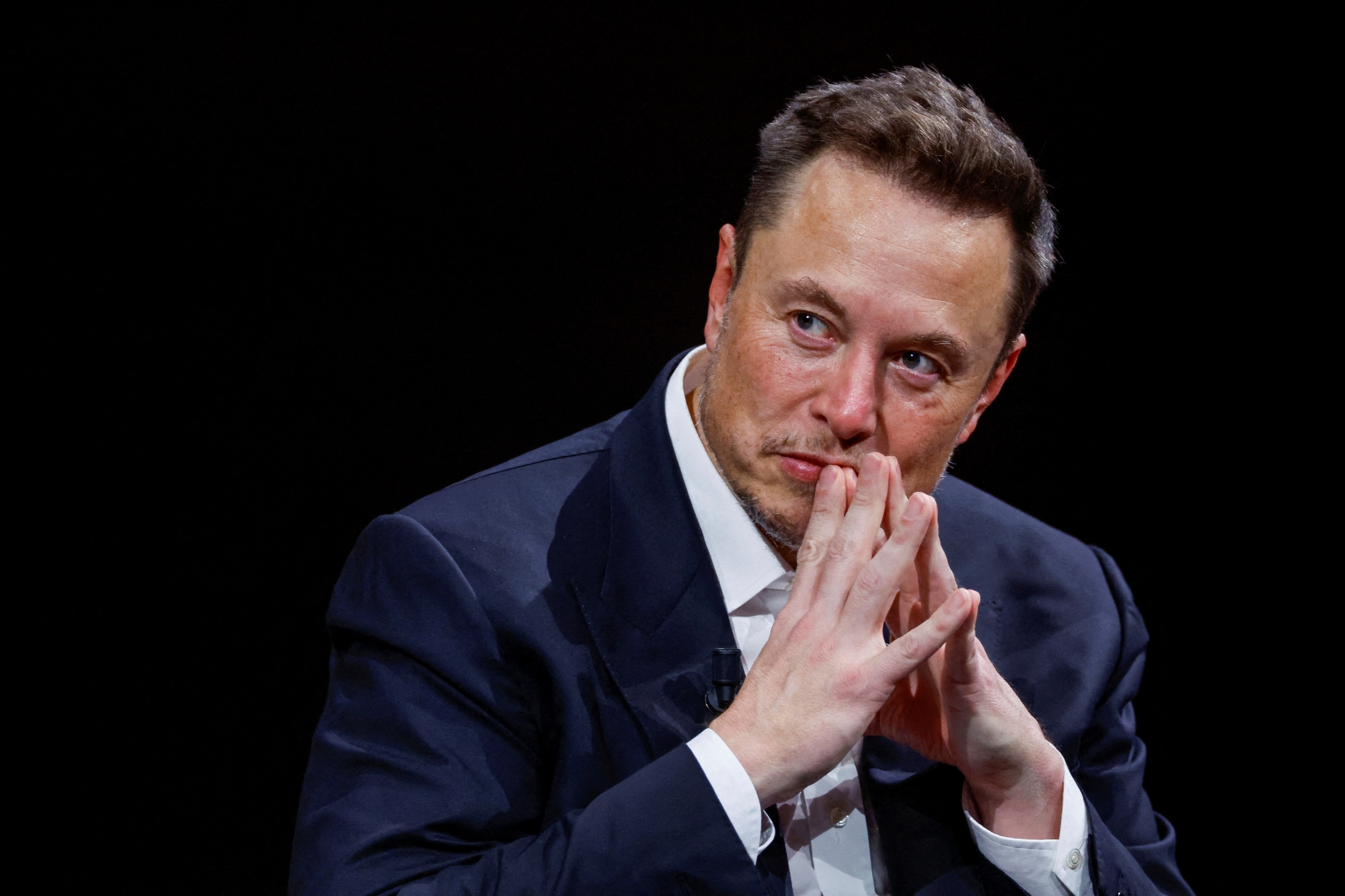
Gonzalo Fuentes/Reuters
Elon Musk attends the Viva Technology conference dedicated to innovation and start-ups at the Porte de Versailles exhibition centre in Paris on June 16, 2023.

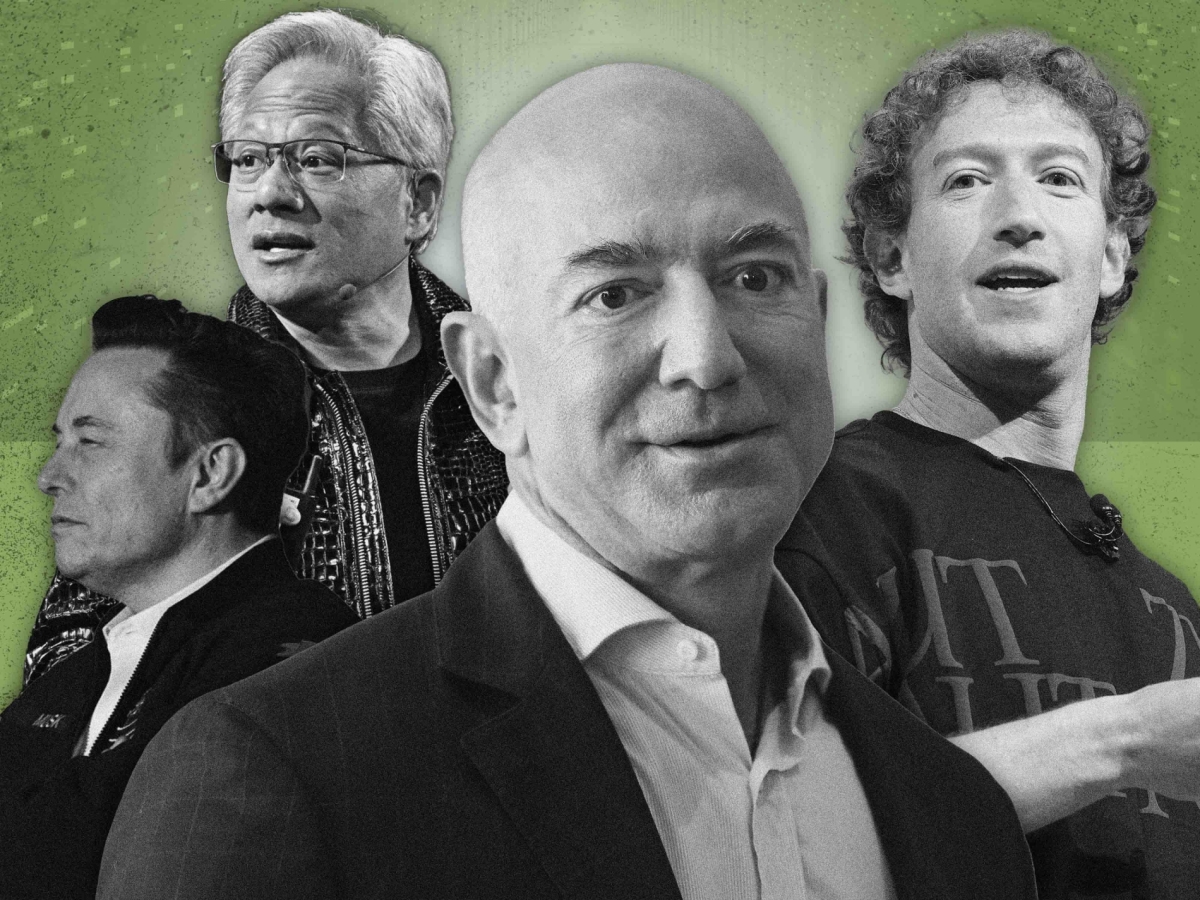
Jeff Bezos, the founder of Amazon, made his money by growing the e-commerce giant into one of the world’s biggest companies. Today it covers not only retail but cloud computing, TV, and other digital services. Larry Page and Sergey Brin, co-founders of Alphabet (parent company of Google and YouTube) have also amassed vast fortunes through their company’s dominance in search technology and cloud services.

They are joined at the pinnacle of the rich league by Mark Zuckerberg, founder of Meta (which owns Facebook, WhatsApp, and Instagram) and Jensen Huang, chief executive of Nvidia (whose company make the processors powering the AI revolution). Others in the top tier include Tim Cook of Apple, Larry Ellison of Oracle, Michael Dell of Dell Computers, and Steve Ballmer and Bill Gates of Microsoft.

The combined wealth of the world’s richest individuals was $15.8tn in 2025, a staggering figure significantly bolstered by a new wave of more than 190 self-made billionaires, collectively adding $386.5bn to their net worth—the second-highest annual increase ever. There were 2,682 billionaires in 2024 but 2,919 in 2025, an 8.8% increase. Most are based in the US or Asia-Pacific.

Assessing wealth

While tech-focused billionaires enjoyed a 23.8% surge in their fortunes, those involved in consumer sectors experienced more modest gains, their net wealth rising by 5.3%. The retail market faced headwinds owing in part to a general slowdown in the luxury goods sector, though it remains the largest sector by value, at $3.1tn. Industrial wealth recorded the fastest growth, climbing 27.1% to reach a total of $1.7tn.
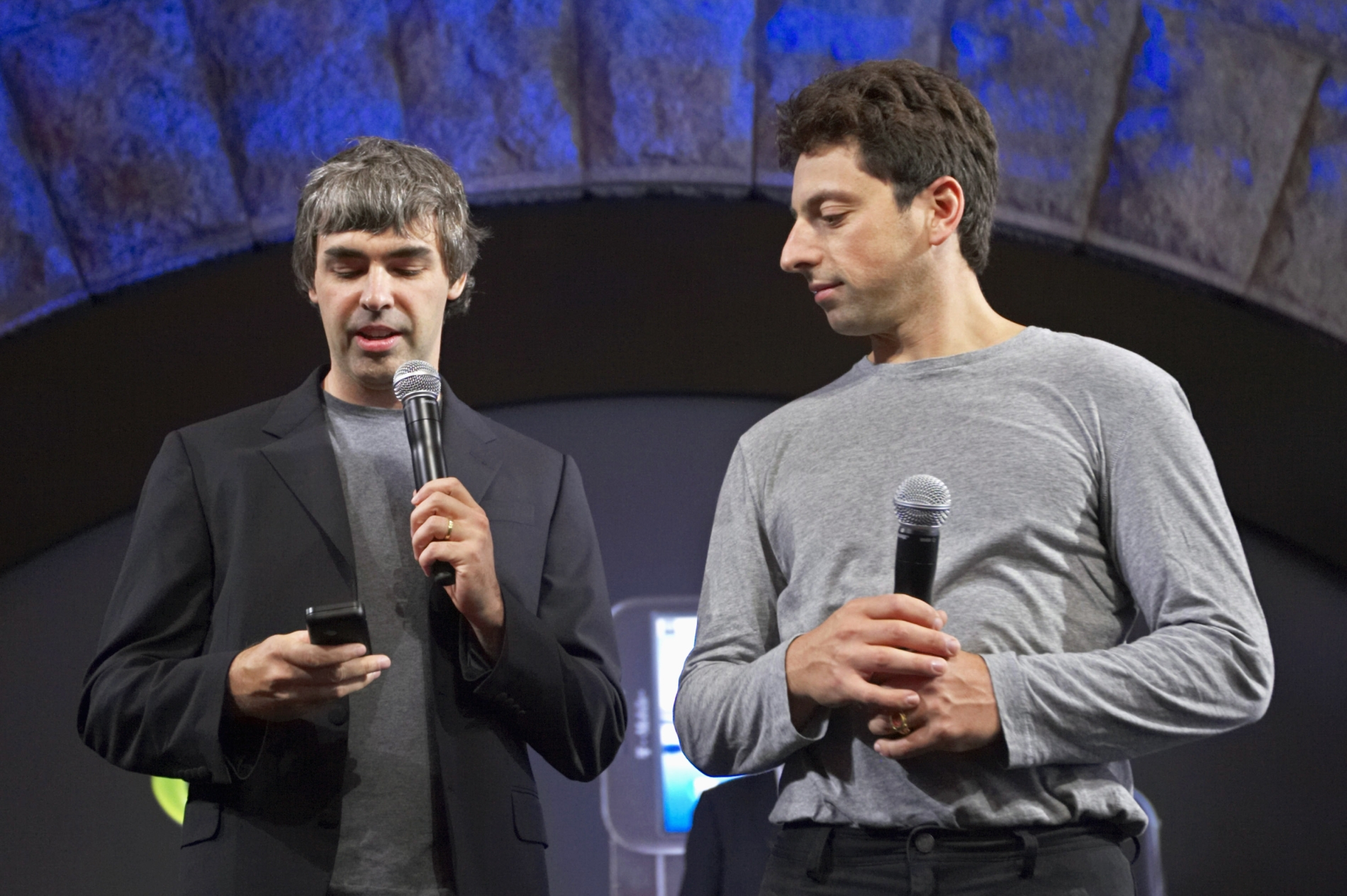
Jacob Silberberg/Reuters
Larry Page (L) and Sergey Brin, founders of Google, in New York September 23, 2008.

North America retained its status as the most attractive investment destination. Notably, the average wealth of female billionaires rose to $5.2bn, an 8.4% increase, while the wealth of male billionaires grew by 3.2%, to an average of $5.4bn. Although there are only 374 female billionaires compared to 2,545 male billionaires, women have outpaced their male counterparts in wealth accumulation for four consecutive years.
Today's top tech billionaires have fortunes that rival or surpass the budgets of small nations. Their wealth has grown at an astonishing pace, driven by the rise of AI and cloud computing

On the family front, a significant number of succession plans were executed in 2025. Wealth transfers rose sharply, with 91 heirs worldwide inheriting a record $297.8bn, up 36% from last year. Today, around 860 multigenerational billionaires manage assets totalling $4.7tn, up from 805 individuals overseeing $4.1tn the previous year.

Many billionaires also relocated during the past year. Around 36% reported having moved at least once in 2025, driven by factors such as improved quality of life, major geopolitical concerns, and more efficient tax planning. Several countries are making such transitions easier for the ultra-wealthy. For example, it recently became much easier for wealthy Americans to move to New Zealand. A variety of other 'golden visa' schemes also await billionaires considering international moves in 2026.

A new generation

By and large, today's billionaires' fortunes are no longer anchored in physical products or property. Rather, their money is based on digital assets built not out of bricks and mortar but out of software, processors, algorithms, and user data. Jensen Huang is a prime example: Nvidia's value is mainly based on its intellectual property. Self-made entrepreneurs like Huang represent nearly 70% of new billionaires. Some are coders who founded start-ups that rode the wave in AI, cloud computing, and data analytics.

Remo Casilli/Reuters
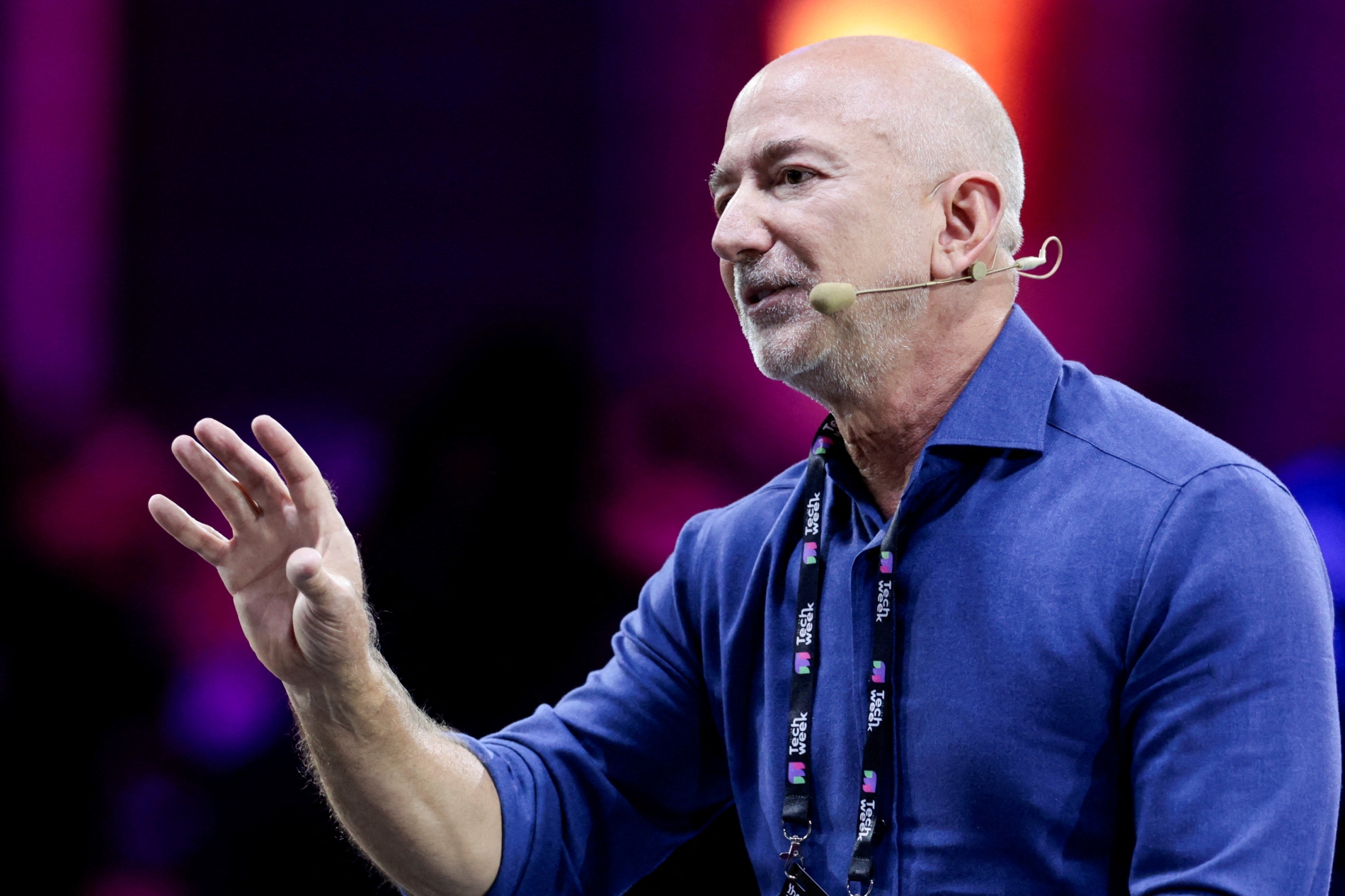
Amazon founder Jeff Bezos speaks at the main panel of Italian Tech Week 2025 in Turin, Italy October 3, 2025.

In the life sciences, billionaire pioneers include Ben Lamm, whose ventures include not only mobile apps, digital gaming, and machine learning, but also biosciences, plastic degradation, biobanking, and even genetic engineering to combat extinction. In the food and consumer sectors, brothers Zhang Hongchao and Zhang Hongfu (founders of Mixue Ice Cream & Tea) have created a Chinese success story.

By contrast, others billionaires have inherited their fortunes, including 15 people from German pharmaceutical dynasties, reflecting a global landscape where wealth continues to oscillate between innovation-driven capital and family inheritance. Yet the prevailing trend unmistakably points to digital innovation as the most powerful force shaping wealth in the 21st century. This technological surge has increased billionaire numbers and reshaped the structure of the global economy.

Jung Yeon-je / AFP

Investors in AI stocks have recently logged gains of around 25% per year, creating a class of tech winners, but at the same time widening the divide between the ultra-wealthy and everyone else, as an increasing share of profits now originates from financial markets rather than physical production. A knowledge economy is taking shape, one in which data and technical expertise are the prime assets of the era, eclipsing traditional capital and raw materials as the foundation of economic power.

Different kinds of assets

Technology typically does not depend on finite physical resources, but on innovation and the ability to transform ideas into high-value products. With each new algorithm or breakthrough in digital infrastructure, fresh economic opportunities emerge, driving productivity and creating entirely new markets. This form of wealth showcases humanity's capacity to expand its potential beyond the traditional limits of energy, minerals, agriculture, and heavy industry. It fosters rapid growth in high-value employment, stimulates investment in scientific research, and offers ambitious economies the chance to bypass lengthy phases of industrial development.

Carlos Barria/Reuters
Meta CEO Mark Zuckerberg wears his company's display glasses at an event in California on September 17, 2025.

There are downsides, however. Profits rooted in digital platforms and AI can also render economies more volatile. Simple software changes, or the dominance of a single company, can reshape entire markets overnight. This amplifies the threat of monopolies, concentrating wealth and power in the hands of a few. Moreover, the data- and algorithm-driven nature of this new wealth raises big questions around privacy, transparency, and the manipulation of information, spurring calls for a careful balance between innovating for wealth creation and protecting society.

A knowledge economy is taking shape, one in which data and technical expertise are the prime assets of the era

Although today's tech and AI billionaires are rising to the top of the global wealth pyramid at an unprecedented pace, their immense digital fortunes come at a cost, with challenges that straddle politics, economics, security, the environment, and ethics, not least because AI is so energy-intensive. This new billionaire class suddenly find themselves with overwhelming responsibilities, as their products and services redefining the very concept of influence in the digital age.

Obstacles ahead

Another concern is of an AI bubble, as some notable investors warn of. Digital wealth is closely tied to the market valuation of tech stocks, but the sector is highly sensitive to interest rate shifts, changes in investor sentiment, and even minor regulatory decisions. While traditional wealth was underpinned by physical assets or natural resources, tech fortunes rely more on future expectations than on tangible holdings. A digital billionaire may see their fortune double one year and disappear the next, perhaps after a flawed software update or a competitor unveiling a superior algorithm.

Reuters
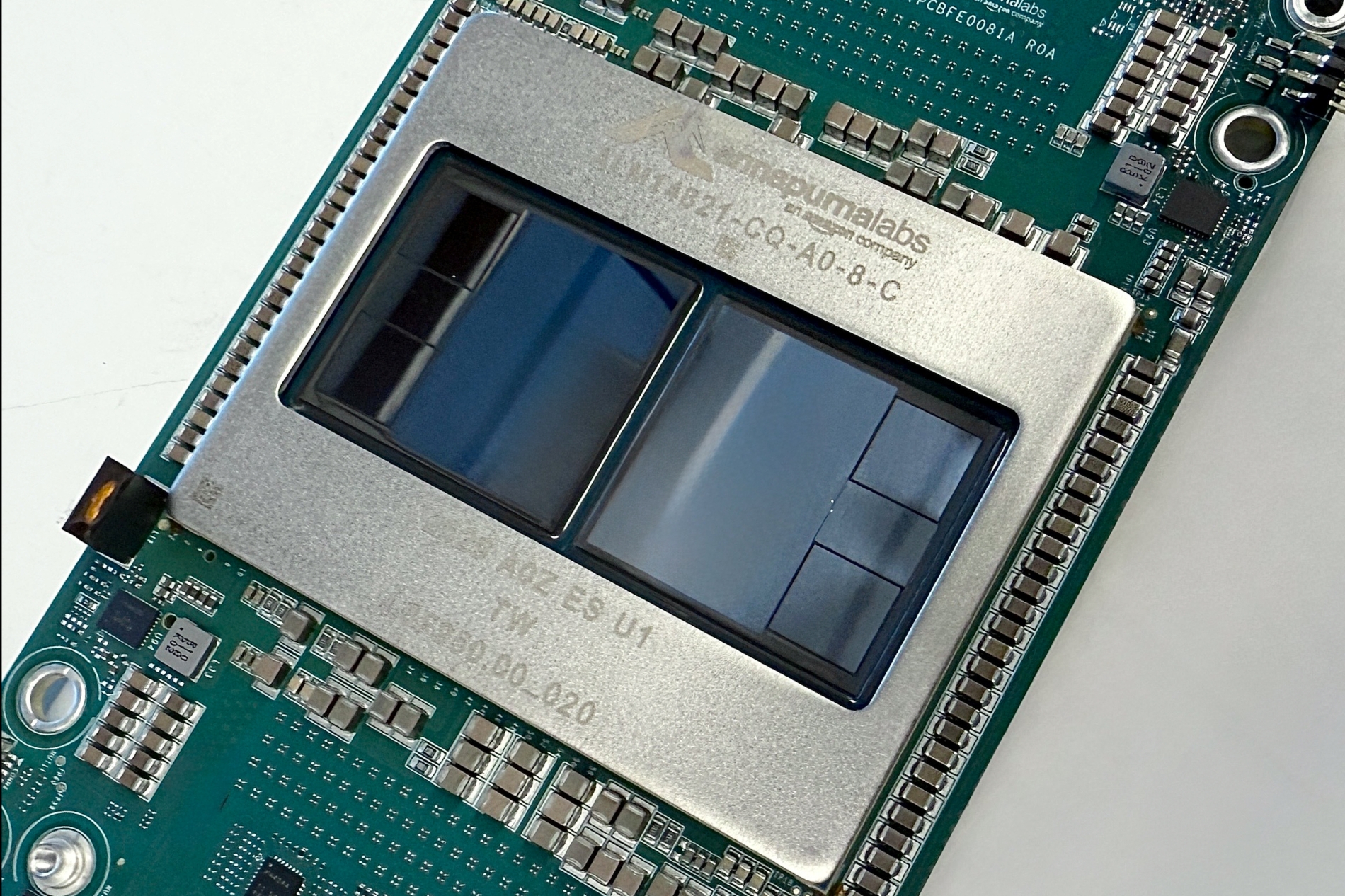
A Tranium3 AI chip made by Amazon Web Services.

Digital billionaires now face growing social and political pressure due to the inherently sensitive nature of their wealth. AI, big data, and digital services have become integral to national security, placing tech moguls firmly within the scope of government regulation and legal oversight. Authorities are imposing stricter controls on privacy, data governance, anti-monopoly measures, and the legal limits of AI, any of which can alter the trajectory of companies and the fortunes of their founders.

Public awareness of technology's influence on everyday life has intensified, leaving tech billionaires increasingly exposed to criticism and accusations of monopolising the future, hoarding access to knowledge, or swaying democratic processes through digital platforms. As a result, the tech billionaire is no longer just a successful entrepreneur, but an unofficial political actor, monitored by governments and scrutinised by society.

In part, this comes from AI being no longer just an economic instrument, but a societal force reshaping employment, work, privacy, even human relationships. As automation and algorithms replace more and more human roles, the responsibilities of tech billionaires in managing this transition becomes ever greater, enveloping digital wealth in a moral complexity that traditional fortunes never encountered. In the age of Rockefeller, the world's richest were often responsible for factories, employees, and wages. The digital billionaire, by contrast, is responsible for the future of humanity. They are being compensated accordingly.

font change