


The recent military flare-up begged questions on who would win in the event of a nuclear or conventional war. Here, Al Majalla compares their arsenals and respective journeys to become nuclear powers.
India-Pakistan tensions reached a fever pitch after a 22 April attack in Pahalgam, a town in Indian-controlled Kashmir, a disputed region divided by a de facto border called the Line of Control. The…
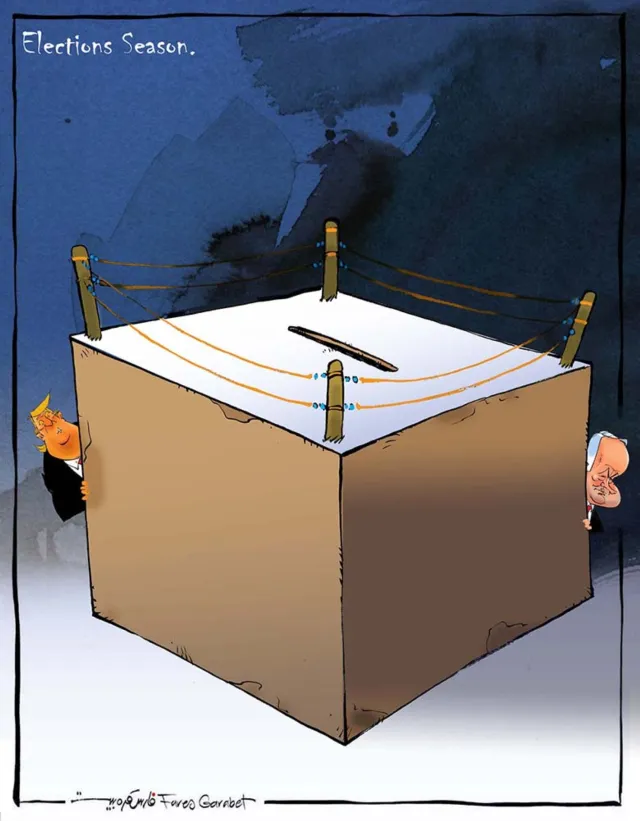
With "three dozen countries" involved, international diplomacy was key to de-escalation, showing how a multipolar world can offer more levers for peace
If only US officials had hit upon the ingenious idea of meeting their Chinese counterparts in person before Liberation Day, much global economic turmoil could have been avoided
Rare earth elements are on the front line of the trade war, vital in everything from smartphones to submarines. China controls most of them. A lack of alternatives is leaving US supply chains exposed.
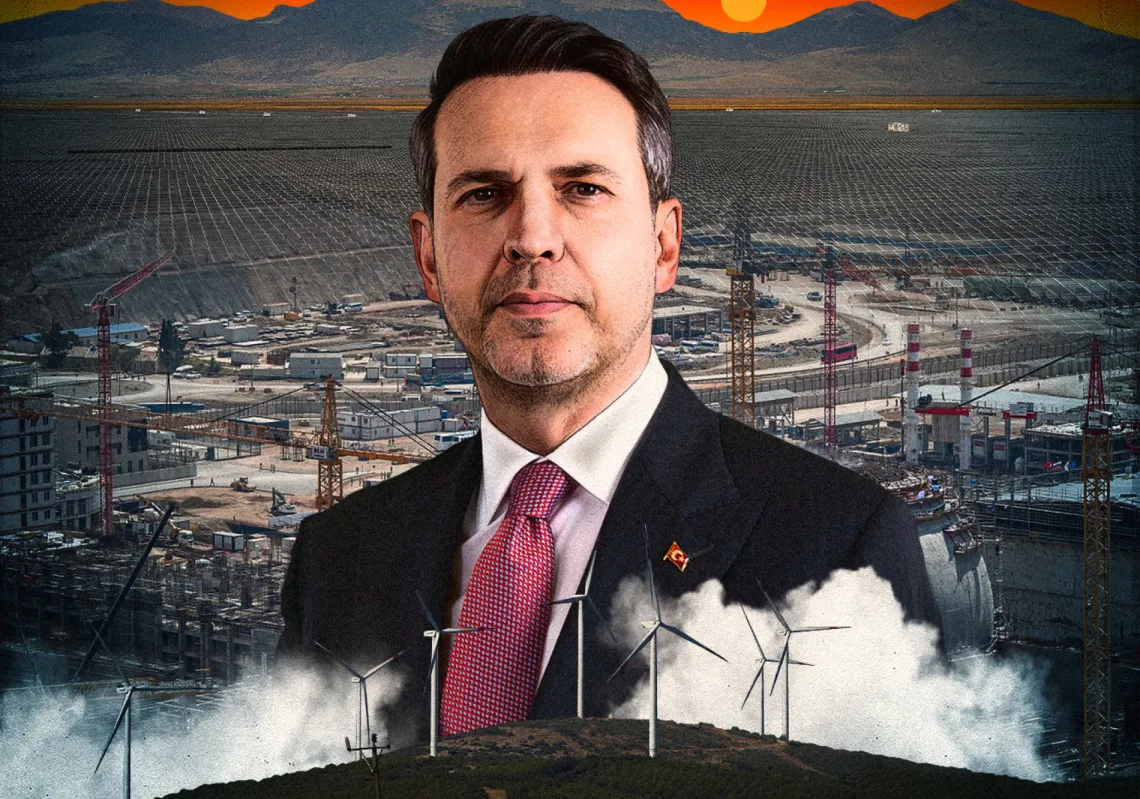
From military spending to energy markets, the US-Israeli war on Iran is driving rising costs, with the Strait of Hormuz emerging as a central pressure point
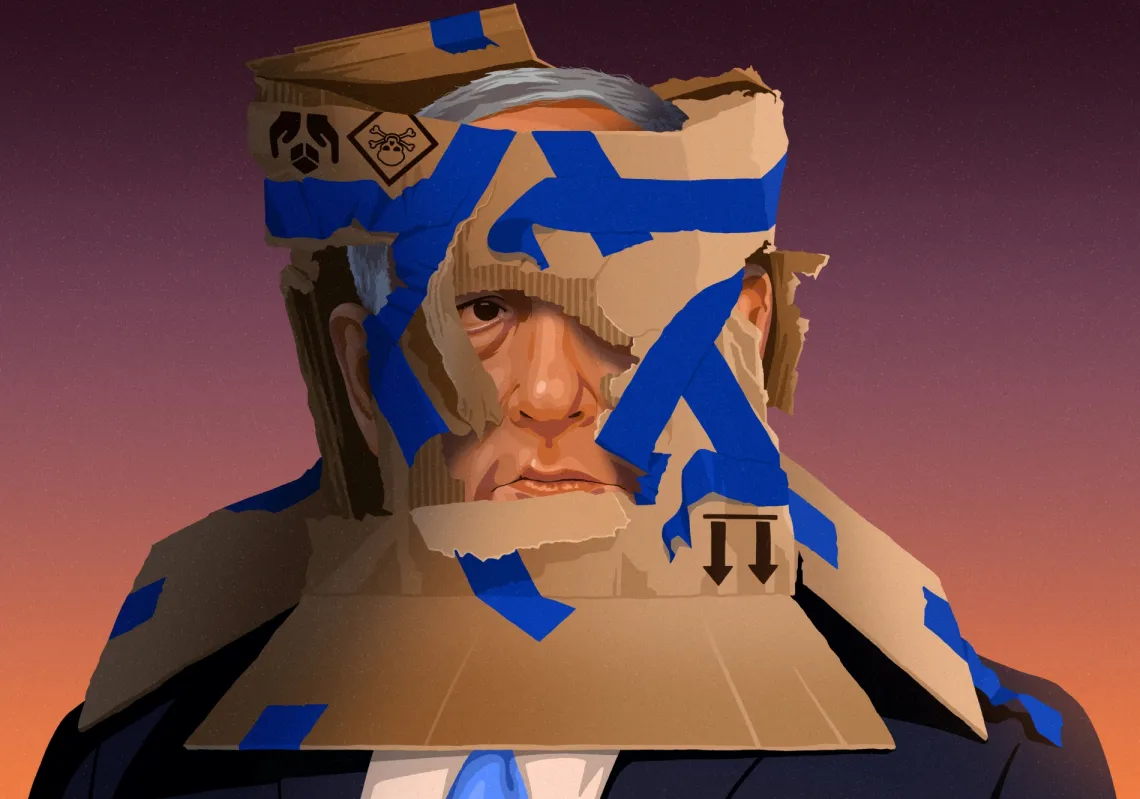
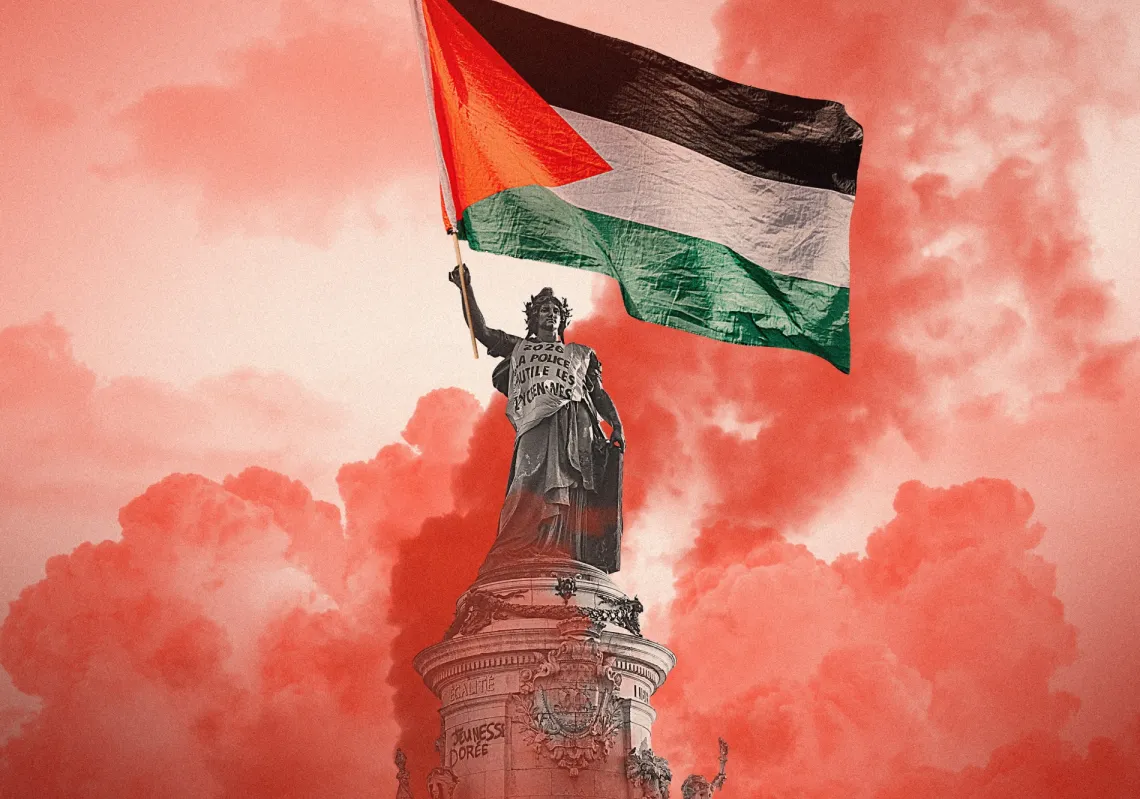
Until fairly recently, most Americans sided with Israel. These days, most side with the Palestinians. That will eventually influence US foreign policy.
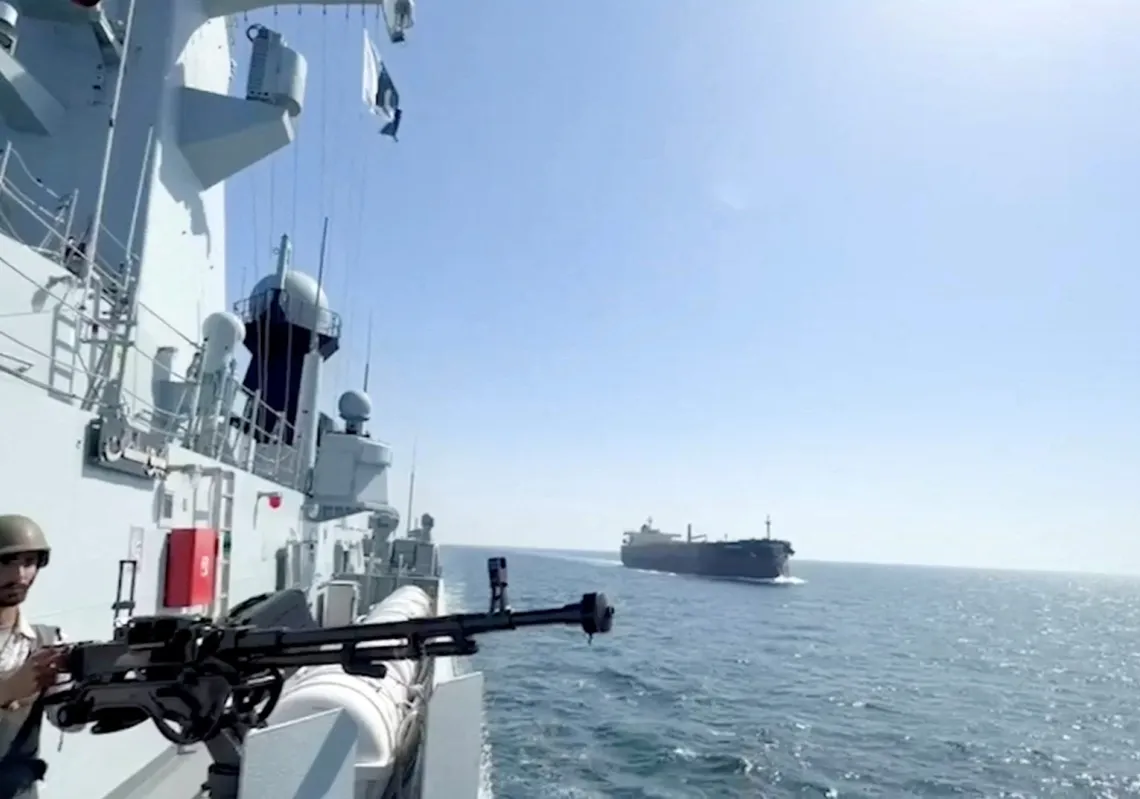
Any disruption in the Hormuz has cascading knock-on effects that extend far beyond energy markets, impacting international trade. Al Majalla explores all this and more.
Al Majalla - London
Sign up for the Weekly Newsletter
Get the best of Al Majalla, straight to your inbox.