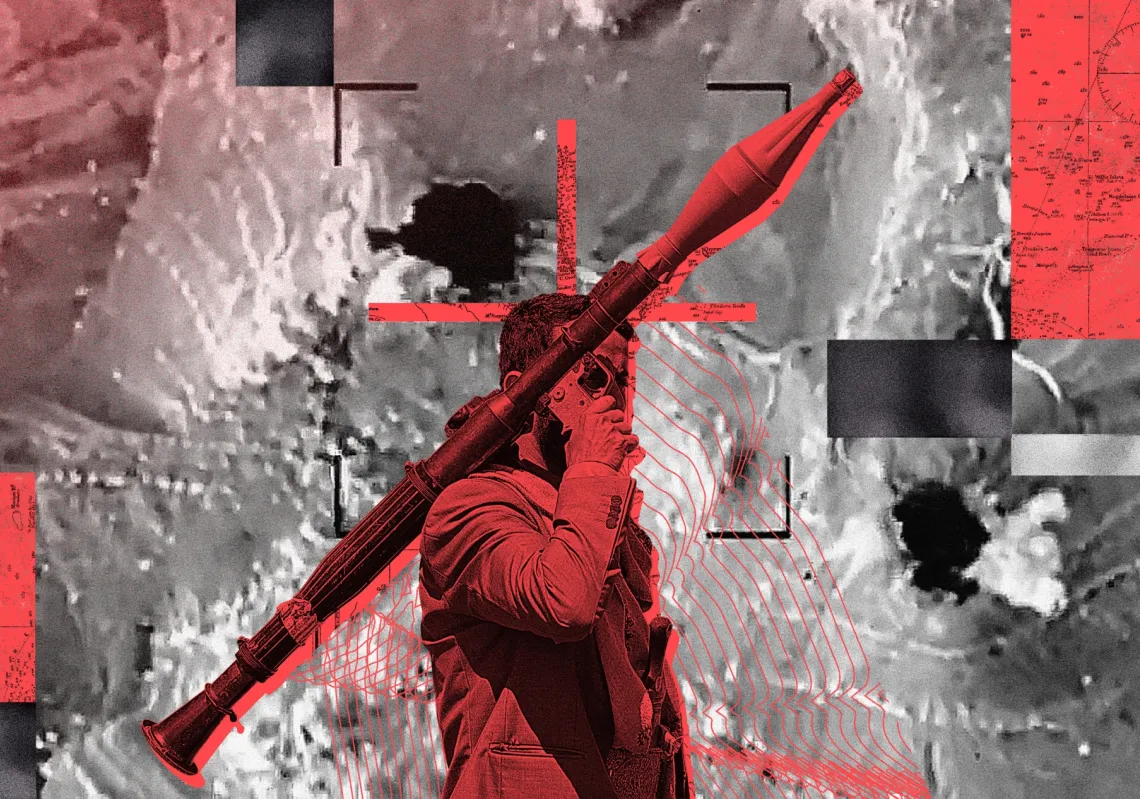

Few want a major escalation but both sides feel they must respond to the other, creating a rolling boil conflict with heightened rhetoric that remains susceptible to temperature changes
Big industrial manufacturers forced to leave their homeland have invested more than $1bn in their new home over the past decade, but overly complex bureaucracy means they can only do so unofficially
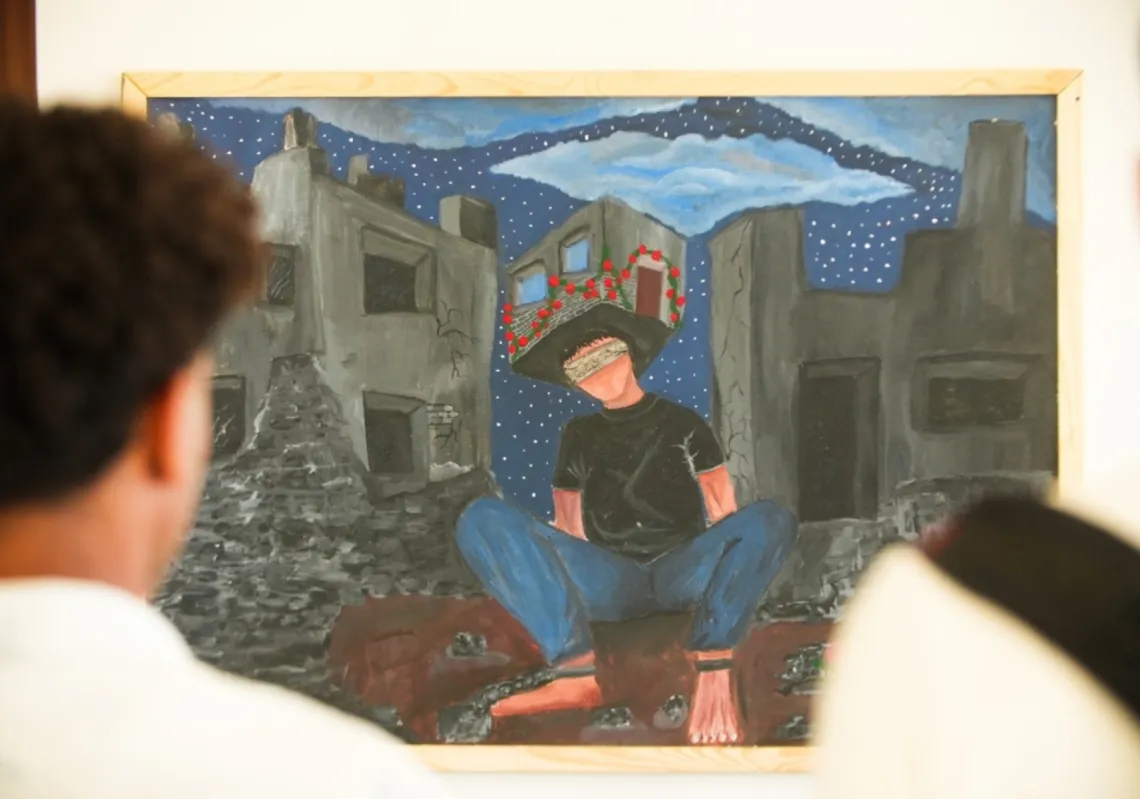
In past group exhibitions, this Syrian artist proved her talent. Now, she has exhibited her work for the first time in a solo exhibition in Damascus, drawing on the symbolism of migration
US-arranged talks in Geneva were attended by only one of the warring parties. The other sent no delegates because their list of concerns had not been addressed. Meanwhile, the war crimes continue
A year after Wassim Mansouri became governor of the Bank of Lebanon, depositors remain disappointed. His is an unenviable task, upon which rest the hopes of many, but reform is needed
As students in Cairo in the 1960s, al-Qaddumi and Yasser Arafat founded the Palestinian Fatah movement and worked with Nasser. To his dying day, he refused to go back home under an Israeli permit
A 'missile city' in Lebanon's mountains is either the stereotypical lair or the ultimate safe haven, depending on how you see the armed Shiite group. As an exercise in propaganda, watch the video
A fight over the nation's piggy bank is emblematic of the squabbles and elbowing since Gaddafi. In one of the world's most heavily armed yet least secure states, a central banker must be on guard.
The Iraqi poet and recently appointed director of the Arab World Institute in Paris talks about stones, the overlap between diplomacy and literature, and what gives him 'the spirit of life'
Disruption in the Hormuz can have major implications for global trade, but it also creates opportunities for smaller nations like Iran to become global political players
The Iraq war was viewed as disastrous in retrospect, while the Iran war was unpopular from the get-go. Al Majalla highlights the similarities and differences between the two.
Pipelines have a chequered history in the Middle East, but the closure of the Strait of Hormuz has led US Tom Barrack to conclude that a new route through Syria could solve some problems.

