Weeks after his release, Abu Maria al-Qahtani has been assassinated. He was challenging Abu Mohammed al-Jolani within Hay'at Tahrir al-Sham (HTS). Now al-Jolani has a clear road ahead.
Five years after its decimation in the Middle East, the terrorist group that once proclaimed a 'state' has used Africa and Central Asia to regroup, and is now resurgent in its former heartlands.
From the Ottoman era through the French Mandate and beyond, football's development in Syria is a tale of cultural change and social adaptation, charting a pattern of development followed by decay.
Israel targets Iranian sovereign territory and wipes out some of the Islamic Republic's most senior generals, virtually guaranteeing a response. The nature of that response will reveal a lot.
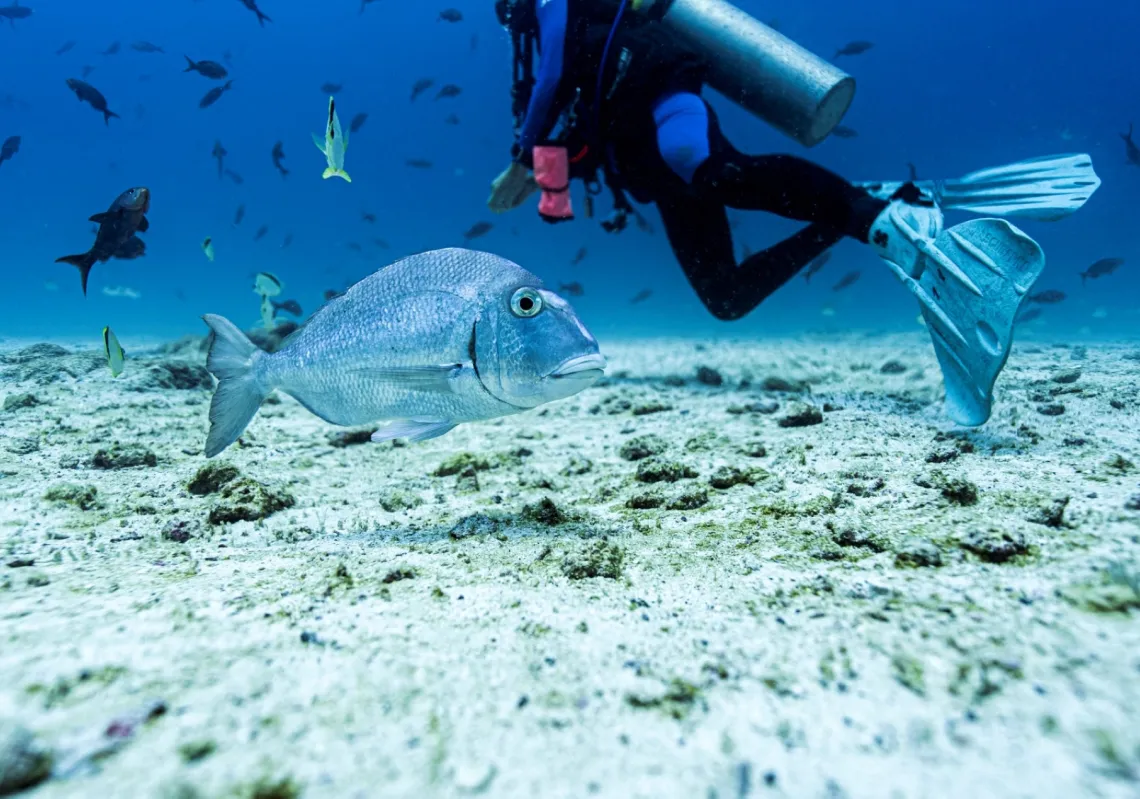
Al Majalla speaks to the artist from Aleppo, who says Syria's civil war has dimmed his hope for the future but that painting the ocean helps calm his anxiety
The US wanted Syria to abstain from meddling in Iraqi affairs, deny refuge to former Saddam loyalists, expel Palestinian organisations from Syria, and withdraw Syrian military forces from Lebanon
Before it invaded Iraq in 2003, the US was trying to reassure Iran that it would not be targeted next. In part 3 of a 7-part series, Al Majalla publishes private discussions held in Damascus.
Damascus and Tehran wanted invading US troops to get stuck in a 'new Vietnam' and set up an operations room headed by their top lieutenants to cause havoc, never-before-published documents show.
Secretary of State Blinken will host Foreign Minister Fidan on 7 March in Washington with the Gaza war at the top of the agenda, but the talks will resonate in Damascus
In an interview with Al Majalla, the prominent French jurist discusses Israeli and Western duplicity, their violation of international law, and why Israel bears the cost of Gaza's reconstruction
Tehran's elite have few friends, but regional states fear the consequences of a disorderly transition. If Iran's 92 million people turn on one another, it could cause millions to flee abroad.
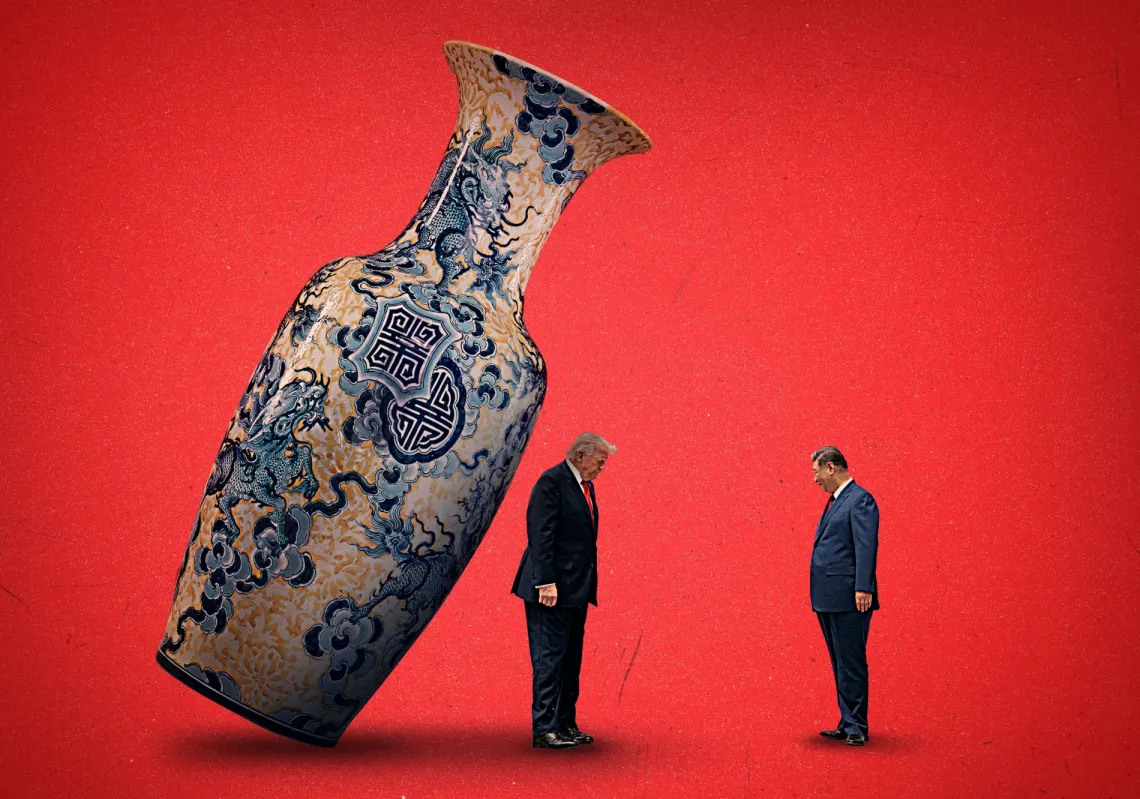
Going forward, the international community needs to reduce dependence on the US without upsetting the world's largest military and economic power. It will be a shaky tightrope to walk.
Scrapping foreign ownership caps and qualifying criteria will bring in more capital, with markets reacting positively to the latest reforms that build towards a more open country