Israel's disproportionate assault on Gaza in response to attacks from Hamas has reinforced Arab, Islamic – and increasingly – rising global commitment to ending Palestinian suffering.
In her novel "Land of the Turtle," Palestinian author Liana Badr envisions a different future for the Arab-Israeli conflict through the recollections of her fictional character in the year 2048.
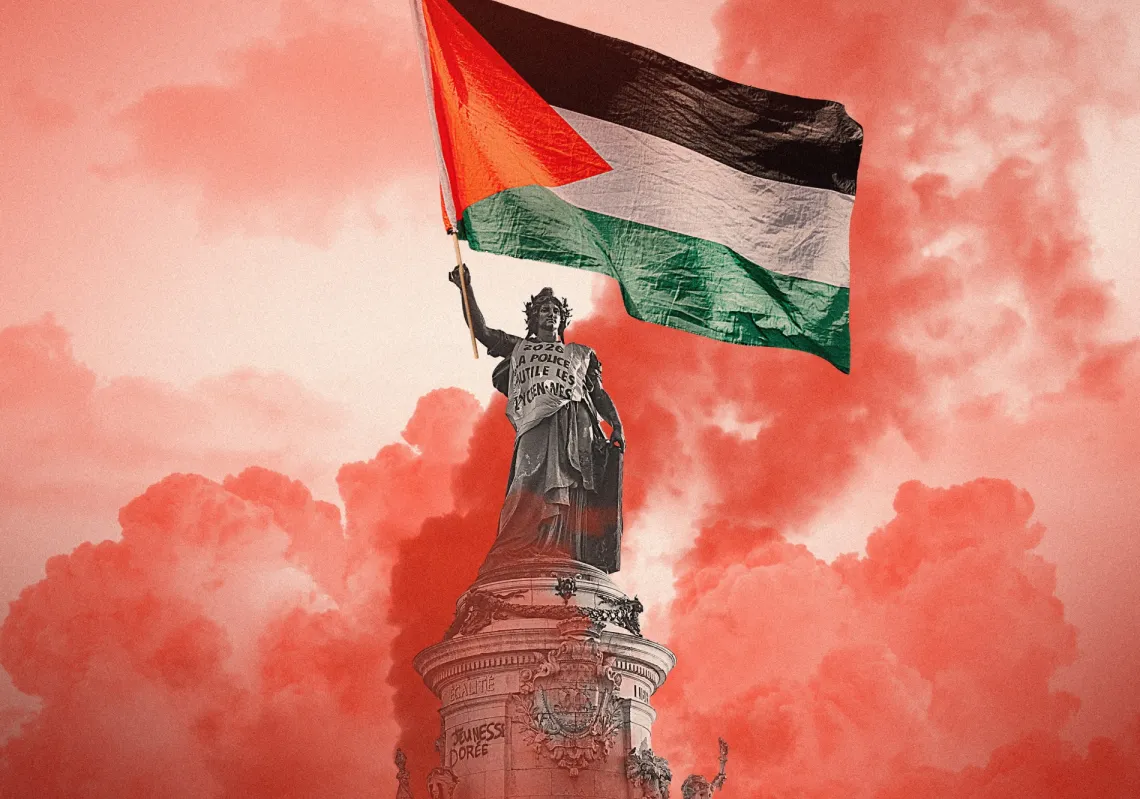
While Palestinian heritage faces tight restrictions today, it grows ever more robustly, manifesting in every space that attempts to squash it – emboldened by such futile efforts.
Israeli and American dialogues currently focus on the "Day After," and the aftermath of the conflict in Gaza. This whole issue is unethical, for three primary reasons.
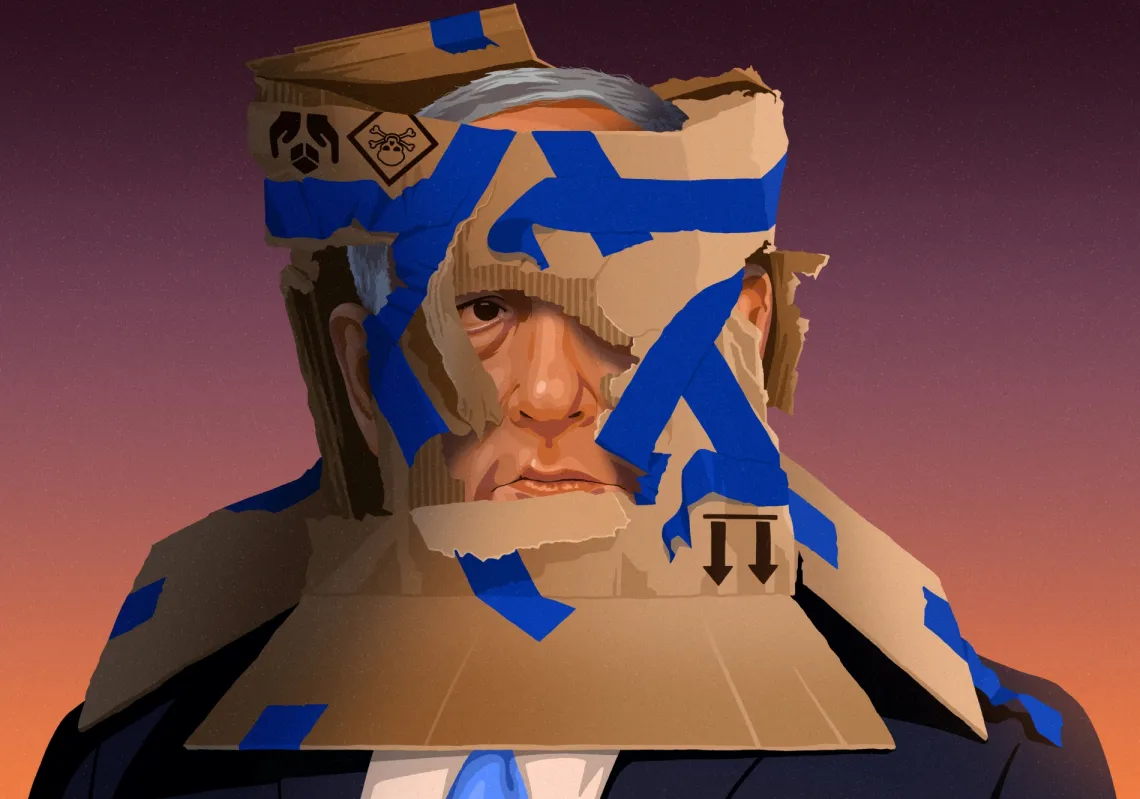
The nephew of Palestine's late and most renown leader has been seen as a potential successor to Mahmoud Abbas. In an interview with Al Majalla, he predicts the end of Netanyahu and a new Hamas.
The Syrian cleric was a fiery orator and popular leader who was preparing to stage a nationwide revolt against the British and Jewish emigrants in Palestine. At 53, he was killed in the first battle.
Israel's war on Gaza is the most dangerous threat to the stability of the region and the wider world. Most observers agree that it is likely to be a long-term conflict.
Unstable geopolitics traps money in defence spending and away from economic development to this day, in a pattern that goes back to 1948. Change is needed, with big challenges ahead.
The US is poised to use Israeli gas as a lever to keep Iran on the backfoot following its regional setback, and it could even use it to undercut Russia's economy
Washington seems to have changed its tone after the RSF committed atrocities in October, putting increasing pressure on the foreign backers of a paramilitary that now controls Darfur. What next?