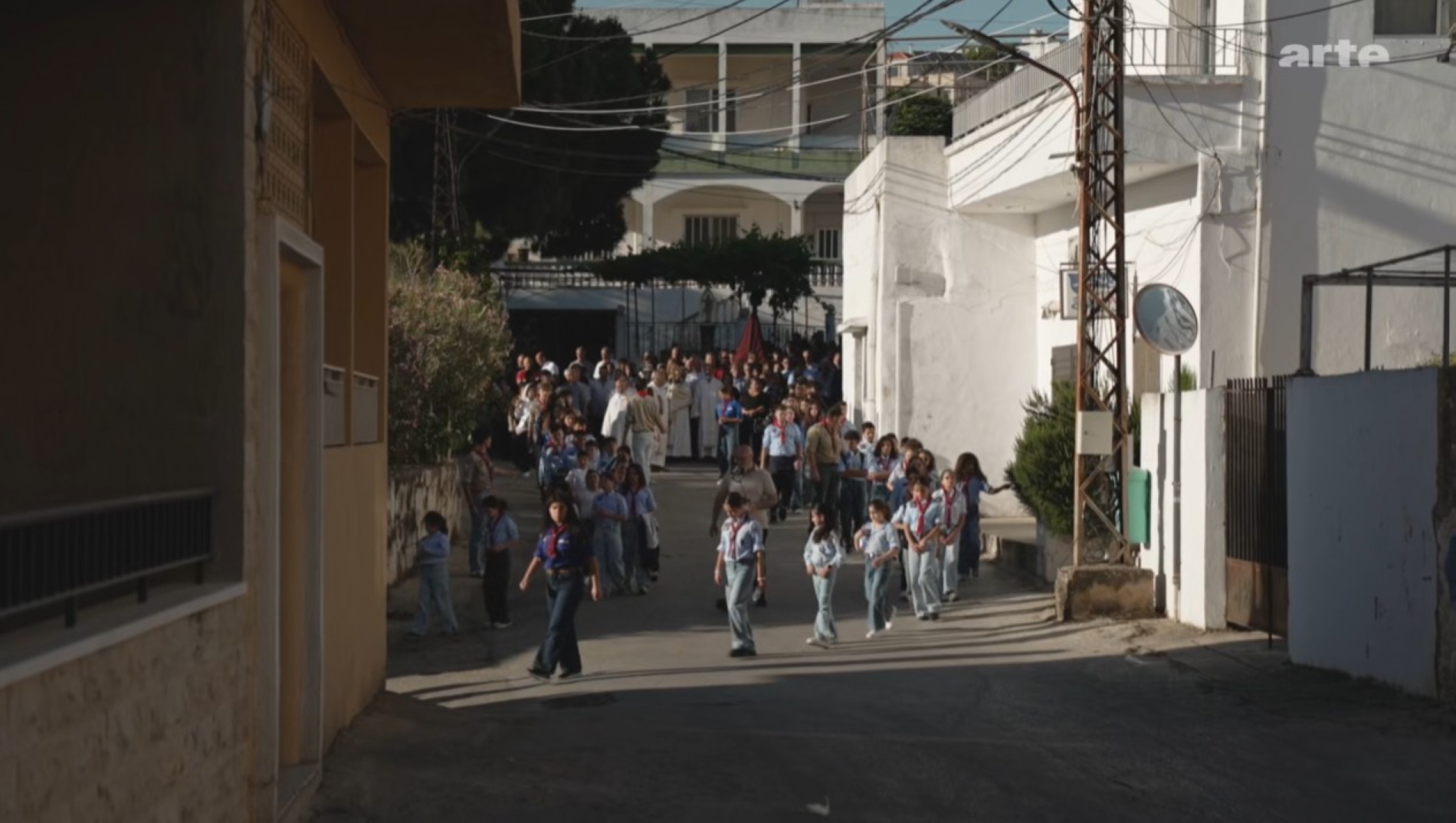
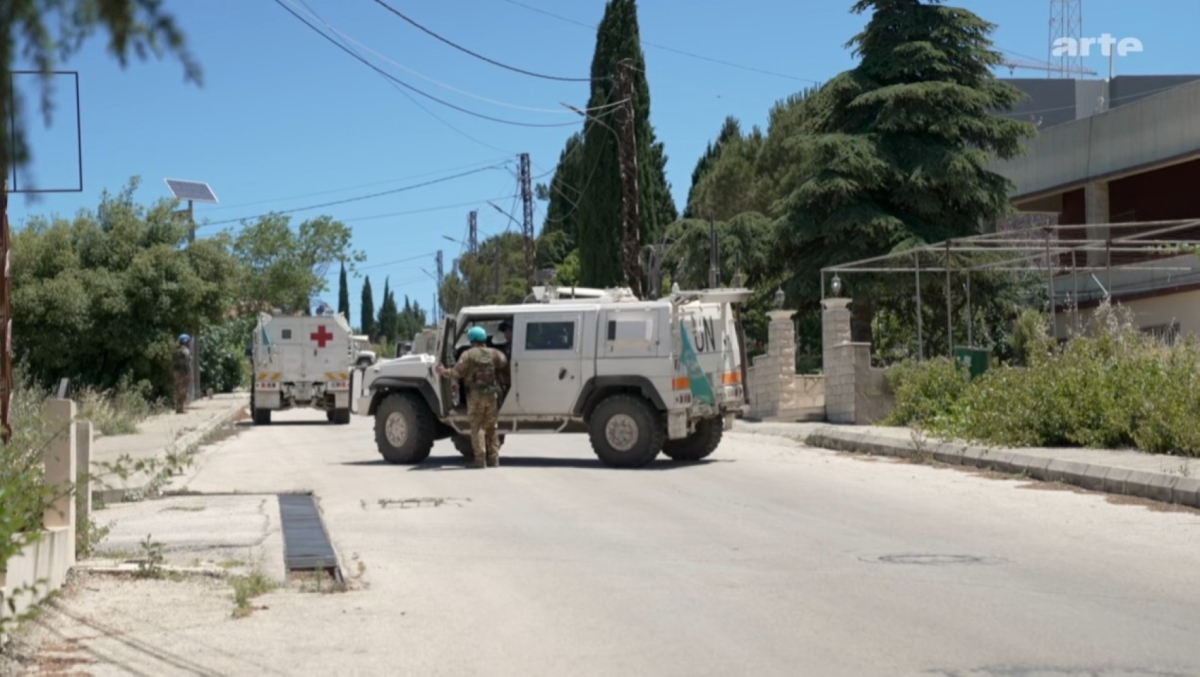

The Franco-German broadcaster ARTE has aired The Last Civilians on the Border, a documentary filmed in Ain Ebel, a border village in southern Lebanon. Directed by French journalist and filmmaker Lucile Wassermann in collaboration with Lebanese journalist Liana Alameddine, the film comes amid a flourishing of investigative documentary filmmaking, with directors and journalists braving danger in pursuit of the truth. Another example is No Other Land, made by a Palestinian-Israeli team that includes Israeli investigative journalists Yuval Abraham and Rachel Szor.
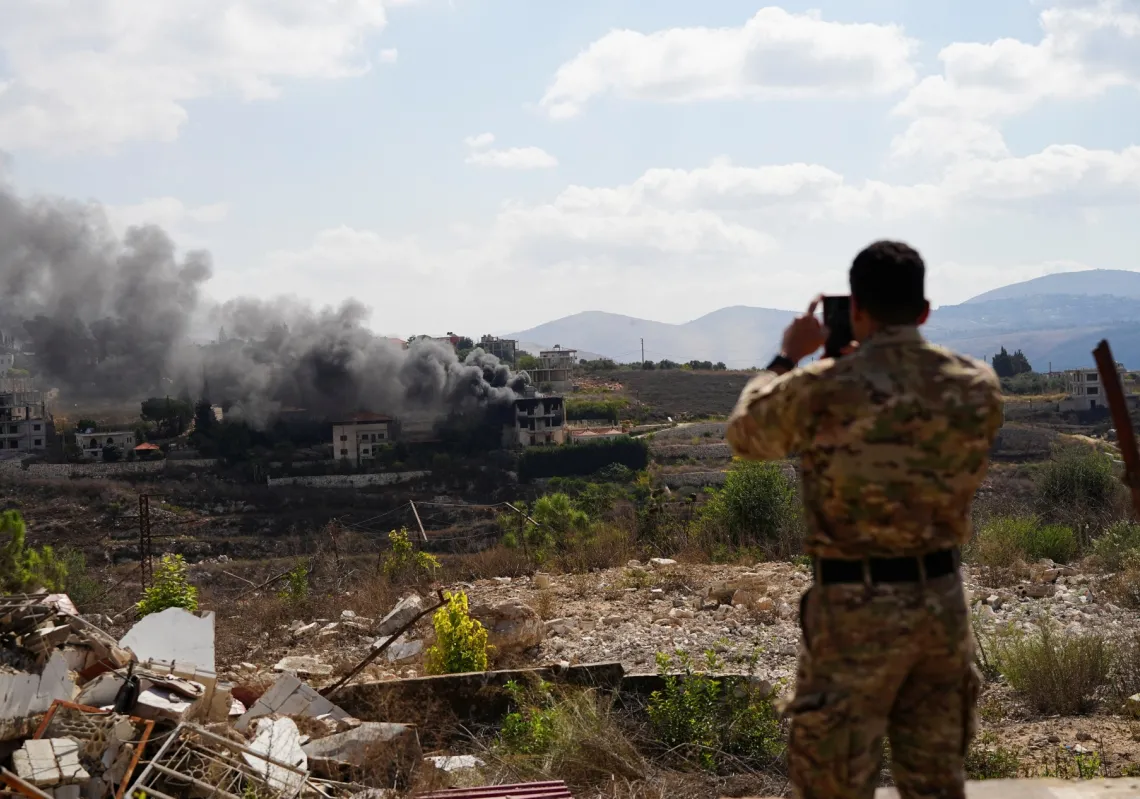
Ain Ebel lies in the Bint Jbeil district near the Israeli border. Some historical accounts say the village was founded by the Arameans. It survived the latest Israeli incursion into the towns and villages of southern Lebanon. Elsewhere in Bint Jbeil, Israel has left scarcely any land fit for life. The grief of a region that has lost its livelihoods, homes, trees and libraries remains bitter and profound.
The documentary tells the story of a village under siege, its inhabitants held hostage by war. Their presence serves as "evidence" that the Israeli occupation can display to the world whenever it wishes, exploiting the supposed protection of Christians in this border community for political ends. The film exposes this fiction, documenting 15 days of life in Ain Ebel under a siege that dictates the fate of people and places alike.
Food supplies may arrive through humanitarian organisations if the Israeli army permits their delivery. Fuel and medicine might arrive once a month, or not at all. The villagers describe their existence within this vast open-air prison, where relentless pressure has made ordinary life almost impossible.
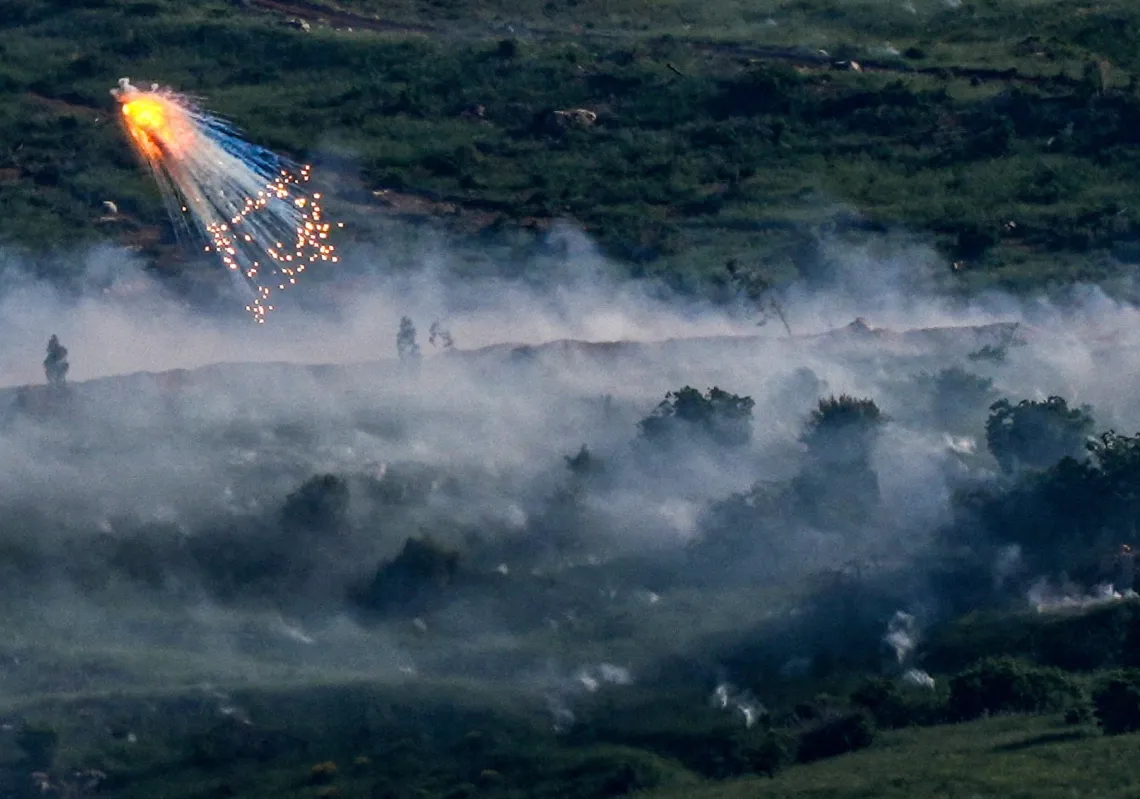
The images are stark and spare, filmed without artificial lighting. The streets lie bare and exhausted beneath the dust, while Israeli drones circle overhead at will. The villages of southern Lebanon have histories stretching back thousands of years, yet now they seem to exist outside time, suspended in a provisional existence governed by waiting.
The camera becomes an eye belonging to the place itself, merging with the fabric of its community. There is no elaborate equipment, no artificial lighting, no retouching or embellishment. Sometimes, when a shot ends, you want to close your eyes, gather the scattered sounds of the village and reconstruct its image, searching for the deeper rhythm of a place severed from the towns and landscape around it. Watching these images brings a sense of responsibility towards the village's immediate circumstances, its history and the moral questions it raises.
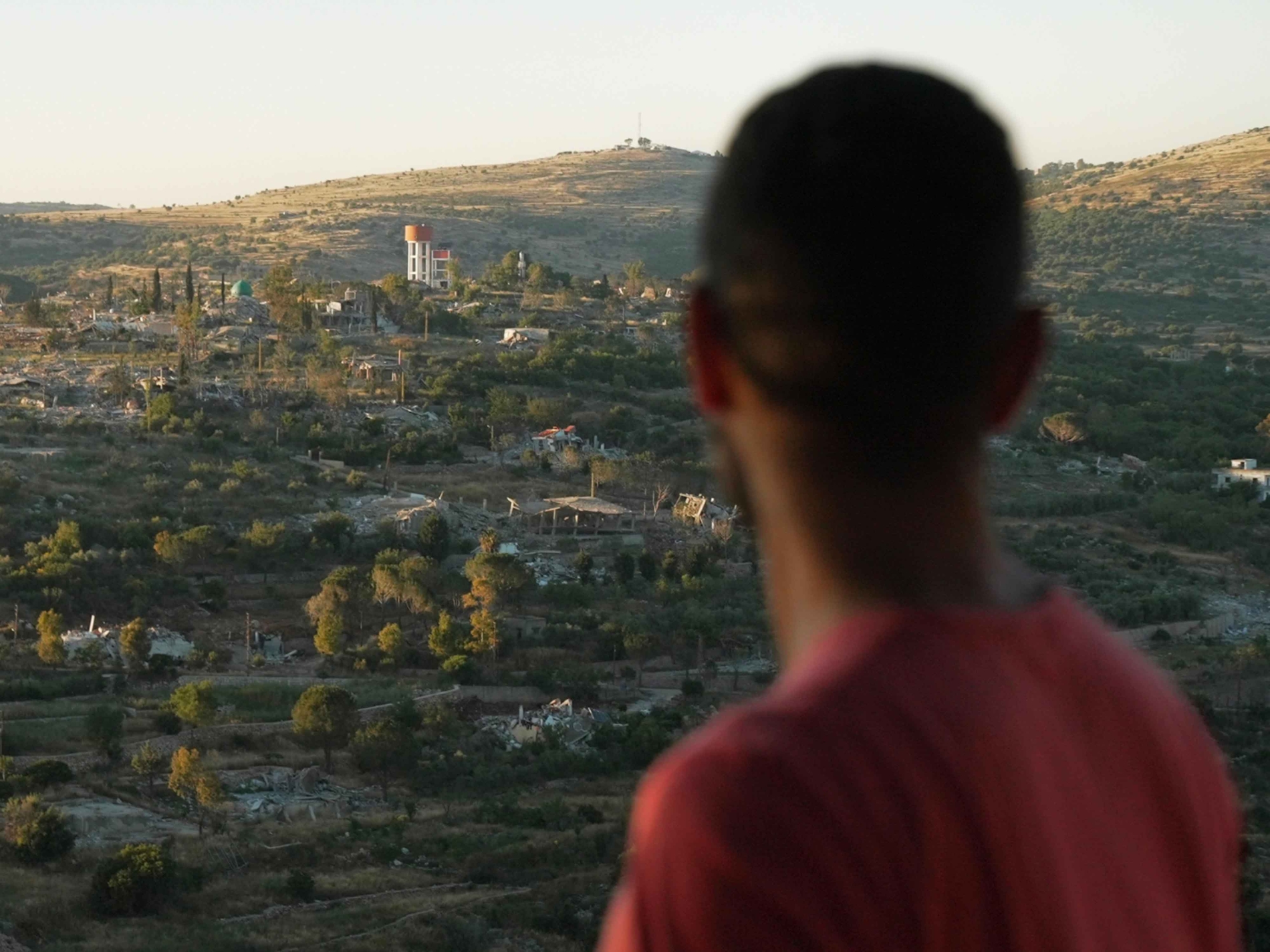
Much of the film follows a young family from the village: Wadi, the father; Dima, the mother; and their three-year-old daughter, Freya. Driving through the streets, Wadi speaks as though confiding his troubles to the road itself. "We live under Israel's conditions. Our lives depend on permits. We have lost our freedom."
The family chose to remain at home after spending an entire year displaced in Beirut in 2024. When the Israeli incursion began this year, they refused to flee again, fearing they would lose their house. Their daily challenge is to protect their daughter. "We find ways to outwit reality and keep the dream alive."
War seeps into the intimacy of everyday life. It enters the home. We see it, hear it, taste it. Bread, medicine, sleep, sleeplessness, fear, living standards and the struggle to put food on the table: war touches everything.