Hakeem Jeffries and the limits of the Democratic Party

The progressive wing of the party is demanding a tougher approach to Trump, but whether establishment figures like the newly nominated House Speaker are willing to do so is another story

Al Majalla

Hakeem Jeffries and the limits of the Democratic Party

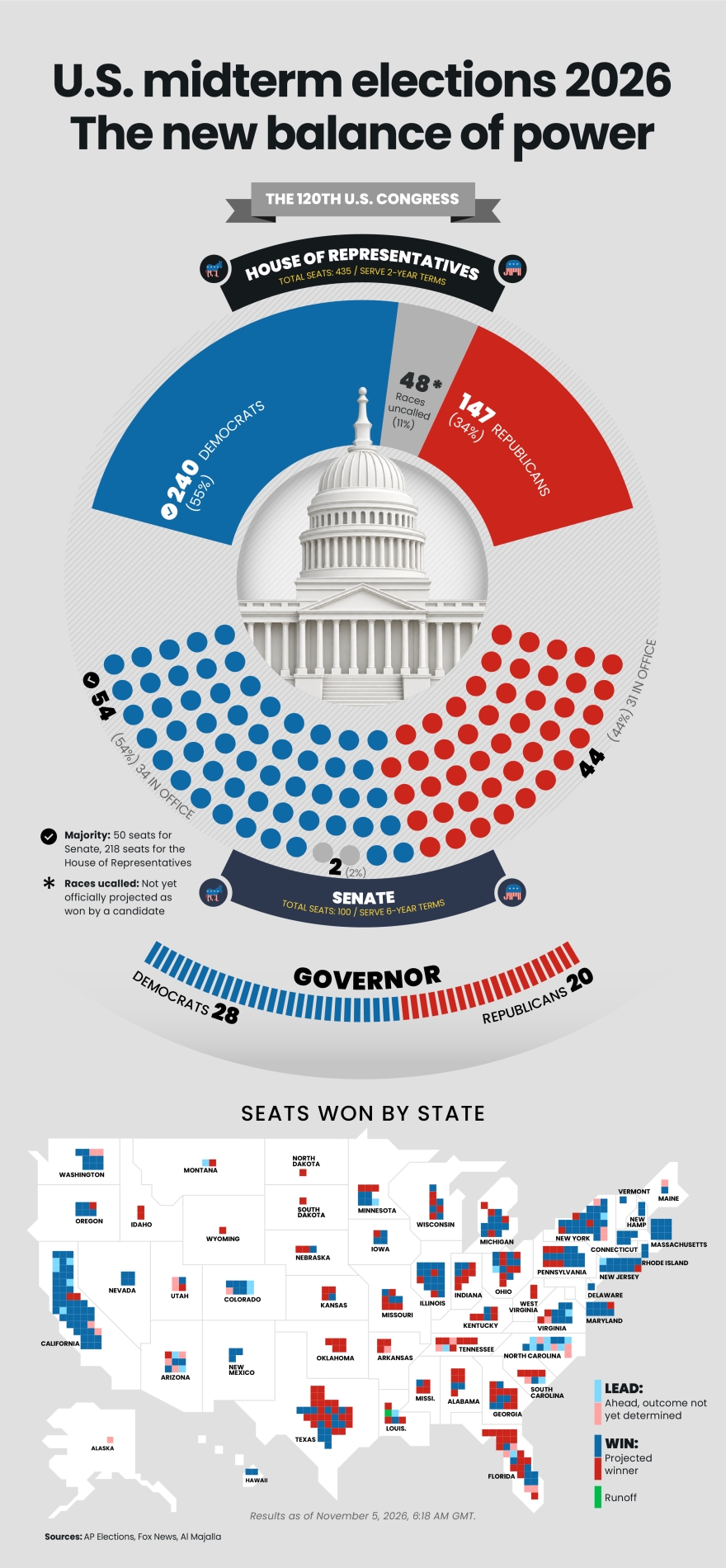
As the dust settles after the US midterm elections, Washington’s political landscape reflects both declining support for the Republicans and an institutional shift reshaping relations between the White House and Congress. Democrats have made substantial gains, winning back control of both the House of Representatives (257 seats to 172) and the Senate (56 seats to 44), though some seats remain undecided. On 18 November, House Democrats formally nominated Hakeem Jeffries to lead their caucus in the new Congress and become Speaker of the House. He will therefore go from Minority Leader to Majority Leader in January.

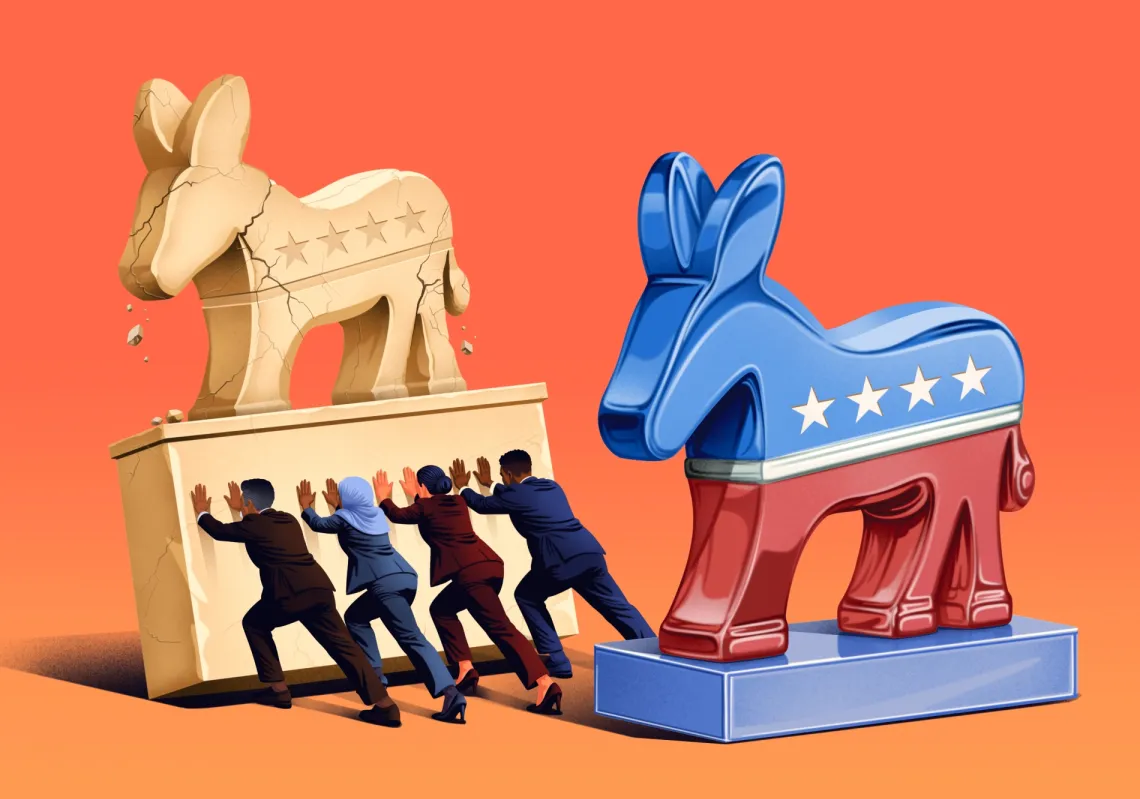
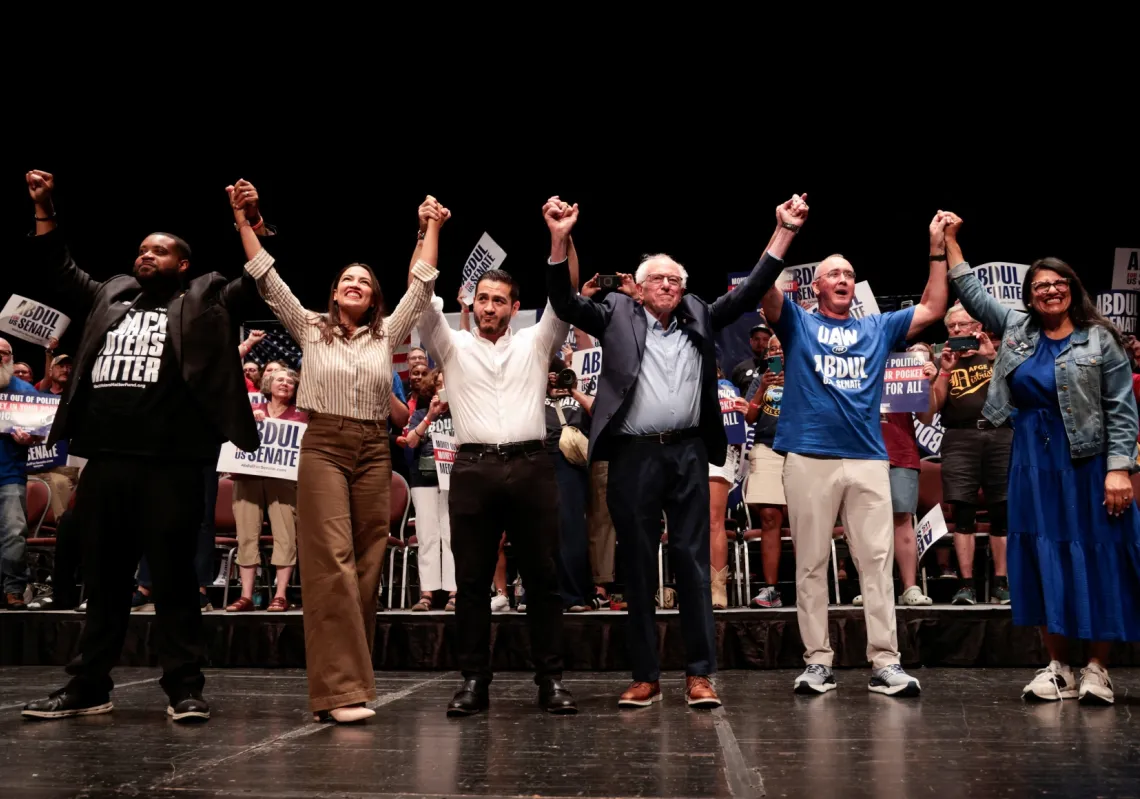
Jeffries' task will be far from easy. He will now have to lead a large, diverse majority with different wings. The progressive wing demands a tougher approach to Trump and extensive investigations into his administration, but moderates elected from conservative or swing districts fear that prolonged partisan battles on the left of American politics could provoke voters who supported them in 2026 over the economy, war, and everyday prices.

The dozen votes cast against Jeffries’ nomination show that divisions within the Democratic Party do exist. Progressives want bolder positions on healthcare, immigration, and foreign affairs, while the Democratic establishment isn't as enthused. Jeffries’ success will therefore be measured not only by his ability to unite Democrats against the White House, but by whether he can prevent internal disagreements from obstructing the work of the House.

While US midterm elections typically go against the governing party, the more important question now is what this new Democratic majority can achieve. Winning elections does not mean controlling every instrument of government. The coming period therefore looks set to test the balance between oversight and authority, and between Democrats’ ability and willingness to hold Trump accountable and their ability to offer an alternative.

The significance of the results earlier this month is not just in the number of seats that swung, but in the Republican losses in traditionally red states. In the Senate, the Democrats took Texas, Kansas, Iowa, Ohio, North Carolina, Maine, South Carolina, Mississippi, and Alaska. One of the election’s most striking upsets was Mississippi, where Scott Colom unseated Cindy Hyde-Smith. Trump carried that state by nearly 23 percentage points in the 2024 presidential election.

This suggests that dissatisfaction with the administration’s performance has spread into traditional Republican strongholds, but it should not be read as evidence of a wholesale ideological shift in American society. Midterm voting is typically shaped by perceptions of the president’s performance, and reflects the prevailing economic and political conditions. In other words, voters may reject the incumbent without being fully persuaded by the opposition.

Most analysts think the elections showed that cost-of-living pressures and Trump’s war with Iran weighed heavily on Republican minds, but there is no blank cheque for the Democrats and their various factions, because voting was more likely to have been punitive than affirmative. Furthermore, expectations among those who voted blue in 2026 differ and may conflict.
Diana Estefanía Rubio
2026 US midterms produce new balance of power in Congress

Limits of a majority

Democratic control of both chambers may suggest a clear path for an ambitious legislative agenda, but the structure of the American political system makes that interpretation overly optimistic. In the House of Representatives, the new majority gives Democratic leaders considerable scope to pass bills, launch investigations, and summon administration officials (provided they can maintain unity within their ranks), but in the Senate, the position is more complicated.

A 56-seat Senate majority is not enough to end debate on most ordinary legislation, which generally requires 60 votes to overcome the procedural obstruction known as the filibuster (the requirement does not apply to every legislative process, as exceptions and alternative procedures exist, including budget reconciliation for certain fiscal measures). Moreover, the president can veto legislation passed by Congress. Overriding this veto would require a two-thirds majority in each chamber.

The Democrats therefore possess substantial legislative and oversight powers, but not absolute authority, so they cannot turn every electoral pledge into law without working with the Republicans. Within these constraints, the Democratic majority will face a test in deciding its legislative priorities. Trying to tackle too many issues at once could consume valuable political time and force moderate lawmakers into difficult votes, but relying solely on investigations while offering no initiatives on the economy, healthcare, and energy could weaken the arguments on which they campaigned.

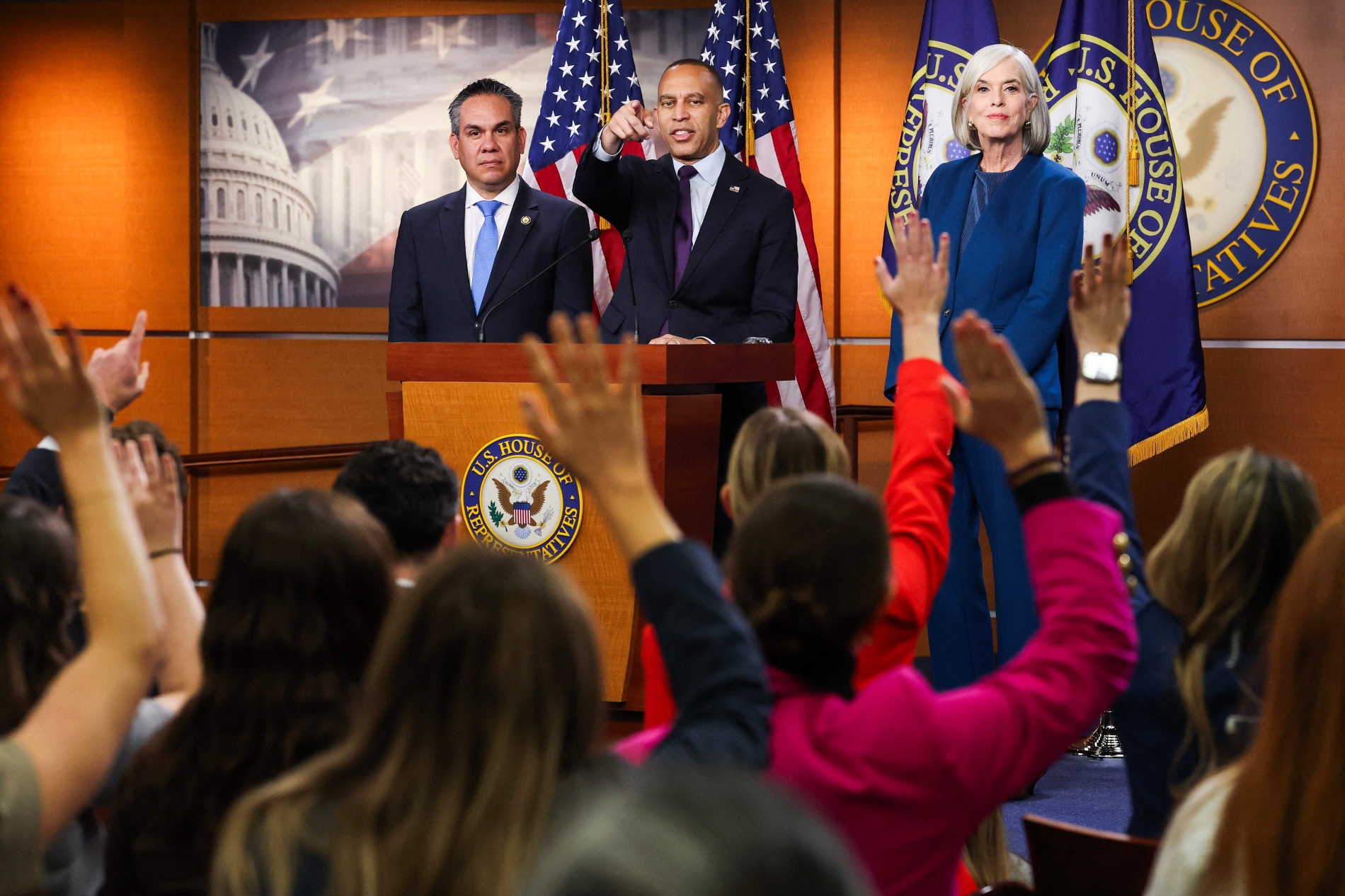
Jeffries' success will be measured by whether he can prevent internal disagreements within the Democratic Party from getting in the way of passing legislation

A numbers game

When considering how to hold Trump accountable, these constraints become clear. The House can launch probes and approve articles of impeachment by a simple majority, but conviction in the Senate requires support from two-thirds of those present. If all 100 Senators attend, 67 votes would be needed, so at least 11 Republican Senators would need to join the Democrats to convict and remove the president. Although not mathematically impossible, it is difficult to envisage.

Given the difficulties, sustained oversight and Congressional investigations appear a more realistic near-term option than pursuing an impeachment battle in the expectation of securing a conviction. Likewise, pursuing Trump would let the president portray himself as the victim of a partisan campaign. Confrontations could lead to government shutdowns and unpaid federal employees.

Republicans still retain influence in the Congressional minority. They can support the president, pressure him, or negotiate with Democrats where interests overlap. Over the next two years, Republicans' ability to manage their internal disagreements over the war and government spending may prove more important than demonstrating unconditional loyalty to the White House.

BRANDON BELL / AFP
Gas and diesel prices are displayed at a Shell gas station on 2 April 2026 in Lockhart, Texas. Oil and diesel futures climbed approximately 11% to nearly $112 per barrel after Trump signalled continued military action against Iran.

Trump's predicament

Trump's predicament extends beyond the loss of his party's Congressional majority to the challenge of managing his unpopular war with Iran. The military confrontation has been costly in many ways, not least by raising the price of oil and gas, which has strained household finances and left his administration with a difficult choice: continue fighting or seek a settlement and leave, which many would see as a retreat.

The issue goes beyond American prestige. It also exposes a constitutional and institutional dispute over the limits of presidential authority to use military force, and Congress's role in oversight, funding, and determining the legal framework for continuing military operations. The US Constitution gives Congress the power to declare war, while the president is commander-in-chief of the armed forces. The War Powers Resolution of 1973 lets Congress oversee the use of military force and sets a timeframe for operations that have not received legislative authorisation, but the limits of these powers are disputed between the executive and legislative branches.

Democrats can use Congressional hearings and investigations, pressure funding allocations, and pursue resolutions on war powers, but these instruments cannot end military operations, particularly if the president vetoes them. This overlap of powers could therefore turn the war into a test of relations between America's executive and legislative branches.

Some Republicans side with Vice President JD Vance, a notable opponent of the US entering a war with Iran, but would still rather not go against Trump. Nevertheless, any infighting may begin with limited disagreements over funding, objectives, or the terms of a settlement, then widen if the costs rise or the war drags on.

After the midterms, the American political system now enters a new phase in which a substantial Democratic majority faces a Republican president who retains considerable executive powers but is subject to more rigorous legislative oversight. 

Anna Moneymaker/AFP
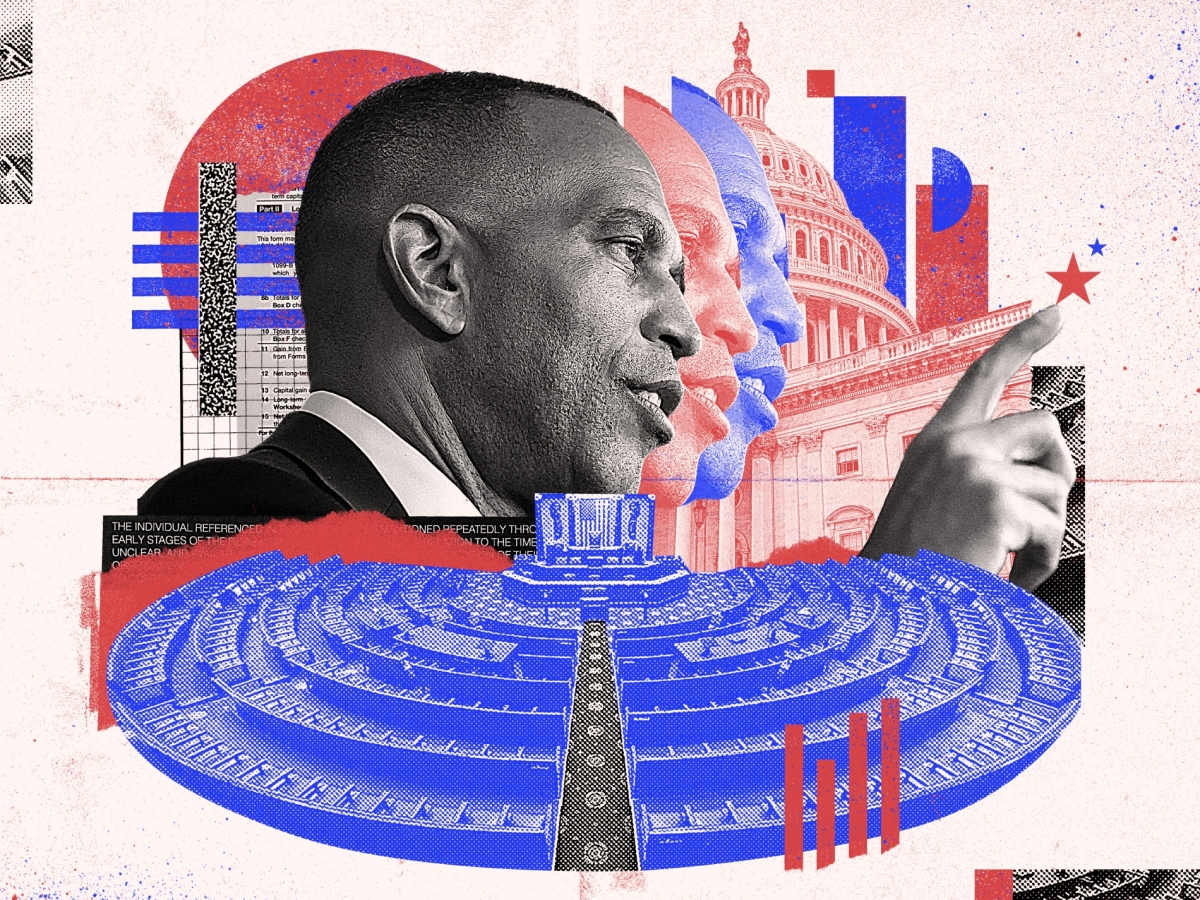
US Speaker of the House nominee Hakeem Jeffries (D-NY) speaks during a press conference following the House Democratic Leadership Elections on Capitol Hill on 18 November 2026.

Jeffries will have to show that a House majority can produce effective legislation and accountability, not just confrontations that drain the chamber's energy. Trump, meanwhile, must contend with his party having lost Congress and avoid that defeat developing into an internal Republican crisis.

The midterms have given Democrats an important opportunity to rebuild their position, but a protest vote does not guarantee continued public support for the opposition, nor does it give an unconditional mandate. Between now and the 2028 presidential elections, the central question will not be who best frustrates their opponent's agenda, but who can best translate political power into tangible improvements in Americans' lives, manage disagreements, and keep the country from slipping into paralysis.

font change