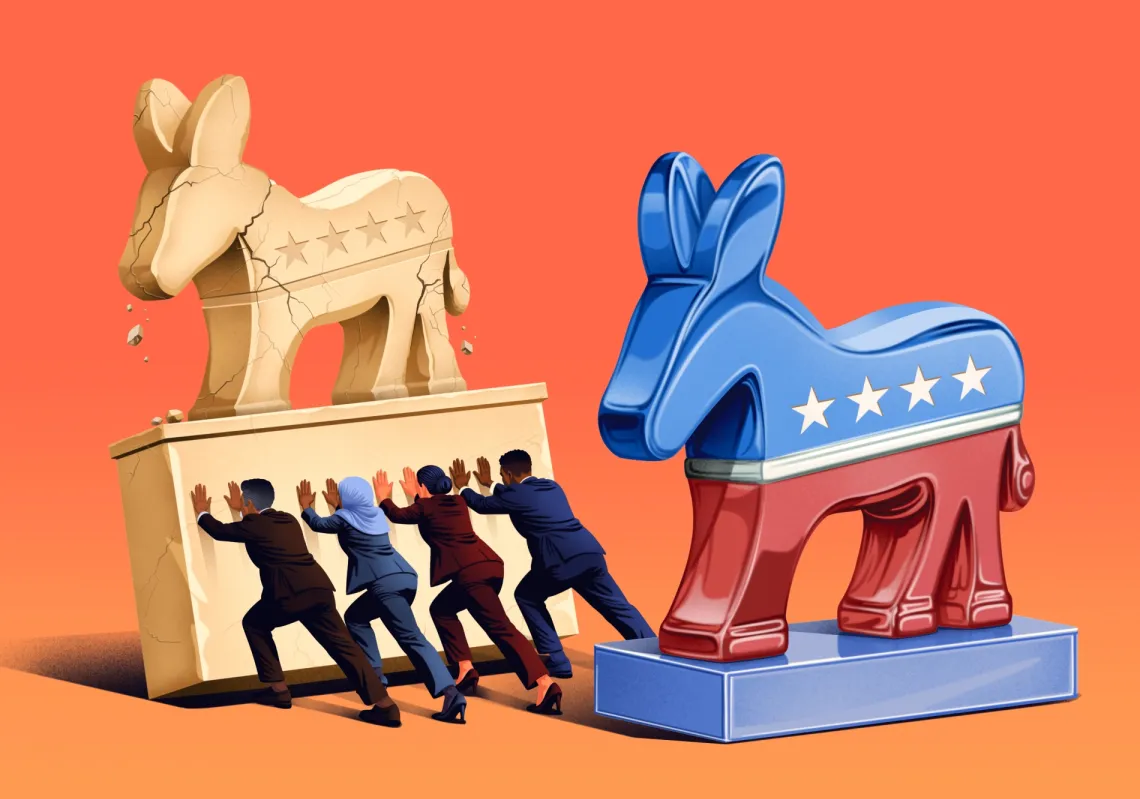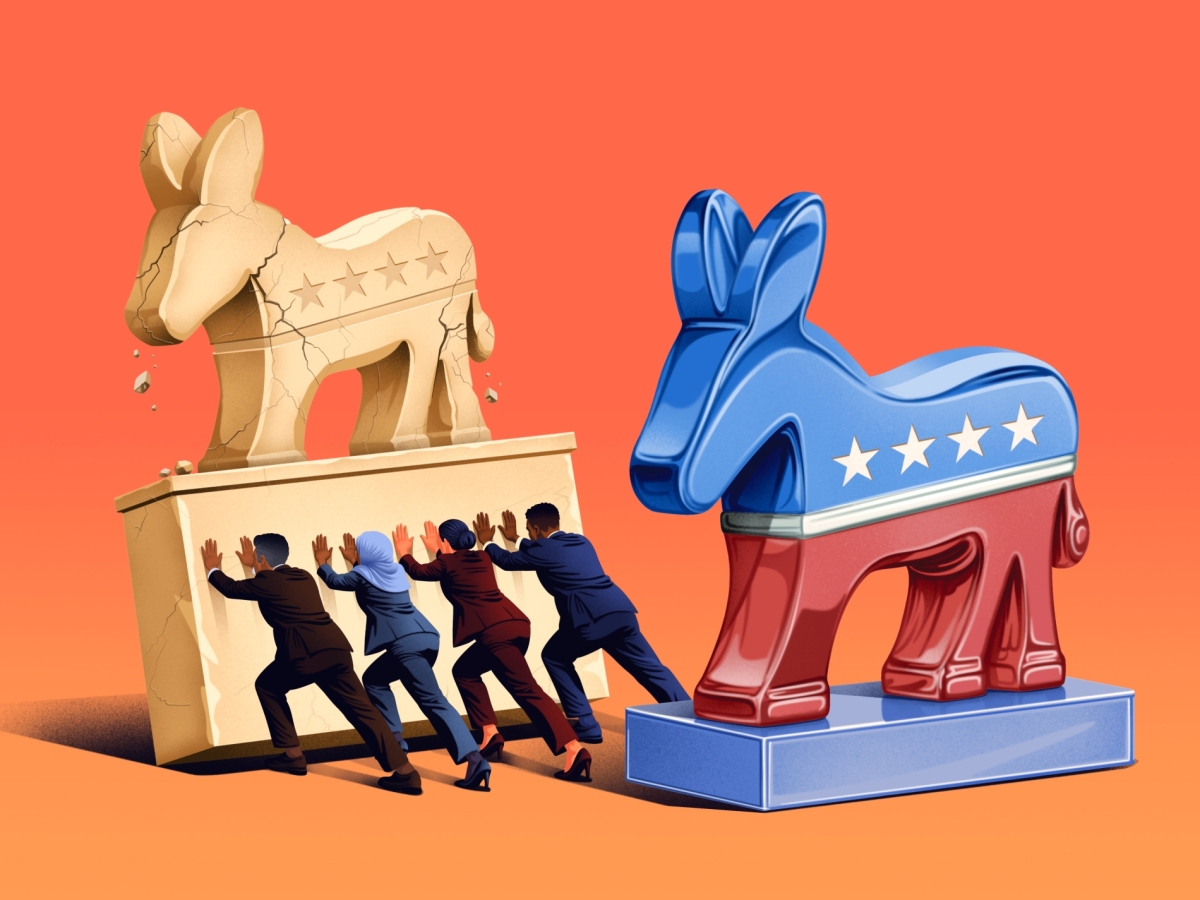

The Democrats’ historic landslide in the US midterm elections may have secured majorities in both chambers of Congress, but the party now faces pushback from its progressive base over who should hold leadership positions. Senate Democratic leader Chuck Schumer and House Democratic leader Hakeem Jeffries are under increasing pressure from younger, more progressive Democrats to step aside. The confrontation threatens to deepen divisions between the party’s entrenched establishment and an emerging generation of leaders, spearheaded by progressives and socialists.
Neither Schumer nor Jeffries has indicated they intend to abandon their bids to lead the new Congress. In a joint statement setting out their priorities, they said the American people had forcefully rejected the extremism of the MAGA movement and demanded dramatic changes in their lives.
Among Democrats, however, deliberations continue. The party is scheduled to elect its new House majority leader on 18 and 19 November, while it will choose its Senate majority leader in early December. So far, Democrats have secured more than 256 of the 435 seats in the House of Representatives and 56 of the Senate’s 100 seats, including two independents who generally vote with them.
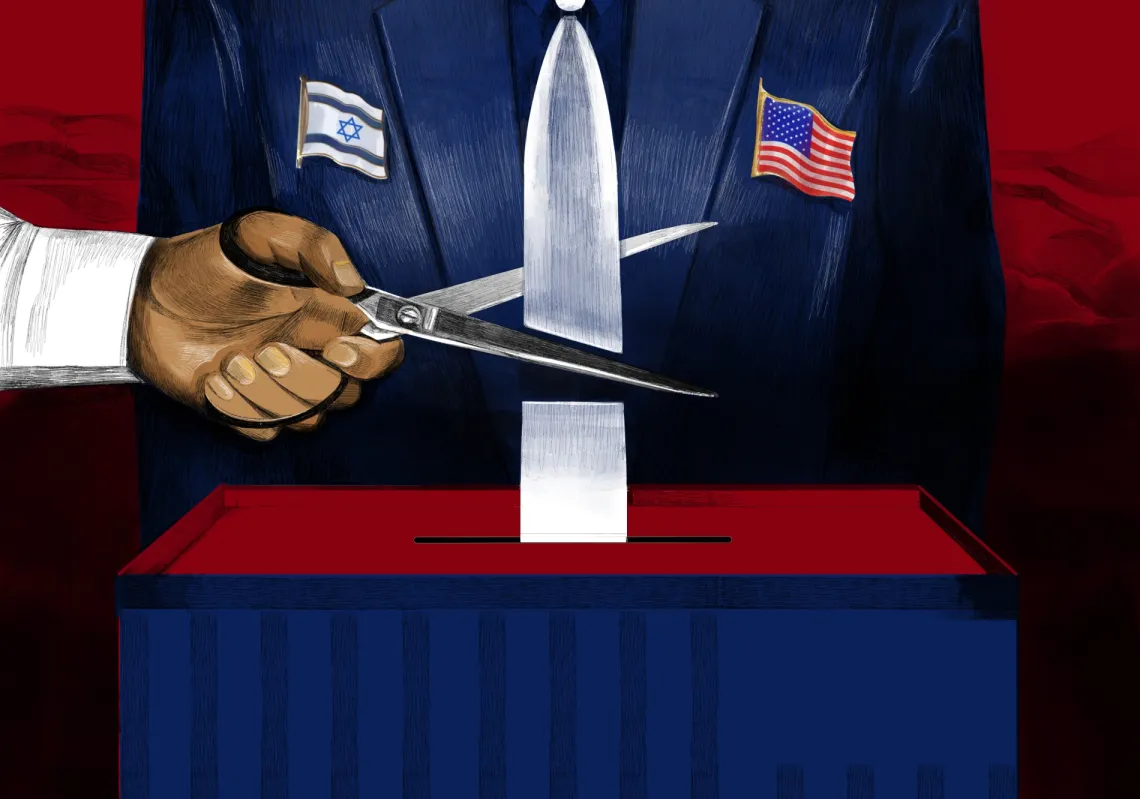
Progressives are stepping up pressure to prevent Jeffries from becoming Speaker of the House, citing his ties to corporate and pro-Israel lobbying groups, his equivocal stance on the government shutdown, and his positions on key Democratic issues, including healthcare, wages, and immigration.
Despite the growing opposition, Jeffries is widely expected to become Speaker when the new House takes office on 3 January. He would be the first Black American to hold the position in its 237-year history and would face President Donald Trump in Congress, as Nancy Pelosi did during Trump’s first term.
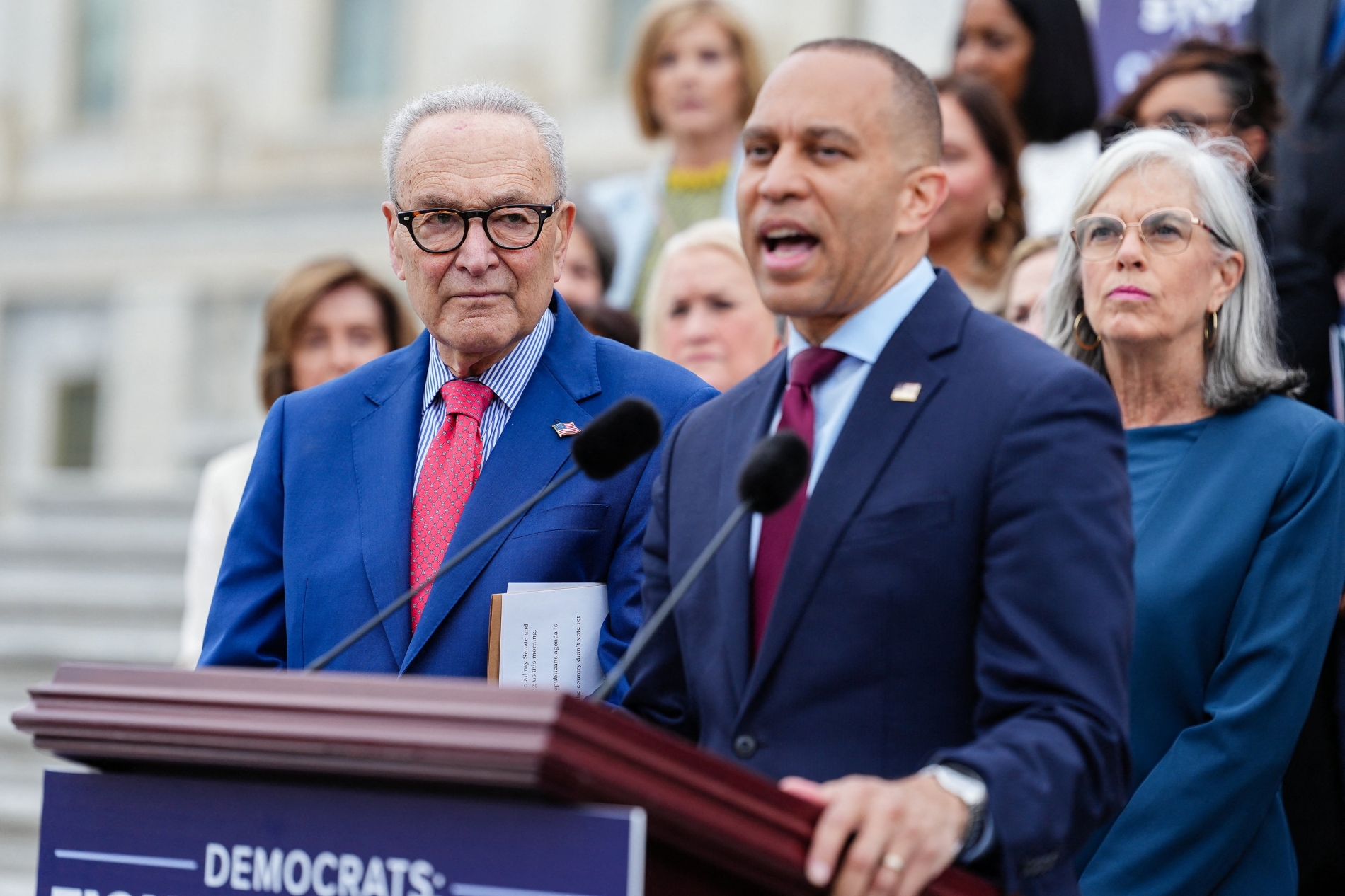
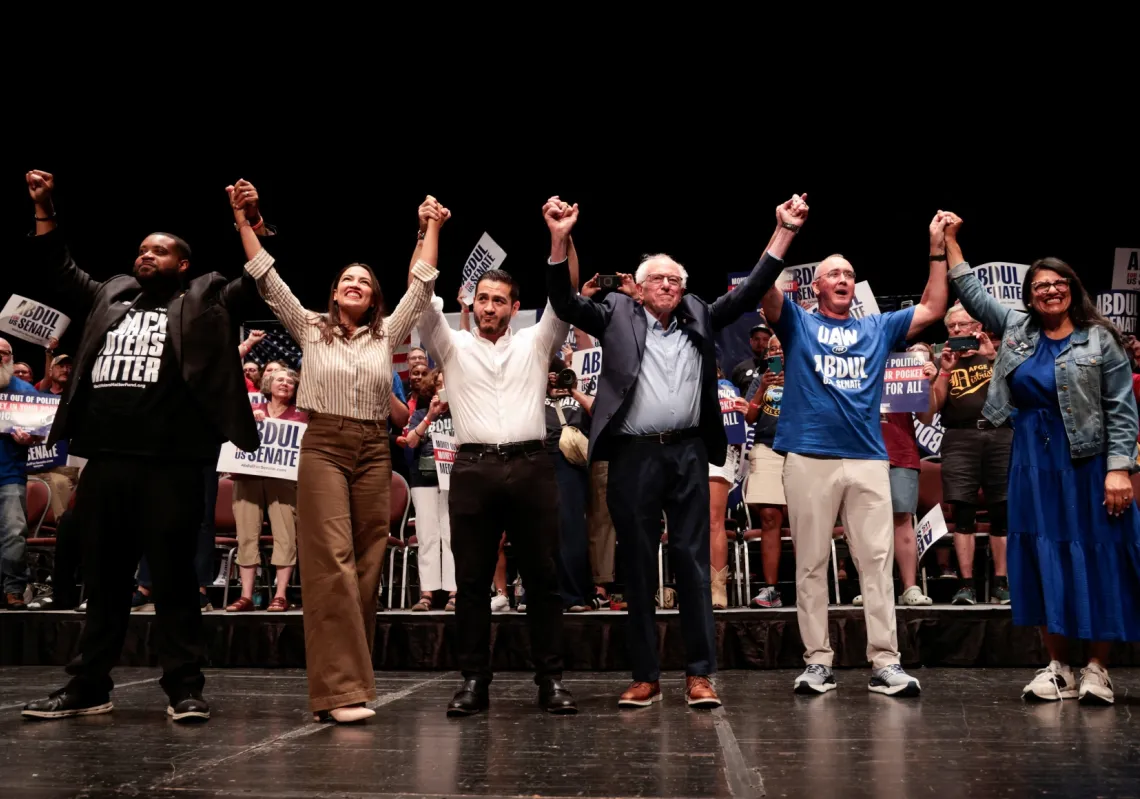
A similar context is unfolding in the Senate, where Schumer is widely expected to retain his position as Democratic leader, despite growing calls for new leadership. Schumer has predicted that he will be re-elected, but a group of senators seeking a change has said it will not support him. Among the most prominent is Senator Bernie Sanders, widely regarded as the spiritual leader of the progressive movement.
Sanders said he had known Schumer for 30 years and was fond of him, but believed that “the time has come for change”. Schumer, meanwhile, expressed confidence that he will be re-elected and that the Senate Democratic caucus will remain united, saying he would be “proud to lead the majority”.
Other progressives have also criticised lawmakers who joined with Republicans in voting to end the government shutdown, which congressional Democrats had insisted on prolonging until Trump ended his war with Iran and took steps to reduce healthcare costs. Schumer's allies include eight lawmakers with close ties to the American Israel Public Affairs Committee (AIPAC), which lobbies on behalf of Israel. Among them were John Fetterman, Dick Durbin, Maggie Hassan, and Tim Kaine.
California Representative Ro Khanna said on X that Schumer was no longer effective and should be replaced. Former Ohio state senator Nina Turner described Jeffries and Schumer as "controlled opposition" and called on both to step down.
Chuck Schumer was a cheerleader for the Iraq war & undermined & opposed the JCPOA. He literally sided with @netanyahu over @BarackObama!
He bears responsibility for the greatest foreign policy blunders of the 21st century.
We need @VanHollenForMD https://t.co/lejjcFxB8N
— Ro Khanna (@RoKhanna) November 15, 2026
A poll conducted by the Progressive Supporters group found that 90% of activists within the movement favoured replacing Schumer, compared with 70% who wanted Jeffries removed. Our Revolution, a group representing progressives, has called on prospective leadership candidates to "publicly explain how they will use the new majority to confront corporate power, tackle rising prices, and serve the working class".
Senators Mark Warner and Raphael Warnock have declined to endorse Schumer publicly, reflecting dissatisfaction within sections of the moderate Democratic bloc. Michigan Senator Elissa Slotkin has suggested that Democrats deny a quorum for a leadership vote if Schumer seeks another term without facing a challenger.
Progressive wave
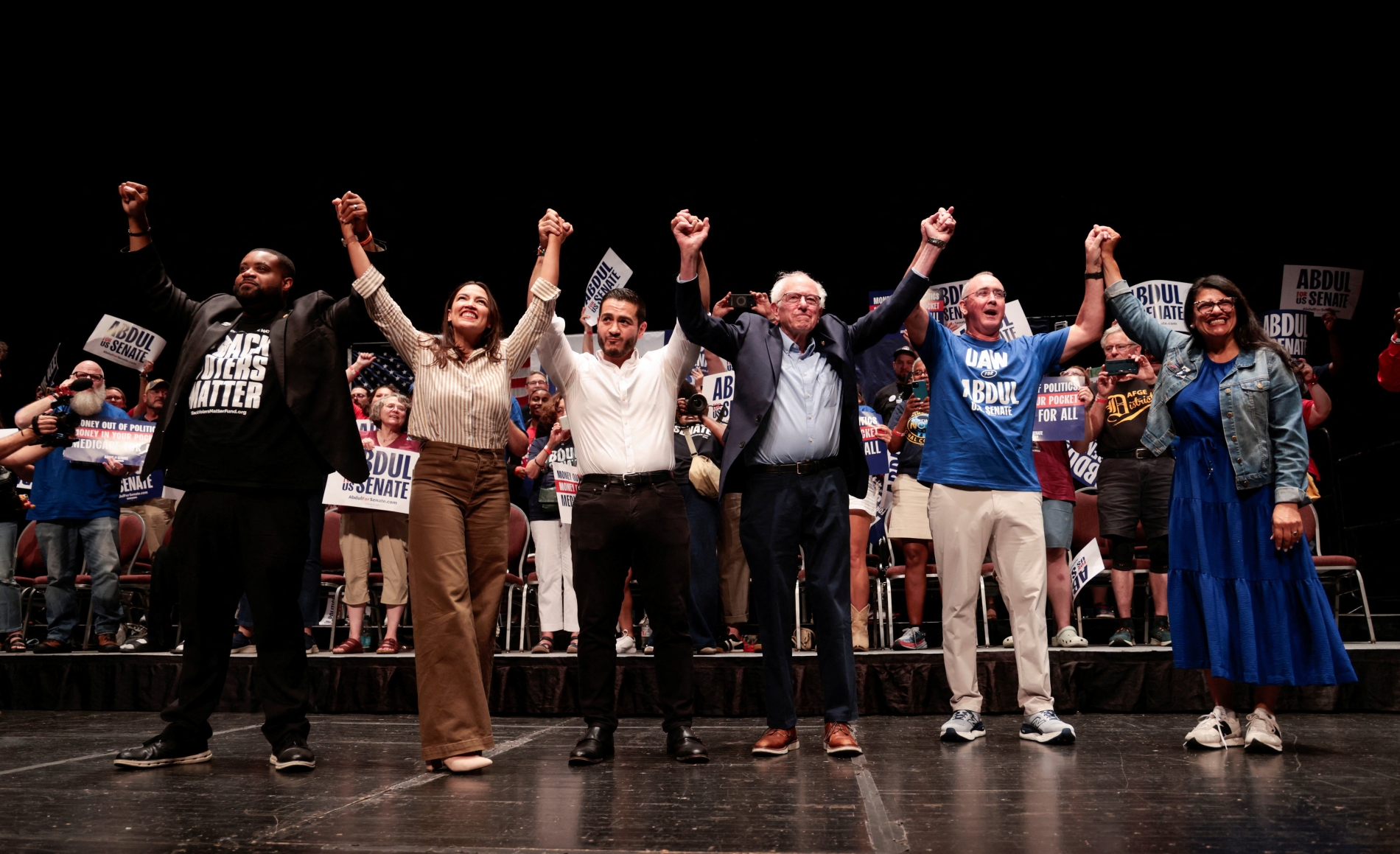
The Democratic victory has done more than deliver majorities in Congress. It has also brought an unprecedented influx of 25 progressives, bringing their total to around 105 members, according to Texas Representative Greg Casar, who chairs the Congressional Progressive Caucus.
Casar said the caucus was united behind clear objectives, foremost among them "bringing about fundamental change in Washington, rooting out corruption, and defending the rights of workers who have been treated unfairly by Congress".
The newly elected members share a range of legislative priorities, including universal healthcare, dismantling the armed enforcement apparatus of Immigration and Customs Enforcement (ICE), ending the war with Iran, curbing the influence of money in politics, halting military support for Israel, raising the minimum wage, and increasing taxes on the wealthy.
So far, only two names have been floated as potential challengers to Schumer: Maryland Senator Chris Van Hollen and Michigan Senator Elissa Slotkin. Neither has formally declared a willingness to run.

Seeking to quell the rebellion against him, Schumer has begun an intensive campaign to persuade newly elected members to support him. He has pledged to transfer substantial powers to committee chairs and other colleagues ahead of the 2028 elections. He also said he was working "in coordination with incoming House Speaker Jeffries" to develop an agenda for the first 100 days of the new Congress.
Several lawmakers have also said Schumer privately told them he had secured enough votes to retain his leadership position. He has called for legislation during the first 100 days of the Democratic-controlled Congress to restore healthcare subsidies that expired at the end of 2025, overturn Trump's tariffs, and reverse the $1tn in cuts to Medicaid, the government healthcare assistance programme.
Jeffries, meanwhile, continues to enjoy the backing of the party's moderate wing, represented by the New Democrat Coalition, led by Illinois Representative Brad Schneider. The coalition is expected to provide Jeffries with a base of around 140 votes in his bid to become Speaker. Jeffries maintains that the party is united in its determination to overturn Trump's tariffs and end the war with Iran. He has not, however, committed to allowing votes on other progressive demands.