Is Israel ready for its first non-Ashkenazi prime minister?

Gadi Eisenkot, who may form a government, hails from a Moroccan-Jewish family. Israel’s 15 prime ministers have all had European or Russian heritage. Is it time for a change?

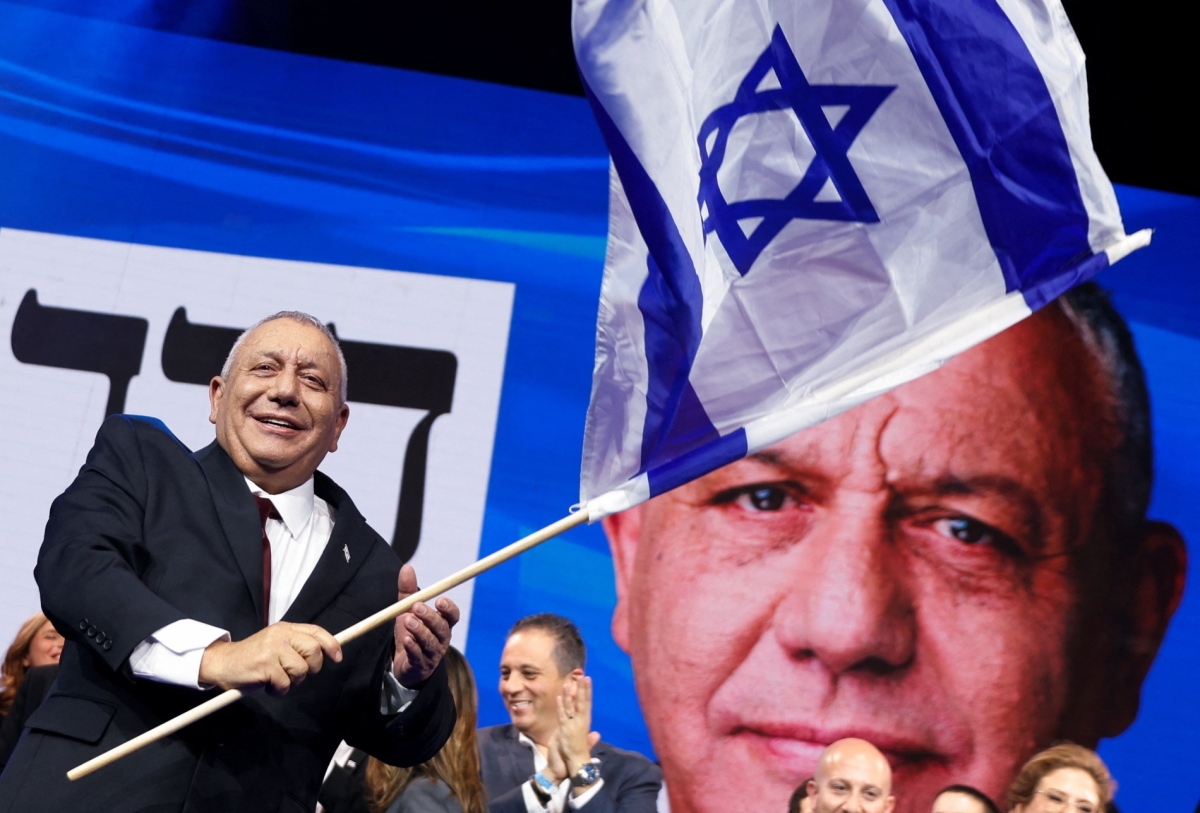
Former military chief Gadi Eisenkot, leader of the Yashar party, waves an Israeli flag following the exit polls at his party headquarters, on the evening of Israel's national election, in Tel Aviv, Israel, on 28 October 2026.
REUTERS/Shir Torem
Former military chief Gadi Eisenkot, leader of the Yashar party, waves an Israeli flag following the exit polls at his party headquarters, on the evening of Israel's national election, in Tel Aviv, Israel, on 28 October 2026.

Is Israel ready for its first non-Ashkenazi prime minister?

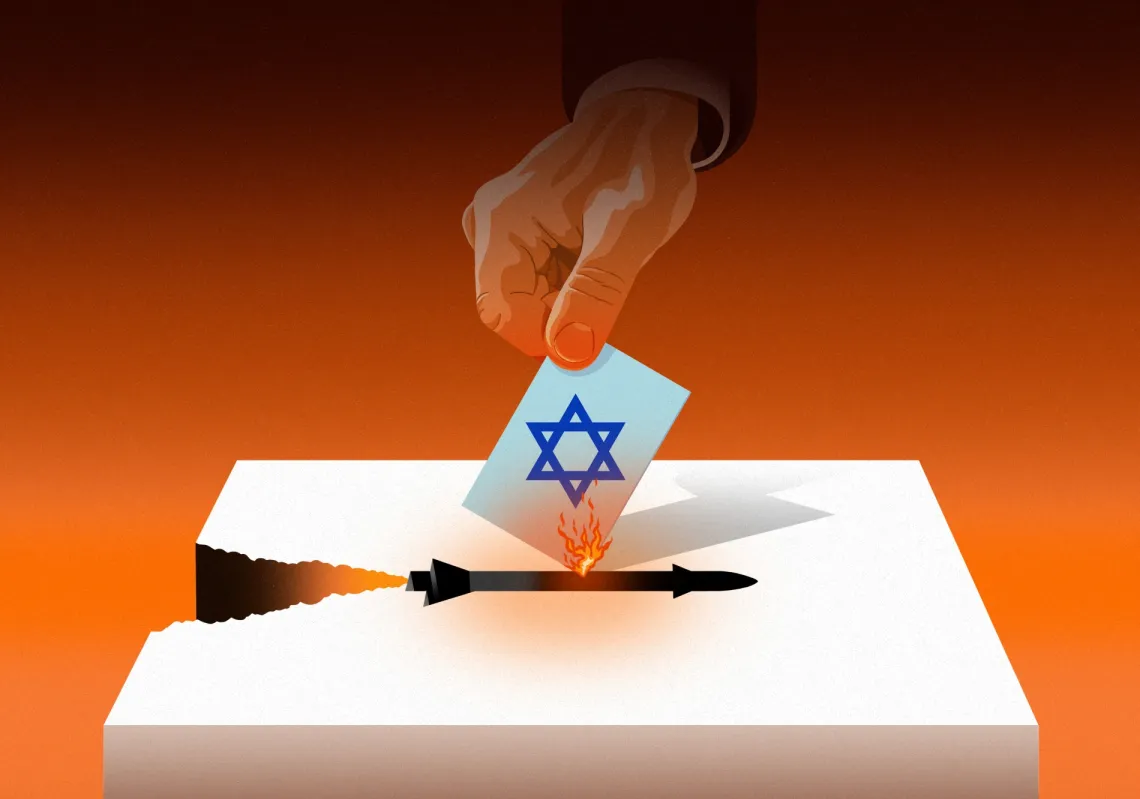
Donald Trump and his MAGA (Make America Great Again) movement were well beaten in the US midterm elections, but the impact of another consequential election just a few days earlier is still to be decided. Israelis went to the polls on 27 October and gave neither big ‘bloc’ of parties a parliamentary majority. Negotiations are now underway over who can form a government.

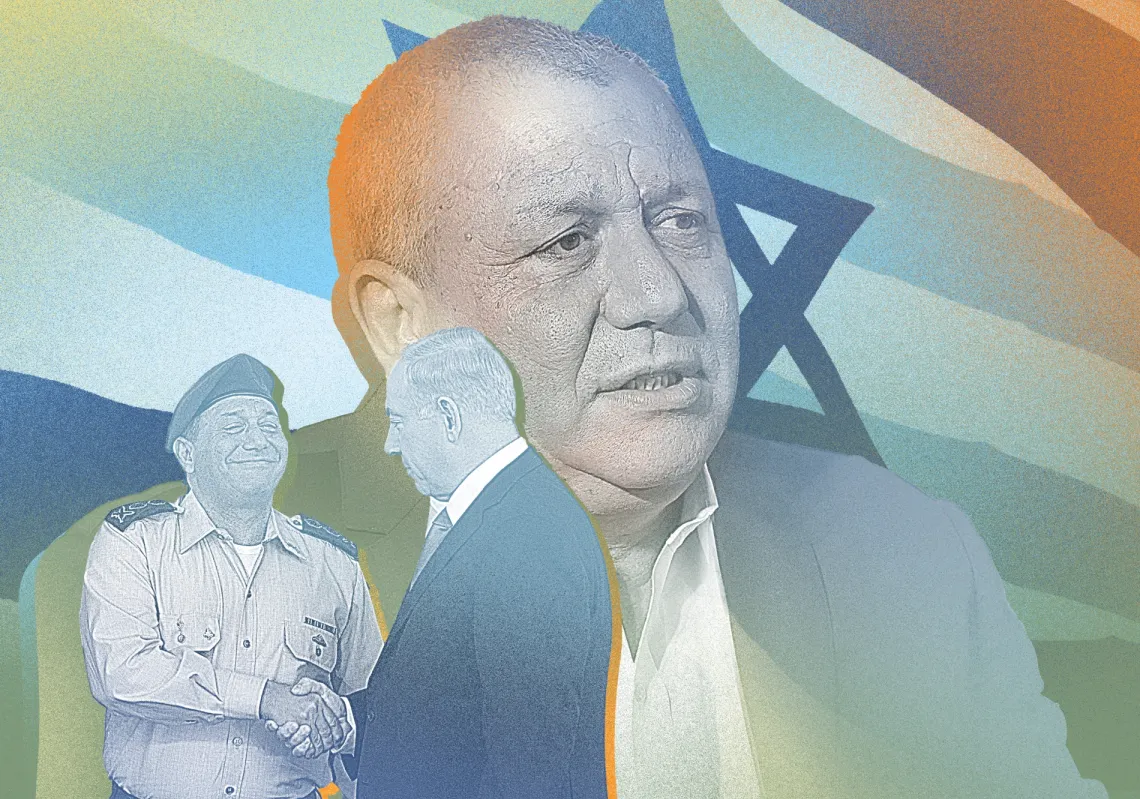
While the haggling continues, Israeli President Isaac Herzog may ask former army chief Gadi Eisenkot to form a government if he can cobble together 61 or more seats in Israel’s 120-seat Knesset. Still relatively new to politics, Eisenkot formed a party called Yashar (which translates as ‘straight,’ meaning truthful or honest) which won 21 seats, second only to Israeli Prime Minister Benjamin Netanyahu’s Likud party (27 seats).

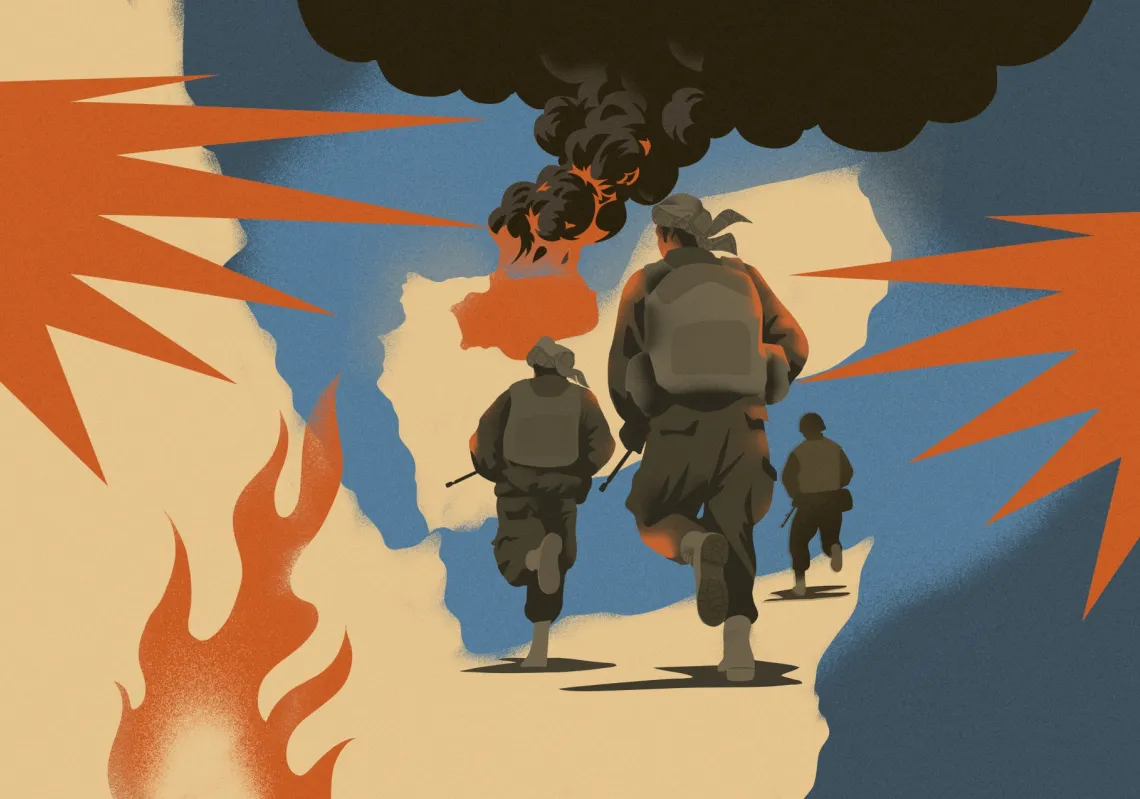
One reason Israel’s election interests the world is that it may shape the country’s foreign policy. Netanyahu’s far-right coalition of allies (including extremists from the settler-led nationalist-religious camp and leaders of the strictly Orthodox community) has ordered Israel’s military to launch ground offensives in Gaza, the West Bank, Lebanon, and Syria, and to bomb Iran and Yemen from the air. According to Barack Obama’s former chief-of-staff and Chicago Mayor Rahm Emanuel, Netanyahu has caused more damage to Israel than an enemy ever could.

Decades of discrimination

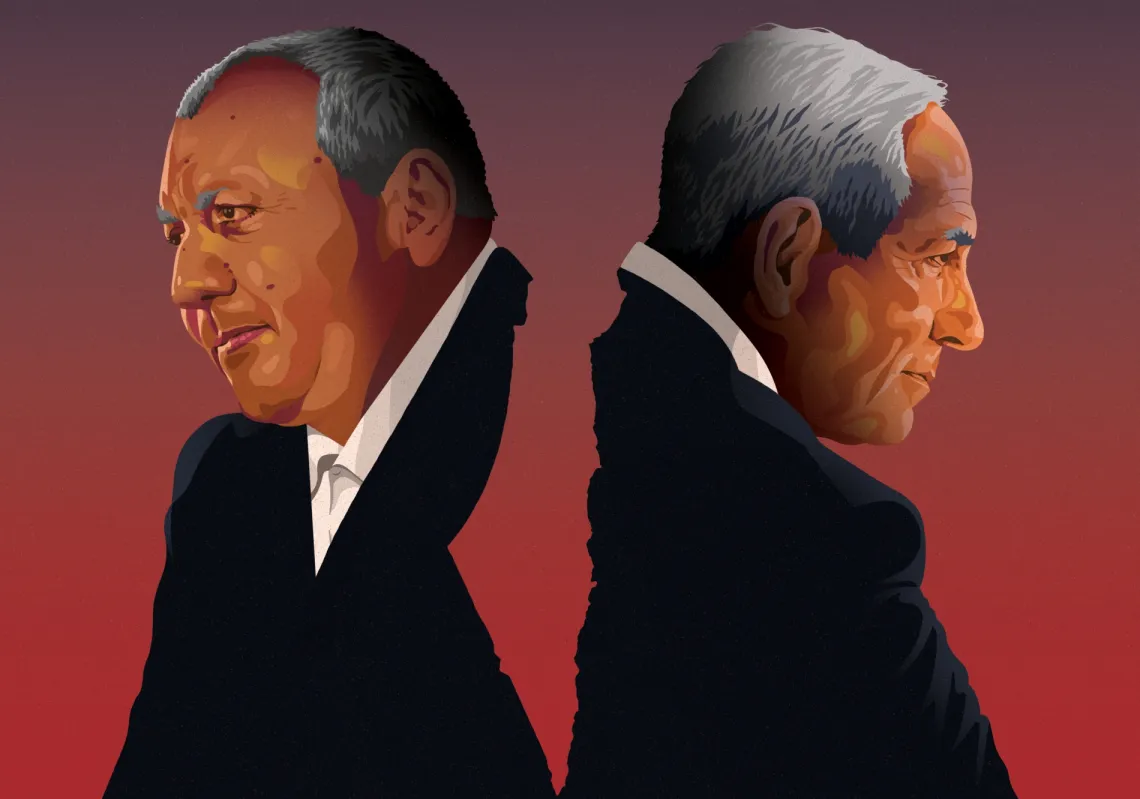
Eisenkot was born to Jewish parents originally from Morocco, so if he manages to build a coalition, he would be Israel’s first prime minister from a non-Ashkenazi background. That would be a landmark moment in Israel, where the Sephardi or Mizrahi (i.e. from the Middle East, North Africa, or West Asia) community has experienced prejudice and discrimination from those with Ashkenazi (i.e. from Europe and Russia) heritage for decades.

This discrimination was again directed against Eisenkot, a celebrated Israeli general, in the build-up to the 2026 election. Several prominent heads of the Israeli armed forces hail from Persian, Syrian, and Moroccan backgrounds, and some later entered politics, but Eisenkot would be the first to attain the premiership, following 15 Ashkenazi Jewish predecessors.

Earlier this year, a recording was published of a conversation between the late US sex offender Jeffrey Epstein and former Israeli Prime Minister Ehud Barak. In it, Barak talks about the need to increase Russian and European immigration into Israel, even if this means converting non-Jews, to counter a growing portion of the population with Arab heritage. This showed not just a bias against Israeli Arabs but against non-European Jews.
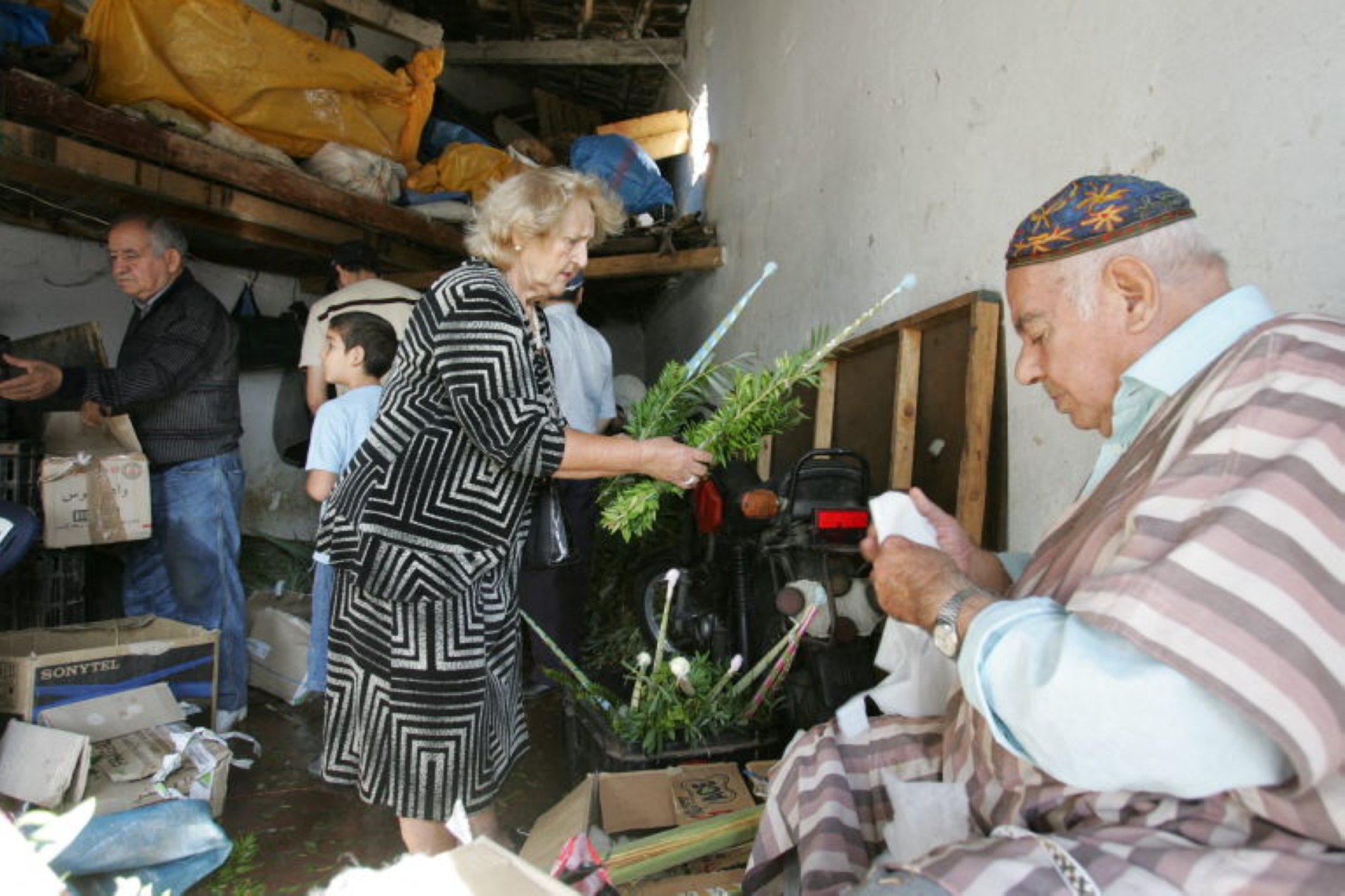
ABDELHAK SENNA / AFP
A Moroccan Jewish woman buys palm fronds on the eve of the Jewish holiday of Sukkot in Casablanca, on 16 October 2005.

Challenging the norm

Jewish migration to Israel from North Africa, the Levant, and West Asia has been seen as a threat to the core values of a state dominated by Jews of European descent. Barak and Epstein discuss Jews migrating to Israel from Arab and Muslim countries and how this was necessary (but not ideal) in Israel’s early years. At its founding in 1948, Israel’s population was 80% Ashkenazim. Jews of Middle Eastern heritage were useful for covert or undercover military and intelligence operations in the years that followed, but were unwelcome in the corridors of power.

A hugely popular Israeli TV series from 2020 called Valley of Tears touches upon some of these difficult themes, including the past reluctance of some Mizrahi and Sephardic Jews to fight for the state. The drama focuses on the disastrous war of 1973 when the combined Syrian and Egyptian armies almost defeated Israel. In the series, Arab-speaking Israeli soldiers were key to counterintelligence, but felt conflicted about risking their lives for a country that saw them as second-class.
Discrimination was directed against Eisenkot, a celebrated Israeli general, in the build-up to the 2026 election

Israel even had its own Black Panthers movement. In the book Israel's Black Panthers, it shows how the European and Russian Israelis saw Jews from Arab lands as almost on a par with Palestinians. They were seen as backward and too close to the enemy. They were also told to stop speaking Arabic (their first language), even though they were closer to the Palestinian lands given the proximity, especially of Syrian, Lebanese, and Egyptian Jews.

The strictly Orthodox Shas party was formed in 1984 to represent Sephardic and Mizrahi Jews. It was the first time this lineage had been specifically represented in mainstream Israeli politics and sought not just to fight racism but to give non-Ashkenazi Jews a voice in state decision-making. Some significant Israeli public figures from Sephardi and Mizrahi backgrounds had already emerged, including Shaul Mofaz, Binyamin Ben-Eliezer, and Amir Peretz (the latter two being garlanded army generals), as well as two Israeli presidents.

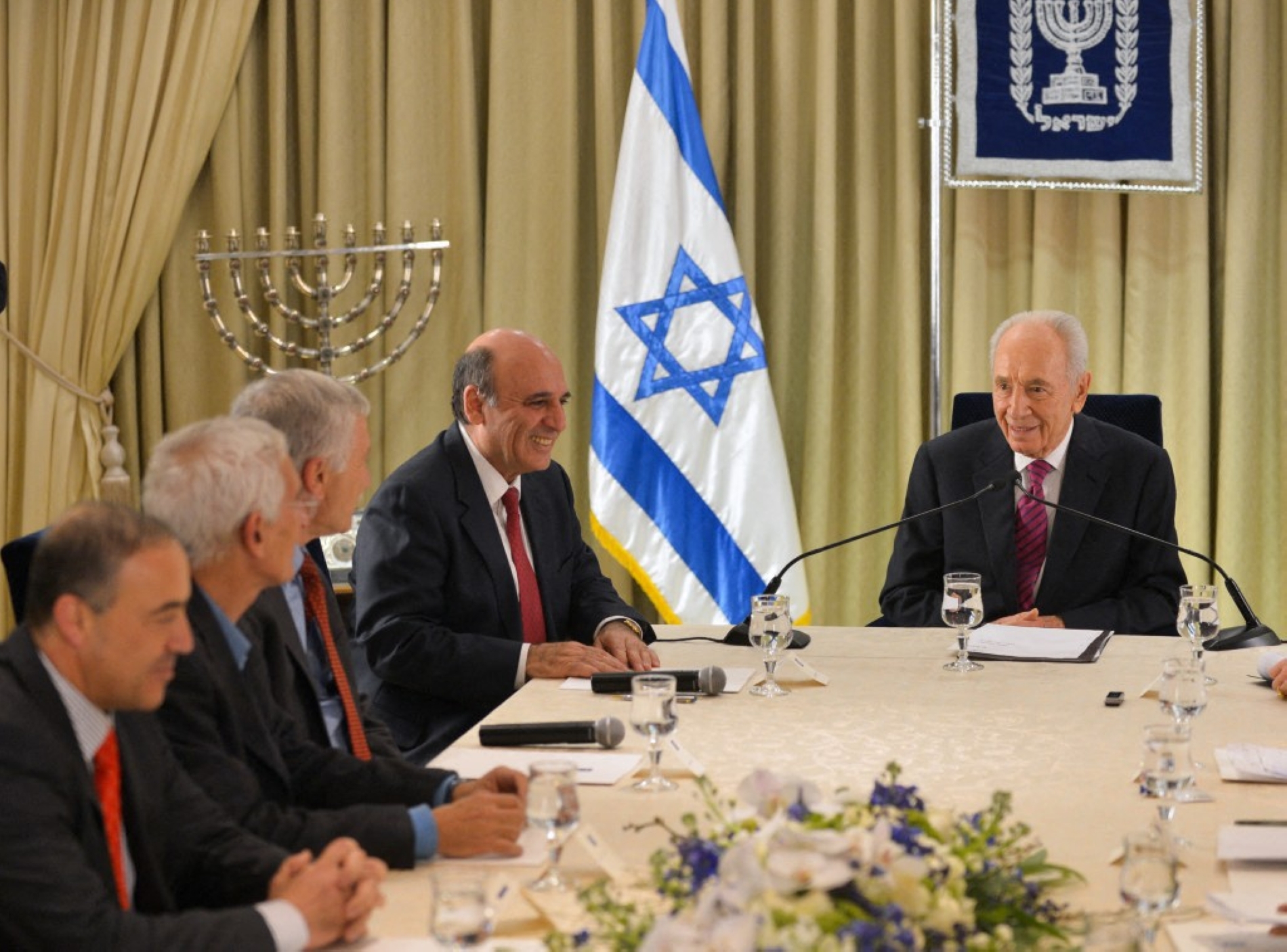
YIN DONGXUN / AFP
Israeli President Shimon Peres (R) meets with representatives of Kadima headed by Shaul Mofaz (2-R) as part of his talks to form a viable governing coalition on 31 January 2013, in Jerusalem.

Racial smears

Netanyahu's allies call Eisenkot an 'Arab' not just to imply that he is soft on the Palestinian question but to warn that he threatens the near 80-year Israeli political domination of Ashkenazim. The current head of Israel's armed forces, Eyal Zamir, is of mixed Syrian-Moroccan heritage, and has tangled with Netanyahu over the war in Gaza (Zamir urged an end to the ground offensive but was overruled). Netanyahu's allies now quietly suggest that Zamir and Eisenkot are not strong enough to defend Israel, pointing to their Arabic-speaking background.

These racist insinuations are nothing new. Alongside Eisenkot in this year's election has been Yoram Cohan, one of the most consequential Israeli intelligence chiefs of his generation (he headed Shin Bet, the domestic intelligence service). On the campaign trail, however, he was dismissively called "the Afghan," owing to his birth in Afghanistan. Other former intelligence operatives from Moroccan and Tunisian background would be in Eisenkot's team if he were to become prime minister.

There are no hard truths in Israeli politics, but Eisenkot and Zamir have tended to be less trigger-happy than Netanyahu and his religious-nationalist allies. Although both Yashar and Likud have ruled out working with Israel's Palestinian parties, Arab-speaking Israeli Jews are less likely to see non-Jewish Israeli Arabs as a threat, given the cultural and linguistic familiarity. They are also less likely to glorify the death of Arabs and Muslims, as Rabbi Isaac Choua, an Israeli scholar of Lebanese origin, has warned against doing.

Eisenkot has presented several 'terms' that the Palestinian parties would have to accept to enter any coalition government led by him. Choua has said these terms are a better offer than that of the Likud and right-wing Ashkenazi religious Zionists. Anything can happen, and Netanyahu is not known as the 'magician' for nothing, but if Eisenkot does become the first Mizrahi or Sephardi Israeli prime minister, that in itself could change Israel's relationship with Arabs, both within its boundaries and beyond, and that would be cause for hope.

font change

Related Articles