
More than 100 million American voters are expected to head to the polls this week to elect 435 members of the House of Representatives and 35 senators, who will together form the country’s 120th Congress. Throughout history, the US president’s party has generally suffered losses in the midterm elections, losing control of one or both chambers. Only twice has this trend been bucked in the last 88 years.
A president’s performance and achievements shape American voting patterns. Previous elections show that the higher a president’s approval rating, the lower their party’s midterm losses. In these elections, several big issues are effectively on the ballot, including the limits of presidential authority, Congress’s oversight role, war with Iran, corruption, and even the resilience of US democratic institutions.
Some wonder whether US President Donald Trump will accept the election results if he loses seats. A Gallup poll indicates that his approval rating has fallen below 39%, while public approval of Congress has plunged to 16%. This stems in part from Trump’s failure to deliver on promises made during his 2024 election campaign, including ending American involvement in wars (especially in the Middle East), improving living standards, easing the cost of living, expanding healthcare coverage, and cutting taxes.
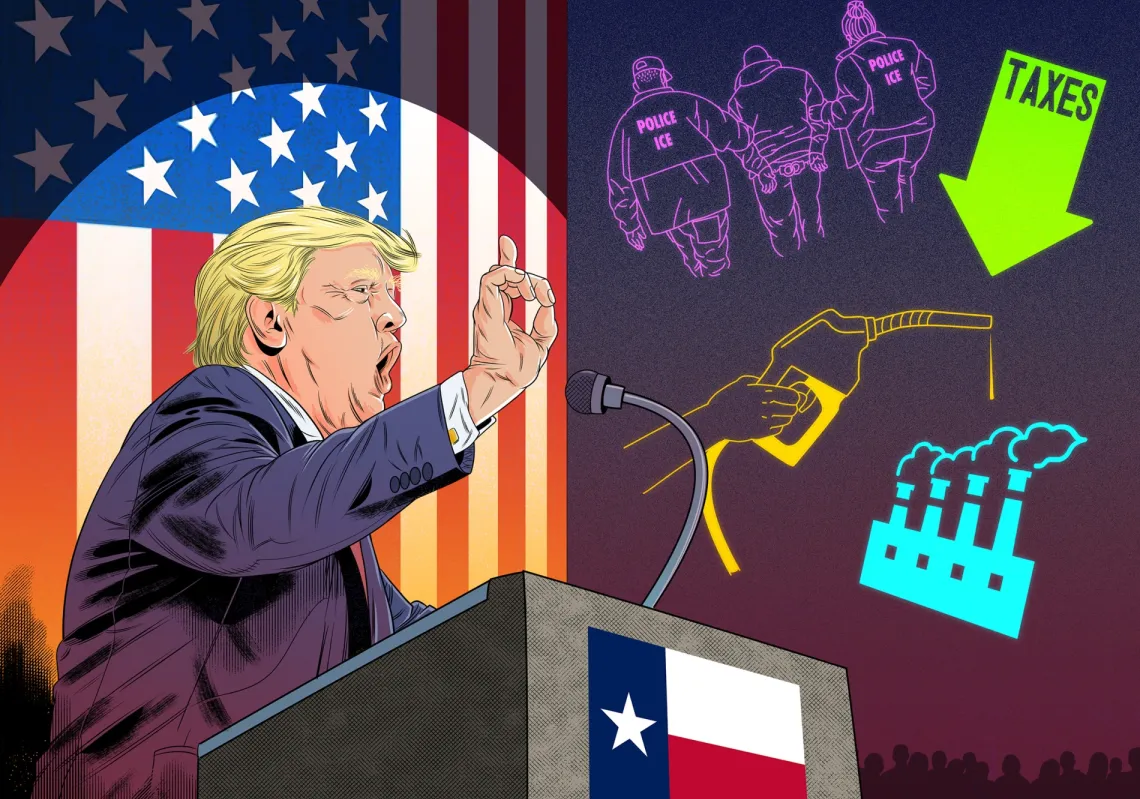
Although Republicans support Trump, some candidates have begun to distance themselves from him, with rising fuel prices deeply unpopular. In some areas, there is ill feeling about federal immigration enforcement operations targeting migrants and refugees. Others feel bitterly let down that, despite his promises, Trump went to war with Iran, a conflict that many Republicans believe serves no American interest.
Over the past two years, economic growth has not topped 2%, so Trump has done no better than his predecessor, Joe Biden. Manufacturing employment has continued to decline, while inflation is up to 3.4%, above the US Federal Reserve’s 2% target. Despite Trump’s tariff increases, the US trade deficit has remained at previous levels, exceeding $900bn.
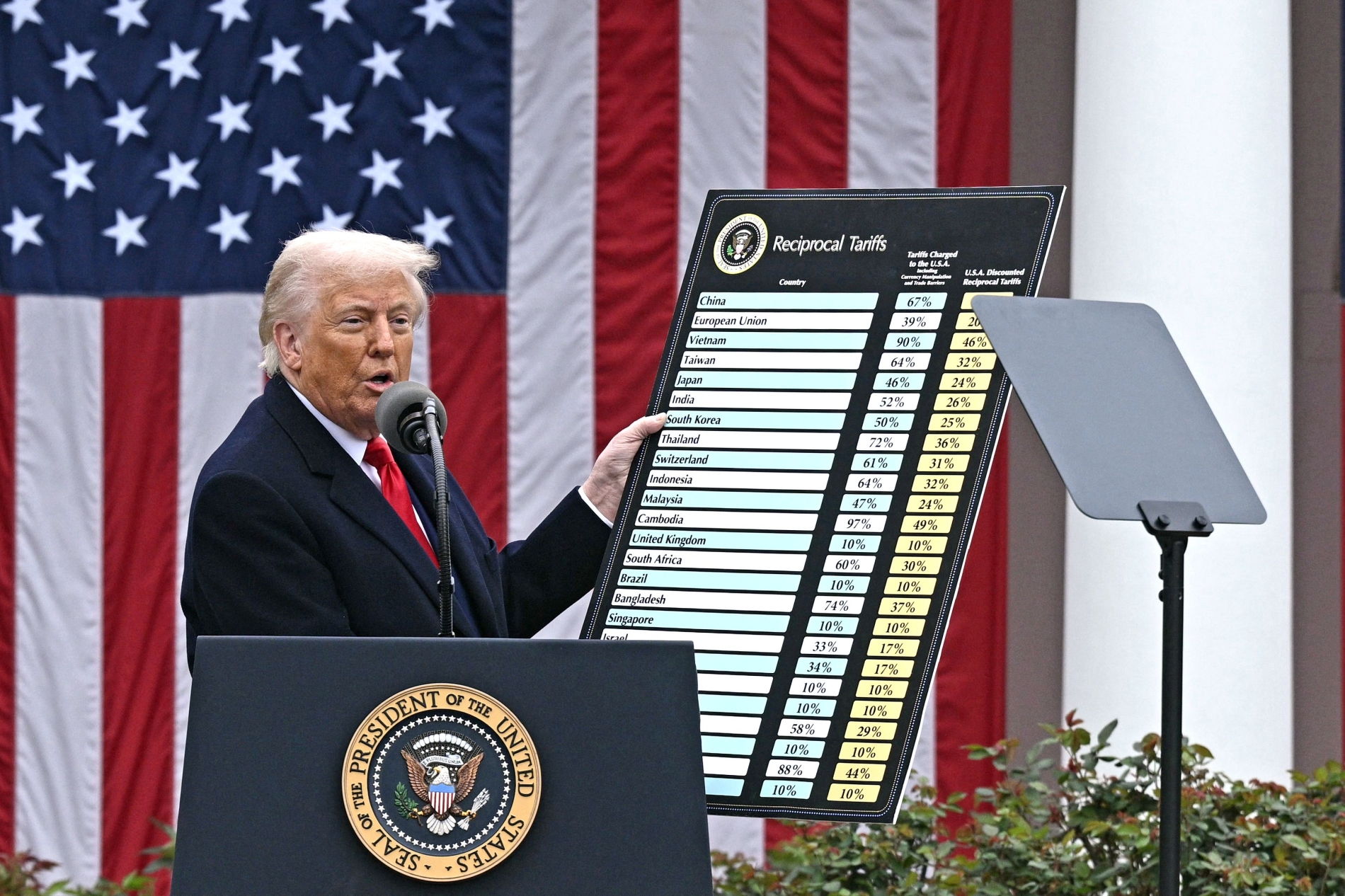
Economists warn that Trump’s sweeping tax cuts, together with an increase in defence spending to $1.5tn, could add $3.4tn to the federal budget deficit over the next decade, with US national debt having already passed $40tn. This is squeezing low- and middle-income households, as healthcare, food, and childcare costs rise. House prices are up by 35%, mortgage interest rates have climbed from 3.45% to 6.5%, and utility bills have increased, with sharp rises in gas prices due to the war with Iran.
Other issues are troubling American voters, including the growing use of AI and the resulting job losses. The number of data centres has risen to 4,700, with another 2,000 planned. These centres suck up water and energy, driving up bills for consumers and raising environmental concerns.
Historic spending
The 2026 US midterm elections are the most expensive midterm elections—and overall political election cycle—in American and world history, with total political ad spending and reservations projected to reach $11.6bn. This came after the Supreme Court removed limits on election campaign financing, giving Republicans a considerable fundraising advantage over Democrats, thanks to their longstanding ties with major corporations.
This election cycle has witnessed a frenzy of campaigning, continuing a trend since the Supreme Court removed limits on campaign financing. An analysis by OpenSecrets indicates that $12bn could be spent on the 2026 midterms, compared with $10bn in the 2024 presidential elections. Conservative groups are outspending their liberal counterparts by around $360mn ($2.03bn compared to $1.67bn).
Of the Senate seats up for grabs, Republicans are defending 22, and the Democrats hold 12. Around a dozen contests are intensely fierce, with some too close to call. Competition is also intense for 46 seats in the House of Representatives, 25 of them held by Democrats, and 21 by Republicans. Some think the Democrats will regain control of the House of Representatives, or even secure a majority in the Senate. Either outcome would be enough to constrain Trump. Winning both would open the door to impeachment proceedings to remove him from office.
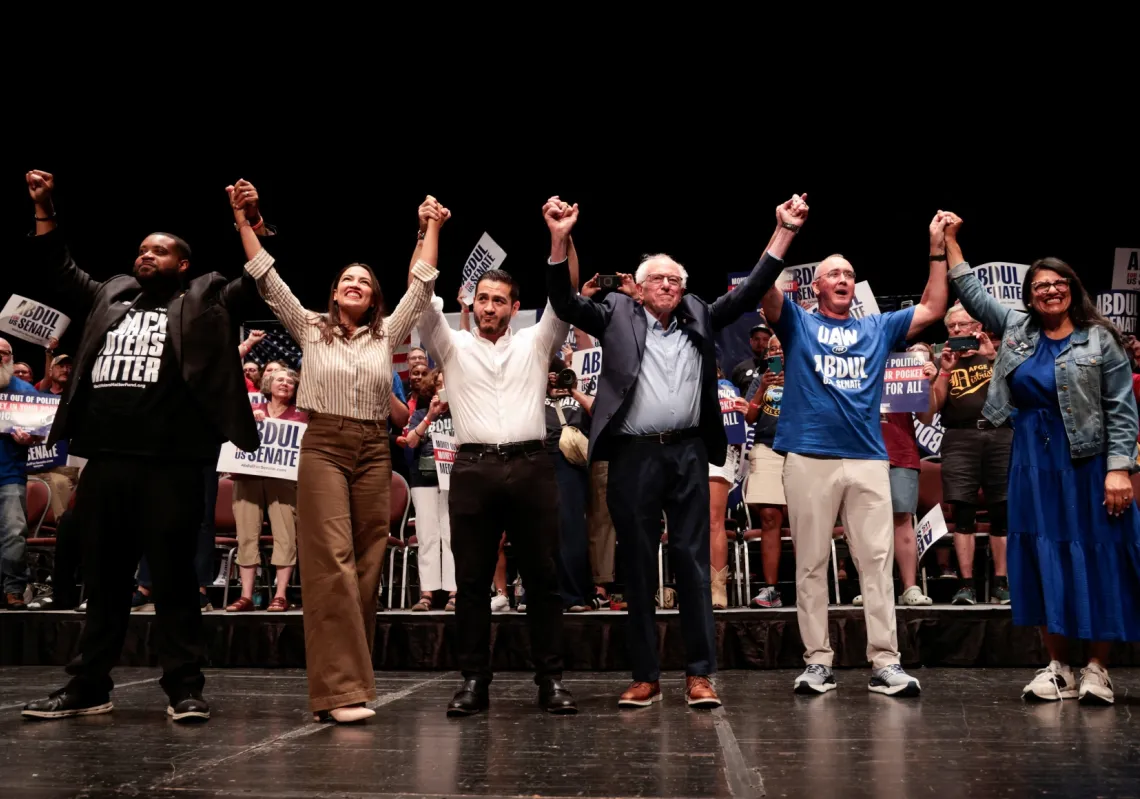
To make these gains, Democrats need to win five additional seats in the House and four in the Senate, but Democratic candidates hold only narrow leads over their Republican rivals in Senate races in three tight Senate races: Ohio, Texas, and Iowa. All three are traditionally Republican strongholds, but voters are frustrated with progress on issues such as inflation, corruption, energy costs, and fuel prices.

On taxation and immigration, Republicans remain popular, but both issues have declined in importance among voters this election cycle, which is dominated by concerns over the cost of living. In Texas, Democratic candidate James Talarico has a narrow lead over Republican opponent Ken Paxton, in part by pressing the point about the soaring cost of living. But 61% of Texas voters regard immigration and border security as important, and on this they trust Paxton more.
Republicans have spent millions of dollars on advertising campaigns warning voters that Democrats would raise taxes if elected. Yet polls in swing states show that voters are more concerned about Republicans cutting taxes for billionaires while increasing the financial burden on everyone else. So, although voters may associate Republicans with lower taxation, they do not believe tax policy alone is enough to address the cost-of-living crisis and ease economic pressures.