
Heavy missile strikes on Houthi-controlled areas of northwestern Yemen have drastically intensified this week. Saudi-led coalition jets carried out successive waves of airstrikes after first warning residents of the Yemeni capital, Sanaa, to keep away from two key oil facilities. Meanwhile, government troops and allied formations are fighting Houthi forces on several fronts, particularly in Taiz and Marib.
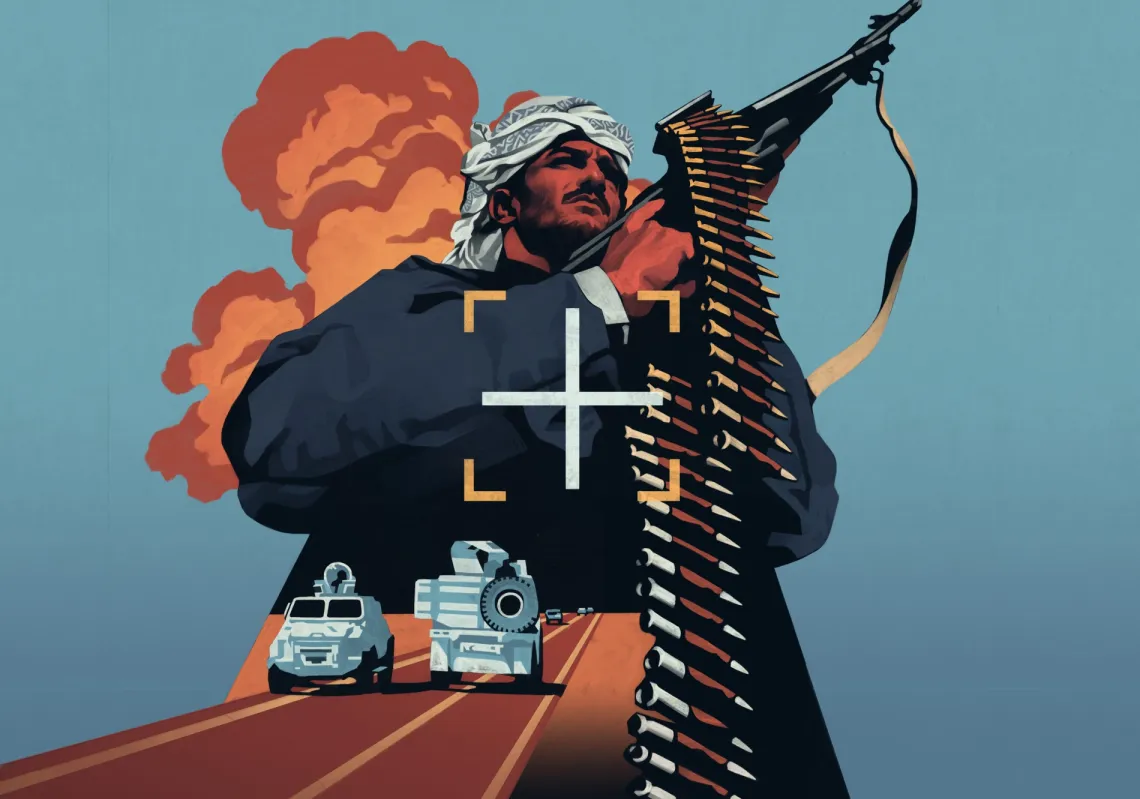
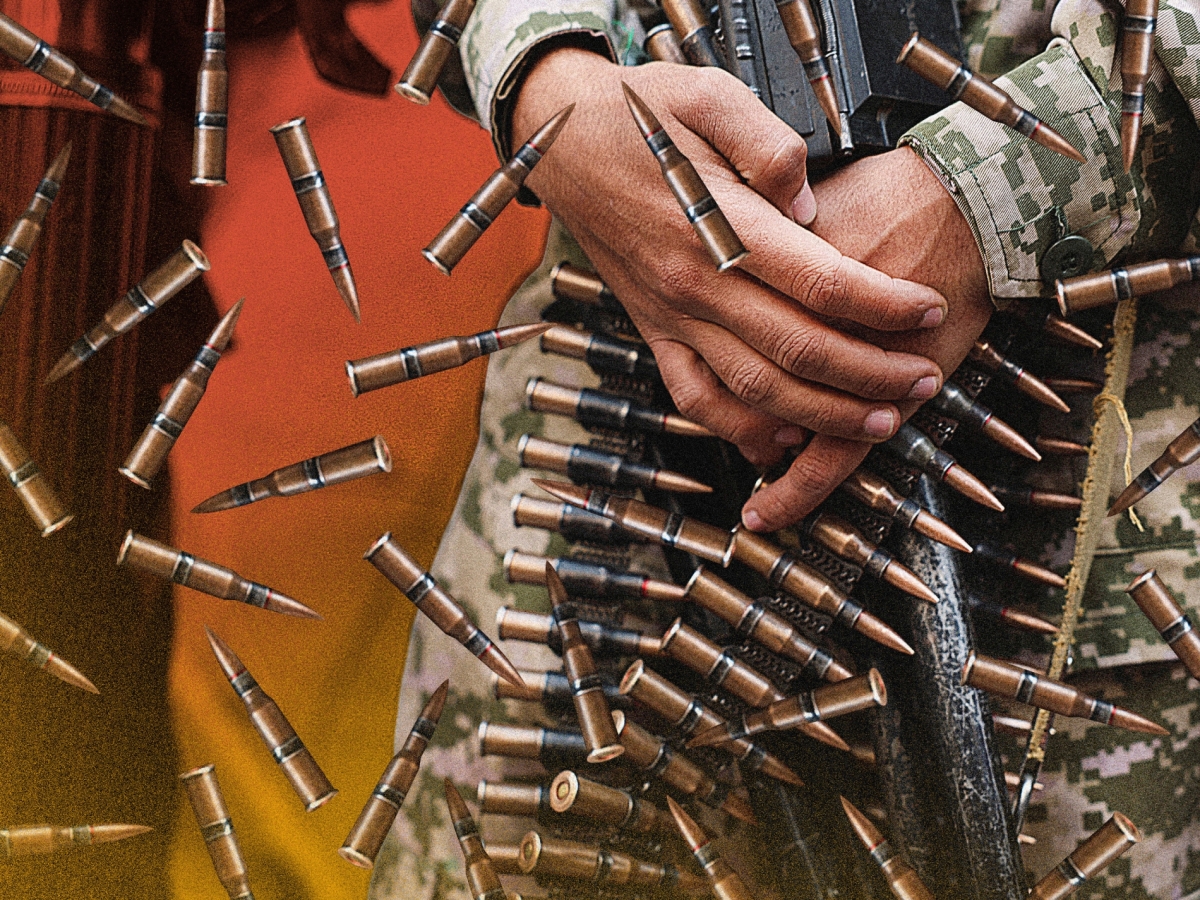
Far from being weakened by successive wars and battles over the years, the Houthis have emerged from each one more organised, cohesive, and disciplined, and militarily stronger, with growing stocks of weapons, equipment, and ammunition. The extent of this military build-up is evident in the weapons, ammunition and military equipment that Yemeni government forces have repeatedly intercepted. Some shipments have been seized as they were smuggled along Yemen’s Gulf of Aden coast and across desert routes through Al Mahrah, Hadramawt, Marib and Al Jawf. Others, bound by sea for Houthi-controlled areas along the Red Sea coast, have been intercepted in cooperation with international naval forces operating in the waters around Yemen.
In recent years, the Houthis have built up a formidable arsenal of modern medium-range missiles and drones inside Yemen, as well as longer-range weapons. Iran’s Islamic Revolutionary Guard Corps and Lebanon’s Hezbollah have played a key role in building the movement and strengthening its organisational, military and media capabilities.
That support has helped turn the Houthis into one of the most capable fighting forces in Iran’s so-called ‘resistance axis’. They have increasingly demonstrated an ability to carry out complex combat missions and military operations long associated with the Lebanese group Hezbollah before its defeat. In fact, the Houthis’ development followed a very similar track to Hezbollah. However, the Yemeni rebel group enjoys advantages the Lebanese group does not, notably the breadth of territory it controls, on land and along the coast, and the size of the population living there. This gives the group access to a vast pool of manpower from which it can recruit tens of thousands of fighters.
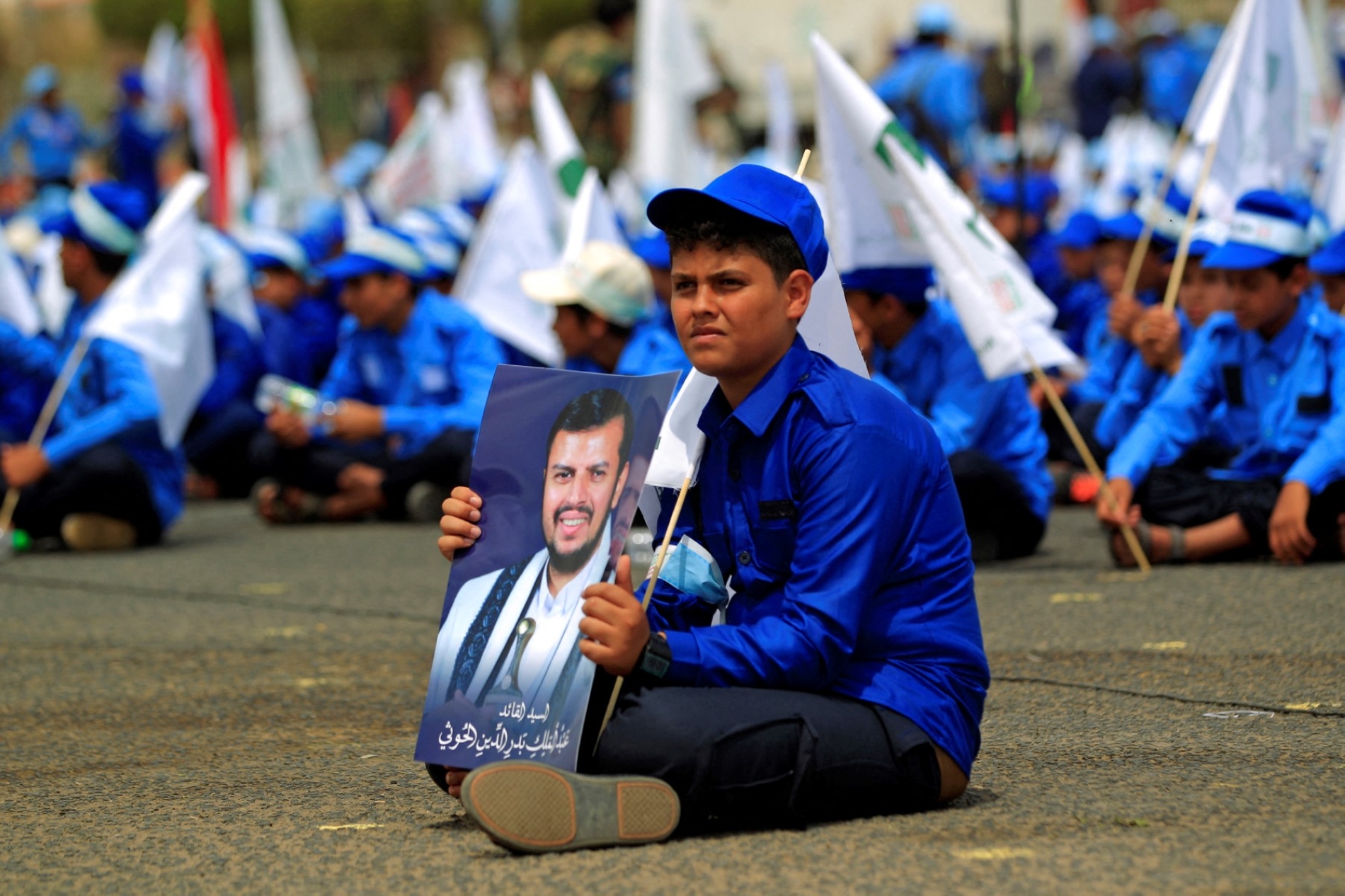
Once recruited, fighters undergo intense indoctrination, filling their minds with sectarian and regional hostility and other forms of misleading propaganda directed against neighbouring countries—particularly Saudi Arabia. Adnan al-Gabarni, a prominent Yemeni journalist and researcher specialising in military and security affairs, describes the group as “a secretive and closed jihadist military organisation, both in structure and in the way it operates.” He says the group does not believe in popular participation, but instead uses politics as a “cover for expansion and conflict.”
Pressing imperative
For many countries, dismantling the Houthis’ military capabilities has become a pressing imperative, as the group’s destructive actions not only affect Yemen but increasingly pose a threat to surrounding countries, in one of the world’s most sensitive regions. The longer the group operates without assertive pushback, the more leverage they will have to hold the global economy hostage by driving up global energy prices.
On the ground, the Houthis have failed to secure new positions in rural Taiz, where their gains have been confined to a few agricultural villages of little importance. This comes after government forces recaptured western parts of Al Wazi’iyah district and the Kahboub Mountains, pushing towards the Bab al-Mandab Strait. If this government momentum continues, the Houthis may be forced to relinquish many positions they previously captured.
The Houthis are stretched extremely thin after their territorial gains, creating an opening for government forces to apply additional pressure. By forcing the Houthis to defend several fronts at once, government forces can gradually drain the group’s resources and exhaust its fighters. The Houthis have already sustained heavy losses in fighters and equipment due to a punishing government air assault against them. When they seek cover, they are forced into caves, tunnels and trenches. In this rugged, unfamiliar terrain, they are vulnerable to ambushes.
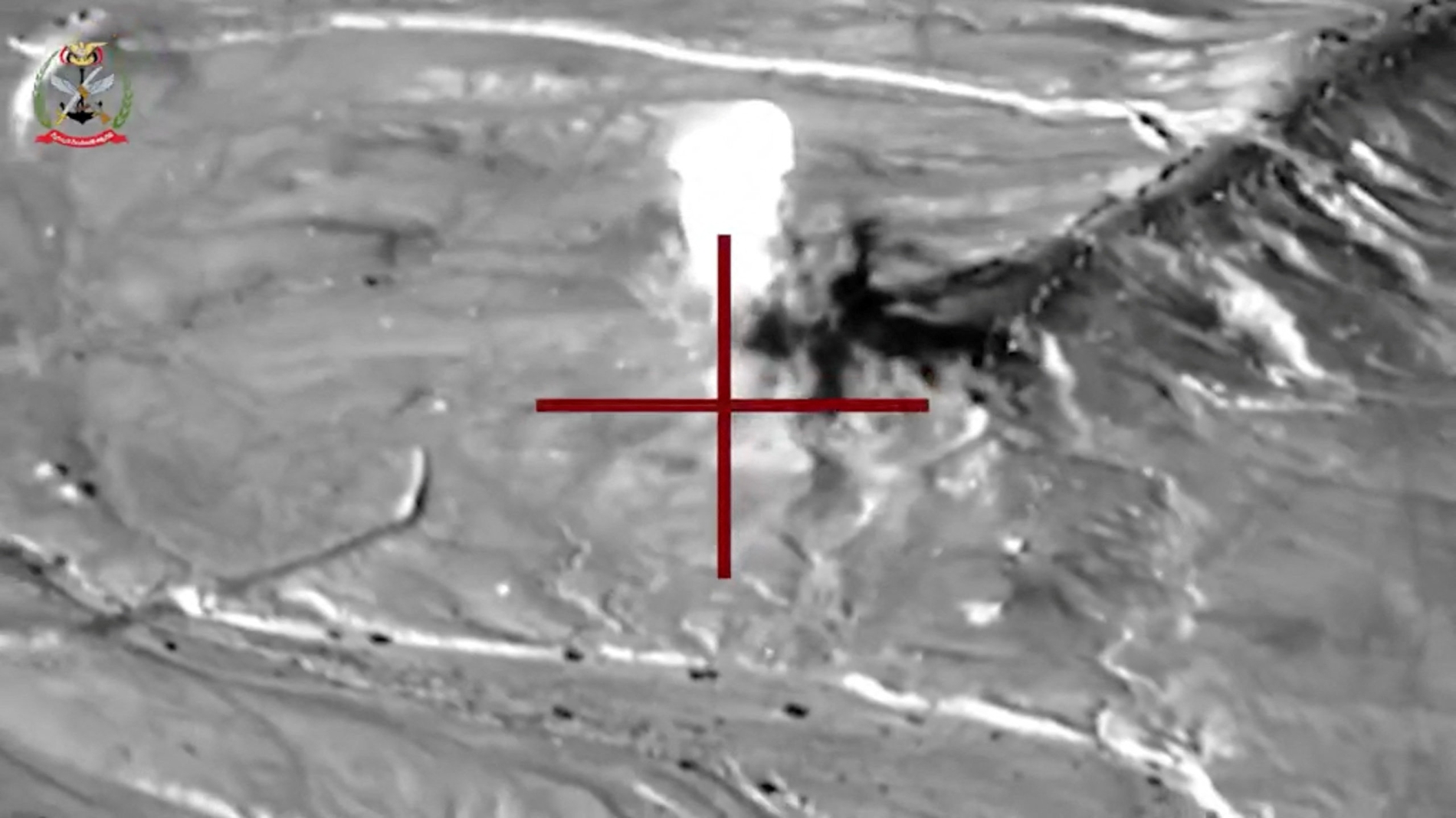
Under increased pressure, the Houthis are lashing out against civilians. In rural Taiz, this has taken the form of deliberate violence, persecution and starvation against civilians. Outside Yemen, the Houthis are stepping up attacks on civilian infrastructure in Saudi Arabia, as seen with the attacks on several Saudi airports across the country.
Difficult, but possible
Defeating the Houthis is not impossible, but it is much harder than before. Many observers fear that if the Yemeni rebel group isn’t swiftly dealt with, the task of defeating them will become even more difficult in the future. That said, the group could still collapse from within. Its isolationist character lends to this vulnerability. Some observers think a mix of external and internal pressure, coupled with a military campaign, could ultimately defeat the group.