
As the world grows hotter, a 'cooling economy' emerges

It is not just a fancy name for the air-conditioning industry, but an intricate system that begins with power stations and extends to the design of buildings and cities

A woman cools off under a mist sprayer during the annual street music festival 'Fete de la Musique' while taking part in a heatwave in Bordeaux, southwestern France on 21 June 2026.
ROMAIN PERROCHEAU / AFP
A woman cools off under a mist sprayer during the annual street music festival 'Fete de la Musique' while taking part in a heatwave in Bordeaux, southwestern France on 21 June 2026.

As the world grows hotter, a 'cooling economy' emerges

On a summer afternoon in an Arab city, no economic report is needed to understand the meaning of demand for cooling. A few minutes outdoors, followed by a single step into an air-conditioned lobby, are enough to show that cool air is no longer a luxury in this part of the world. It has become a condition of daily life, alongside water and electricity.

Yet behind the cool air filling a home or office lies an investment story far larger than the unit mounted on the wall. When millions of air conditioners switch on at roughly the same time, loads surge across power stations, transmission lines and transformers. What looks like a simple individual decision—lowering the temperature in a room—becomes, when aggregated across a city or country, a multibillion-dollar challenge.

The world is currently preoccupied with the energy that AI data centres will require. Understandably so: the new servers are power-hungry, the announced investments are enormous, and the companies leading them are among the world’s largest. Yet another source of demand is growing away from the noise, with a much broader geographical and social base: cooling.

Data centres are concentrated mainly in the United States and China, alongside a limited number of other digital hubs. The need for cooling, by contrast, reaches every hot city—from a family buying its first air conditioner in India or Indonesia to a tower in the Arabian Gulf; from a pharmaceutical warehouse in Africa to a lorry carrying food across the Arabian Peninsula.

This is how what might be called the ‘cooling economy’ is taking shape. It is not just a fancy name for the air-conditioning industry, but a system that begins with power stations and extends to the design of buildings and cities. Between the two lie solar power, batteries and thermal storage; district-cooling networks; food and pharmaceutical cold chains; smart control systems; and the metals, refrigerants and technical skills that will be needed in ever greater quantities as the planet grows warmer.

AHMAD AL-RUBAYE / AFP
An Iraqi man cools off in front of water-misting fans along Al-Jumhuriya Street in central Baghdad on 16 July 2026 during the peak of the midday heat as summer temperatures approach 50 degrees Celsius.

Need vs purchasing power

Around 3.5 billion people live in regions exposed to high temperatures, yet only 15% of them own an air conditioner, according to the International Energy Agency. This deep gulf between need and purchasing power represents the largest reservoir of future demand.

Heat alone does not explain the spread of air conditioning. Income matters just as much. Once a household crosses a certain purchasing-power threshold, an air conditioner quickly jumps from the list of luxuries to the top tier of necessities. A family may postpone buying a car or new furniture but sleeping and working in oppressive heat make it harder to defer air conditioning with each passing year.

That shift is already underway across large parts of Asia and will repeat as incomes rise and urbanisation accelerates in Africa and the Middle East. The IEA expects emerging and developing economies to account for more than 80% of the projected increase in electricity demand for cooling through to 2050.

In South-East Asia, the stock of air conditioners could grow ninefold between 2020 and 2040 under current policy settings. In Indonesia, the share of people who own one could rise from 14% in 2023 to 85% by mid-century. In India, air-conditioner ownership is projected to increase tenfold by 2050, while peak demand in buildings rises sixfold.

The impact goes well beyond the price paid at the shop. Every air conditioner installed in a home creates years of electricity demand and requires generation capacity, a grid able to bear the load, maintenance technicians, spare parts and refrigerants. A cheap machine at the point of purchase may prove the most expensive over the long term if it is voracious in its use of electricity.

Not every need, however, becomes a market. According to the 2025 Chilling Prospects report by Sustainable Energy for All, just over 1 billion people in 77 countries face high risks because they lack essential cooling. That number could reach 1.05 billion by 2030.

Alongside them are 2.83 billion people in a middle category: their incomes allow them to consider buying some form of cooling, but they cannot always find an efficient appliance at an affordable price, reliable electricity or finance to cover the upfront cost. This vast population is the market waiting to be opened up; the danger is that it will be flooded with cheap, energy-hungry machines, leaving households to pay many times the difference through their electricity bills.
REUTERS/Tom Nicholson
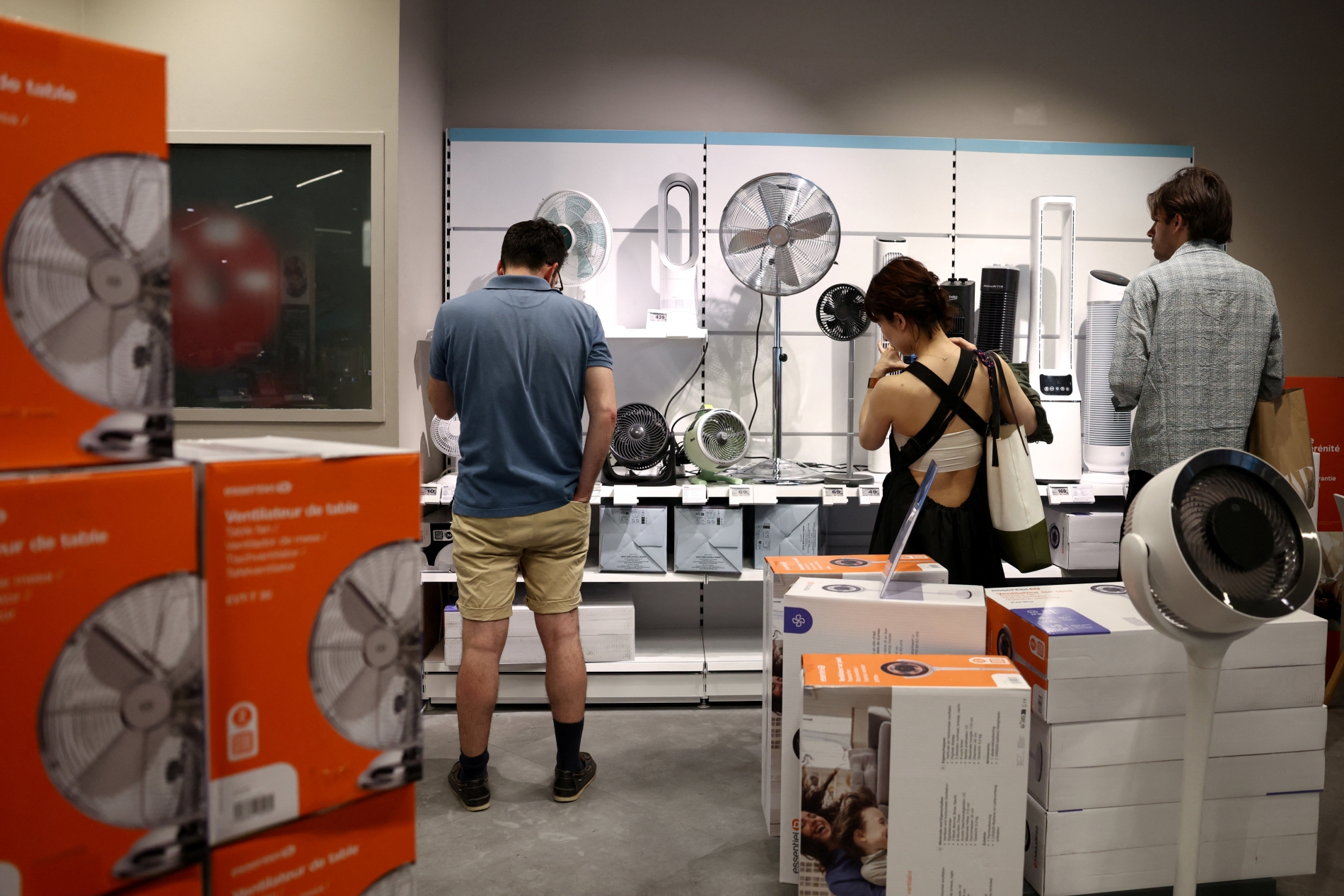
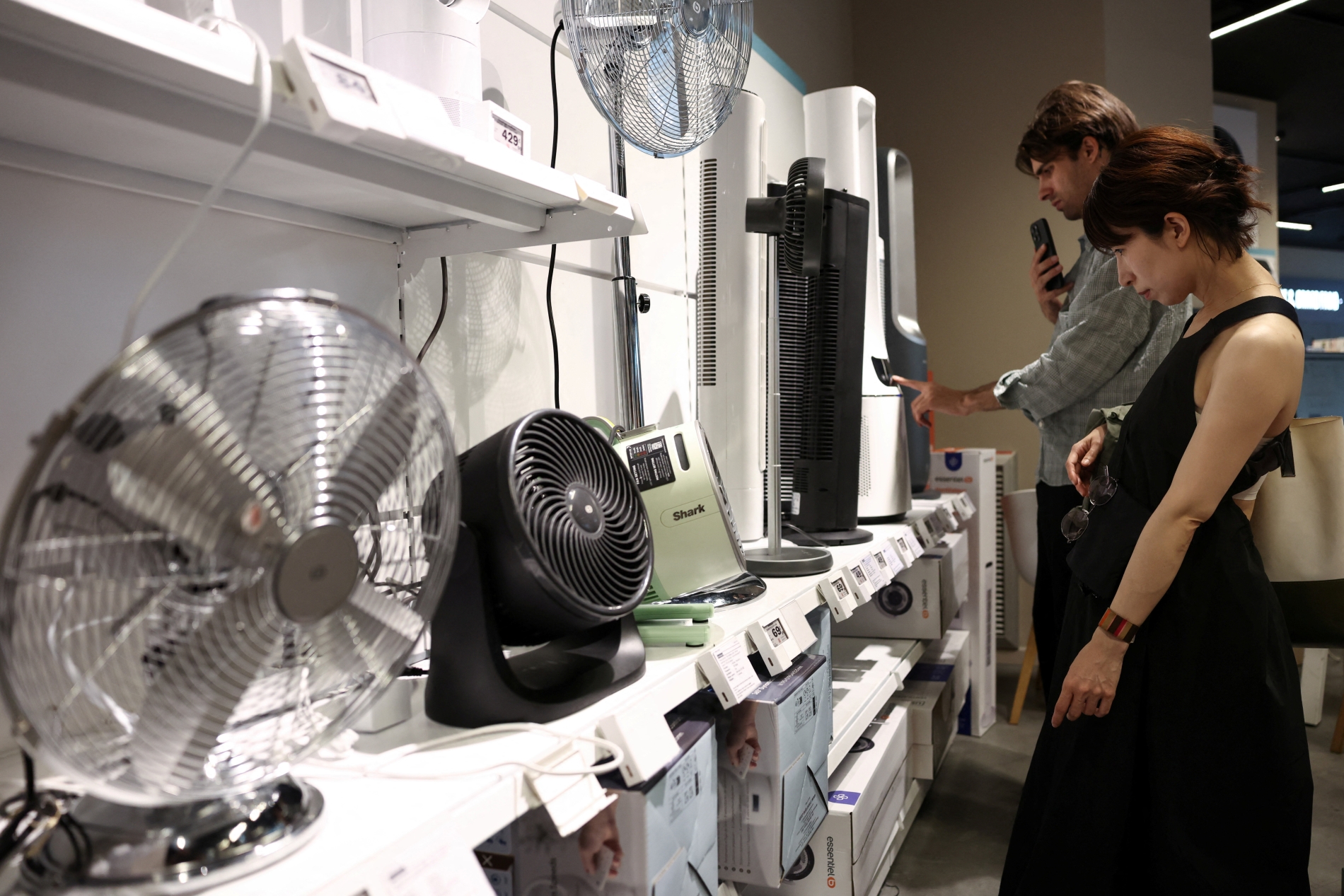
People browse fans and air conditioning units in a homeware store amid a heatwave in Paris, France, on 28 May 2026.

Beyond the socket plug

Cooling currently consumes around 10% of the world’s electricity and close to one-fifth of the electricity used in buildings. Its effect on the power system is greater than those shares suggest, because consumption is not distributed evenly across the year. It is concentrated on the hottest days, usually at much the same time.

The IEA says cooling can account for about 30% of global peak electricity demand on average. In some hot regions, including the Middle East, it can exceed 70% of peak residential demand on the hottest days.

This is where the most expensive part of the cooling economy begins. A power company cannot build its network around average annual consumption. It must prepare for the hours when loads reach their highest levels, or risk outages at the very moment air conditioning becomes most essential.

That may mean building a power station, transmission line or transformer that is used at full capacity for only a limited number of summer hours. Societies pay for those investments throughout the year, even though their peak need is seasonal.

It is therefore difficult to measure the cooling economy by the number of appliances sold. Most of the spending takes place behind the plug socket: in power stations, networks, batteries and smart meters; in programmes that encourage consumers to reduce or defer consumption at peak times; and in buildings designed to require less cooling in the first place.

The World Bank estimates that the cooling market in developing economies could grow from about $300bn at the start of this decade to $600bn a year or more by 2050. That includes residential and commercial space cooling, industrial refrigeration, cold storage and refrigerated transport, but does not necessarily capture all the indirect investment in power systems, property and minerals.
Mario Tama/AFP
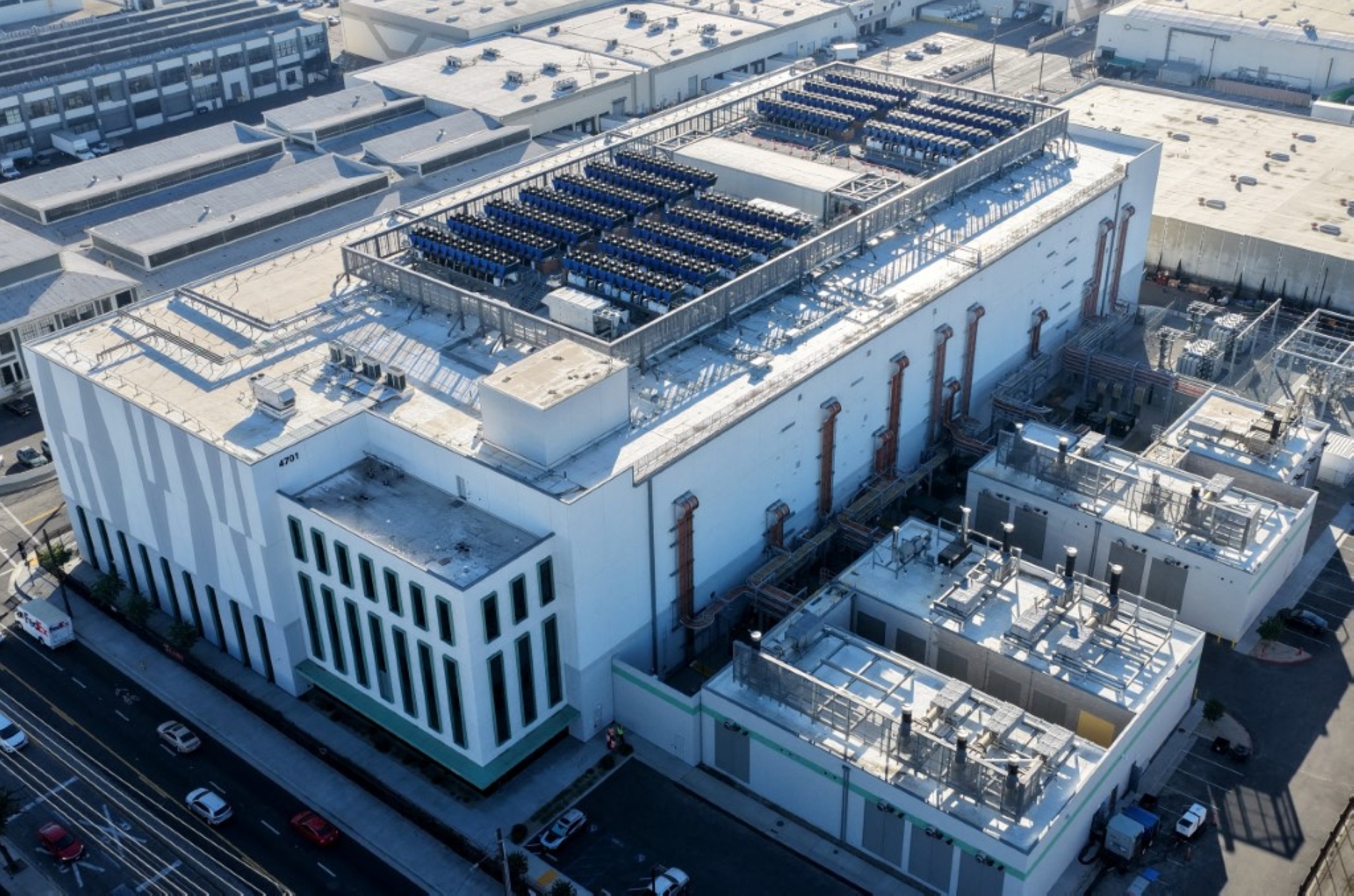
An aerial view of a 33 megawatt data centre with a closed-loop cooling system on 20 October 2025, in Vernon, California.

Rising consumption

The figures reveal part of the difference. Data centres consumed about 415 terawatt-hours of electricity in 2024, equivalent to roughly 1.5% of global consumption. According to the IEA’s latest estimates, their consumption rose to about 485 terawatt-hours in 2025 and is projected to approach 950 terawatt-hours by 2030—around 3% of global demand.

This is an enormous increase in a short period, with AI the fastest-growing driver. Even so, the IEA says the growth in data-centre consumption will account for less than 10% of the global increase in electricity demand between 2024 and 2030. Industry, electric vehicles and air conditioning will remain among the larger drivers.

This does not mean the market value of cooling companies will overtake that of the technology giants, or that investors will turn away from AI. The difference lies in the pattern of diffusion. Much of the digital economy’s value is concentrated in chips, software and cloud platforms, whereas the gains from cooling are spread across electricity companies, renewable energy, property, construction, transport, agriculture, retail, metals industries and the banks financing the projects.

A technology company can choose a data centre site based on the availability of power, land, and connectivity. Cooling, however, must reach the places where people live, work and preserve their food and medicines. Its economy therefore appears less concentrated and more closely tied to daily life and the physical economy.

The separation between the two is not complete. AI needs to cool its servers, while it can also forecast loads, regulate air conditioners, detect faults before they occur and improve the operation of buildings and plants. At the same time, the two economies compete for electricity, transformers, copper, land and capital.
Getty
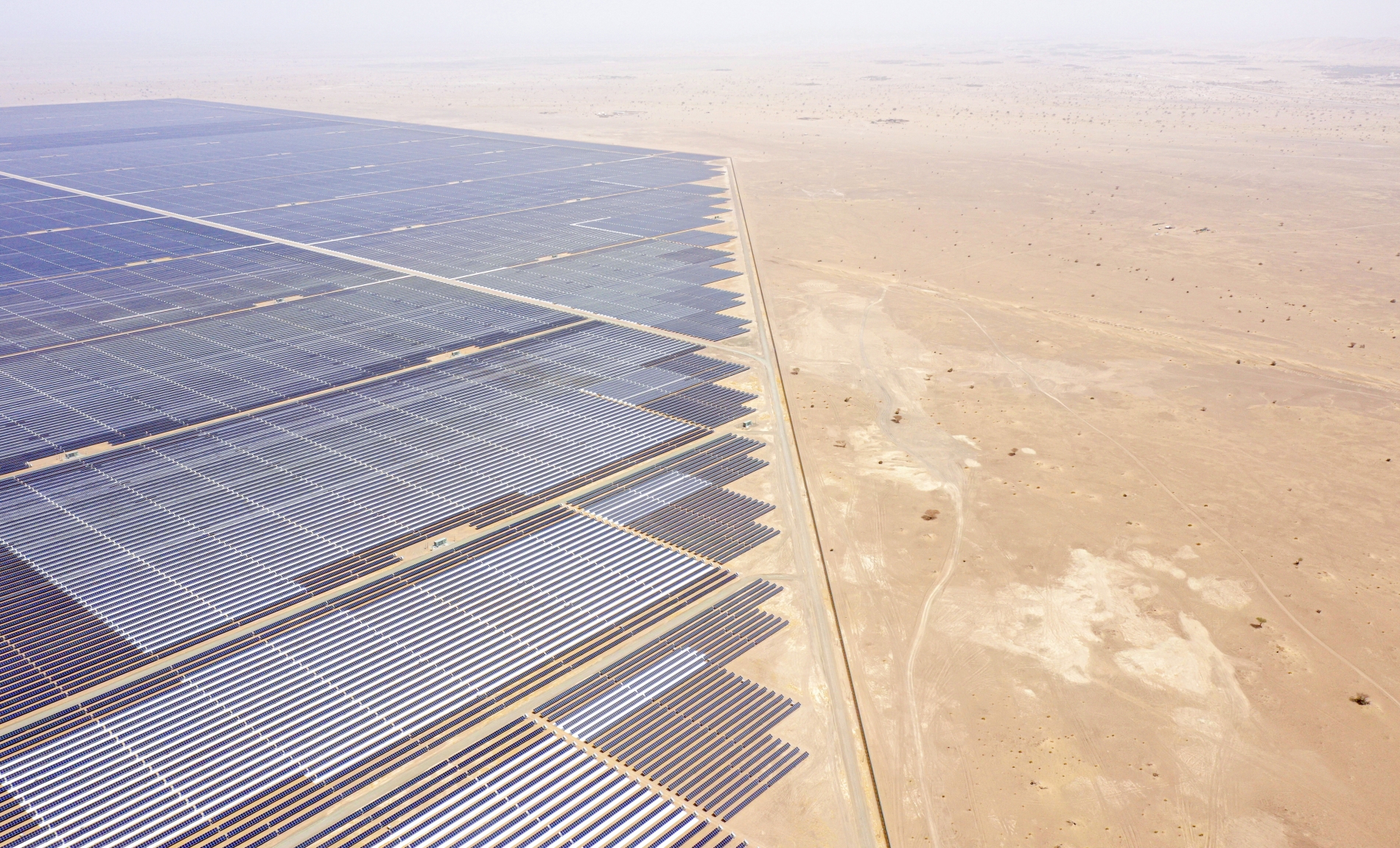
An aerial view of Ibri solar facility, which features almost 500,000 bi-facial solar panels across an area of around 13 million square meters, is seen in Ad-Dhahirah, Oman.

Natural partner

Solar power appears to be an ideal partner for cooling. Its output rises during the day, when temperatures climb, and offices, factories and shopping centres are operating. A large share of that electricity can be used directly to power air conditioners and chillers.

The match is not perfect, however. In hot cities, high residential demand continues after sunset, when people return home and solar output declines. That creates a need for batteries, demand management and more flexible grids—as well as a less familiar solution: storing the cooling itself.

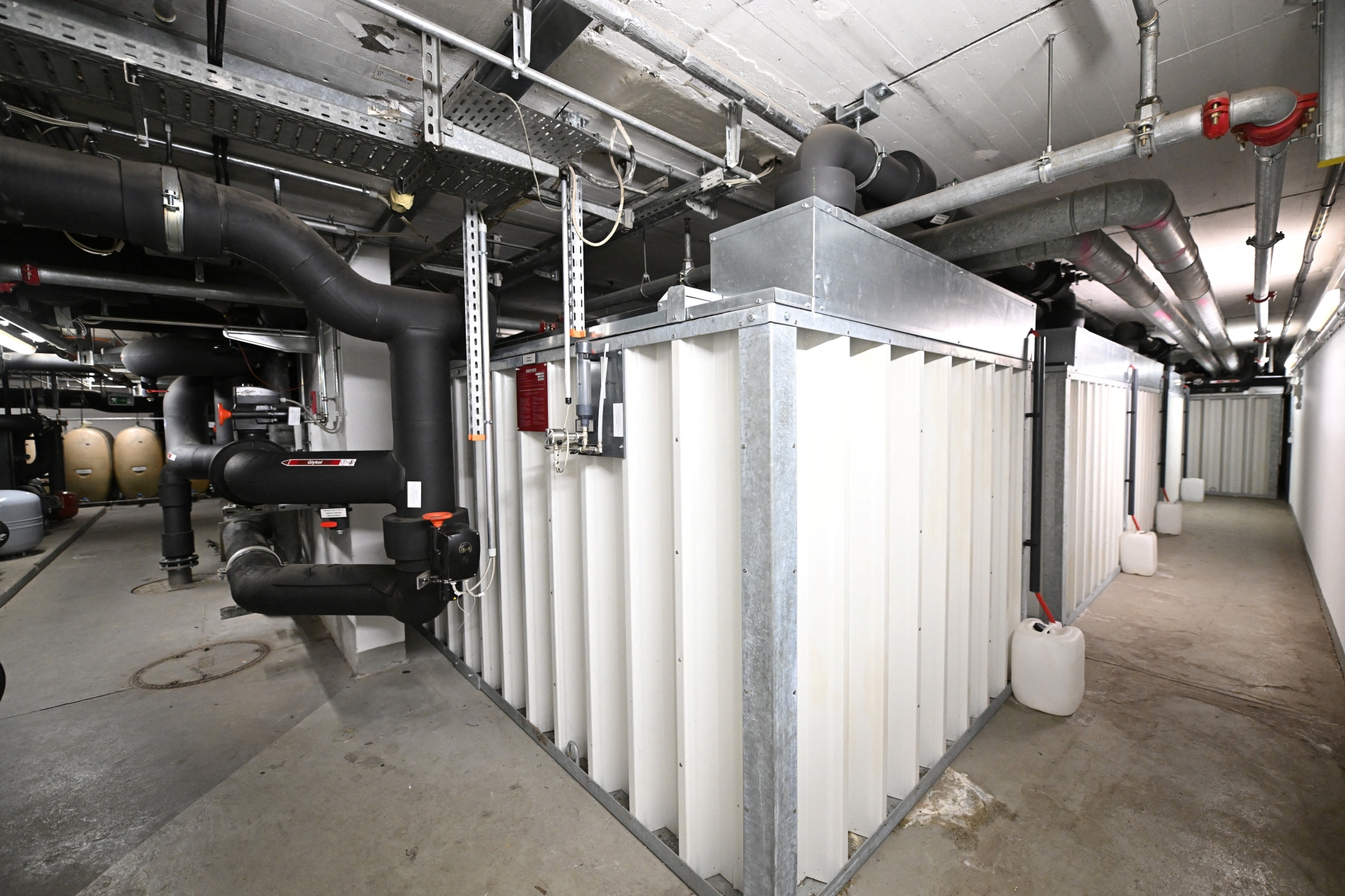
A central plant can chill water or make ice when solar power is abundant, or tariffs are low, then draw on that stored thermal energy during peak hours. In some applications, storing cooling in a chilled or frozen material is cheaper than storing electricity in a battery and later using it to run cooling equipment.

The cheapest cooling energy, however, is the energy that never needs to be produced. Insulation, shading, reflective glazing, cool roofs and good ventilation reduce the heat entering a building before the air conditioner is switched on. The United Nations Environment Programme estimates that passive-cooling measures can lower indoor temperatures by between 0.5°C and 8°C and, in many cases, pay for themselves within two to eight years.

Hybrid systems combining fans and air conditioners can reduce energy use by about 30%. Architects, glass and insulation manufacturers, and software companies managing buildings are thus entering a market that was long seen as the preserve of appliance makers.
REUTERS/Angelika Warmuth
An ice storage facility located beneath "Stachus", one of Munich’s most famous squares, there is a district cooling system that the city uses to lower the temperature in a museum and other public buildings in Munich, Germany.

Buying cooling

One of the most important investment shifts may come from a simple idea: rather than buying an air conditioner, customers buy the cooling they need. Under a ‘cooling as a service’ model, a specialist company finances, owns, operates and maintains the equipment, while the customer pays according to the amount of cooling used or the level of service provided. Instead of choosing the cheapest machine at the point of purchase, the operator has an incentive to install a more efficient and longer-lasting unit, because savings on electricity and maintenance become profit.

The model removes the upfront cost from the building owner and turns cooling equipment into an asset that generates long-term cash flows, making it financeable by banks, sovereign funds and infrastructure investors.

District cooling is its most prominent application. Instead of installing a separate system in every building, a central plant produces chilled water and distributes it through a network of pipes. This allows larger, more efficient equipment and central storage of cooling.

It is not a magic solution for every location. A plant needs high urban density to be viable, substantial initial investment and an accurate estimate of demand. It also requires clear regulation, because a customer connected to a single network cannot easily switch providers if prices rise or service deteriorates.
The winner will not necessarily be the company that sells the most air conditioners, but the one that can provide cooling with the least electricity and water.

Productivity boost

The value of cooling cannot be measured only by the number of appliances or units of electricity, but also by the working hours it preserves. The International Labour Organisation estimates that heat stress could cause the loss of 2.2% of total working hours worldwide in 2030— equivalent to the annual hours worked by about 80 million full-time employees.

The losses are concentrated in agriculture, construction, industry and outdoor work, but they do not stop at the doors of uncooled factories, offices and schools. Extreme heat slows movement, weakens concentration, raises the risk of injury and forces shifts to be shortened or suspended. Cooling, alongside shading, ventilation and the reorganisation of working hours, therefore becomes an investment in human productivity rather than simply an expense incurred for comfort.

The impact extends to food and medicine. As incomes rise, so does consumption of meat, dairy products and fresh foods, all of which require controlled temperatures from the moment they leave the farm until they reach the consumer. Without a reliable cold chain, food does not merely spoil: farmers lose part of their output, transporting goods to distant markets becomes harder, and retail prices rise. In healthcare, an interruption in cooling for a vaccine or heat-sensitive medicine can be a matter of life and death.

Shutterstock
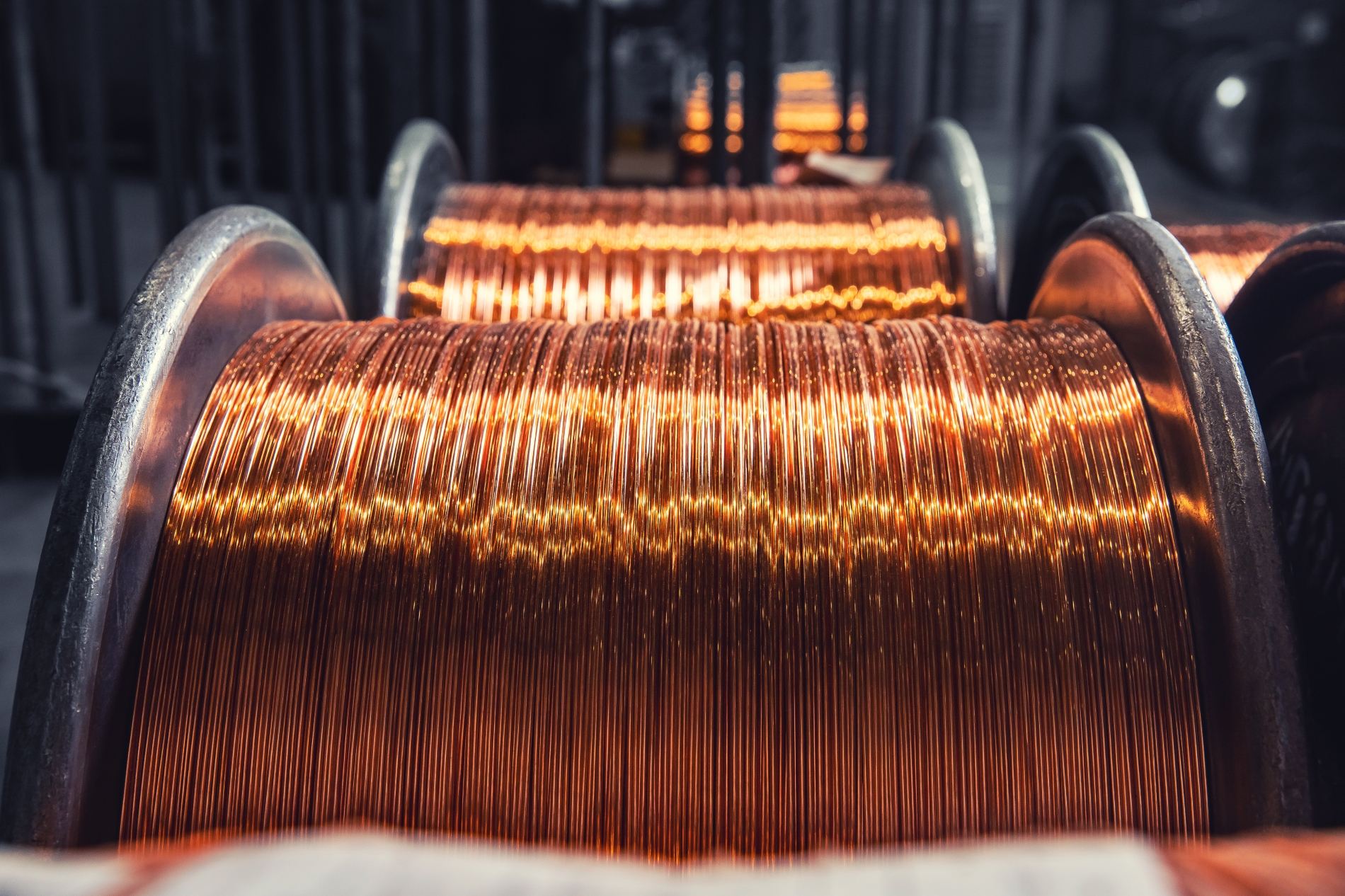
Copper wire cable production in coils at a metal steel industrial plant.

New demand for minerals

No minerals are unique to the cooling economy, but it adds new demand to supply chains already under mounting pressure. Copper is used in compressors, motors, wiring, heat exchangers, and electricity networks; aluminium in heat exchangers, casings, and transmission lines; while batteries require lithium, graphite, and other minerals.

Copper and aluminium account for about 20% of investment costs in electricity networks, according to the IEA. Based on announced projects and current policies, the agency expects copper supply in 2035 to fall about 30% short of demand, while the lithium gap reaches roughly 40%.

Cooling alone will not cause those gaps. Electric vehicles, renewable energy and data centres are competing for the same materials. But cooling will add demand originating in cities and social groups that have yet to reach peak air-conditioner ownership.

Saudi Arabia well-placed 

Saudi Arabia appears well placed to become one of the most important arenas for the cooling economy in the Middle East. The climate ensures demand, the population size gives the market scale, and the wave of urban and tourism developments provides an opportunity to test solutions at a scale that would be difficult to achieve in many countries.

Buildings consume about 30% of the country's primary energy, according to the Saudi Energy Efficiency Centre. Since air conditioning accounts for a major share of building consumption, improving the efficiency of air conditioners, insulation, and digital management systems could be among the quickest ways to restrain demand growth and free up oil and gas currently used in power generation for other purposes.

Courtesy of Neom
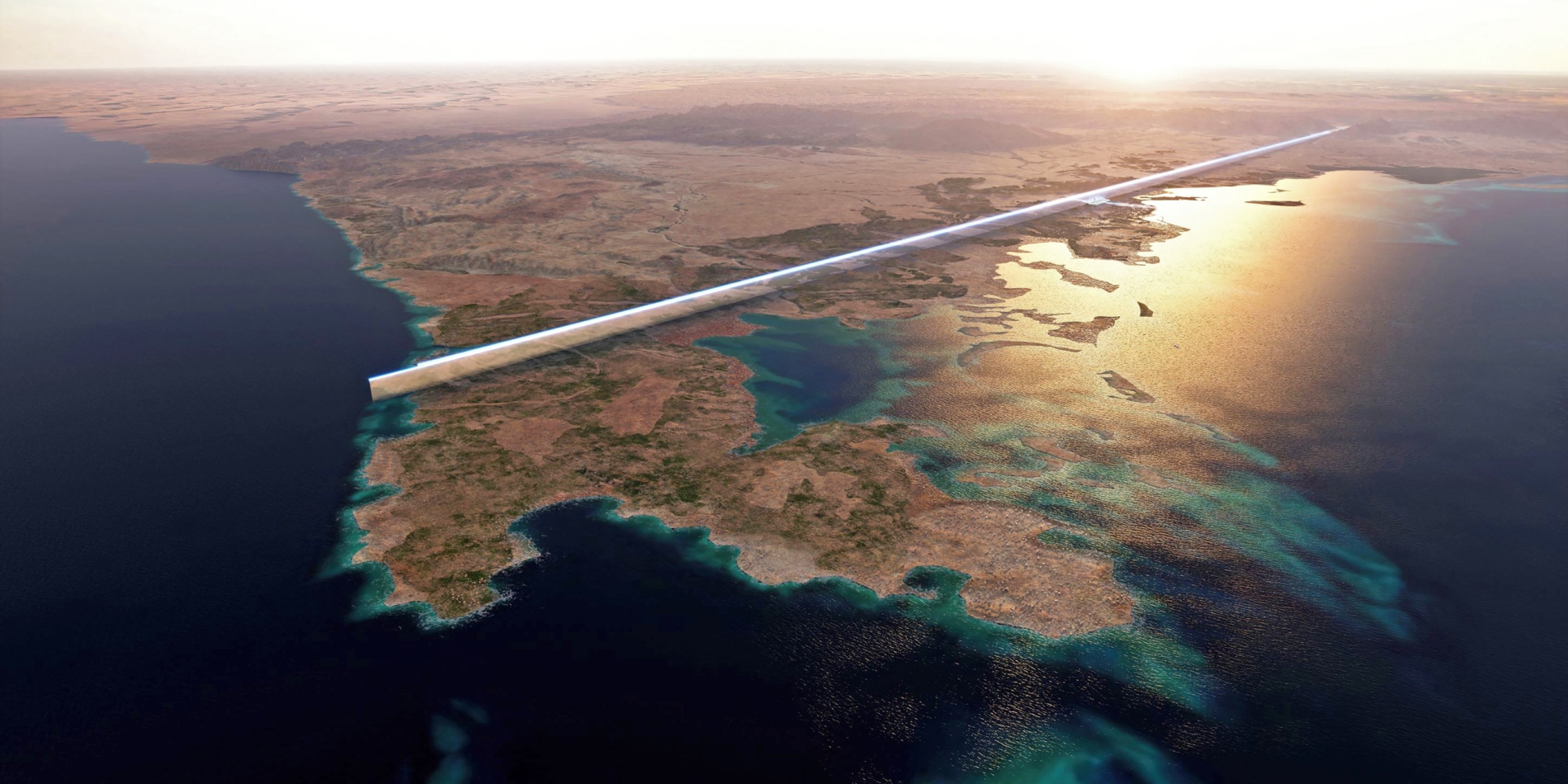
A design for the 500-metre parallel structures, known collectively as The Line, in the heart of the megacity of NEOM on the Red Sea.

The key advantage is that much of the new urban fabric has yet to be built. Established cities often have to dig up roads, retrofit buildings and lay pipes after the fact. New developments can incorporate cooling networks, thermal storage, shading, green spaces and insulation standards into the master plan from the outset.

NEOM's energy and water company has announced an ambition to establish a centralised district-cooling system powered by renewable energy and using AI to forecast demand and improve grid flexibility. In Riyadh, New Murabba says it plans to use district-wide cooling technology to make outdoor spaces more comfortable. Other urban and tourism developments are also generating potential demand for cooling networks, although technologies and capacities vary from one project to another.

Saudi Arabia has another card to play: solar power. The Kingdom is targeting a roughly 50% contribution from renewables to its electricity-generation mix by 2030 and has announced large-capacity projects under the National Renewable Energy Programme. Pairing solar power with cooling can reduce the use of liquid fuels and gas during summer, although batteries, thermal storage and flexible grids will be needed to keep the cool air flowing after sunset.

The industrial opportunity goes beyond importing more appliances. The size of the market could support the manufacture or assembly of air conditioners, chillers, compressors, pumps and heat exchangers, alongside insulation materials, glass and control systems. Saudi companies could also develop cooling-as-a-service models, finance the assets through the Public Investment Fund, specialist funds and banks, and then transfer that expertise to Arab, African and Asian cities facing similar conditions.

The opportunity is also linked to Saudi Arabia's ambition to become a transport, trade and tourism hub. Such a position requires temperature-controlled warehouses, lorries, ports, airports, and food and pharmaceutical supply chains. Investment would therefore extend beyond new neighbourhoods to farms, hospitals, industrial zones and logistics services. 

AFP
A woman looks at the AlUla oasis valley from the skyviews of Hattat Uwayrid, on January, 31, 2025.

Gulf experiences

The United Arab Emirates is among the countries with substantial operating experience in district cooling. The UAE company Tabreed says that by the end of 2025 it was delivering about 1.57 million refrigeration tonnes of cooling through 99 plants. By its own estimates, its operations saved about 2.6 billion kilowatt-hours in one year and avoided 1.5 millino tonnes of carbon dioxide emissions.

In Dubai, Empower operates one of the world's largest district-cooling systems. Its Business Bay project has a planned ultimate capacity of 451,540 refrigeration tonnes, delivered through nine plants and a 52.4-kilometre pipeline network. Four of those plants were operating when the project data were announced in 2024.

Qatar has also expanded systems that cool entire districts, with a central plant serving a large number of buildings. According to the International Renewable Energy Agency, this approach can consume up to 40% less electricity than stand-alone air-conditioning systems.

This points to the possibility of Gulf integration: a vast Saudi market under construction, Emirati expertise in financing and operations, and Qatari experience in applying centralised cooling to large developments. If that integration matures, the region may export not only equipment but also design, finance, management, and contractual and regulatory models.

Behrouz MEHRI / AFP
Children play in a splash pad during a heatwave in Paris on 10 July 2026.

Saving electricity, consuming water

There is a less glamorous side that should not be overlooked. The most electricity-efficient solution is not always the most environmentally friendly. Some centralised-cooling technologies consume large volumes of water—no marginal issue in a region that relies to varying degrees on seawater desalination. The energy used in desalination must therefore be counted, alongside greater use of treated wastewater and a careful balance between water-cooled, air-cooled and hybrid systems. Reducing the electricity bill by raising water consumption does not solve the problem; it merely transfers it from one utility to another.

In reality, cooling a city begins before its walls are built. Shade, trees, reflective roofs, street planning and the materials used in pavements and façades can reduce the 'urban heat island' effect—the tendency of cities to be hotter than surrounding areas. Preventing a city from storing heat may be cheaper than leaving each building to fight it alone.

Another paradox is that the more air conditioners there are, the more heat they expel into the streets, raising ambient temperatures and increasing the need for cooling. A sustainable cooling economy therefore cannot be built on appliances alone. Cities themselves must be designed around the understanding that heat is a health and economic risk, not merely a seasonal discomfort.

If electricity comes from fossil fuels, running air conditioners increases emissions, which in turn raise temperatures and create still more need for cooling. Electricity is not the only source of the problem. Refrigerants leaking from appliances can have a far more powerful warming effect than carbon dioxide.

The United Nations Environment Programme expects cooling demand to rise to more than three times its current level by 2050 if present trends continue, while associated emissions come close to doubling from their 2022 level. At the same time, the phase-down of hydrofluorocarbons under the Kigali Amendment—an international agreement adopted in 2016—is creating a new industry: lower-impact refrigerants, redesigned equipment, leak-detection devices, recovery and recycling facilities, and training and certification programmes for technicians.

REUTERS/Tom Nicholson
People browse fans and air conditioning units in a homeware store amid a heatwave in Paris, France, on 28 May 2026.

An appliance may score highly on an energy-efficiency label, then lose part of its climate benefit because a powerful greenhouse gas leaks or is disposed of badly at the end of the machine's life. Maintenance, which may look like a minor task at the end of the chain, thus becomes central to the success of the entire economy.

The race for cheaper cooling

The United Nations Environment Programme estimates that a sustainable-cooling pathway could deliver about $17tn in cumulative energy-cost savings through to 2050 and avoid as much as $26tn in grid investment. These sums are not guaranteed revenues waiting for companies, but costs the global economy could avoid if buildings, appliances and networks become more efficient. They nevertheless reveal the scale of the wager: the money will be spent either way—on more power stations, wires and fuel, or on insulation, storage, smart management and district cooling.

Cooling may therefore become one of the largest fields of investment over the coming decade. AI promises to change how knowledge and services are produced. The cooling economy begins with a simpler, more urgent question: how can billions of people live, work and preserve their food and medicines in a world that is growing hotter?

The winner will not necessarily be the company that sells the most air conditioners, but the one that can provide cooling with the least electricity and water, and at the lowest cost to the climate. In the Gulf, Saudi Arabia appears to have the greatest room to build this economy from the ground up—if announced projects move from plans to working infrastructure, and then into an industry Saudi Arabia can export.

font change