The Palestinian-German author speaks to Al Majalla about the challenges facing Palestinian voices in Germany and how she engages German readers from within their own cultural and political context
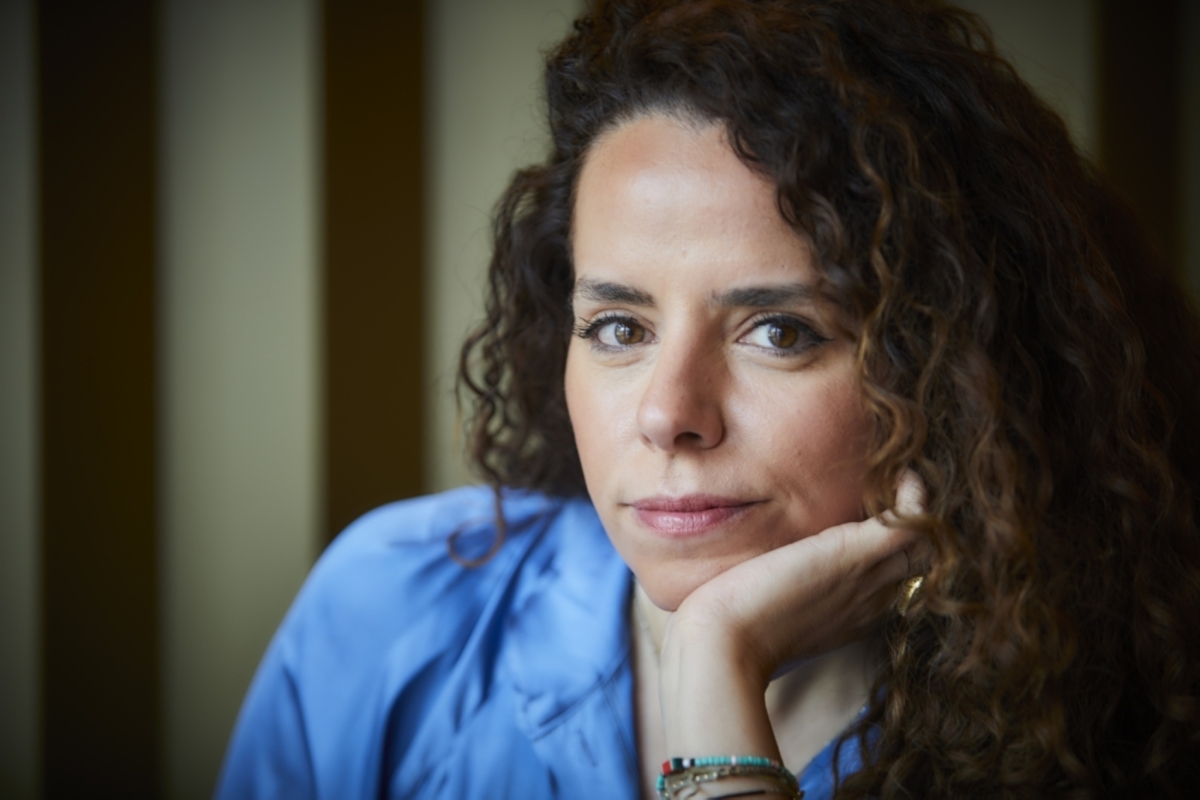
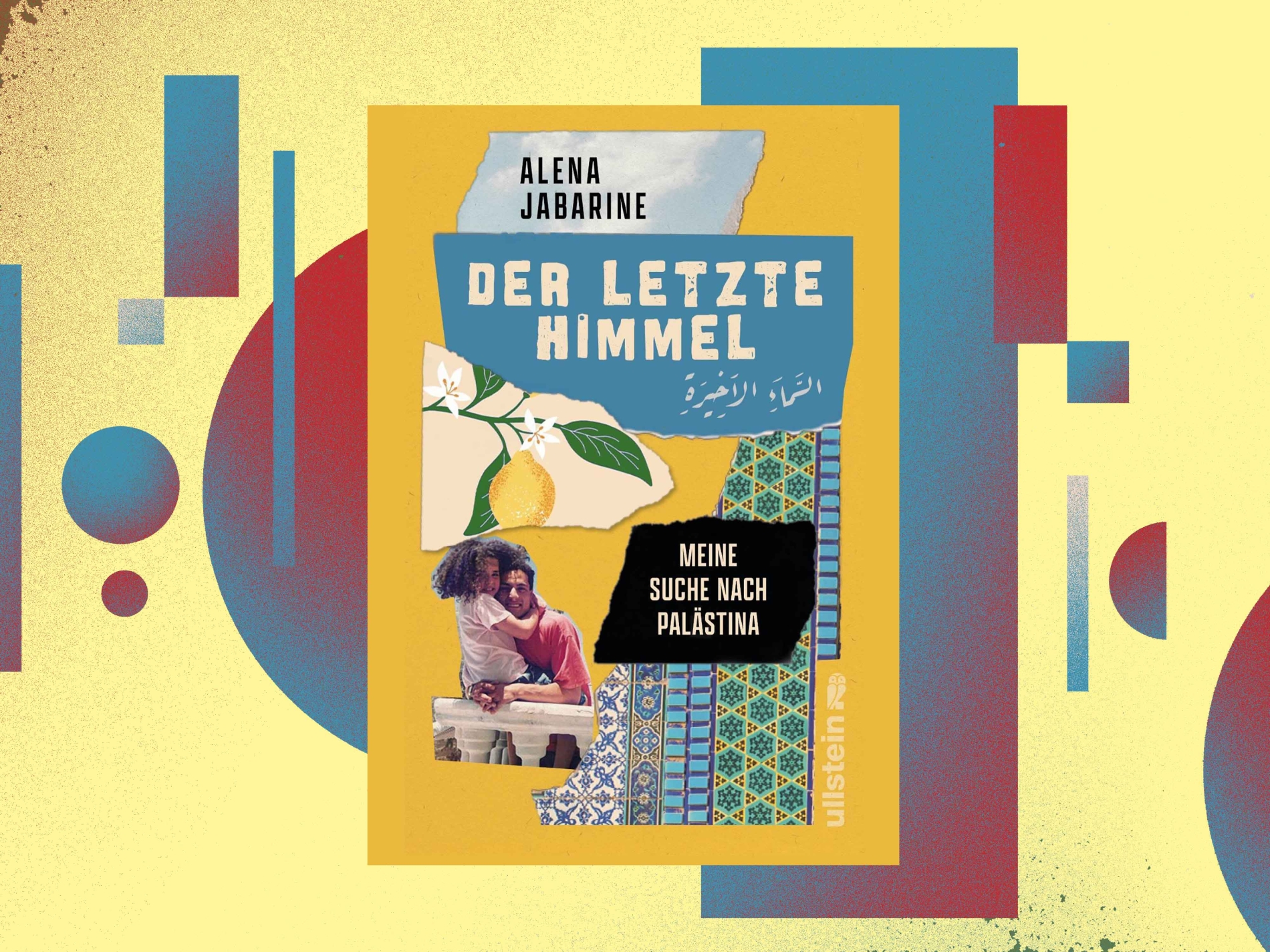
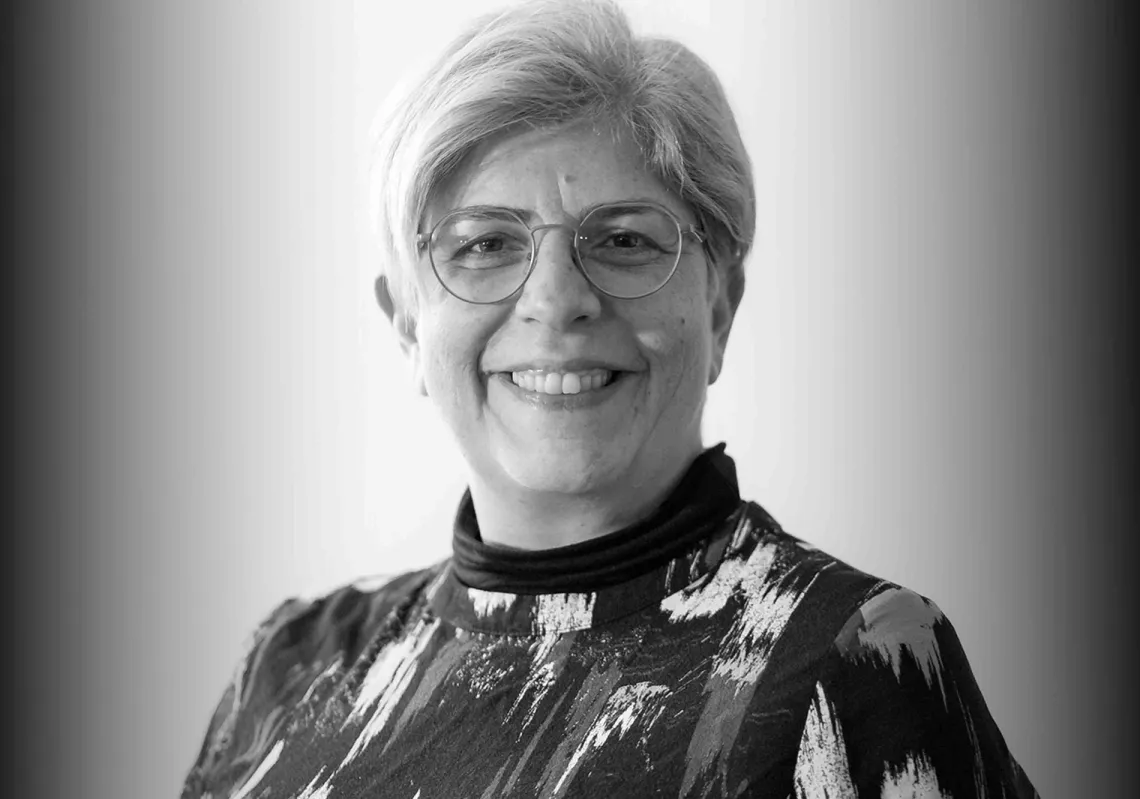
Palestinian-German author Alena Jabarine has been one of Germany's leading Palestinian voices. We speak with her about Palestine’s place in German public discourse, the challenges facing Palestinian voices in Germany, and her attempt to engage German readers from within their own cultural and political context. In her book Der letzte Himmel: Meine Suche nach Palästina (2025), she traces the roots of the occupation while recounting her personal journey between the country where she grew up and the homeland she sought to understand.
What does it feel like to be a Palestinian in Germany today?
It feels very present. As Palestinians, we have a specific role right now when it comes to basic democratic rights: freedom of assembly, freedom of speech. All of that is being tested through the Palestinian cause.
Some people think that all of this started on October 7. But the discrimination, silencing, and criminalisation of solidarity with Palestine existed before. If you had said that before, people would have told you: “You are exaggerating; Germany is a democratic country.” Now you cannot deny it anymore. It is all out in the open. I sometimes even feel a kind of relief, because hidden things are coming to the surface.
Have you experienced it yourself?
Yes. I worked as a journalist for the German public broadcaster ARD. Even before October 7, people emailed my bosses, trying to defame me. They searched my Twitter and Instagram to find something against me. I was not even reporting on Palestine. Just the fact that there was a Palestinian on camera triggered them.
These mechanisms were already there. Now it is more obvious and more intense. It is a new scale. But shifts are happening, and I think that is healthy. We have to see the problems to face them. It is not over yet.
Many white Germans say the book changed their view. They feel ashamed for not seeing it before, or for not questioning the status quo
Palestinian-German author, Alena Jabarine
You are one of the most visible Palestinian voices in Germany, home to one of Europe's largest Palestinian communities. How has the war in Gaza affected Palestinians there, especially younger generations?
I feel that despite all the hardship, there is also more confidence among Palestinians right now. Many young Palestinians in Germany grow up hearing their parents say: "Do not be too political, do not talk about Palestine, do not say you are Palestinian. Say you are Jordanian or Lebanese." Some hid their Palestinian roots because, as stateless refugees from Lebanon or visibly Muslim—a woman with a hijab, an Arab-looking man—they were already living under vulnerable conditions and faced discrimination anyway.
I grew up differently. I have German and Israeli citizenship; I come from a very political family, and for me it always felt safe to talk about Palestine.
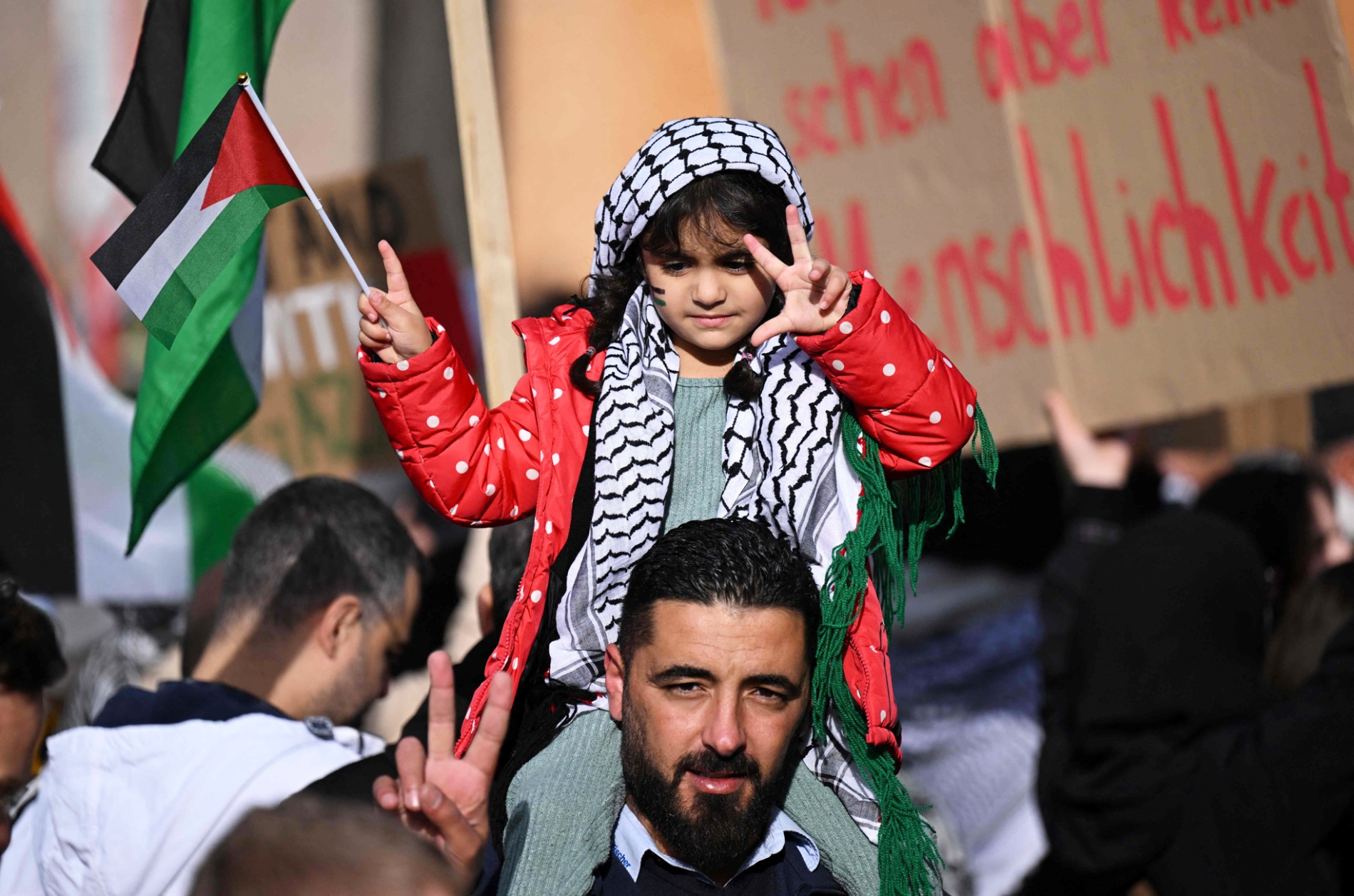
But that has changed in the last few years, especially since the genocide in Gaza. Many young people now go out and wear a keffiyeh. They speak up and feel more drawn towards their identity. Meanwhile, the most basic symbols are being criminalised. The keffiyeh was partly prohibited in schools in Germany. The Handala symbol is being framed as a criminal or terrorist symbol. Because of that, many understand that they have to fight for their right to exist in this society as Palestinians.
In your book Der letzte Himmel: Meine Suche nach Palästina (The Last Sky: My Search for Palestine), you recount your journey to Palestine in search of a deeper understanding. Has that journey changed your understanding of yourself?
It did not change it, but it made it much deeper. For me, Palestine used to mean family, summer holidays in Haifa and Jaffa. I do not have family in the West Bank or Gaza. I was not even allowed to enter Gaza because of my Israeli citizenship. In 2020, I moved to the West Bank and lived there. It was very different from the day trips I used to take. Having a car, going to the hospital, the doctor, the supermarket—living daily life under Israeli military occupation.
Even though I was still privileged compared to my friends, because with my German and Israeli passports, I could leave if I wanted. They cannot. But building deep relationships there made injustice and hypocrisy much clearer. Everything is so well documented. It is not hidden. You see the settlements, the wall, the checkpoints, the soldiers. German foundations, diplomats, Europeans, and international politicians come with delegations, visit, and they are shocked. Then they go home, and nothing changes.
On the contrary, the time there made me love Palestine even more. It is a beautiful land with beautiful people. They grow up in the worst circumstances and still do not give up. They are still soft, welcoming, even to internationals. Sometimes, I thought: they would have the right to feel hate towards Germans or other Europeans. But they open their doors and offer food. That impressed me deeply and gave me strength to keep working in Germany.
Why did you decide to write the book?
As a German Palestinian, I have also always felt the need to be a bridge: to make Germans understand Palestine in a language they can relate to. At readings, many young Palestinians tell me: "Through your book I reconnected with my homeland, because I could never go. I am not allowed to go."
Most Palestinians cannot even visit their homeland. They know Palestine only through their grandparents' stories. Their parents were born in refugee camps in Lebanon, Syria, or Jordan. They have Palestinian roots but have never been there. They do not know what Palestinian cafés look like, how people go shopping, or how weddings are celebrated in Palestine.
The keffiyeh was partly banned in German schools and the Handala symbol is being framed as a criminal or terrorist symbol
Palestinian-German author, Alena Jabarine
The stories and questions in the book are told from a perspective that seems deeply attuned to the German way of thinking. Was that intentional?
I did not write it for a German audience; I wrote it for myself and for the people whose stories I tell. But of course, I understand the German mindset very well, because this is where I was socialised and studied politics.
I believe stories have a strong power to connect people, especially human stories. In Palestine, everything is political. If my best friend Farah is annoyed because she cannot wash her hair—there is no running water for Palestinians. If she calls and says, "I cannot get home from Jericho to Ramallah; the checkpoint is closed." That is political.
One chapter is called "God Bless Our Home." I describe sleeping at my friend's place when 50 soldiers came at night and took her brother. I describe the details: What do we do? What does the father say? The mother? The neighbour? What do the soldiers look like? What does the family do after the soldiers leave?
Nobody asks what happens to the family afterwards. The mother says, "Would you like to have tea with mint or sage?" That is what Palestinians do, because there's nothing else they can do but move on.
What was the reaction of the German readers in the readings?
They often sit down, listen, and cry. Afterwards, they come up to me and say, "They really just take these people like that?!" Administrative detention is not new, and nothing I write is revolutionary; the facts have been out there for decades. But it seems that those facts mainly resonate with people through storytelling. I included a lot of data on administrative detention in the footnotes to encourage readers to research further.
There was one German woman. She came up with her book. Her husband, I believe, was Konrad Adenauer's grandson. She told me, "My daughter urged me to come and read your book. At first, I did not want to. But now that I have..." She paused, and then she started crying. She said, "I have to admit that for the first time, I am now seeing Palestinians as human." I did not know what to say. I was glad she reflected, but also shocked that she said it out loud.
A young supporter of Palestine in Dortmund, western Germany on 28 October 2023.
In Western culture, there is a lot of racism toward the Global South, Black, Brown, Arab, and Muslim people. That is one layer. In Germany, there is also the very specific relationship to Israel.
Germans were manipulated for decades. We did not learn about Palestine in school. In my chapter Besucher, meaning "visitors," I write how German delegations are surprised: "People speak English! There are cafés! Churches next to mosques!" It is ignorance.
Many white Germans say the book changed their view. They feel ashamed for not seeing it before, or for not questioning the status quo. Some of my friends call this "white tears." I do not know. I am just glad when someone wakes up. The book gave many Germans an entry point. This was one of the first German-Palestinian, personal nonfiction books in recent years. There were other books, of course, such as Adania Shibli's Minor Detail, but that is fiction.
Adania Shibli was supposed to receive a German award, but it was cancelled right after October 7. With Berlin's cultural scene under pressure, was it difficult for you to publish your book?
Strangely, not at all. On the contrary. After I published an article about the keffiyeh in the Süddeutsche Zeitung, a literary agent asked me if I wanted to write a book. Several publishers were interested, and Ullstein published the book. They did not censor me at all.
The only thing I faced afterwards was that the German press completely ignored the book. That was strange, because the book immediately made the bestseller list. It was the only German Palestinian book out at the time, next to tens of books on Israel and antisemitism, Islam, Iran—all on the same "Middle East" shelf in bookstores.
As a German Palestinian, I have also always felt the need to be a bridge: to make Germans understand Palestine in a language they can relate to
Palestinian-German author, Alena Jabarine
Did you grow up being viewed with suspicion? For example, by Palestinians in the West Bank, because you have Israeli citizenship?
I never call myself 'Arab Israeli.' I'm Palestinian. 'Arab Israeli' is a term given to us by others to erase our Palestinian identity. I wrote about that in the book.
Since the Nakba, Palestinians have been fragmented: separated from each other between 1948 areas and Gaza, the West Bank and Jerusalem, the refugee camps in Syria, Lebanon and Jordan, and the diaspora. We all have different papers and different rights. Some can go here; I cannot go there. That's our reality.
I was never scared and never felt mistrust when I drove in the West Bank with a yellow Israeli license plate. On the contrary, Palestinians know there are Palestinians in Haifa, East Jerusalem, and 1948 who come to Ramallah just to breathe, to be among Palestinians. Staying in Jaffa, Haifa, and Akka is part of the resistance. We are the ones who remained on the land.
The passport is not an identity. You are what you are, not what paper you hold.
As a journalist, what do you think about the German media coverage on Palestine?
German media coverage after October 7 shattered my trust in journalism as an institution. The system failed, even if some individuals still do good work. Many Palestinians have withdrawn from German public discourse because speaking up often means being defamed, cancelled, or criminalised. We see it in shut-down spaces and withdrawn funding.
But I read that repression as proof that we are having an impact. They tried to silence Francesca Albanese. They charge activists like the "Ulm 5" as terrorists because they are afraid more young people will act. What gives me hope is the young Germans. Students come from German villages to Berlin, meet Palestinians, political activists, and then go home and tell their parents: "Read this book. Watch this documentary." That is how things shift.
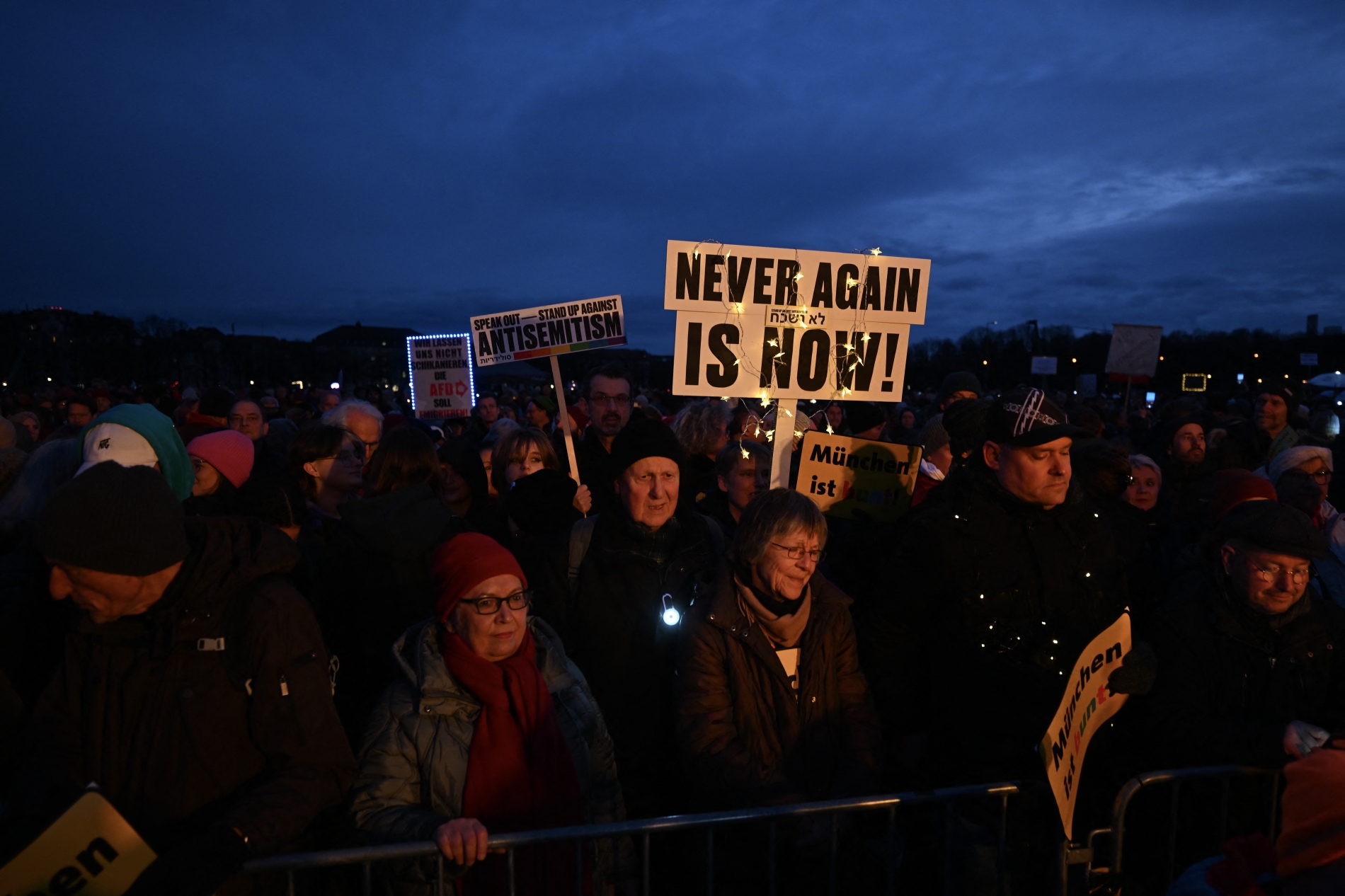
People raise lights and placards during a demonstration against racism, anti-Semitism and hate speech in Munich, southern Germany, on 11 February 2024.
German politicians often cite "historical responsibility" for their sympathetic stance towards Israel and Palestine. Is that a fair argument?
No. If Germany were truly drawing lessons from its history, it would be at the forefront of defending international law and the universality of human rights. The idea that, because Germany was a genocidal state, it must unconditionally support another state accused of genocide fails basic logic.
It is not just immoral. Germany is obligated by the Genocide Convention to prevent genocide and by the ICJ's July 2024 advisory opinion to end the occupation. It does the opposite: refuses to sanction Israel and continues to send weapons.
As a result, Germany is paying a price. Its international reputation has declined massively. If the world once believed Germany stood for international law, that is no longer the case. Germany has even been taken to the International Court of Justice over accusations of complicity.
Palestinians once respected Germany for its funding and partnership. But they have seen the video of Baerbock, the former foreign minister, saying that, under certain circumstances, it is lawful to attack hospitals. People around the world have also seen images of police punching protesters.
Young people in Germany see it too. I grew up believing in this country. That belief is broken for me, and for many of the generation after me, it never existed in the first place.
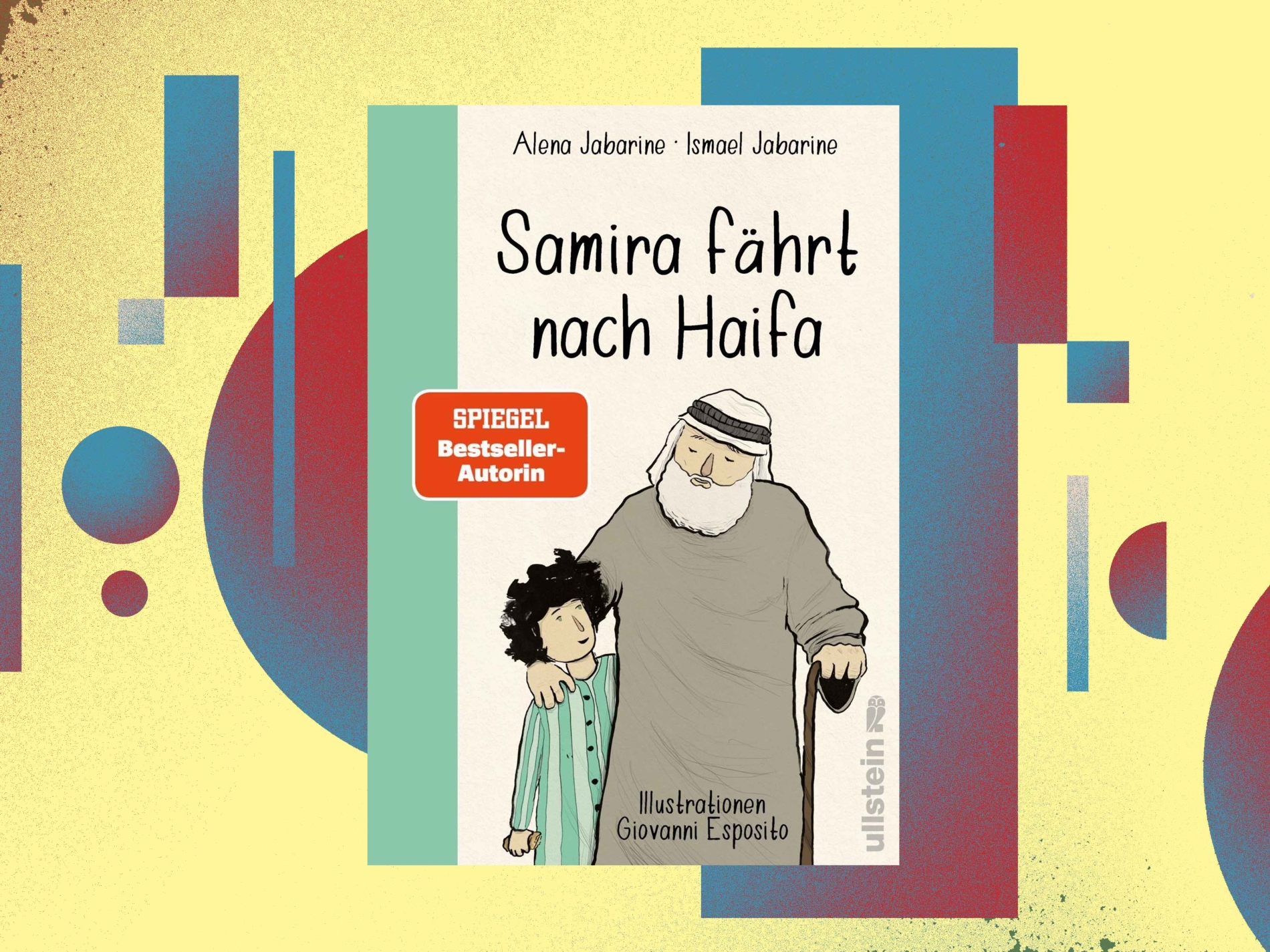
Can you tell us a bit about your new book Samira fährt nach Haifa?
It is a children's book about Palestine; I co-authored it with my dad, who wrote it years ago, and it was illustrated by an Italian artist. It tells the story of a girl from Jenin refugee camp who dreams of visiting Haifa, her grandfather's hometown. When her class gets a permit to go, she brings sand in a bottle with her to the camp to leave on his grave. Most people in Jenin camp are originally from Haifa. My dad worked there for years.
Palestinian families need to have a book that reflects their story. But also for German families. When kids see the protests, this is a way to talk to them about Palestinian children. We need different narratives. Kids need to grow up learning about Palestine.
And the new book you are currently working on?
It will come out in autumn 2027. It is a follow-up to the first book, but with a stronger focus on Germany. It is a book about what it means to be Palestinian in Germany today. It is really about belonging, diaspora, and what we can do when the world around us changes.