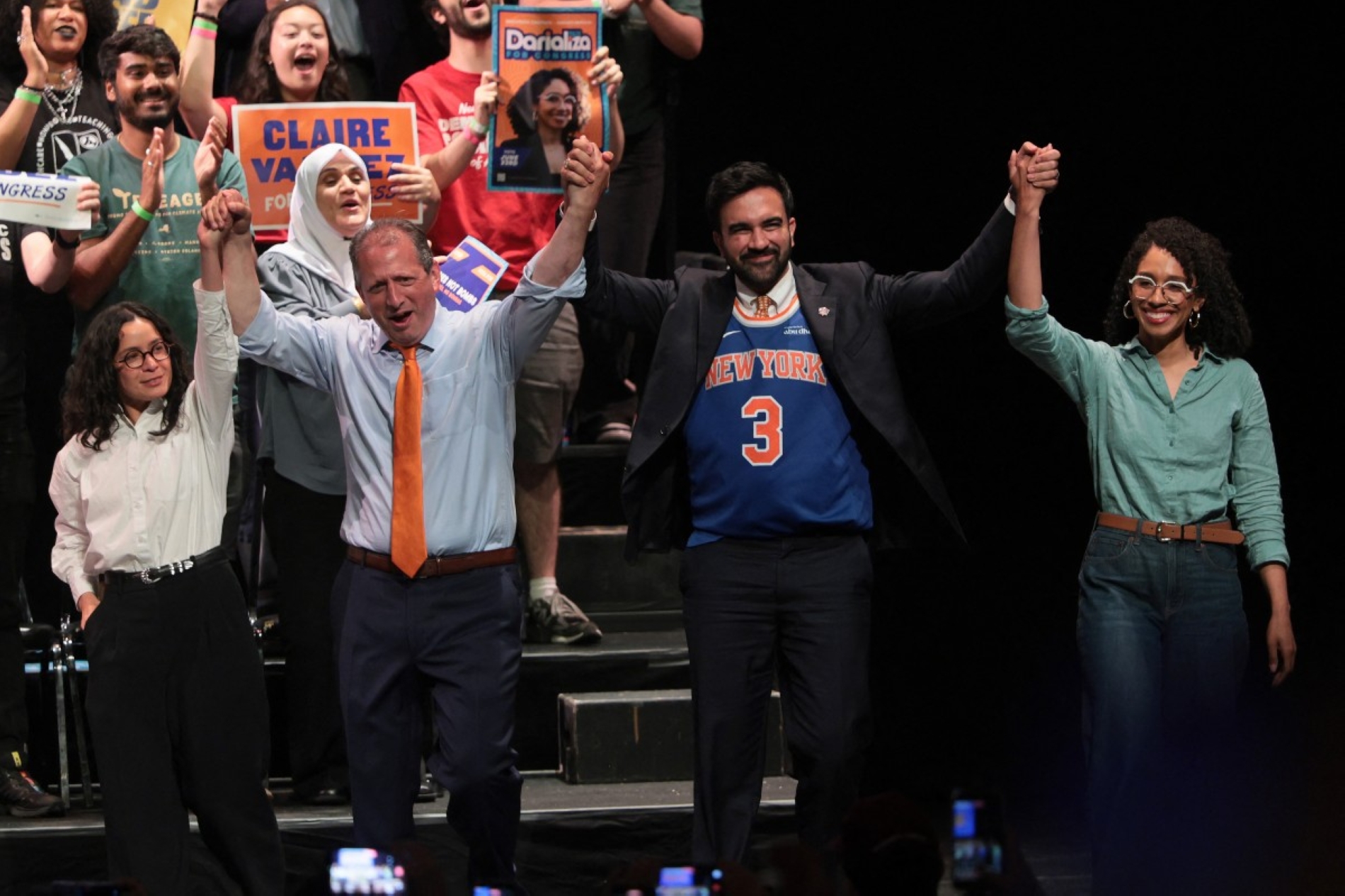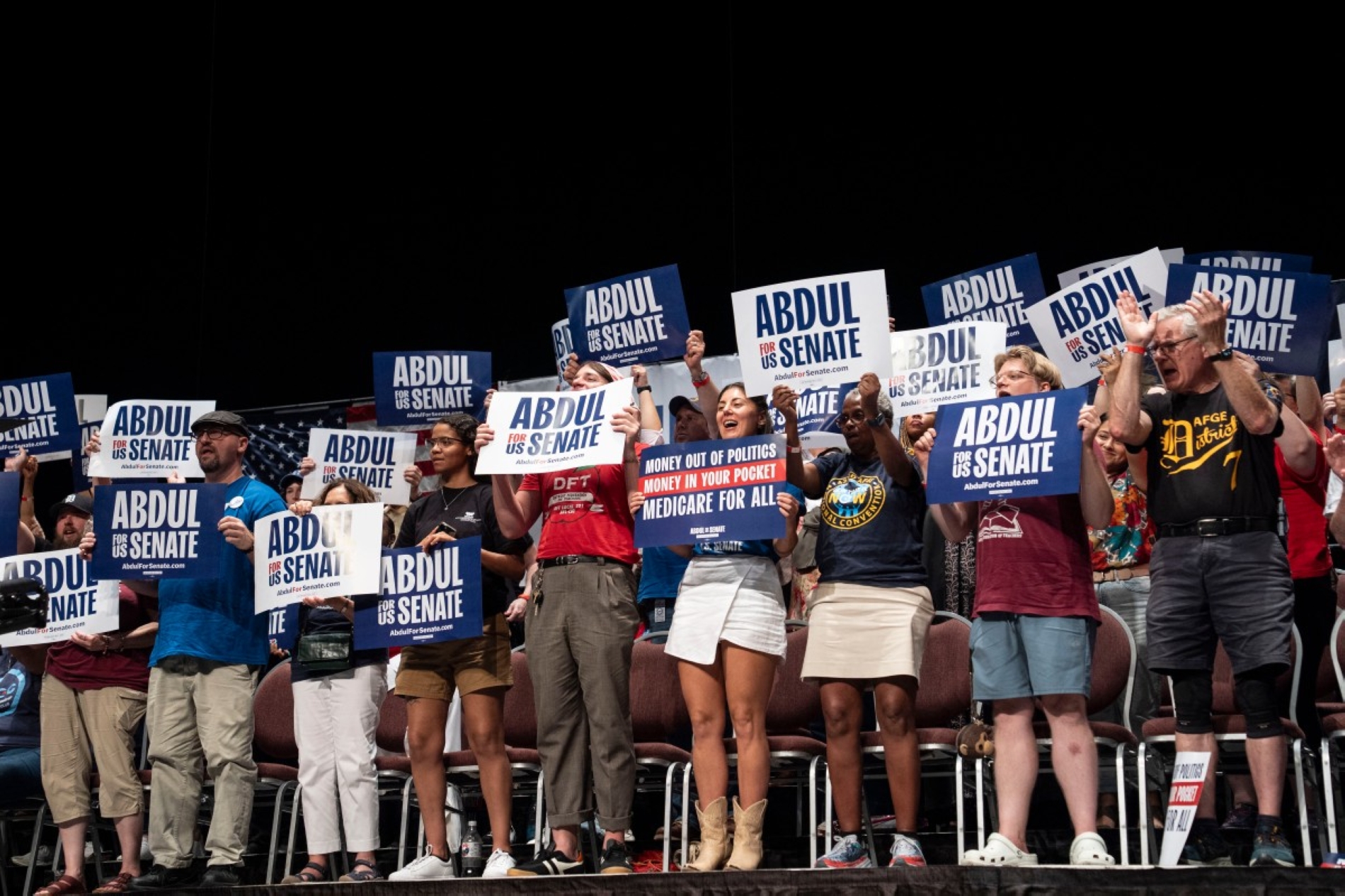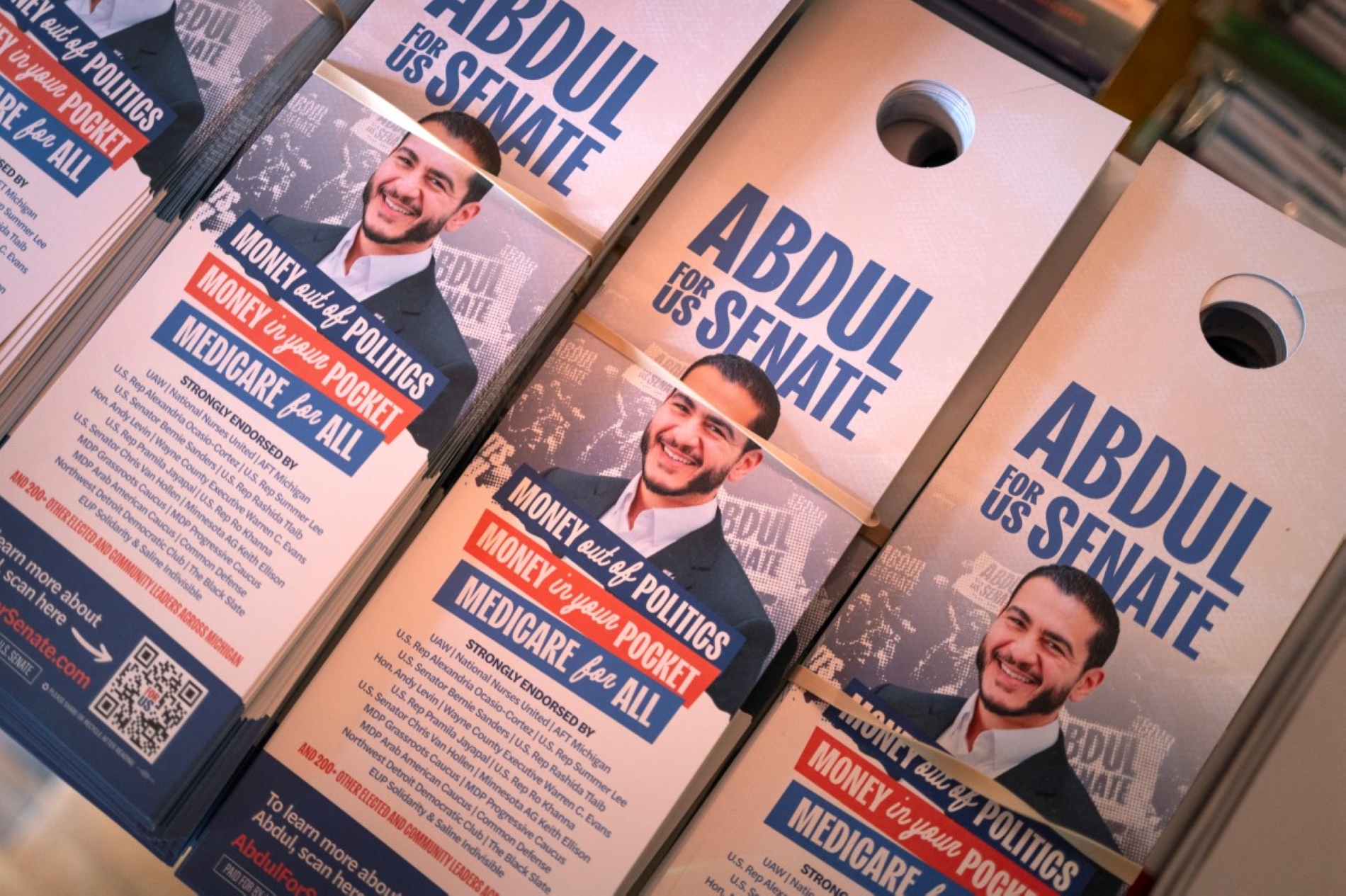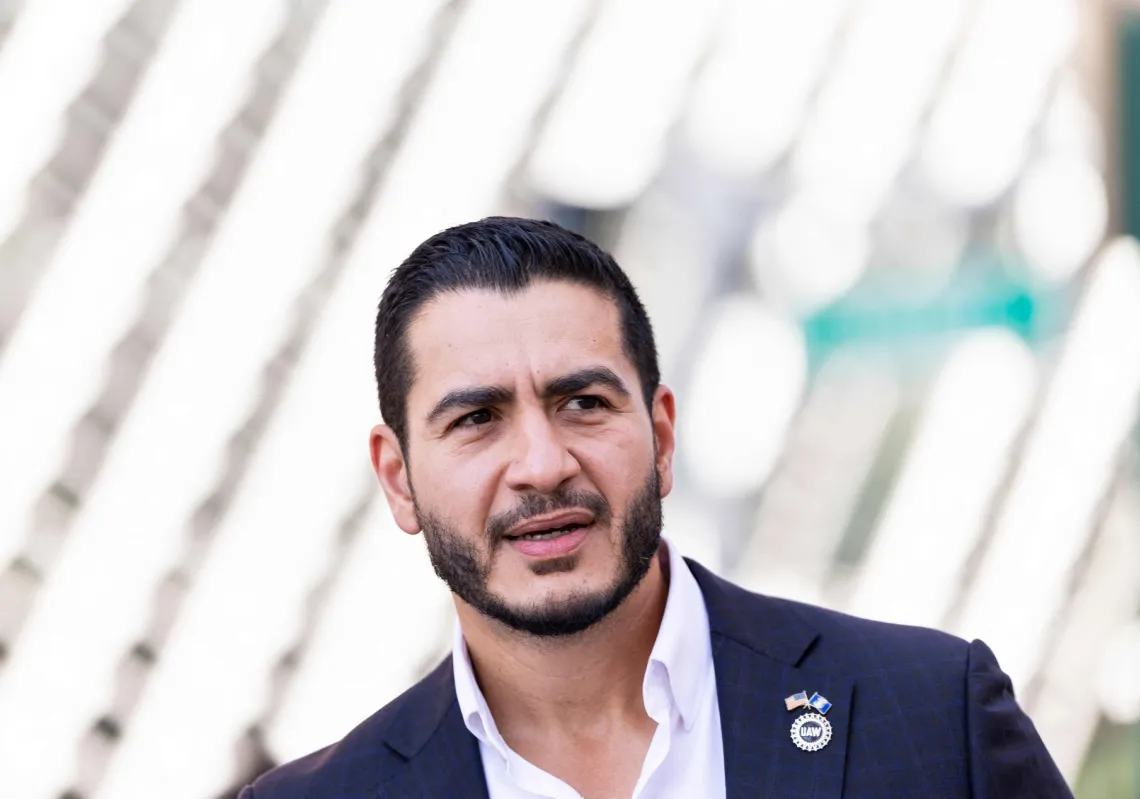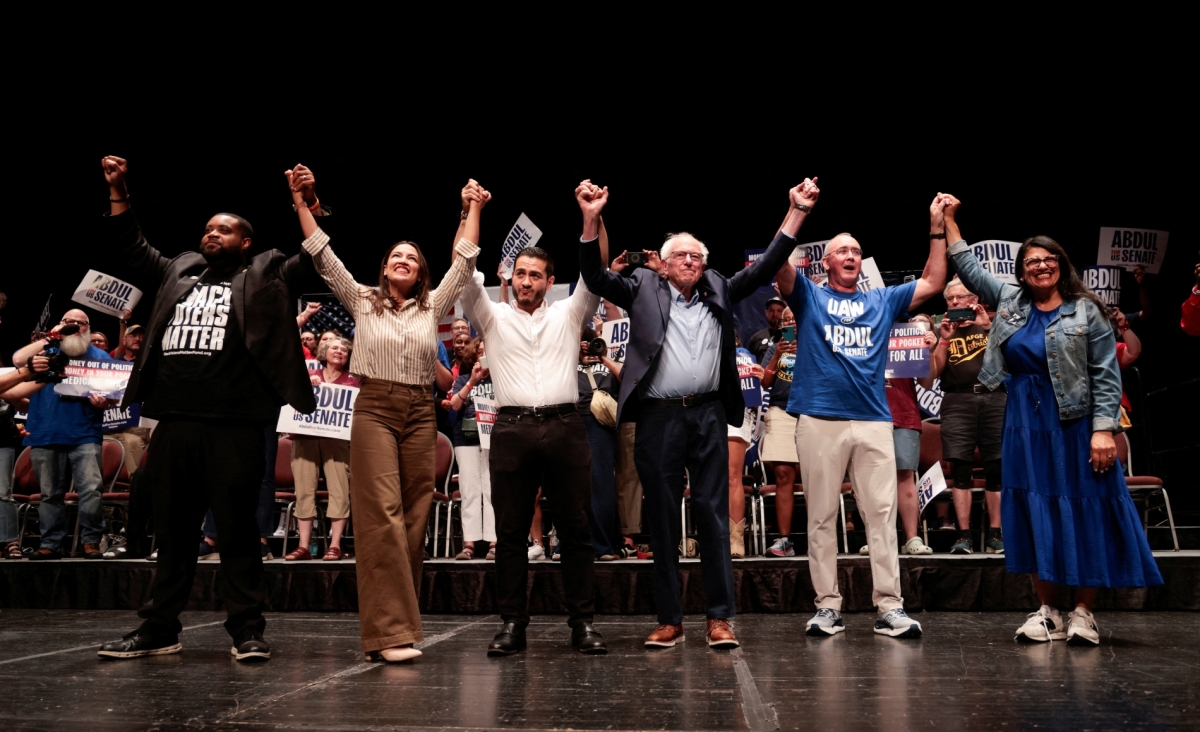

Abdul El-Sayed’s victory in the Democratic primary for Michigan’s US Senate nomination has put the rising American left firmly in the spotlight ahead of November’s midterm elections. Its significance lies partly in his position on the progressive left of the Democratic Party and his alignment with many of the views associated with the Democratic Socialists of America (DSA).
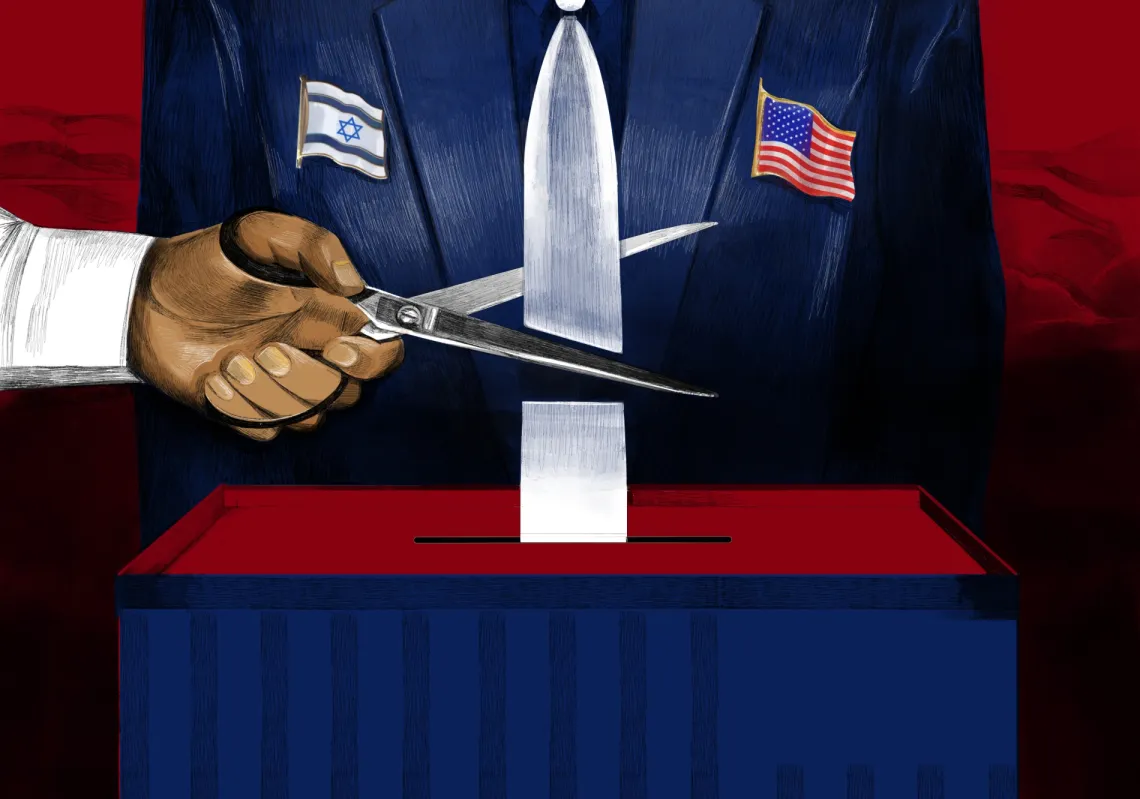
Equally striking was his ability to prevail despite the extraordinary level of financial and political support his Democratic rival, Haley Stevens, enjoyed. This support came from Michigan and beyond, most notably from the American Israel Public Affairs Committee (AIPAC)—one of the most influential pro-Israel lobbying organisations in the US.
In addition to the money raised directly by Stevens’s campaign, she benefited from more than $60mn in independent outside spending to support her or to oppose El-Sayed, much of it originating outside Michigan. AIPAC and affiliated groups accounted for roughly half of that expenditure, spending an estimated $30 to $32mn to defeat El-Sayed, who is known for his criticism of Israel and his opposition to unconditional US military assistance to the country.
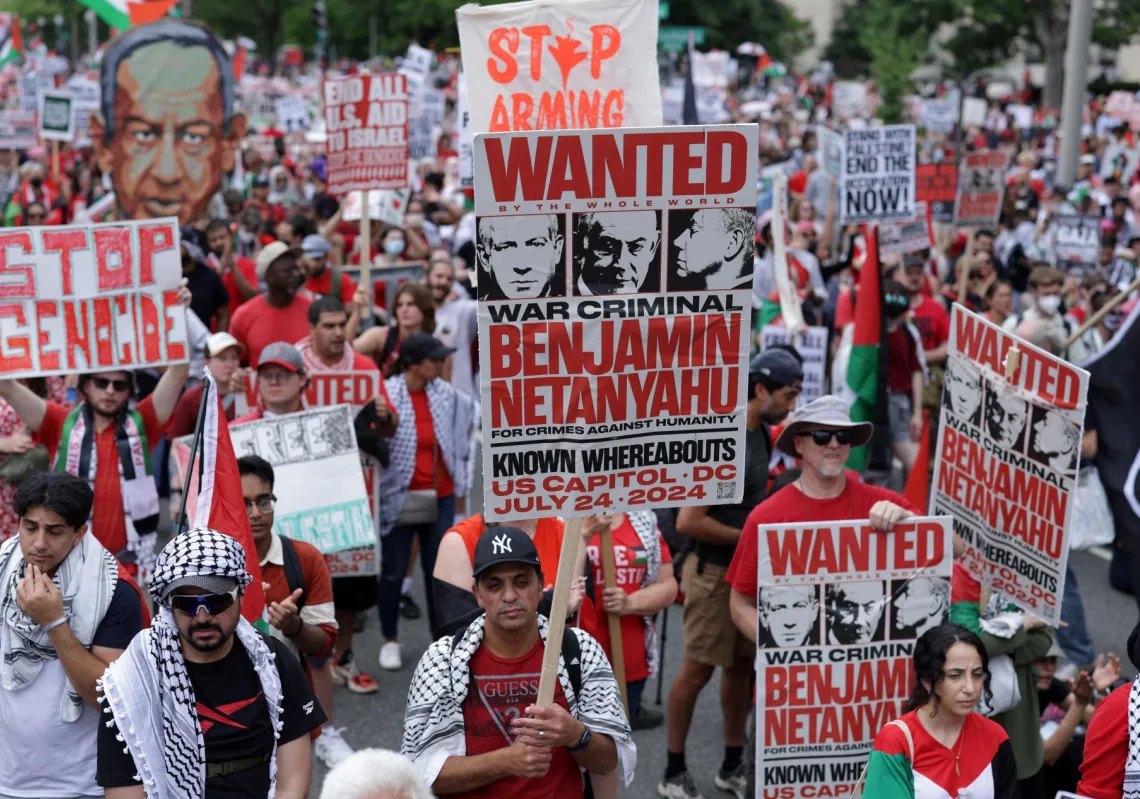
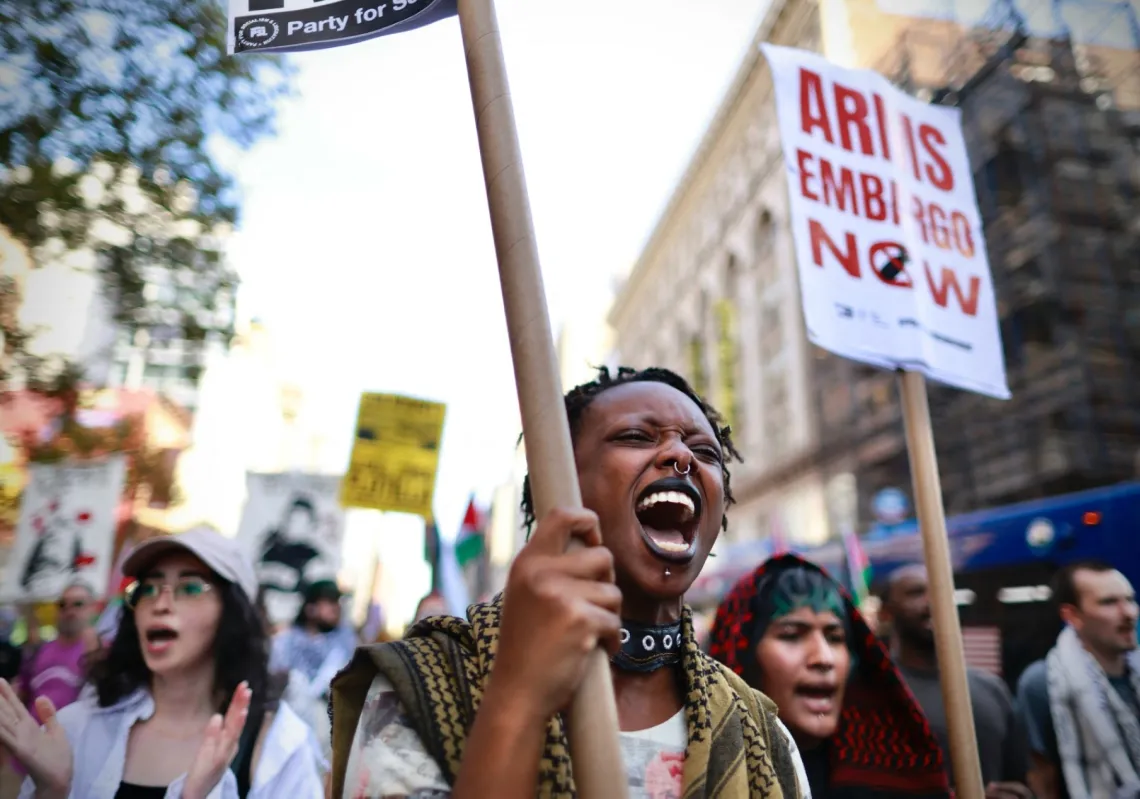
El-Sayed and others who share his political orientation are seeking to push the Democratic Party further to the left while challenging long-established political taboos: speaking openly of socialism, questioning the ‘special relationship’ between the US and Israel, and confronting AIPAC openly. Their rise has caused considerable concern among Republicans and in the White House.
Republicans have portrayed El-Sayed as one of the Democratic Party's most radical figures, while Trump has gone further, seeking to turn him into a source of fear. Alongside his fierce attacks on El-Sayed, whom he has described as a "communist" and "full of crap", Trump marked the day of El-Sayed's primary victory by posting an image showing the president and his wife, Melania, on one side and El-Sayed with his hijab-wearing wife, Sarah Jukaku, on the other. The caption read: "Two very different Americas."
Trump's attacks have extended well beyond political disagreement. He has deliberately foregrounded El-Sayed's Muslim background, repeatedly referring to him by his full name, Abdulrahman Mohamed El-Sayed, rather than the shortened form he generally uses in public and political life.
The tactic recalls Trump's repeated use of former president Barack Obama's full name, Barack Hussein Obama, with the emphasis on 'Hussein' carrying political and identity-laden insinuations rooted in anti-Muslim sentiment. Such insinuations have long been a feature of anti-Obama rhetoric and are now being directed at El-Sayed.
Beyond Republican and presidential anxiety over El-Sayed's ascent, broader political attention in the US is increasingly focused on a deeper phenomenon reshaping the Democratic Party from within: the rise of democratic socialism. Organisationally, this current is represented most prominently by the DSA, which is institutionally separate from the Democratic Party but does not field candidates under its own banner.