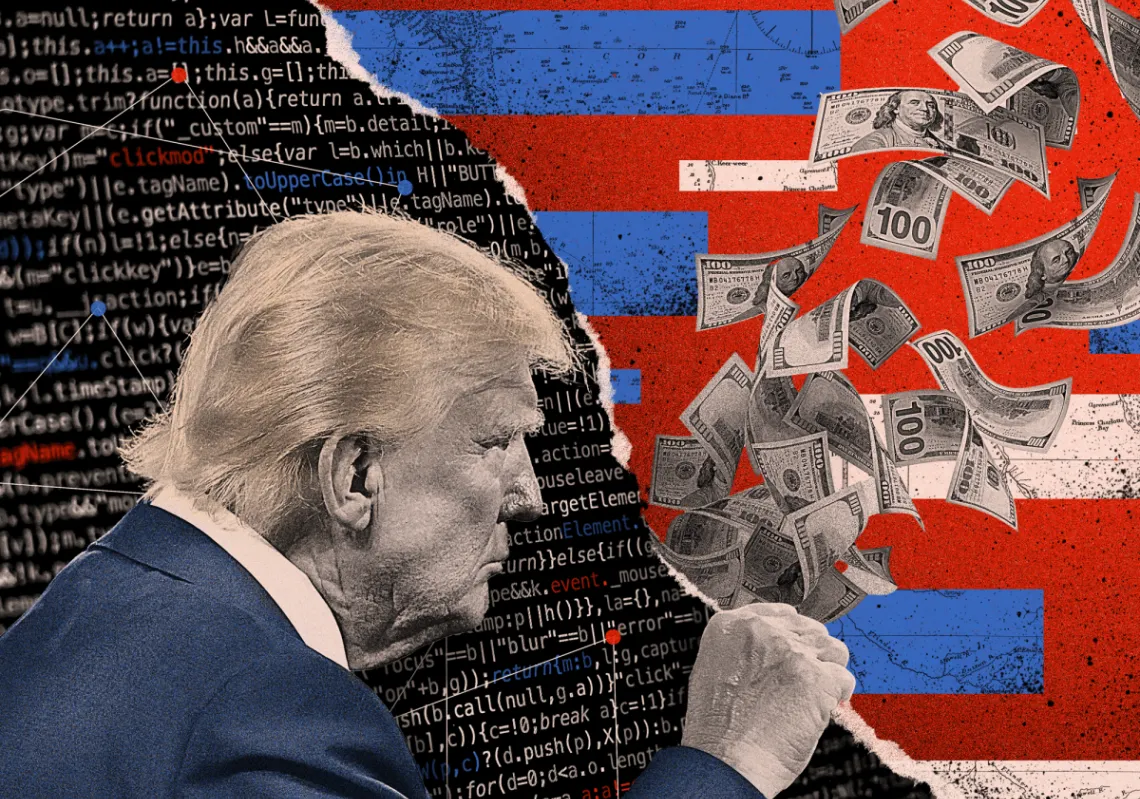

After a recent French court ruling allowed far-right leader Marine Le Pen to run in the presidential election next year, the country’s political landscape has changed. When the polls open on 18 April 2027, the current French President Emmanuel Macron will not be a candidate, having served the two terms allowed under the constitution, so analysts are busy trying to work out whether Le Pen will enter the Elysee Palace.
The election debate will focus on fiscal policy, pension reform, immigration, security, the European Union, and support for Ukraine, to name but a few. After a decision by the Paris Court of Appeal on 7 July, Le Pen can take part, despite her conviction in the European Parliament money laundering case, a suspended prison sentence, and a requirement to wear an electronic bracelet (the latter is being appealed).
Le Pen leads National Rally, the successor party of the one founded by her father, Jean-Marie, whose slogan was “clean hands and heads high”. In 2013, she proposed a lifetime ban on holding public office for elected officials convicted of embezzlement of public funds, something her critics have recently pointed out.
Assessing the scene
This will be Marine Le Pen’s fourth presidential campaign and her conviction could cast a shadow over it. Jordan Bardella, a young National Rally leader, would likely have run for president had Le Pen been barred from doing so. Tensions between the two are rumoured to be on the rise.
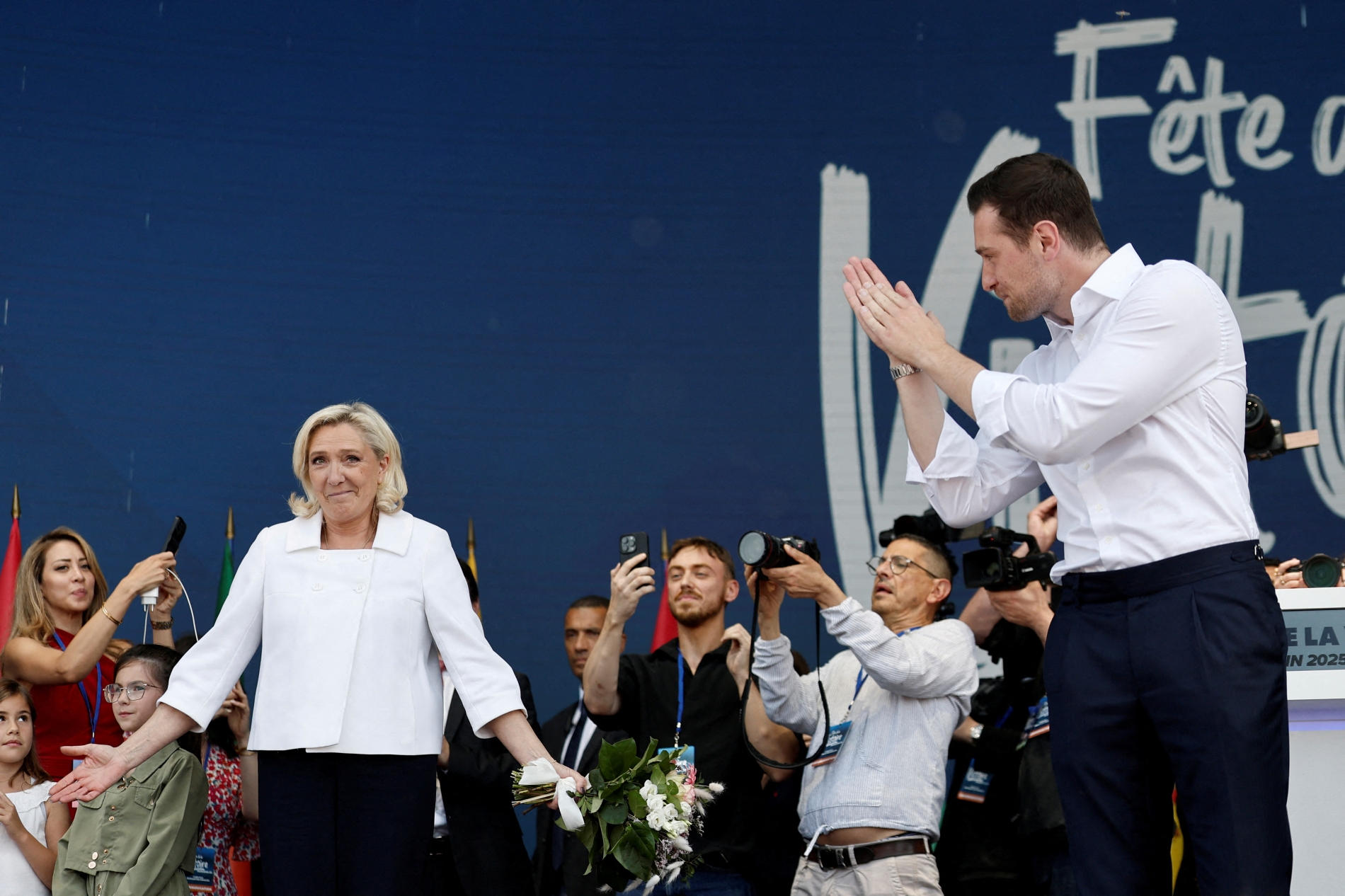
In light of the judicial ruling, centrist and left-wing parties have been reassessing their electoral strategies to counter the National Rally, which is polling well. Seen as the front-runner, it has a solid electoral base, and in Le Pen it has an experienced operator at the helm. If the party has an Achilles’ heel, it is economics, say observers, citing examples such as an inability to unify its position on pension reform. Some consider the party a threat to French democracy.