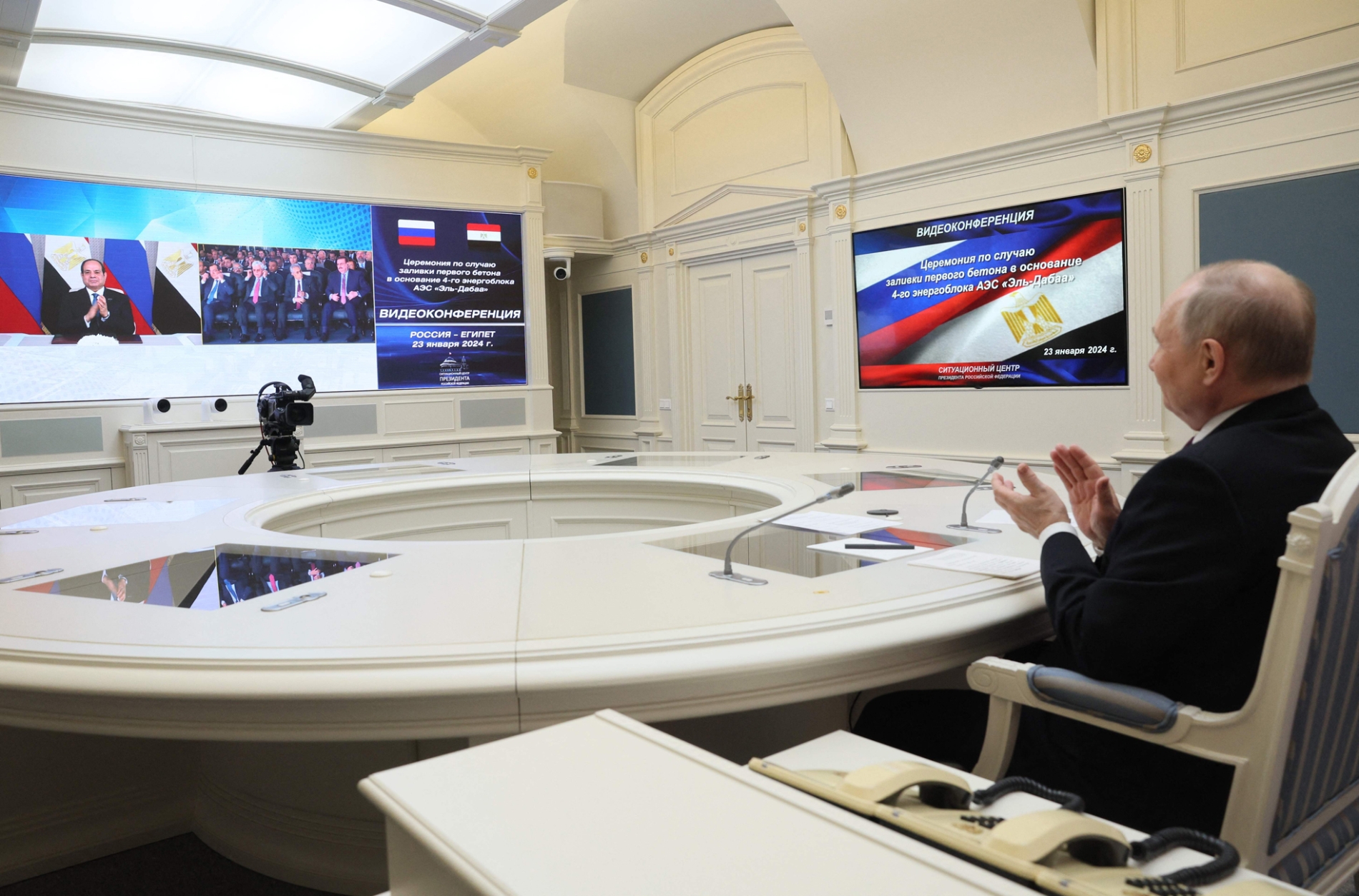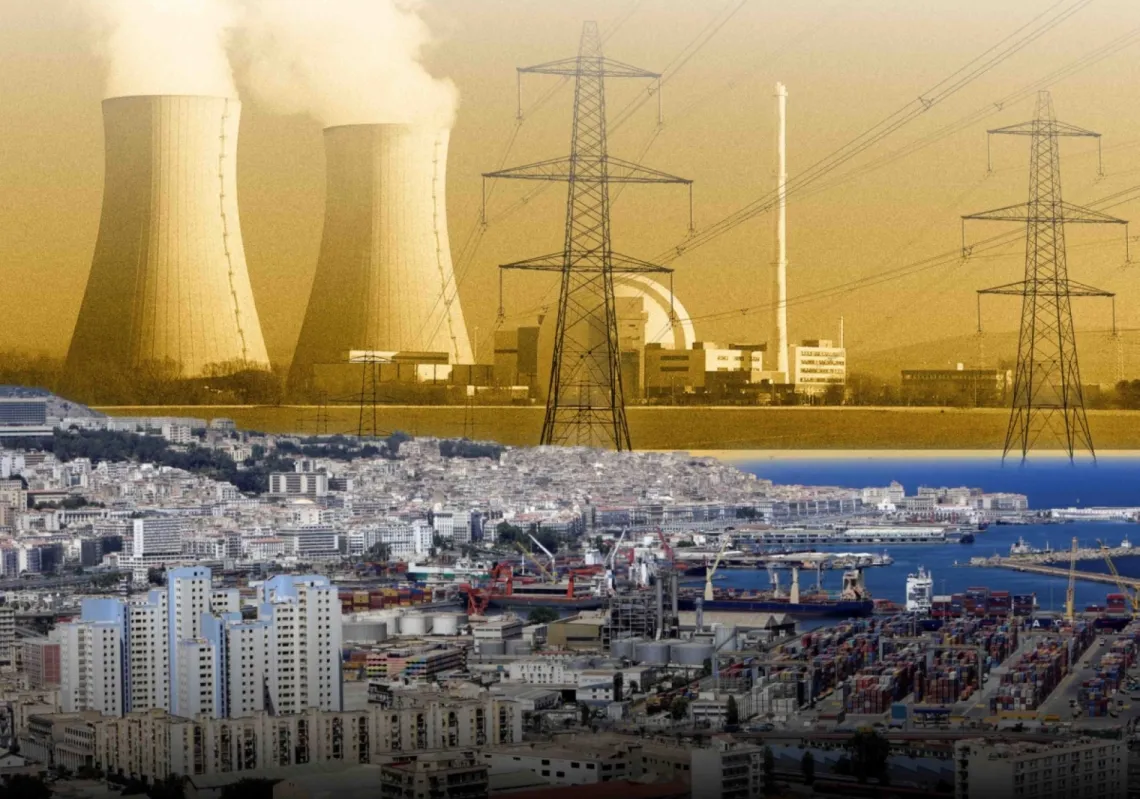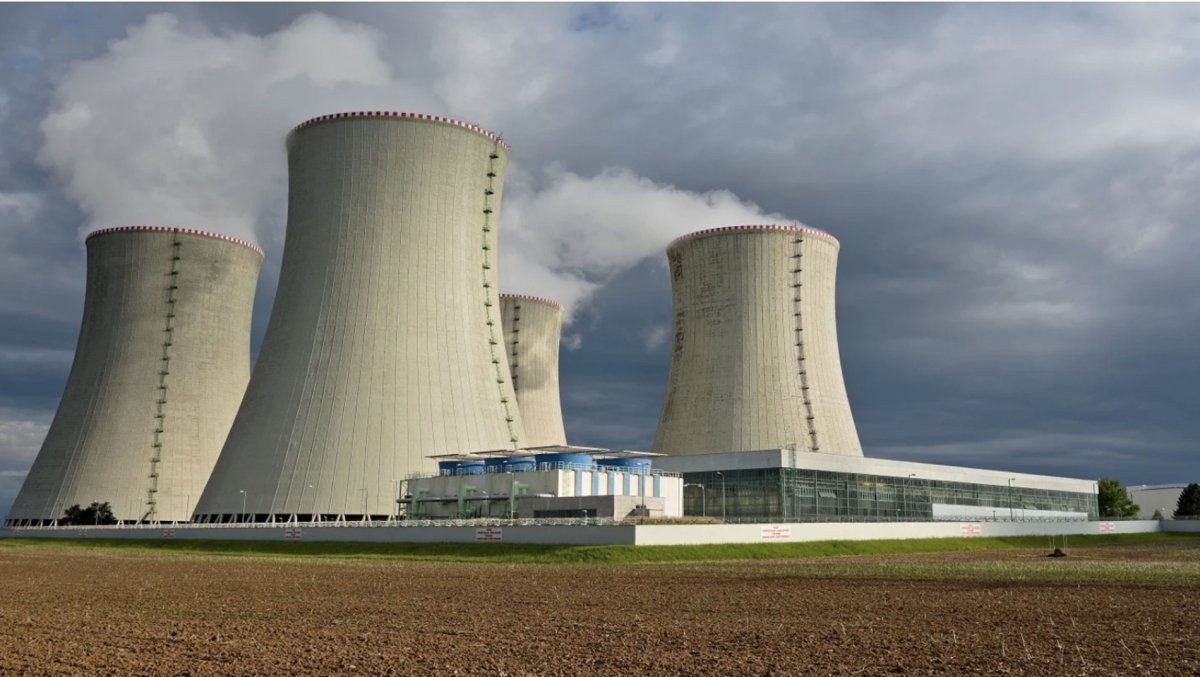

Egypt is accelerating its nuclear cooperation with Russia’s Rosatom, which is now building a major nuclear power plant at al-Dabaa, a remote coastal site in western Egypt. The focus comes amid soaring global energy prices triggered by regional conflicts and national currency depreciations. Egypt also wants to ease a crippling fuel subsidy burden, advance its ambitions to be a Mediterranean energy hub, and diversify its international alliances.
Once completed in 2030, the four-reactor facility at al-Dabaa will generate nearly 10% of Egypt’s electricity needs, according to the government. The country currently produces 210-230 terawatt-hours of electricity per year, which covers national consumption and leaves some as surplus, but the import of the fuel needed for the operation of the nation’s electricity plants means that the current set-up is not cost effective.
Earlier this year, Egyptian President Abdel Fattah al-Sisi estimated the annual fuel cost for electricity generation at around $12bn. Egypt’s electricity plants depend on natural gas for 90% of their operation, whereas the remaining operations rely on other fuels, including mazut—a form of heavy, low-quality residual fuel oil left over after petroleum refining removes lighter distillates.
Fuel crisis
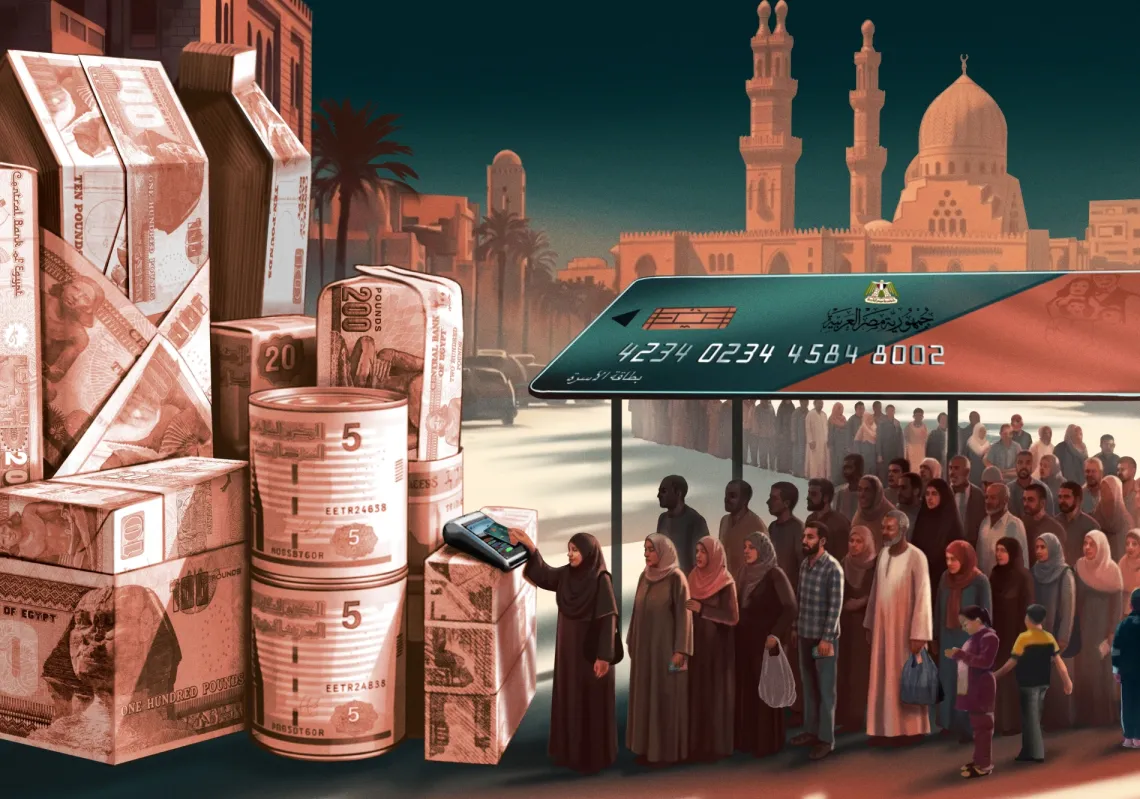
Cairo bears most of this electricity generation cost in the form of fuel subsidies, with subscribers paying the remaining amount, but war in the Gulf and elsewhere has raised energy prices, so the cost of electricity generation is now an unsustainable burden on the Egyptian treasury. Furthermore, it compounds the declining value of the Egyptian pound against foreign currencies, which means that Egypt must pay more for the same imports.
“The rise in international energy prices has caused economic suffering to countries heavily reliant on imports like Egypt,” said independent economist Ali al-Edrissi. Higher energy prices translate into higher production costs, which hits tens of millions of consumers, hence Egypt’s work to reduce dependence on traditional fuels, relying more on renewables and nuclear.
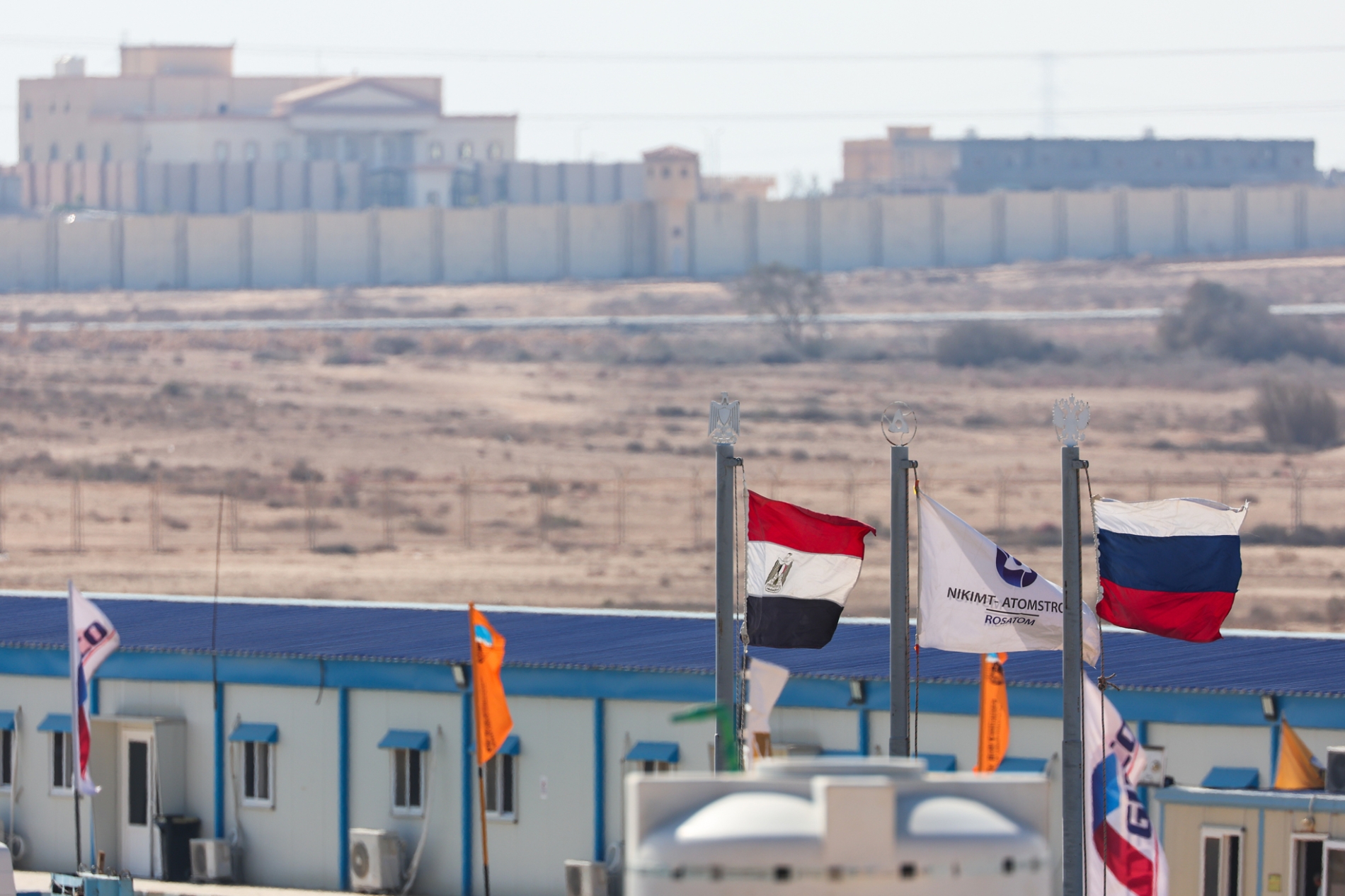
Renewables now contributing 12% of Egypt’s electricity output, but the government wants to increase this to 42% by 2030 and 60% by 2040. Meanwhile, Alexei Likhachev, the chief executive of Rosatom, said earlier this month that the Egyptian government was also negotiating with his company to build small power plants, including some water-based floating plants.
Wider vision
Egypt’s recent focus on nuclear and renewables could help it become a regional energy hub, capitalising on its location at the crossroads of energy production (the Middle East), consumption (European markets), and with the benefit of a key transit route (the Suez Canal). The Eastern Mediterranean region is also known to hold big reserves of natural gas, of which Egypt has a share. Off the Egyptian coast, production from Zohr field transformed Egypt’s energy outlook, turning it into a net exporter for the first time in years.
The plan was to channel production from the field to export operations and collect gas from other producing countries, process it at its sprawling liquefaction facilities, then send it to the international market, but a marked drop in the country’s natural gas production “negatively affected Egypt’s ability to send its gas to the international market, and caused it to scramble for imports,” says energy markets specialist Ramadan Abul Ela.