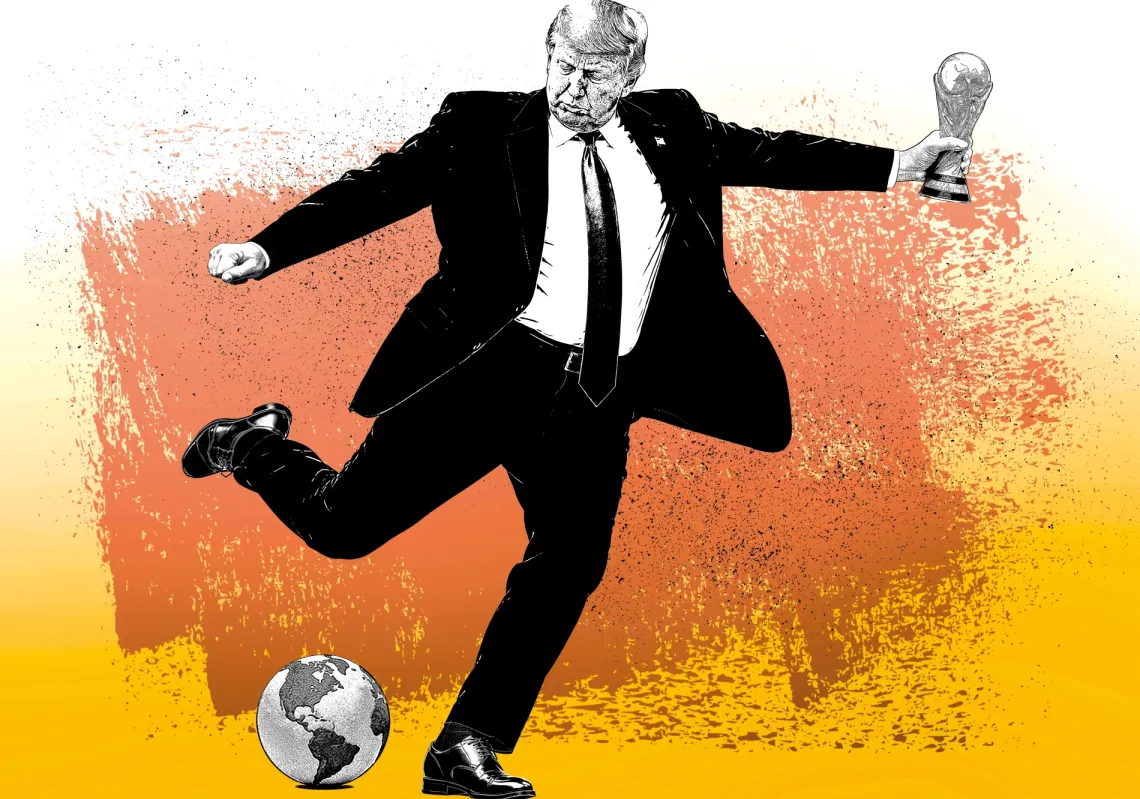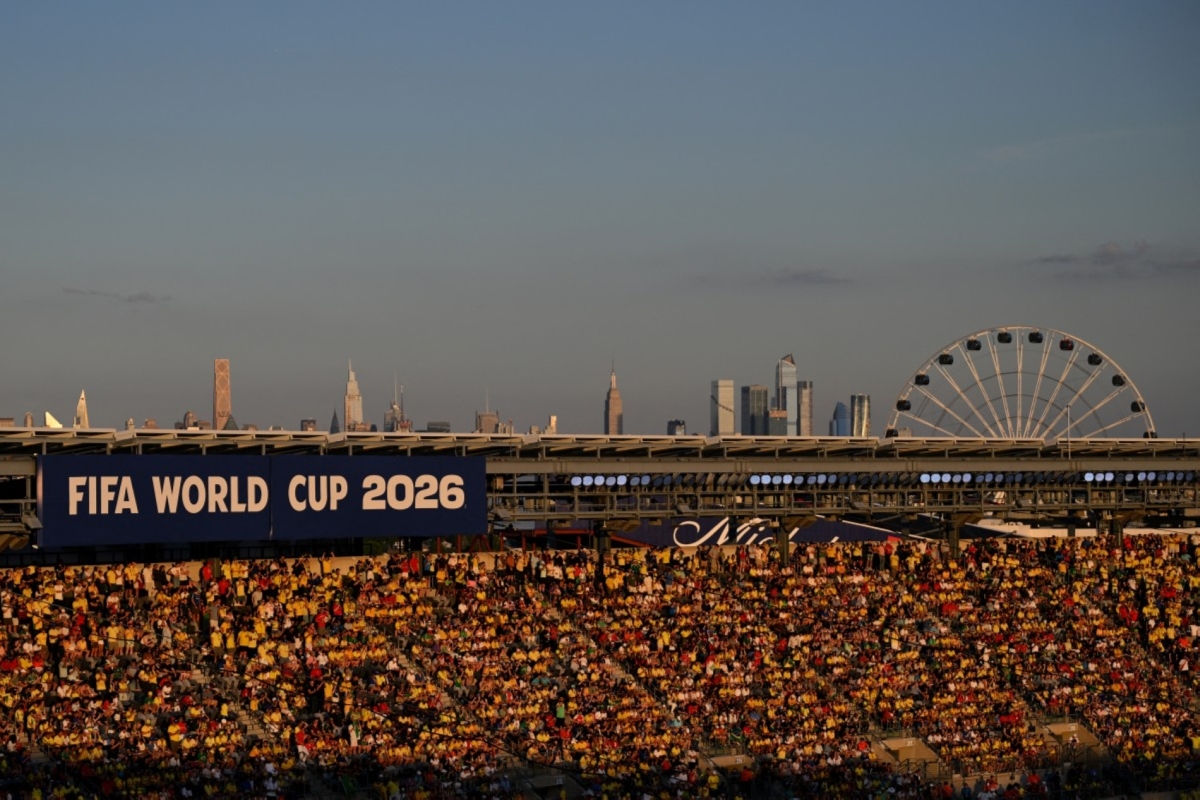

Behind the lights and vast stadia hosting the 2026 World Cup across the United States, Canada, and Mexico, a giant economic engine will be in motion, churning out billions of dollars. The show is being managed by the Fédération Internationale de Football Association (FIFA), a world football governing body. Based in Switzerland, it counts more than 200 national football associations as members, and every four years, it turns the world’s passion for the sport into revenue.
According to FIFA’s financial reports and analyses by specialised institutions, revenue for the 2023–26 cycle could approach $13bn, including around $8.9bn in 2026 alone. The wider commercial impact associated with the tournament is estimated at $10.9bn and is the result of a carefully designed strategy developed over decades.
The World Cup harnesses football’s immense global appeal, reaching billions of viewers worldwide. This transforms the tournament from a sporting competition into a vast commercial event incorporating media, marketing, sponsorship, commerce, and travel. This year’s tournament is much bigger, having expanded to include 48 teams and 104 matches, up from 64 under the previous format. This means more days of live broadcasting, more advertising, and more tickets.
Television and digital broadcasting rights are the financial propeller. FIFA sells the rights to broadcast matches and related content to networks and digital platforms in more than 175 countries and territories. At the 2026 World Cup, these rights could generate up to $4bn, around 44% of the tournament’s total revenue, surpassing the $3.4bn generated by broadcasting at Qatar in 2022.
Much of this increase reflects growing global demand for broadcasting rights, particularly in major markets. In the United States, the value of rights linked to the 2026 World Cup has risen by about 94% compared with 2022, driven by the country’s role as co-host and intensifying competition among major broadcasters and media platforms for live sports content.
Digital platforms such as DAZN, YouTube, and Apple TV have also broadened the reach of sports broadcasting by offering live matches, related programming, and short-form content. Their revenue models span subscriptions, advertising, and digital sponsorships, further strengthening the commercial value of sports content.

Geography into opportunity
Compared to tiny Qatar, the 2026 World Cup is spread across a vast continent in multiple time zones, which may prevent millions in Asia, Europe, and the Middle East from watching matches live. FIFA has sought to turn this challenge into an investment opportunity through digital broadcasting rights and rapid smartphone highlights. Through the FIFA+ app and partnerships with social media platforms, it is generating advertising revenue with ‘next-morning highlights’ and fast-spreading Reels.
While FIFA’s revised official budget projects marketing rights revenue of $1.78bn, several independent institutions and analysts expect sponsorship revenue specifically linked to the 2026 World Cup to reach $2.7-2.8bn. Corporate giants such as Adidas, Coca-Cola, Aramco, and Visa pay vast sums for visibility on digital stadium boards, in advertisements, and at associated events. More matches in 2026 means more promotional space and opportunity for corporate partners.
Inside the stadia, tickets and hospitality packages tell the most striking growth story. At Qatar 2022, ticketing and hospitality revenue was $950mn ($686mn from ticket sales, $243mn from hospitality rights). In 2026, that figure is expected to hit $3bn, driven by higher ticket prices and a sharper focus on luxury hospitality packages.