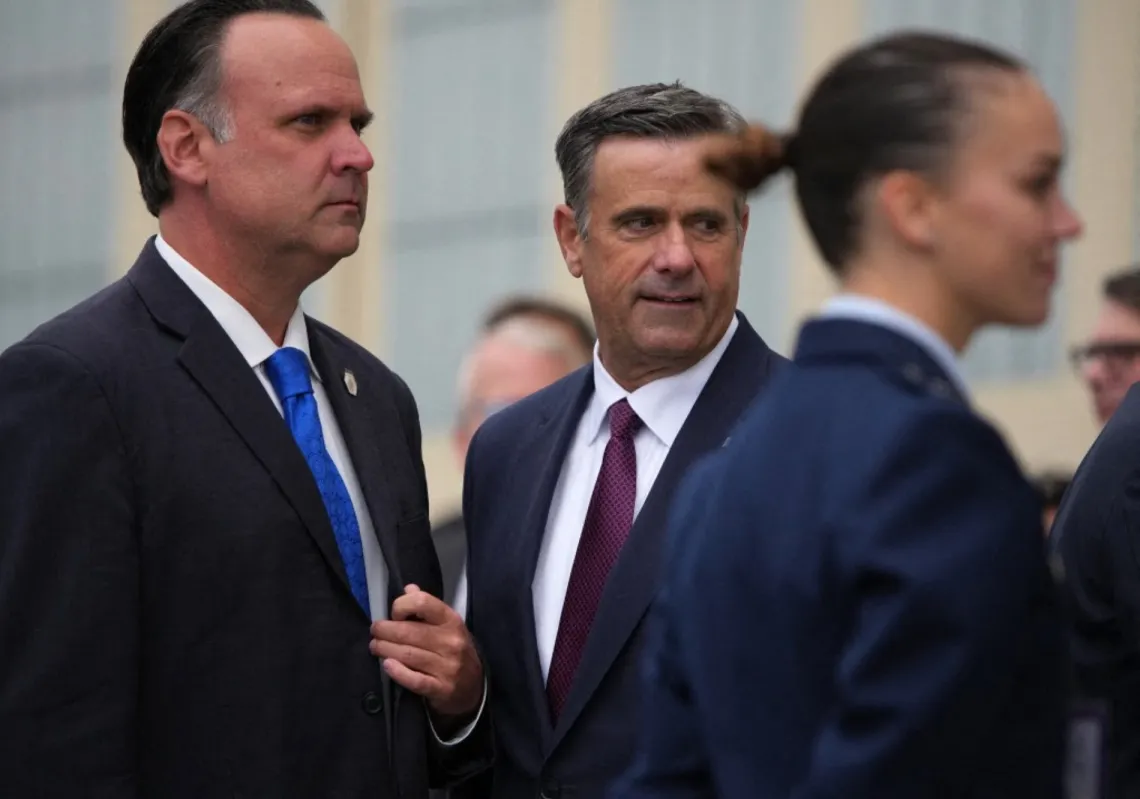

On 7 June, US President Donald Trump remarked in an interview that he would “like to see a more surgical attack on Hezbollah...we can help with that, or we can recommend Syria...They have a very good leader (President Ahmed al-Sharaa)...and he would love to help.” In the days that followed, multiple reports appeared suggesting that Trump had invited al-Sharaa to Washington for a high-profile meeting on 14 June—Trump’s birthday. Both Washington and Damascus now deny that such a meeting is currently scheduled, and Syria has rejected suggestions that it might deploy forces into Lebanon. Lebanese President Joseph Aoun also expressed his confidence that al-Sharaa will not become involved in Lebanon’s internal complexities.
The episode is the latest in a series of reports stemming from a 17 March Reuters story that suggested Washington was encouraging al-Sharaa to consider sending Syrian forces into Lebanon to help disarm Hezbollah. Together, these reports highlight a central tension in the evolving US-Syrian relationship. While al-Sharaa's Syria appears willing to partner with the United States and its regional allies in containing Iran and promoting regional stability, it is neither willing nor well positioned to serve as an expeditionary force against Iranian-backed groups beyond its borders, whether Hezbollah in Lebanon or Shiite militias in Iraq. In Lebanon in particular, Hezbollah would almost certainly use such a move to reinvigorate its rallying cry of “resistance.” This would likely lead to sectarian conflict between Syrians and Lebanese given the sordid history of Hezbollah’s presence in Syria.
The Trump administration can help manage this tension by recognising the limitations of Syria's still-developing government and security institutions. Rather than pressing Damascus to undertake risky military missions abroad, Washington should focus on expanding cooperation in areas where interests already align, including border security, counterterrorism, regional stability, and Syria's long-term reconstruction.
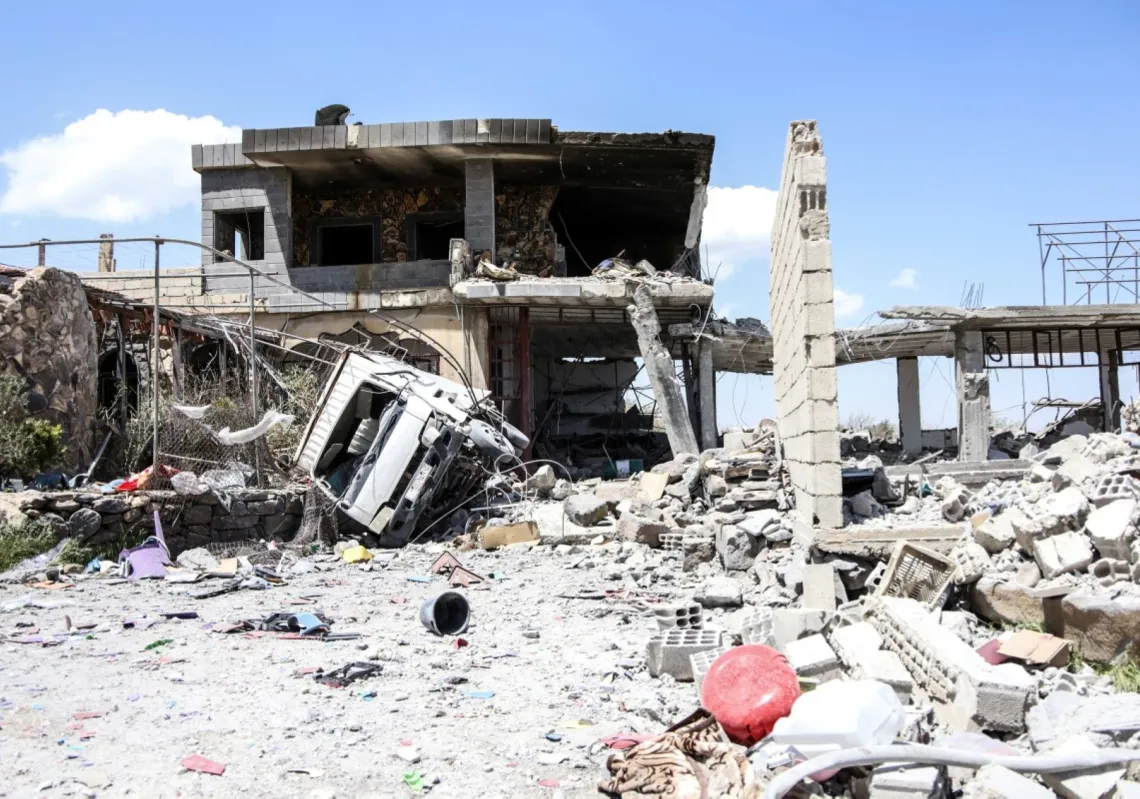
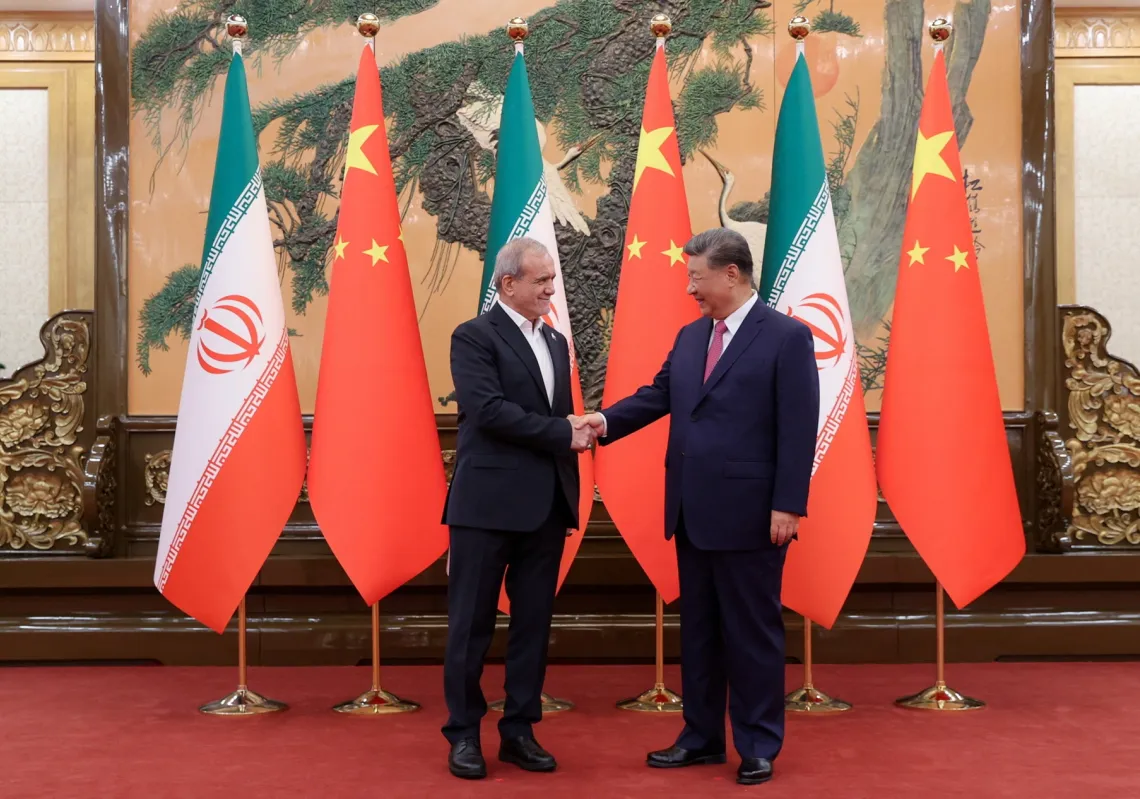
So far, Damascus has taken a careful, calibrated approach to the war in Iran. It has aligned diplomatically with Arab states and Washington in condemning Iran’s actions, reinforcing its borders, and avoiding escalation. Yet it has also kept a wary eye on Israel, which struck Syrian army infrastructure in the south on 20 March to support Druze elements and has significantly expanded its operations next door in Lebanon. This balancing act reflects both strategic caution and the structural limits of a young government.
On the diplomatic front, Foreign Minister Asaad al-Shaibani has held multiple calls with US allies in the Gulf, Türkiye, and Western capitals since hostilities first erupted on 28 February—though notably not with Israel. The foreign ministry also condemned Iranian attacks on Arab states, expressing solidarity with Saudi Arabia, the United Arab Emirates, Bahrain, Qatar, Kuwait, and Jordan.
Al-Sharaa has reinforced this message through direct outreach to regional leaders, including calls with Gulf leaders and coordination with officials in Baghdad and the Kurdistan Regional Government. By 1 March, Syria had joined the Gulf Cooperation Council states and Jordan in condemning Iranian strikes “in the strongest terms,” placing Damascus firmly within an emerging Arab bloc opposed to Iran.
Internal focus
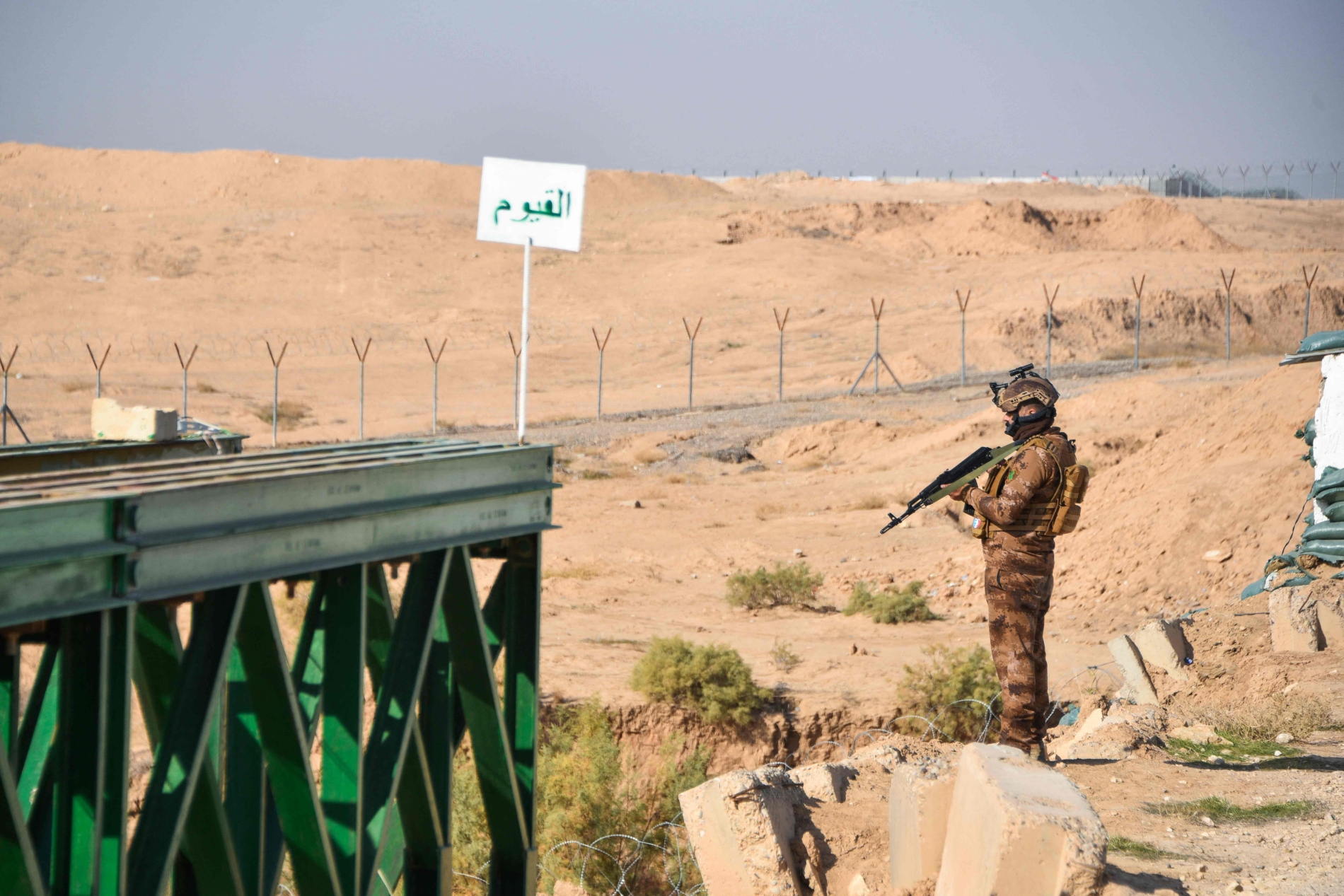
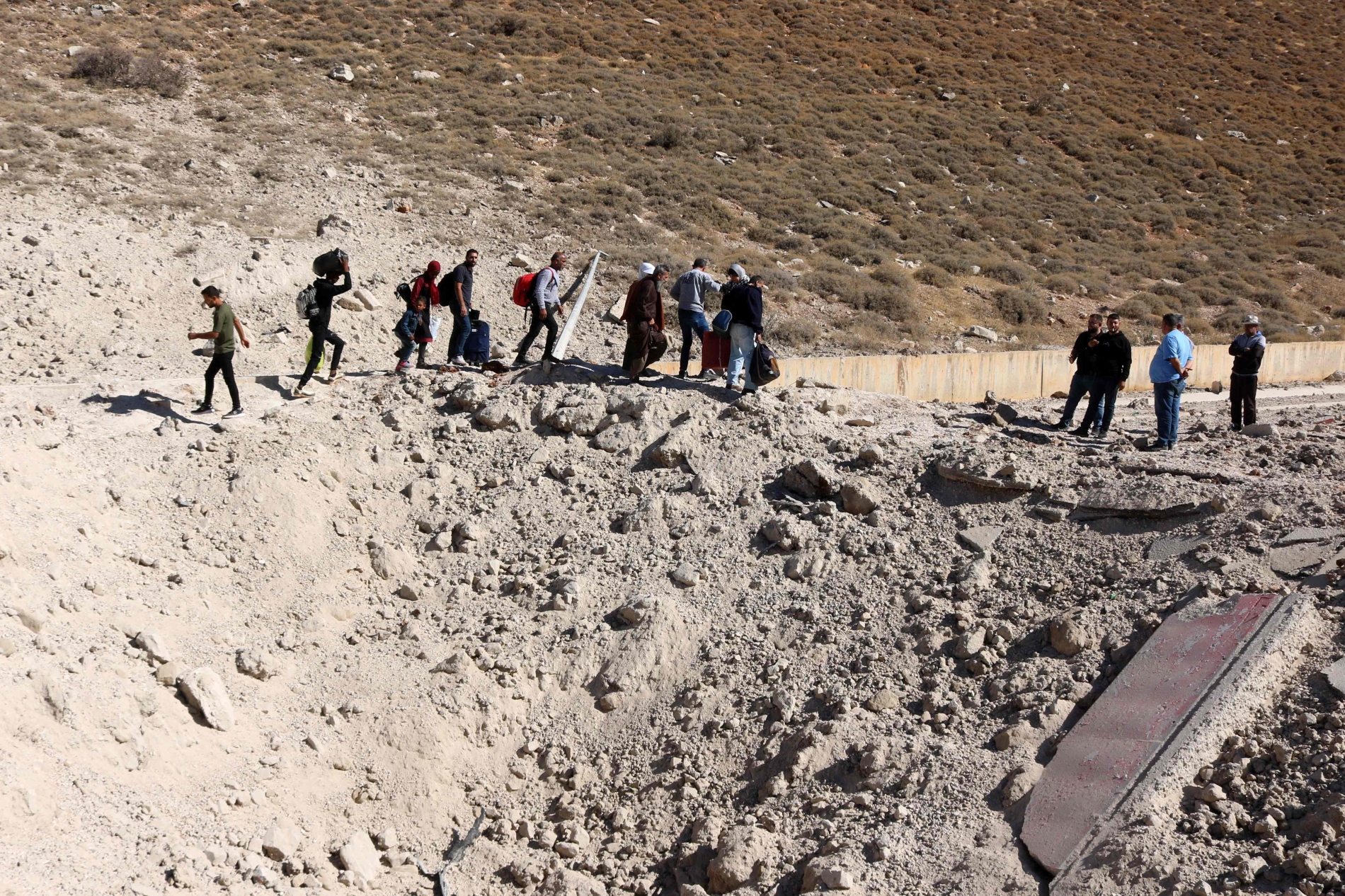
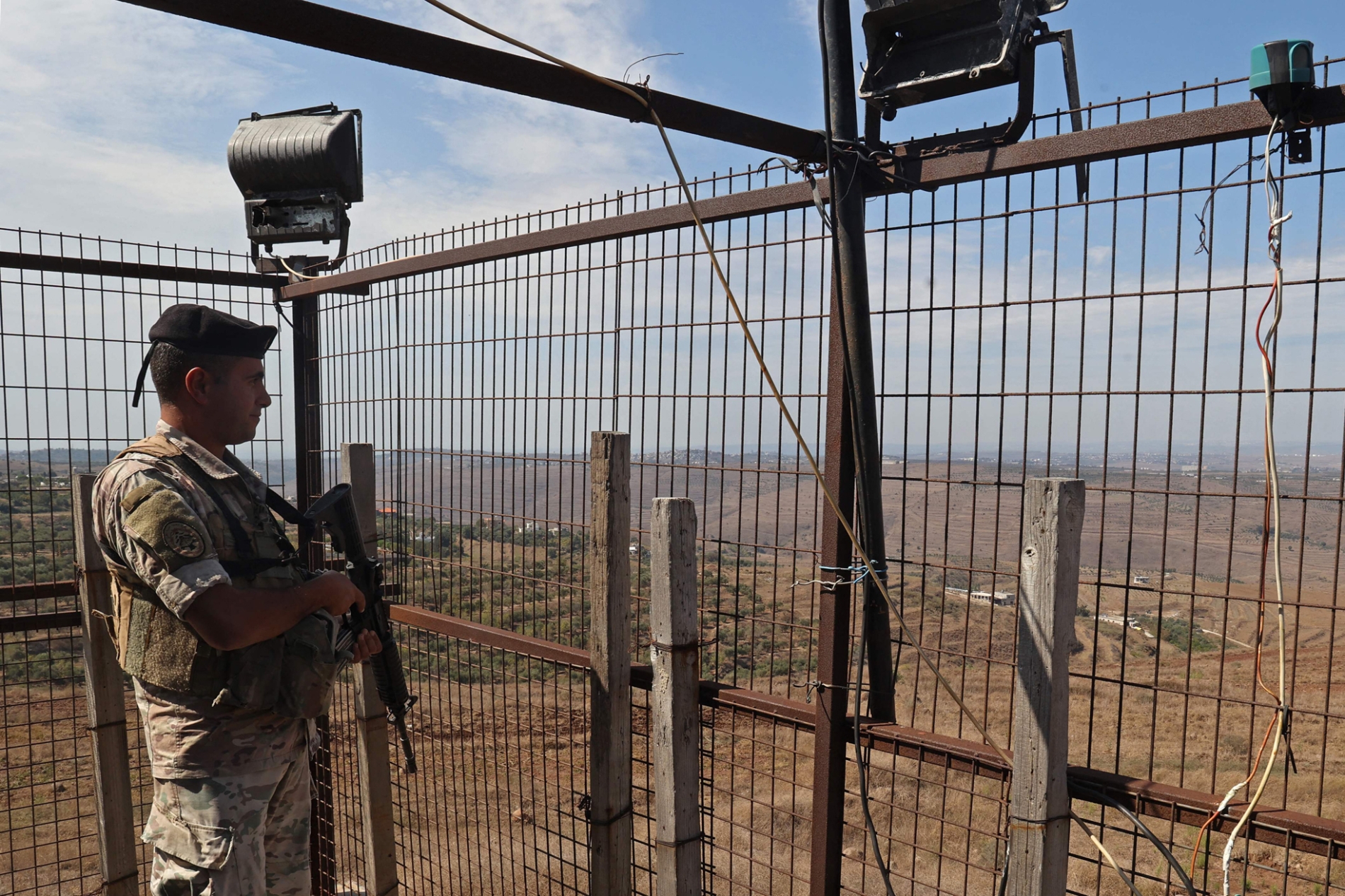
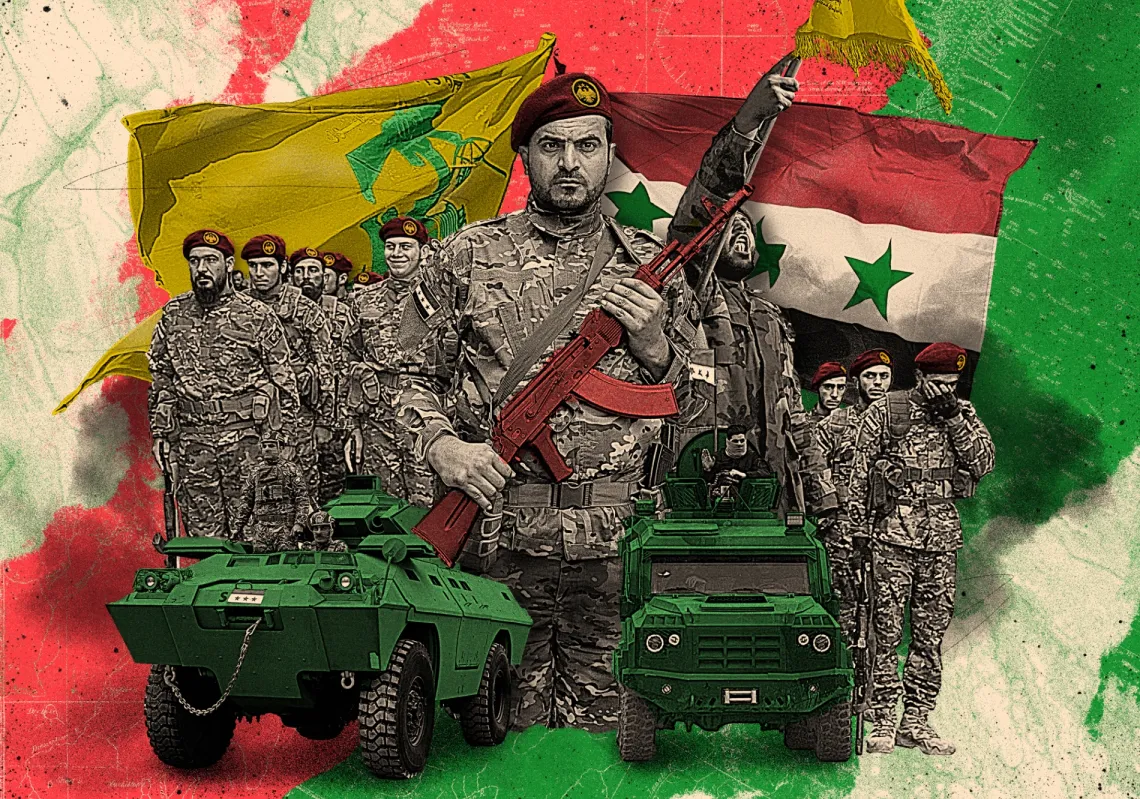
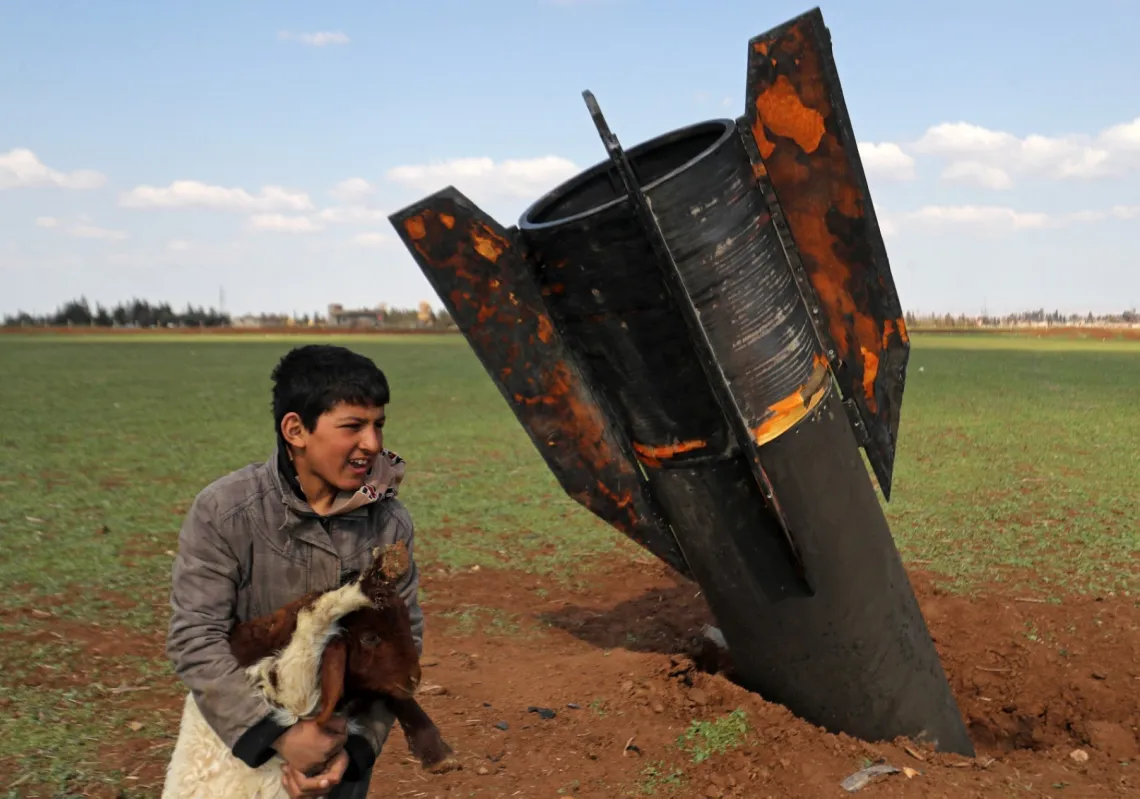
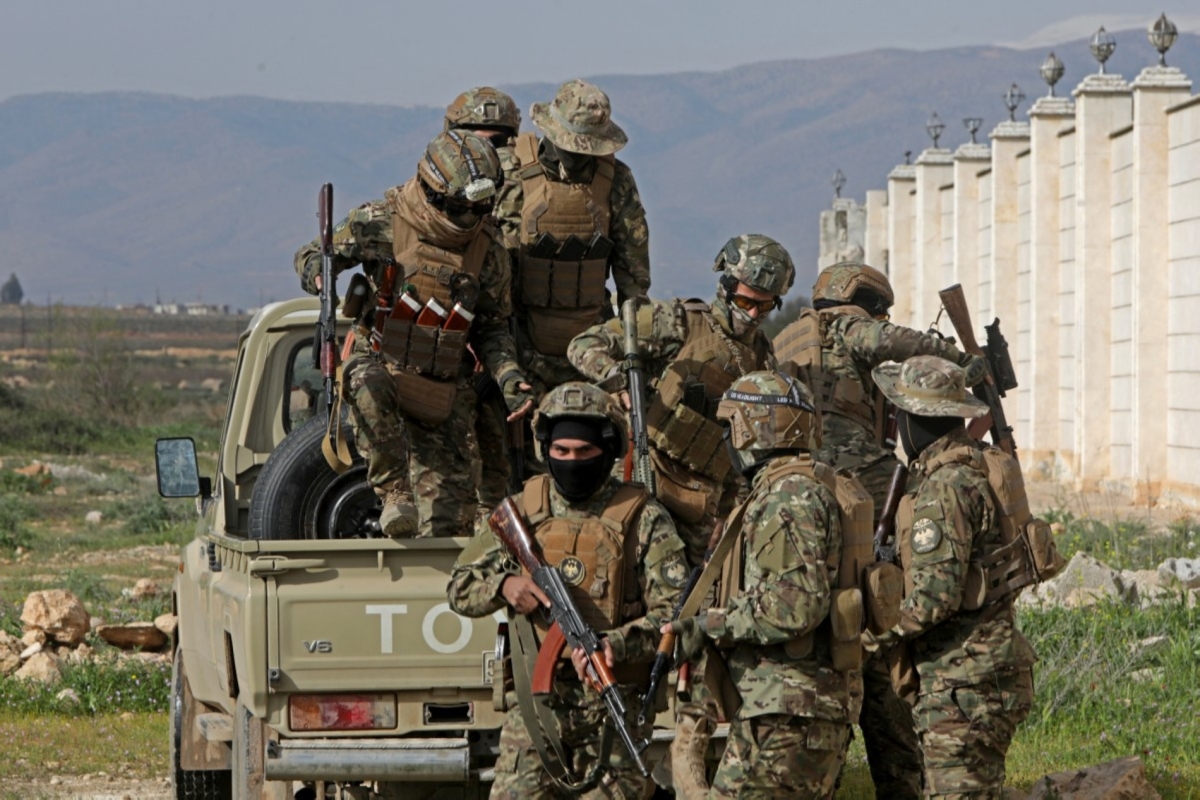
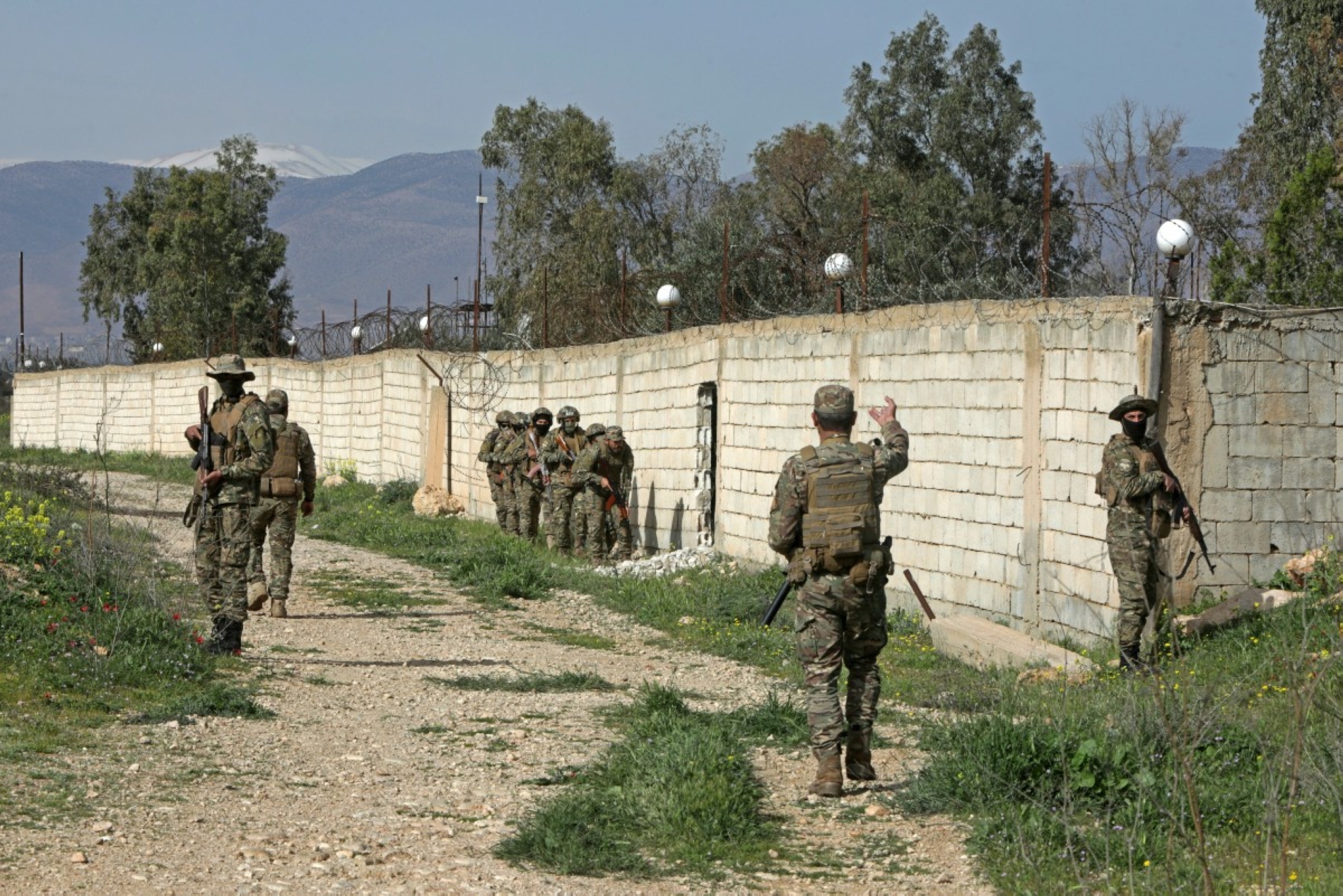
At the same time, however, Syria has restrained its military posture and focused on securing its own territory. In early March, it reportedly deployed thousands of troops, armoured vehicles, and short-range rocket systems to the borders with Lebanon and Iraq. One report indicated that the units sent to the Lebanese frontier included elite Uzbek and Uyghur elements who have been integrated into Syria’s armed forces over the past year, highlighting the military’s evolving force structure and continued reliance on foreign fighters, some of whom may be affiliated with extremist ideologies.
Syrian officials have consistently framed these deployments as defensive. Military officers described them as an effort to combat infiltration and drug/weapon smuggling by Hezbollah and other Shiite militias. In March, the Syrian Defence Ministry stated that the reinforcements were intended to enhance surveillance, patrol border crossings, and counter smuggling—not to prepare for offensive operations. Similarly, reports of rocket deployments were downplayed as part of a broader deterrent posture, with officials emphasising that Syrian territory would not be used as a platform for confrontation.