The US-Iran war showed just how crucial aluminium is

Iran's attacks on two big Gulf producers threw the industry a curveball. Although alternatives exist, the UAE and Bahrain facilities will be hard to replace.

Nesma Moharam

The US-Iran war showed just how crucial aluminium is

Missile and drone strikes from Iran at the end of March inflicted considerable damage to two major aluminium facilities in the Middle East, causing concern in the metals market worldwide. The United Arab Emirates is one of the top five suppliers of aluminium globally, followed closely by Bahrain, and the strikes damaged Emirates Global Aluminium (EGA) and Aluminium Bahrain (Alba), the biggest players in each market.

Iran’s effective closure of the Strait of Hormuz for several weeks had already prompted concerns about the supply of processed aluminium, but workaround solutions were being implemented, such as rerouting exports by truck to Oman and then exporting them from the port of Sohar. The 28 March attacks targeted not the supply routes but the sources of production.

First isolated in the early 19th century, aluminium was more valuable than gold for a time. Today, its production starts with the mining of bauxite, from which the metal is extracted. It is versatile and used across myriad sectors, including transportation, aerospace, construction, packaging, electronics, and machinery, so the repercussions of these strikes could be more far-reaching than simply increasing prices.

Effects of the attack

Importantly, neither the UAE nor Bahrain has any significant bauxite reserves. EGA imports it mostly from Africa. The Guinean government imposed state control over its bauxite mine company last year, triggering a legal challenge from the UAE. Just days before the Iranian strikes, both sides said they had reached a deal that would allow supplies to continue.

Bahrain sources its bauxite mostly from Australia and Saudi Arabia. Weeks before the strikes on EGA and Alba, ships with bauxite bound for these processing plants were rerouted, owing to the risks of travelling through the Strait of Hormuz. This blockage has also impacted another aluminium producer in the region, the Qatar Aluminium Manufacturing Company.
AP
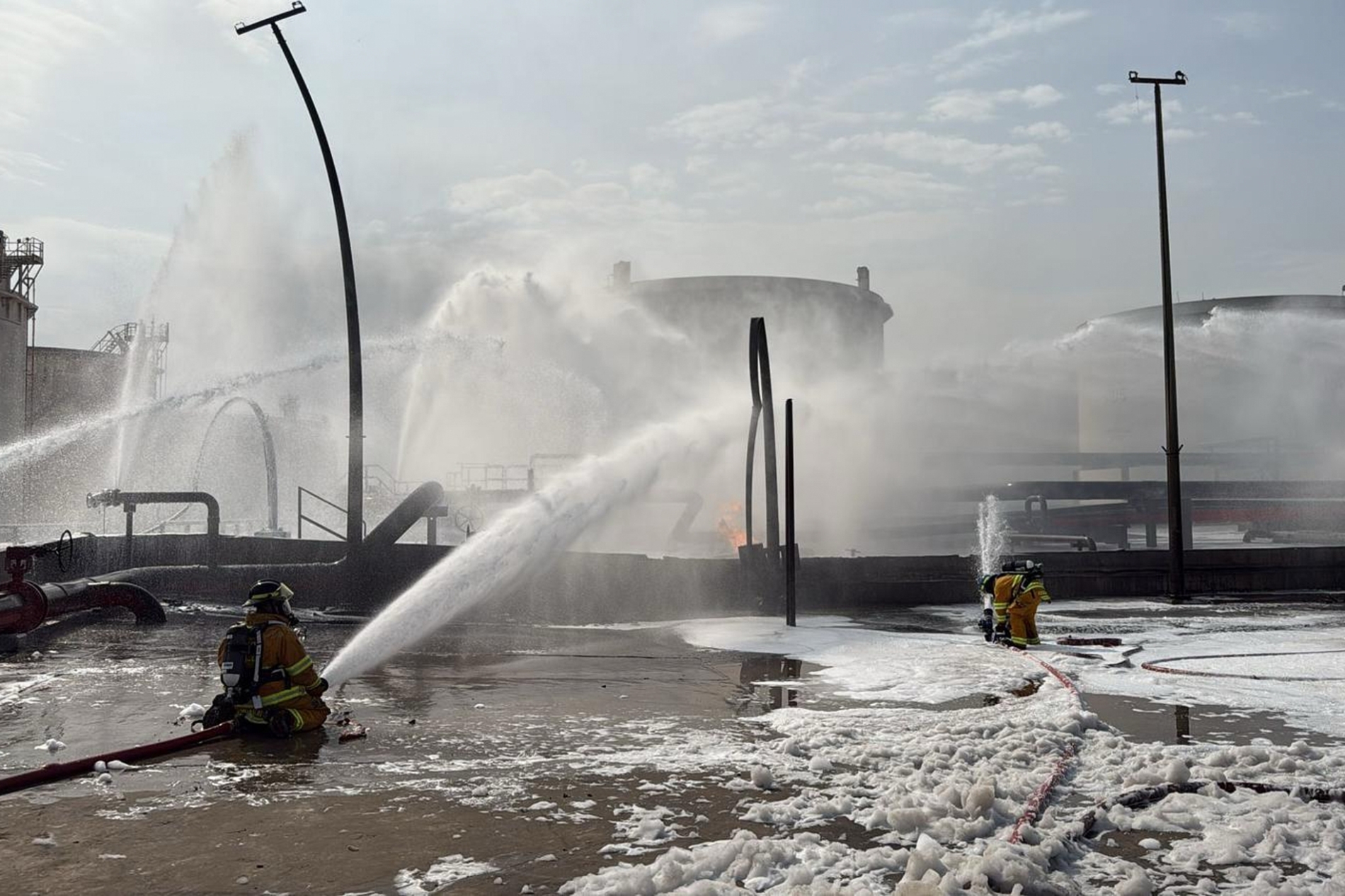
Firefighters extinguish a blaze in the Ma'ameer industrial area of ​​Bahrain following an Iranian attack on 9 March 2026.

Even before the strikes on the UAE and Bahrain, the price of benchmark aluminium had hit new highs. After these attacks, it shot up to $3,468 per tonne. Only after Russia’s invasion of Ukraine in February 2022 did it reach higher. Analysts think $4,000 per tonne could be a possibility.

The Gulf states supply around 10% of the world’s aluminium. Bigger producers, like China and India, consume much of their own production domestically, but the Gulf exports up to 80% of the aluminium it refines. If China’s share were removed from the picture, the Gulf would account for 22% of global production.
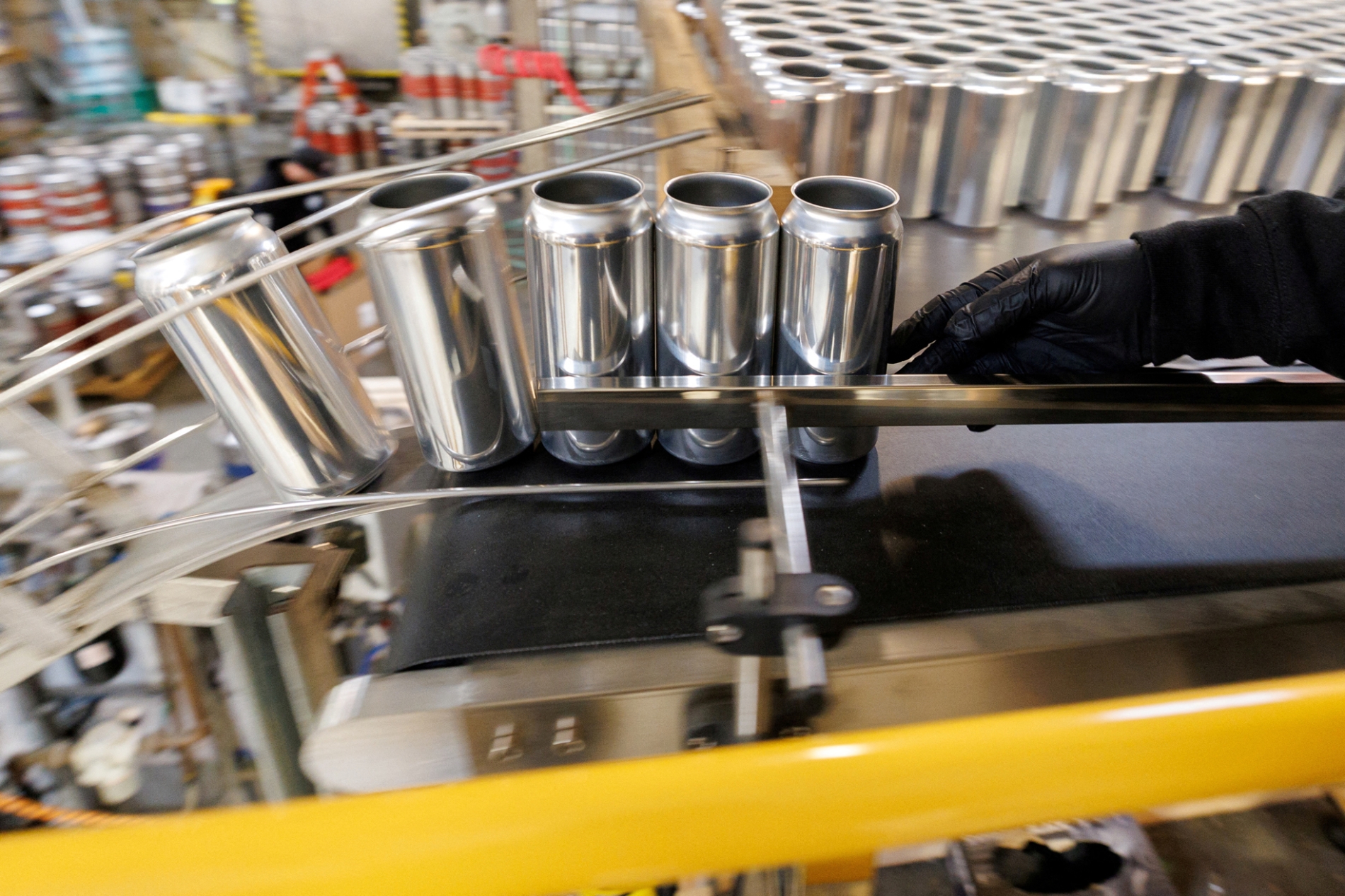
The Gulf states supply around 10% of the world's aluminium. Bigger producers, like China and India, consume much of their own production

The United States, for example, sourced more than a fifth of its total aluminium imports from the UAE, which was its third-largest supplier after Canada and South Africa. The UAE supplied Germany, a major importer of the metal, with 8.7% of its aluminium, and Bahrain was one of the fastest-growing suppliers to Berlin in recent years. These attacks may send some customers back to the drawing board. Although it is also a major producer of the metal, Russia is not a viable alternative owing to sanctions against it, while Canada is a long distance from the Asian market, complicating logistics.

Reuters
An aluminium plant in California on 14 March 2025.

Supply comes offstream

On 3 April, EGA provided an update, saying it would take up to a year before operations could resume at its Al Taweelah site, one of the world's largest industrial facilities for aluminium production that includes the smelter and foundry, power plant, alumina refinery, and recycling plant. Abdulnasser Bin Kalban, chief executive of EGA, said the Al Taweelah site was "a foundation of the global economy, and a significant contributor to global supply, making this incident damaging to industries and prosperity worldwide".

This facility produced 1.6 million tonnes of cast metal and 2.4 million tonnes of alumina in 2025, while Alba produced 1.62 million tonnes of aluminium, a record. Repairing them is expected to remove around 3.2 million tonnes of aluminium from the supply chain.

Both EGA and Alba produce the kind of aluminium that goes to downstream converters; they do not roll out finished products. The companies that use their aluminium roll it into sheets or plates or forge it for use in other industries. EGA's aluminium eventually reaches major equipment manufacturers serving the construction, automotive, packaging, electronics, and aerospace industries (one of the alloys produced is a key material for both Boeing and Airbus).

Europe is Alba's biggest export market, where it serves the construction sector. Alba had recently concluded a deal with Aluminium Dunkerque to buy the company (Europe's largest primary aluminium smelter). Asian countries are also highly dependent on aluminium from the Gulf, with geographical proximity a factor. Korean electronics giants Samsung and LG are among those sensitive to aluminium prices. The renewable energy sector is also susceptible, since aluminium is a key component in photovoltaic cells and wind turbine blades.

Gulf states export up to 80% of the aluminium it refines. If China's share were removed from the picture, the Gulf would account for 22% of global production.

A growing industry

Longer term, the Gulf states suspect that this may dent their image as reliable suppliers, and have been prioritised as part of the move away from fossil fuels. "Consider this industry the crown jewel of the Gulf's macroeconomic diversification," said Justin Dargin from the Middle East Council on Global Affairs, speaking to DW News, adding that the attacks could increase global inflationary pressures.

The International Aluminium Institute (IAI) recently predicted that demand for aluminium would increase by 40% by 2030, suggesting that global aluminium production will have to increase to 119.5 million tonnes by 2030 from an estimated 73 million tonnes in 2025.

While environmental reforms may not be a priority in the short-term, aluminium is 'infinitely' recyclable, and the IAI estimates that 75% of all the aluminium ever produced is still in use today. The recyclability of aluminium could help ease the pressure of supply chain disruptions on the packaging industry. More than 70% of aluminium cans are recycled, so, with slight moderations, most beverage companies using aluminium cans should be able to continue operations. 

Reuters
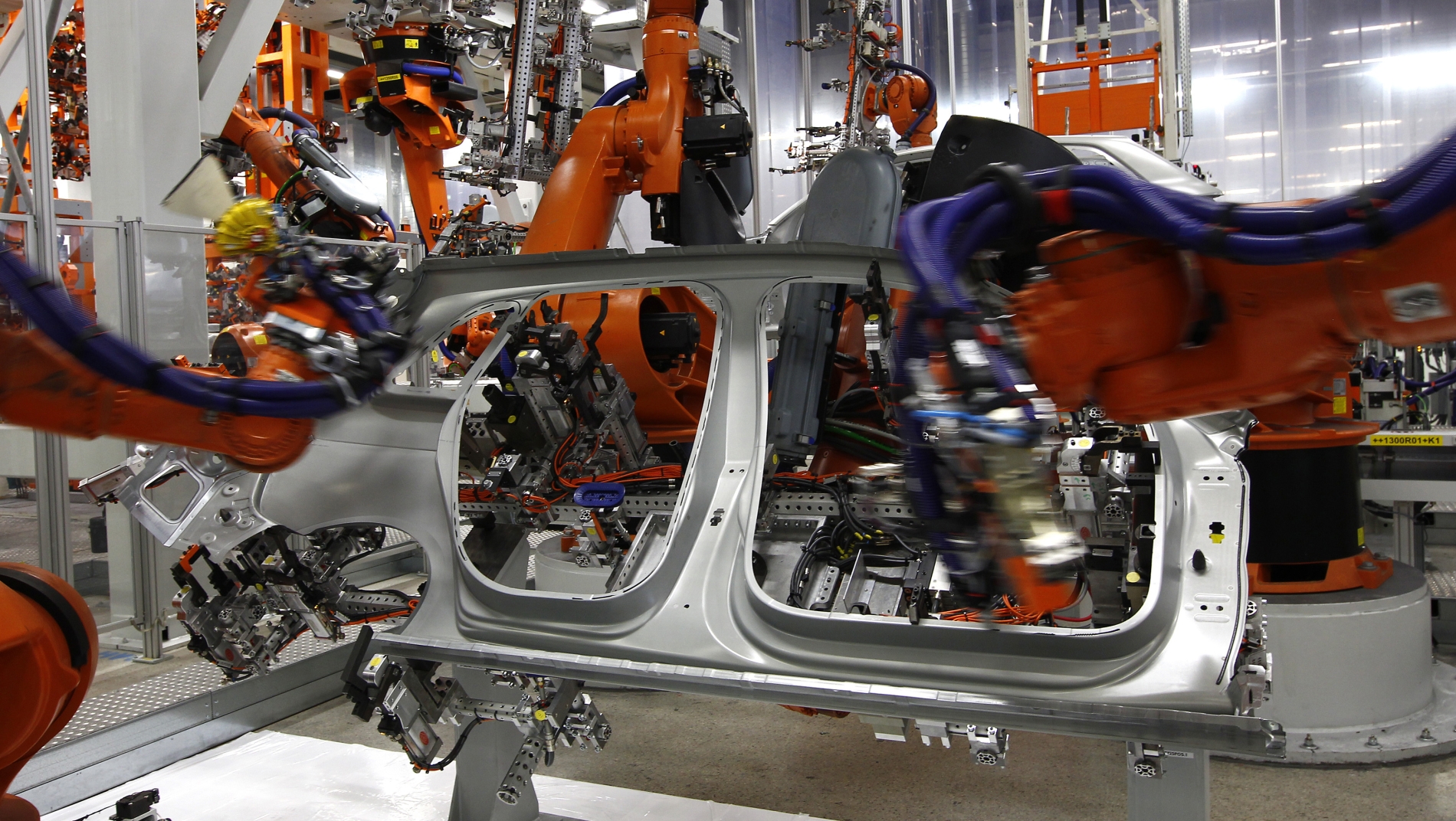
Machines assembling parts on an Audi car production line in Bavaria, Germany, on 11 April 2013.

In the electronics industry, recycling presents challenges. A recent study found that only half of the electronics in Europe were collected and treated correctly for aluminium extraction. Earlier in 2026, several big motor manufacturers (like Toyota, Ford, BMW, Volvo, and Honda) said they would jointly explore aluminium recycling to cut costs and carbon emissions. Recycling is not a viable option for the construction industry, however, given the longevity of buildings and the constant need for supplies for new projects.

In the short- and medium-term, the Iranian strikes on the UAE and Bahrain will have a significant impact on global aluminium markets, further increasing the pressure building up due to the effective closure of the Strait of Hormuz blockade. The longer-term impact the war had on the aluminium market remains to be seen.

font change