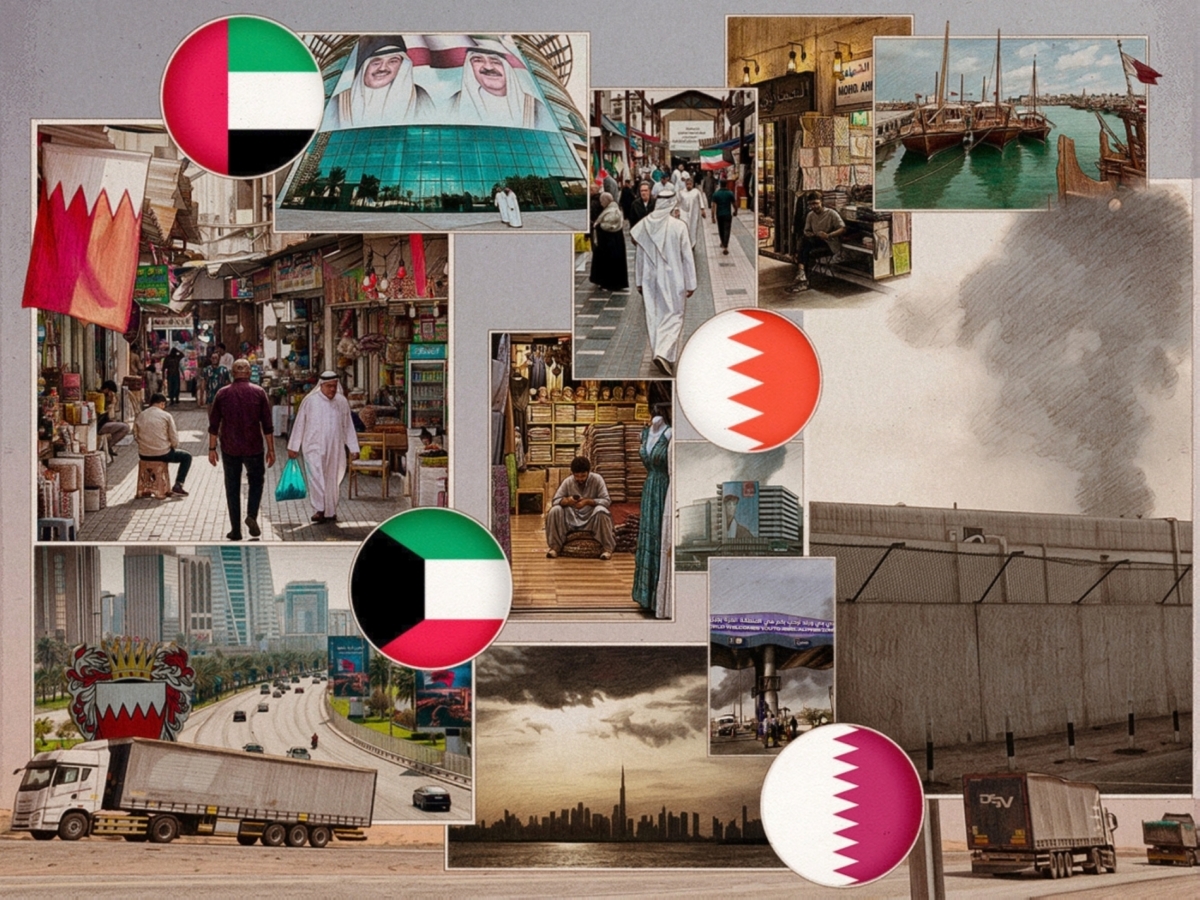

To empty the Gulf states of their expatriate populations would be to change them fundamentally and detrimentally. For a century, since the dawn of the oil era, migrants have poured into the Gulf from every quarter in search of jobs and opportunities in countries whose hydrocarbon wealth raised living standards. Resident populations are now increasingly reliant on this foreign labour, both at home and at work, which is why the US-Israeli war on Iran has caused such concern, with suggestions that millions could end up leaving.
According to the Gulf Statistical Centre, the total expatriate (or ‘expat’) population across the Gulf states stands at 35 million. Of these, Saudi Arabia has the most by number (16.4 million). In the United Arab Emirates and Qatar, expats comprise up to 90% of the population. In Kuwait, they make up 70%. In Saudi Arabia and Oman, it is not quite half.
The number of expats across the Gulf rose sharply during the early 21st century, driven by economic growth, with an expanding private sector, including service industries, and rising demand for domestic labour. Expats have lived through the Iran-Iraq War in the 1980s, Iraq’s occupation of Kuwait, two Gulf Wars, Gaza, and now the US-Israeli war against Iran. Although conflict creates fear among all, for expats, the anxiety is felt on a deeper level, since so much depends on the work they perform in Gulf states.
Essential roles
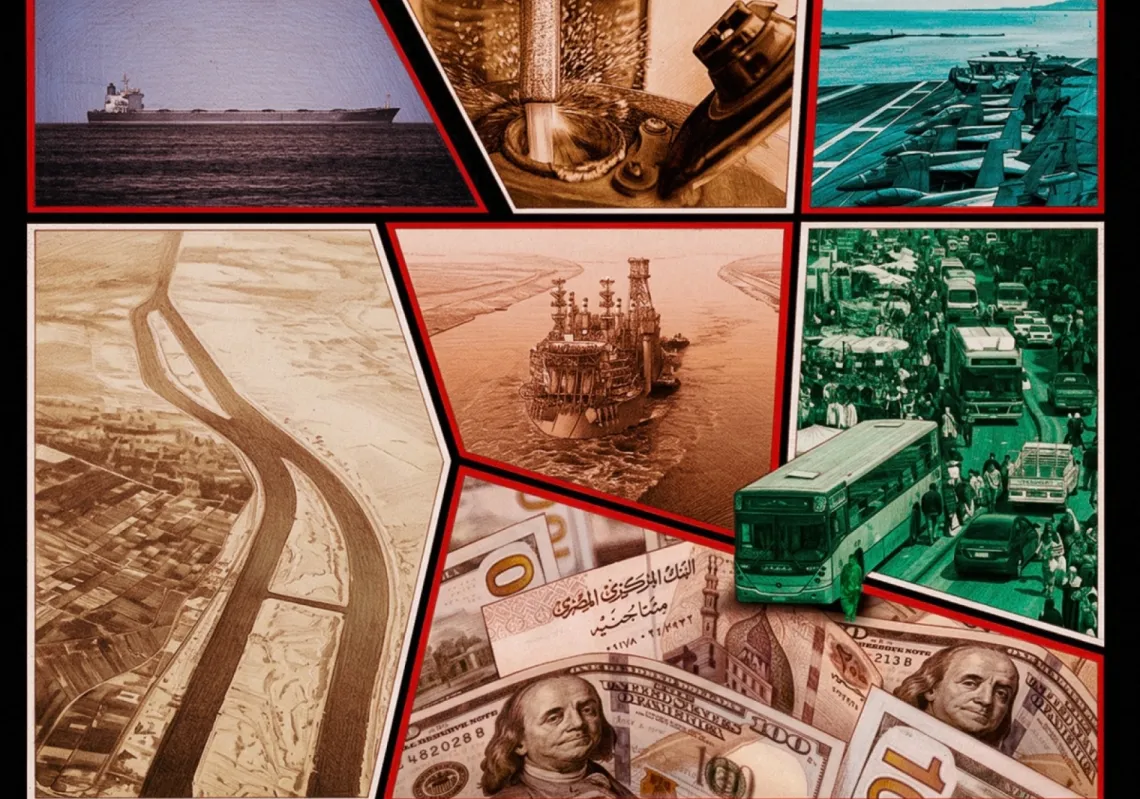
Expats work across a broad range of institutions and facilities. Many distinguish themselves with professionalism and expertise, holding positions of genuine importance in both the public and private sectors, employed in areas that are increasingly indispensable within the rentier economies of the Gulf. Education and healthcare rely heavily on expat labour, which often bridges domestic skills gaps. Expats also have an outsized influence in engineering, banking, and construction.
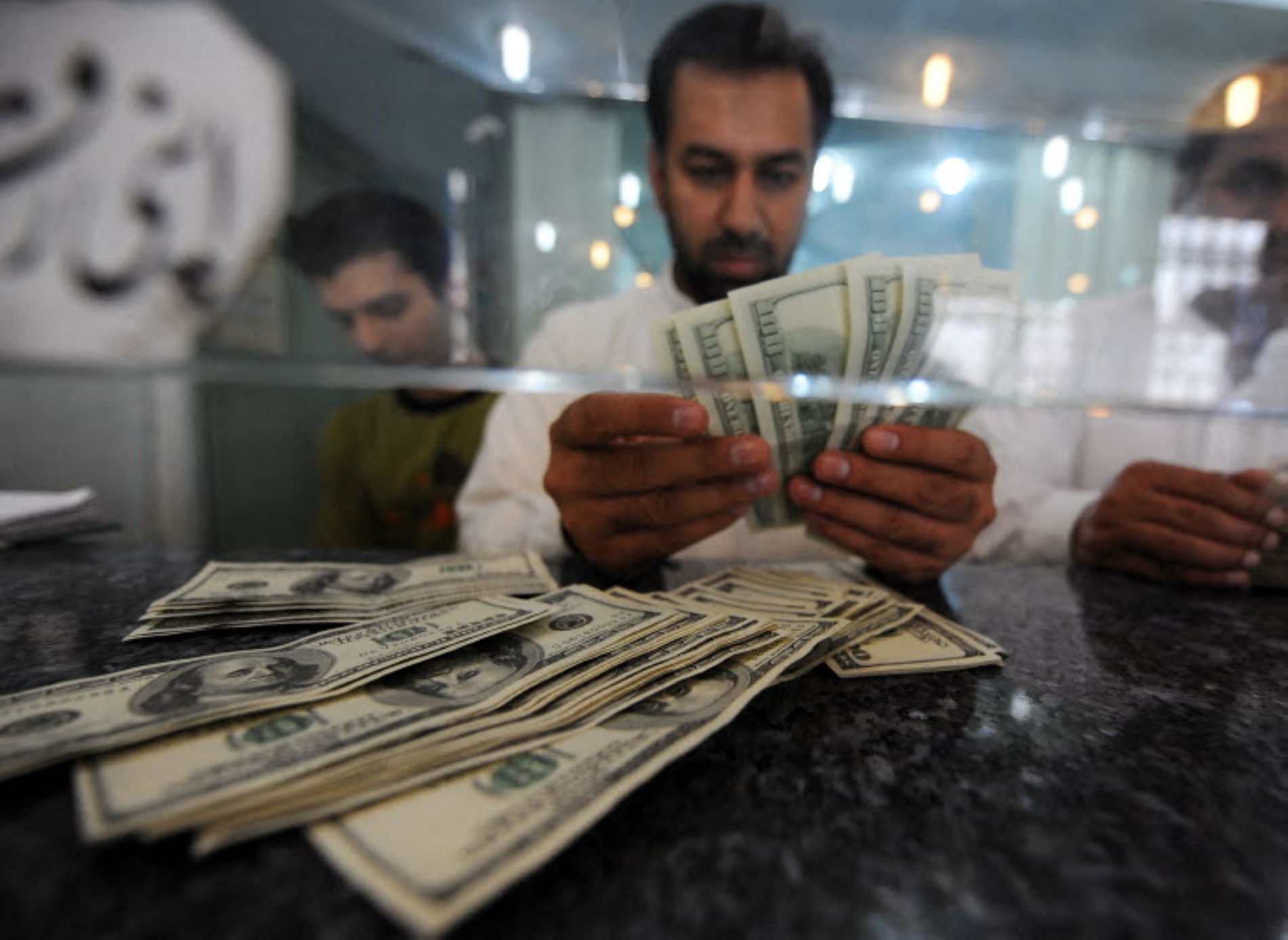
Across the Gulf, expats constitute an important source of income for their countries of origin, where their remittances account for a significant share of sovereign income in those states. In 2023, these were estimated to be worth more than $130bn. Expat fears over the US-Iran war of 2026, including its duration and consequences, are shared by their countries of origin, with several having made plans to evacuate their nationals from the Gulf if needed.
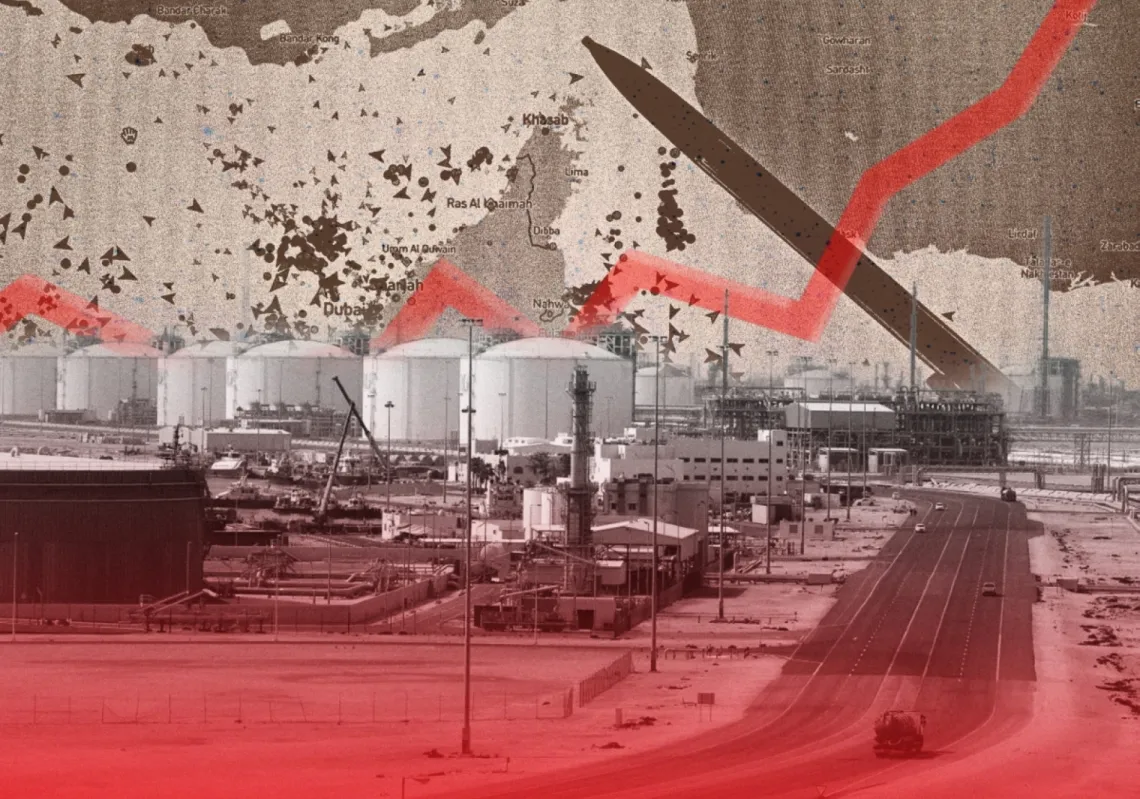
Expats are being reassured. Daily life in the region goes on, despite the damage inflicted on infrastructure from Iranian attacks and a limited number of deaths and injuries. For the Gulf states, that continuity relies on expats not returning to their countries of origin, not least because they will be needed to help repair damaged facilities once the bombing stops.