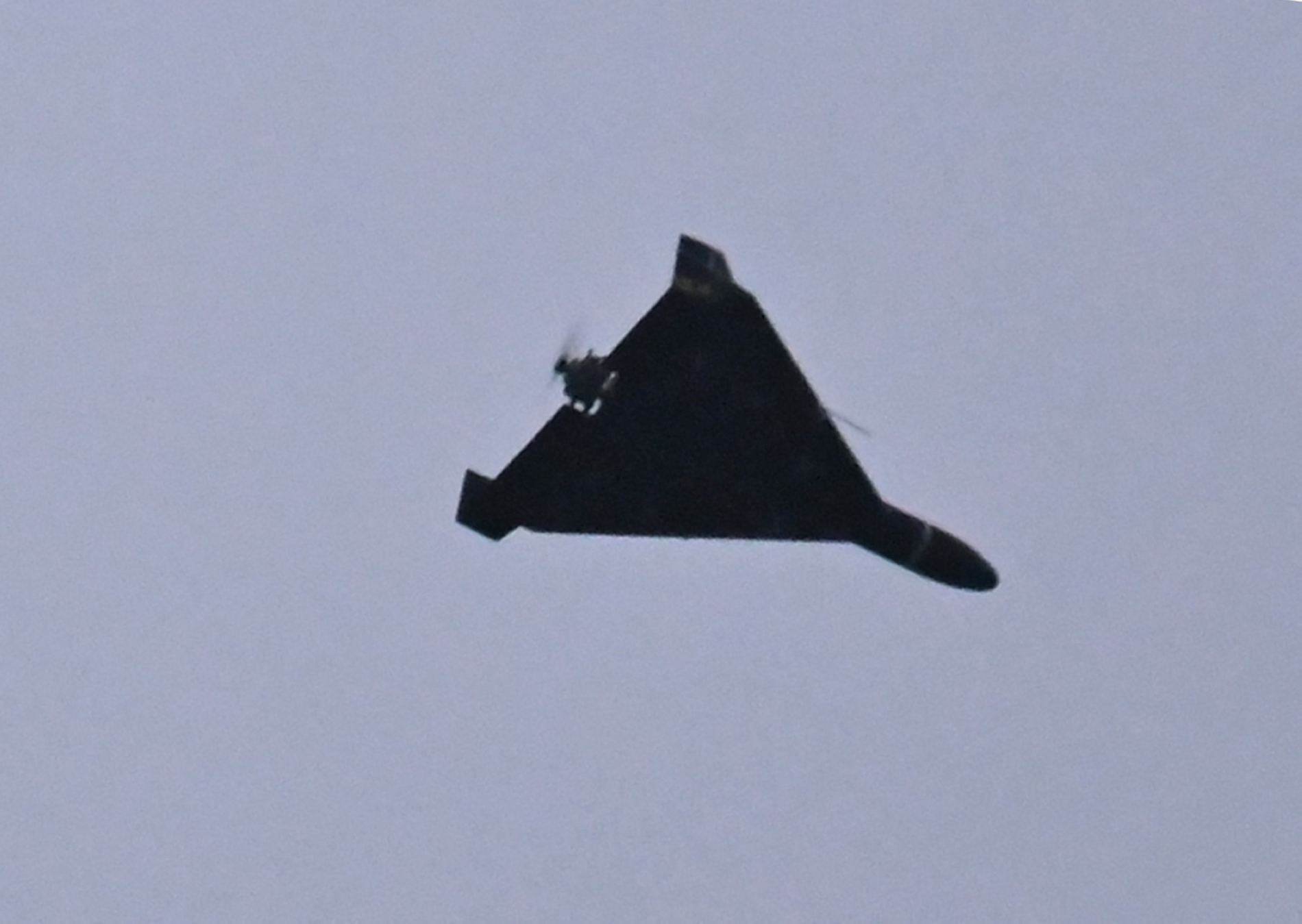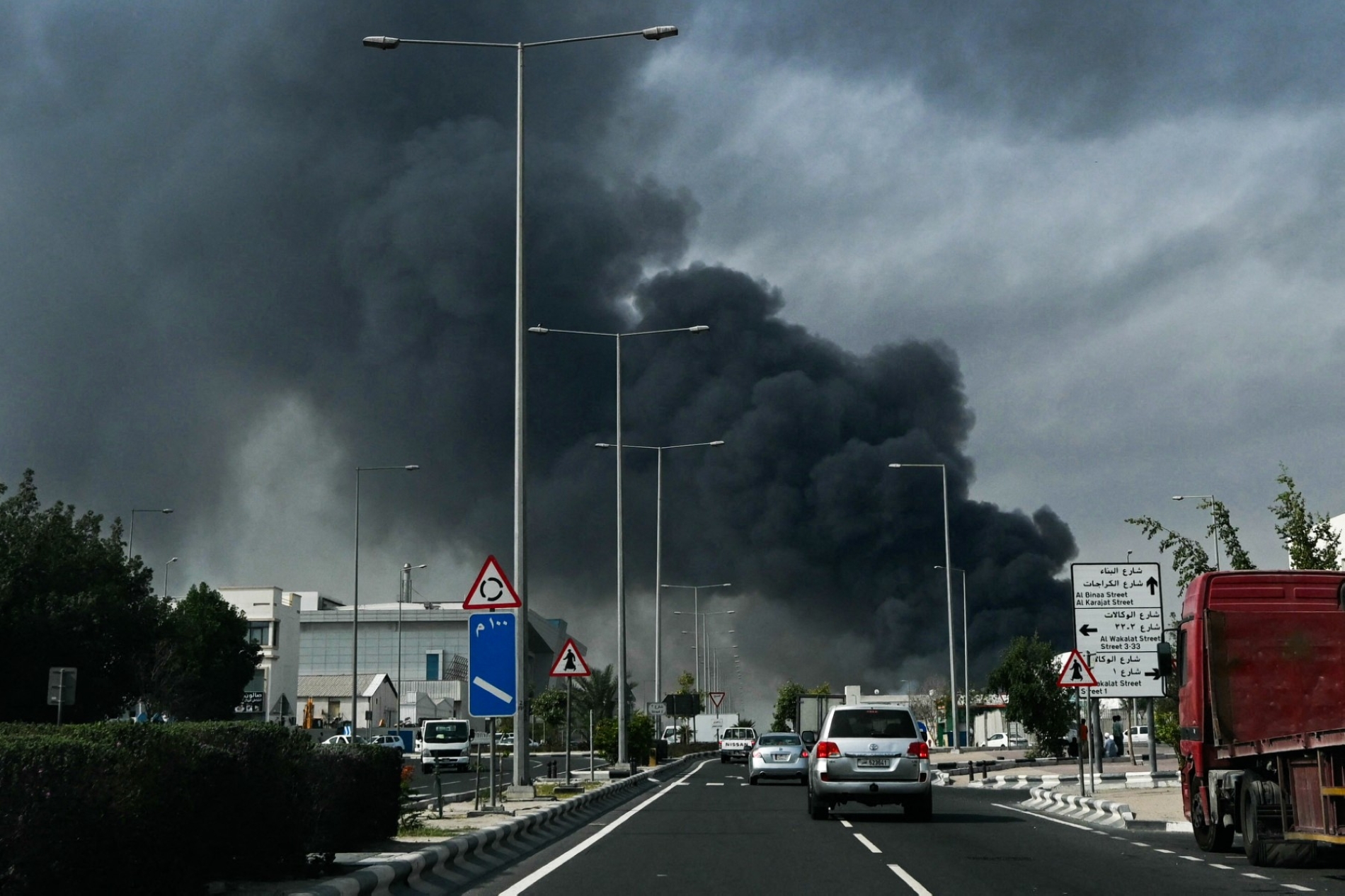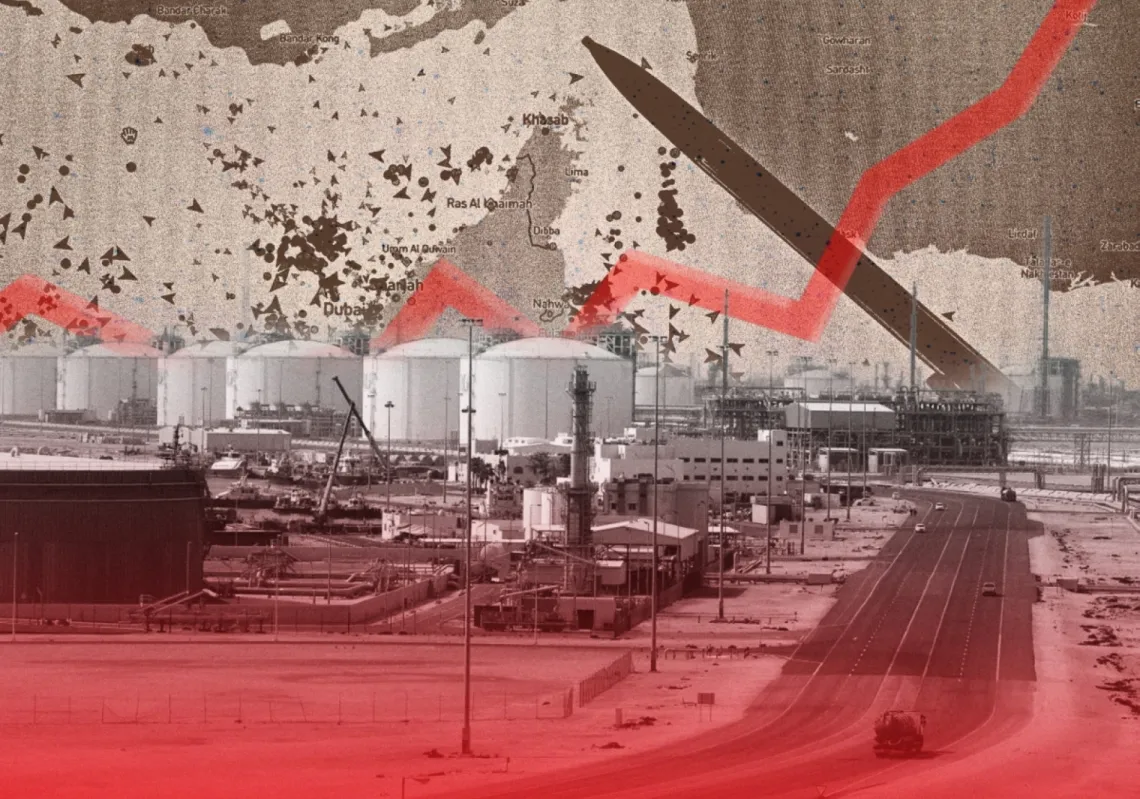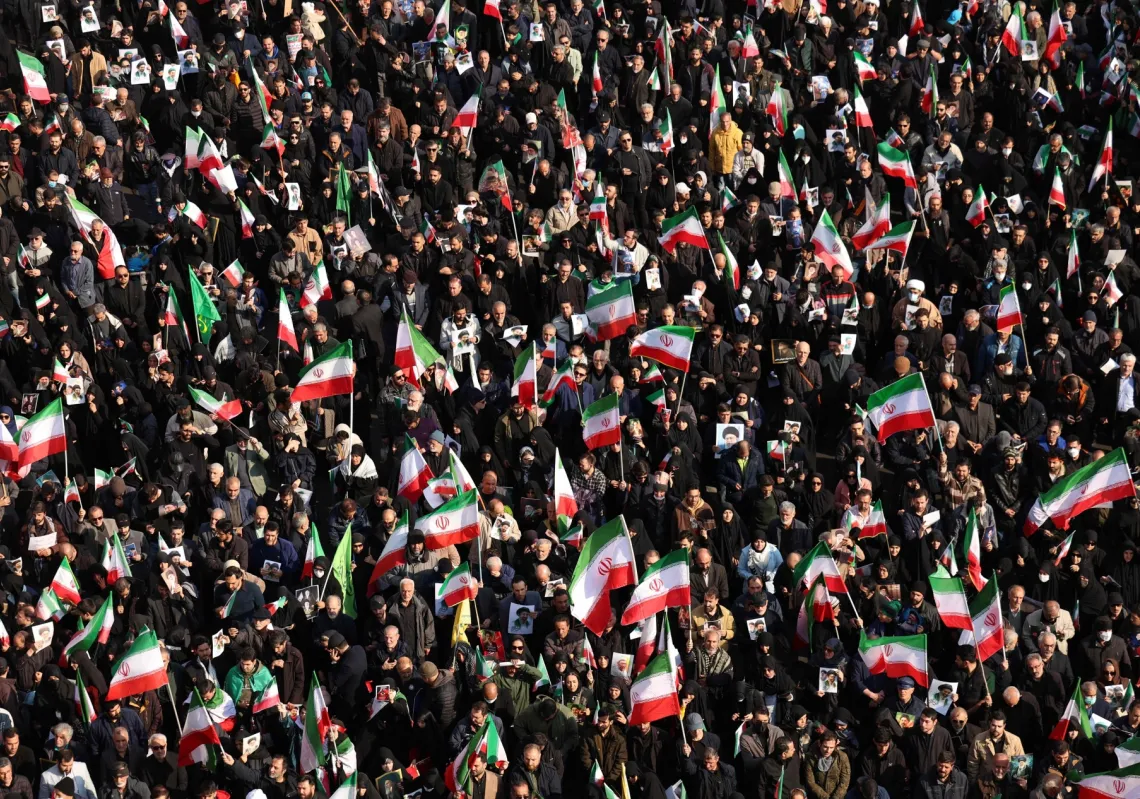

As Iranian Shahed drones continue to strike targets across the Middle East amidst the raging war with Israel and the US that has stretched regional air defences to their limits, Ukraine has quietly emerged as an unlikely but highly relevant source of expertise.
President Volodymyr Zelensky has announced that Ukrainian drone specialists will travel to the region to help Gulf states confront a threat that Kyiv knows intimately—one it has been forced to confront on a daily basis for the past four years.
Russia has used Iranian-made Shahed to attack Ukrainian cities since October 2022, with 55,000 drones launched in 2025 alone. Out of financial necessity and strategic urgency, Ukrainian engineers and military planners developed a family of cheap, fast interceptor drones that have fundamentally changed the economics of air defence, bringing the cost of an interception down from $4mn per Patriot missile to as little as $2,500.
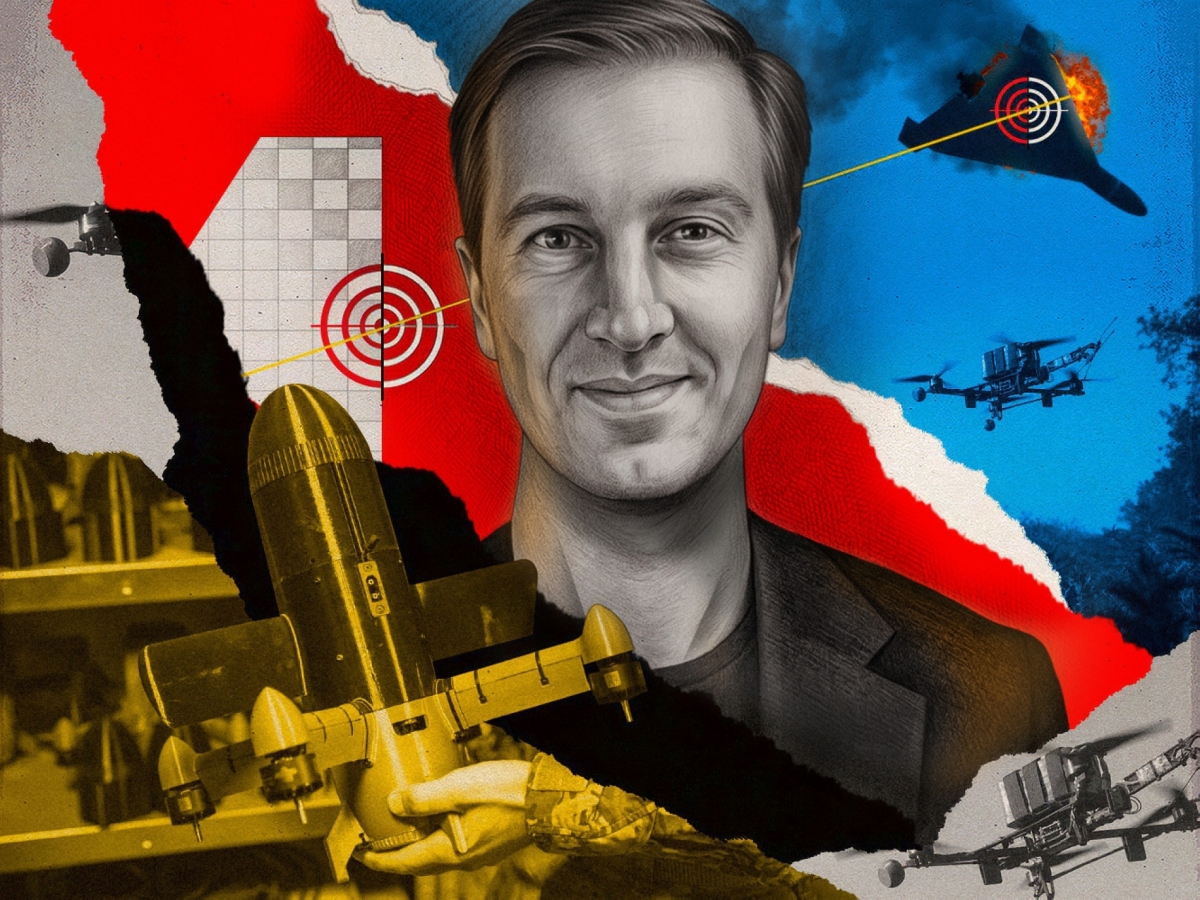
In this interview, Ivan Sputak, a former officer at Ukraine's main security and intelligence service, the SBU, explains to Al Majalla how that technology was developed, why it matters for the Gulf, and what the limits of airpower alone revealed during the US-Israeli war with Iran.
How did Ukraine become an expert in drone manufacturing, and how do your drones differ from others on the market?
To answer that properly, we need to go back to October 2022, when Ukraine first encountered the Shahed drone, called "Geranium" by the Russians. It is the same Iranian-made drone carrying a payload of 50 to 90 kilogrammes of explosive material, but the Russians tweaked it to maximise casualties among civilians and among pilots attempting to intercept them. We actually lost at least two Ukrainian F-16 pilots who were killed when the drones detonated, scattering debris through the air.
In the early stages, these drones appeared only a few times per week. We were intercepting them using whatever systems we had available—including the Patriot system with PAK-2 and PAK-3 missiles. At that point, cost was not a consideration; we simply needed to stop the drones from reaching our power grid, heating infrastructure, and civilian areas.
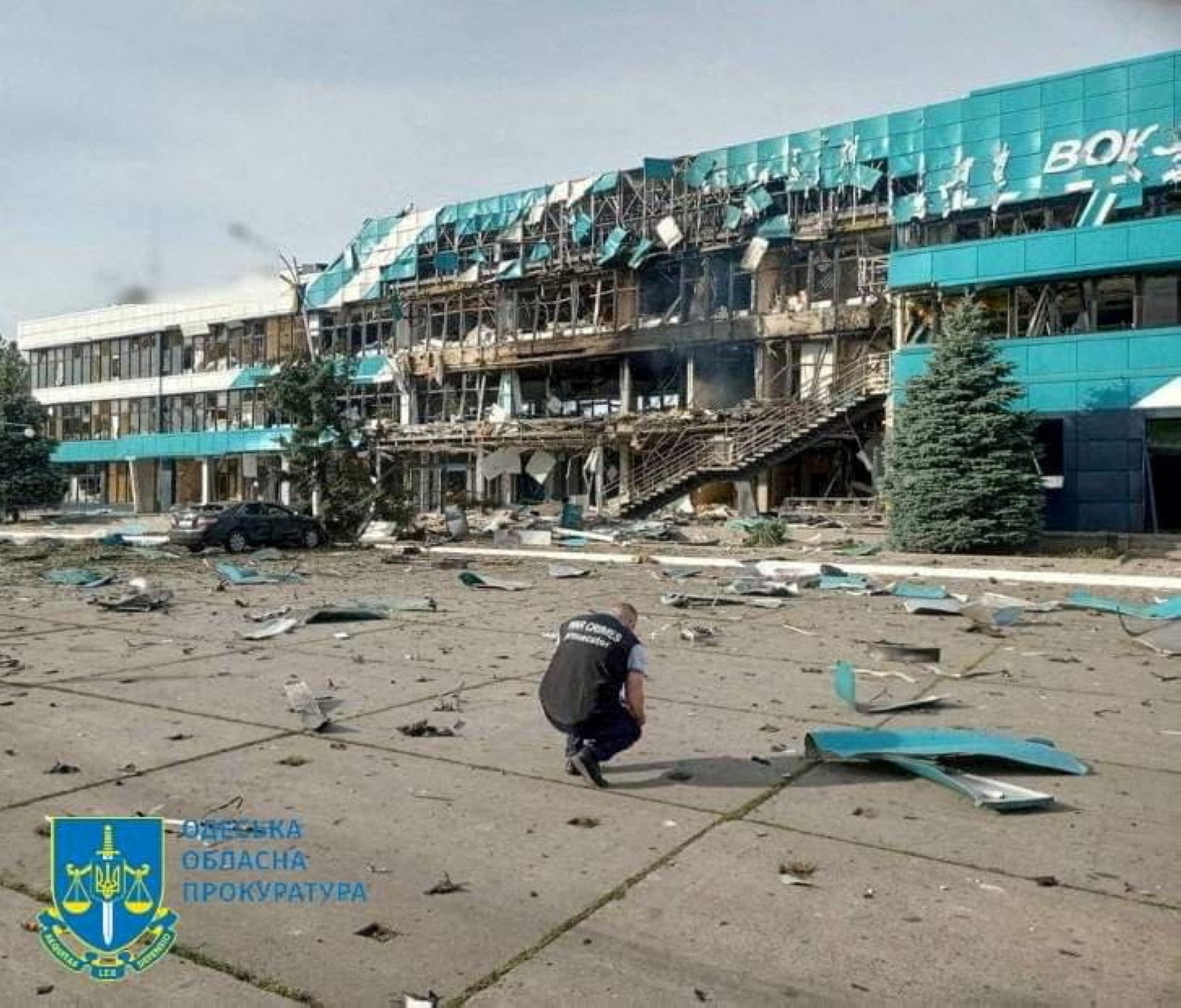
But within a few months, we understood that Patriot missile production capacity is extremely limited— globally, only around 800 missiles are produced per year. Meanwhile, in 2025 alone, Russia launched approximately 55,000 drones over Ukrainian territory —roughly 4,500 per month. Many of them are decoys, carrying no explosives, designed purely to exhaust our air defence systems. The ones that follow are the real threat.
By 2023, it became clear we needed an entirely new solution. Our first response was to deploy mobile fire teams—small groups in pickup trucks equipped with machine guns and powerful spotlights, trying to intercept drones at night.
The problem was that Russia adapted quickly, painting the drones black to make them harder to spot. We then built a wide sensor and radar network to detect incoming threats earlier. But even that was not enough when drones were arriving in waves of dozens at a time, especially in rain, strong winds, or snow, when thermal detection equipment proved unreliable.
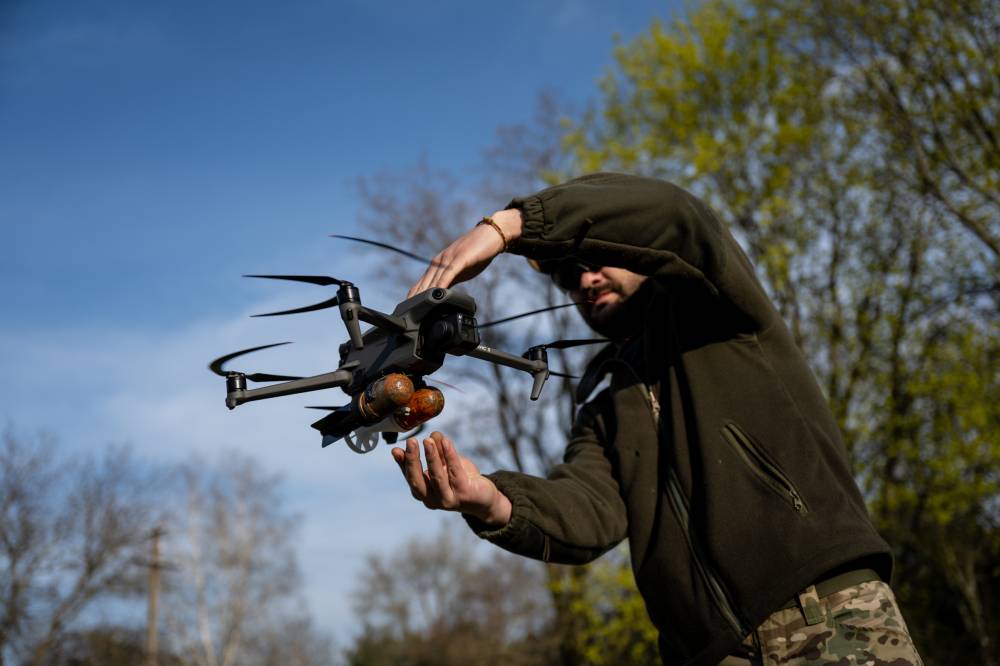
The final solution was the development of what we call bullet interceptor drones—known under various names: PS-1, Sting, Sakura, Octopus. The design concept was inspired by the FPV racing drones used to film Formula One races in places like Saudi Arabia, Bahrain, and Monaco—drones that can fly at over 250 kilometres per hour and track fast-moving cars on the ground. Ukrainian engineers adapted this concept, fitted the drones with a small explosive charge, and put them to use against the Shaheds.
Today, these interceptor drones can reach speeds of up to 300 kilometres per hour, though only for about 15 minutes of flight time. Operators receive targeting data—incoming drone bearing, altitude, speed, and projected course—and launch the interceptor to close the gap. Using dedicated software, the interceptor tracks the Shahed and strikes its rear section, where the engine fan is located. A small explosion is typically sufficient to bring it down.
The current intercept ratio is approximately four Ukrainian drones per one Shahed, and in the worst cases, up to ten. But the economics are decisive: one interceptor drone costs between $2,500 and $5,000, compared to $4mn per Patriot missile. There is simply no comparison.
What is the current kill rate of the bullet interceptors against the Shahed drones?
According to Ukraine's top military command, during the winter months, approximately 70% of Russian Shahed drones targeting Kyiv were destroyed by our Sting interceptors. The remaining threats were handled by a combination of electronic warfare— jamming the drones so they lose course and fall harmlessly into lakes or forests—and the mobile fire teams, who continue to operate alongside the newer systems. So the Sting drones are now our primary line of defence, accounting for the majority of successful intercepts.
Could this technology be scaled up and exported to Gulf countries?
Without question, yes. Let me explain how I see this practically. President Zelensky has proposed a deal in which Ukraine would supply Gulf countries with interceptor drones in exchange for Patriot PAK-3 missiles. Honestly, that is not a realistic arrangement. Gulf countries need those missiles for their own defence, and no one is going to trade them for drones. That idea is a dead end.