How Japan’s prime minister will use her massive new mandate

A remarkable election victory that will reshape Japanese politics for years to come

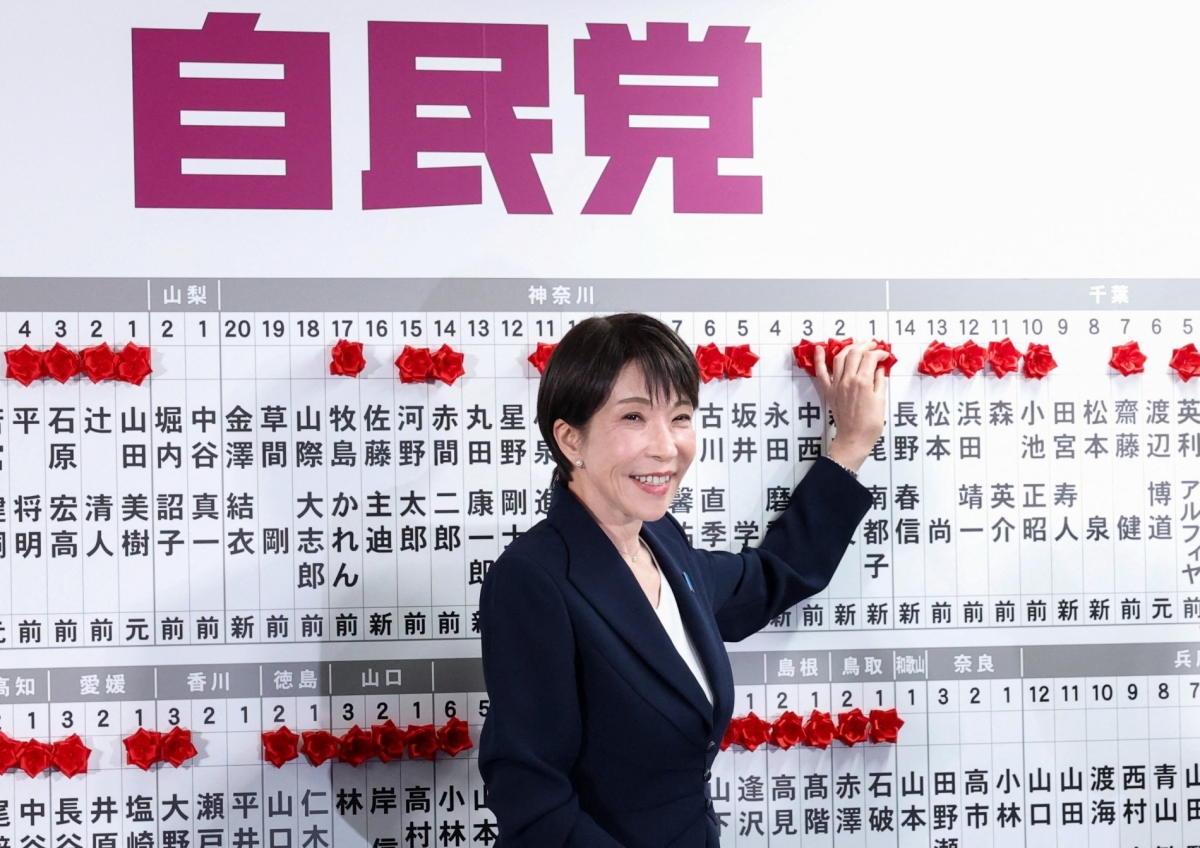
Japan's Prime Minister Sanae Takaichi, leader of the ruling Liberal Democratic Party (LDP), places a red paper rose on the name of an elected candidate at the LDP headquarters on general election day in Tokyo on 8 February 2026.
REUTERS/Kim Kyung-Hoon
Japan's Prime Minister Sanae Takaichi, leader of the ruling Liberal Democratic Party (LDP), places a red paper rose on the name of an elected candidate at the LDP headquarters on general election day in Tokyo on 8 February 2026.

How Japan’s prime minister will use her massive new mandate

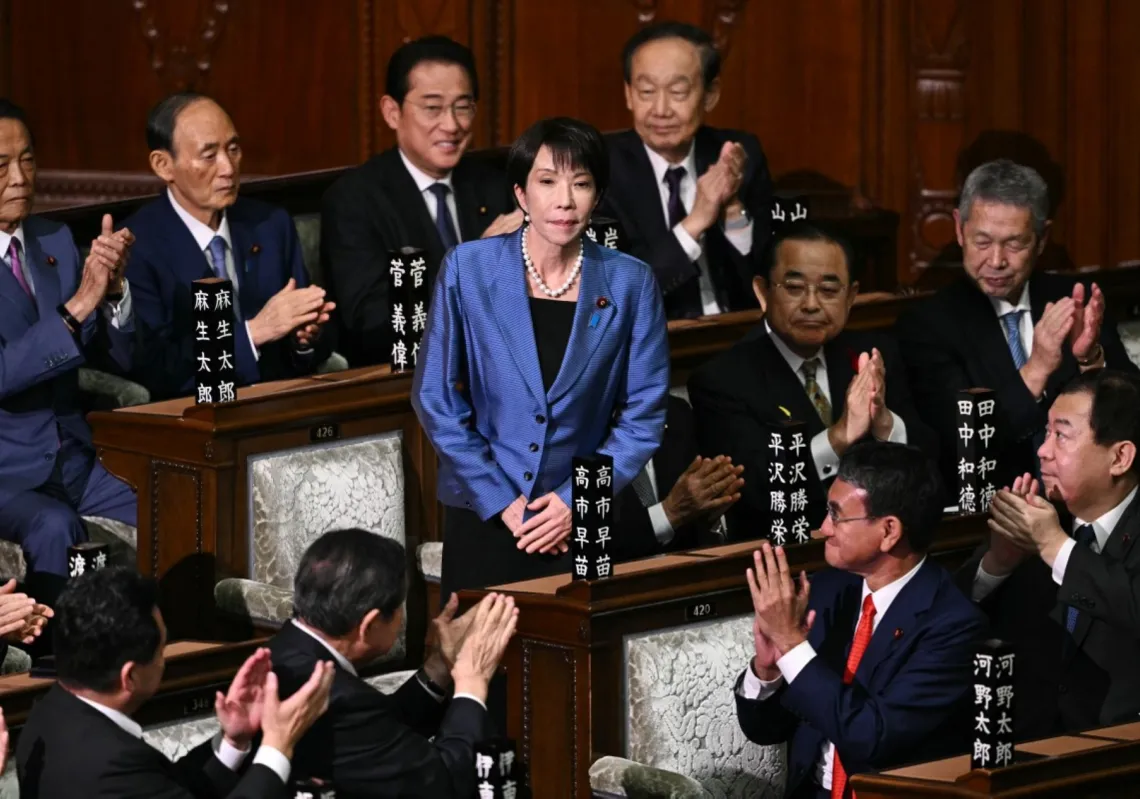
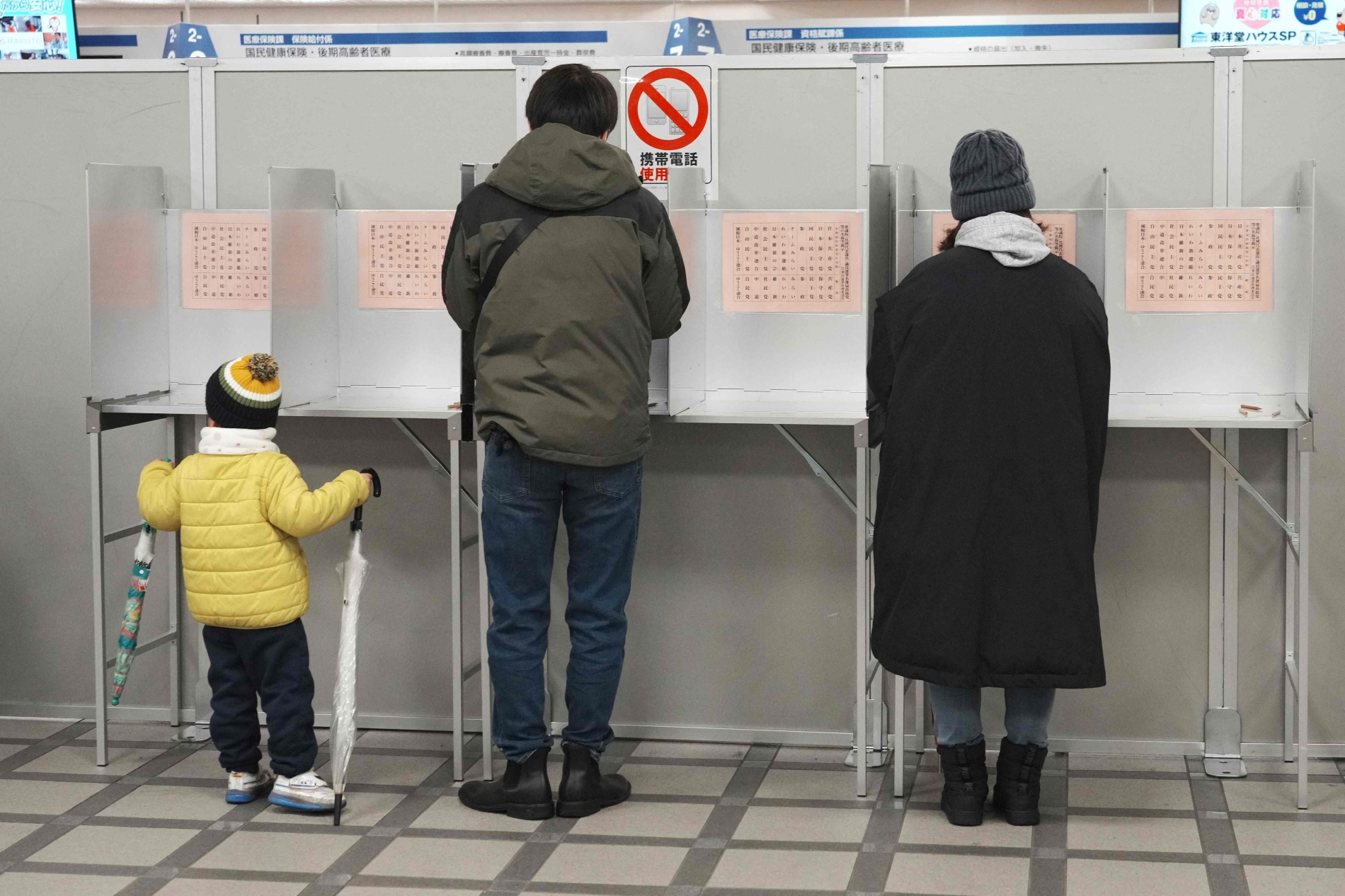
Takaichi Sanae gambled her position as Japan’s prime minister by calling a snap election. Her bet has paid off. The ruling Liberal Democratic Party (LDP) triumphed on 8 February. The LDP won a commanding two-thirds supermajority in parliament’s powerful lower house, even without the support of its coalition partner. The result gives Ms Takaichi, who is both a fiscal dove and a security hawk, a massive mandate, while marking the LDP’s return to unquestioned dominance in Japanese politics.

Such a resounding victory was hardly guaranteed. Although Ms Takaichi herself has been unusually popular since taking office last October, her party remained far less so. The result shows that Ms Takaichi’s personal appeal is a potent force. Together with its partner, the Japan Innovation Party (Ishin), and several allied independents, the LDP’s ruling coalition entered the election with 233 seats in the 465-seat chamber, for a majority of just one. They have secured 352. The LDP also benefited from the collapse of the mainstream left-of-centre opposition: the Centrist Reform Alliance (CRA), formed by the merger of two long-standing parties, lost more than half of the total seats they had held heading into the election. While several smaller upstart parties secured footholds in the Diet, none is strong enough to challenge the LDP.
Yuichi YAMAZAKI / AFP
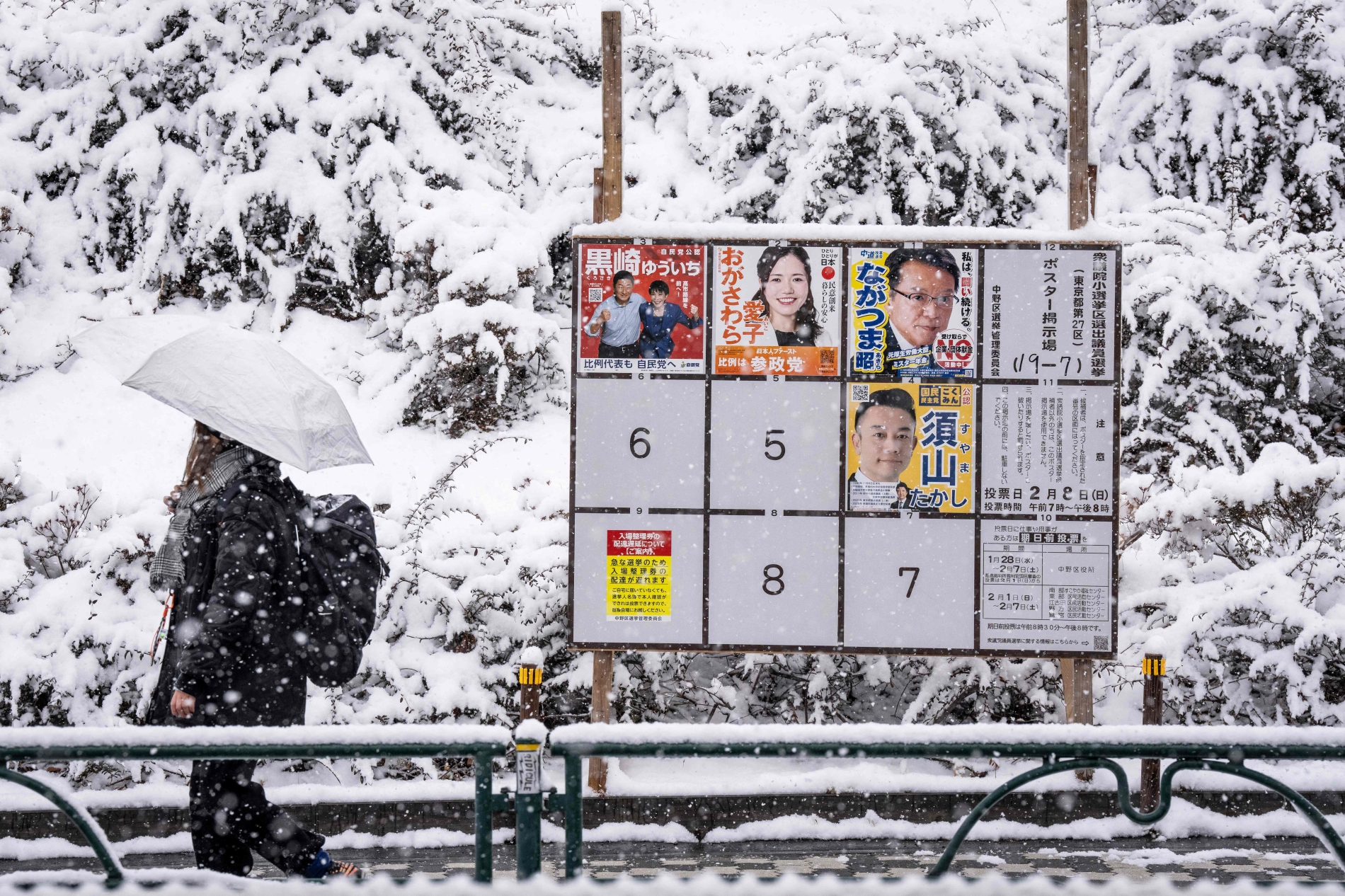
A woman walks past a board displaying posters of candidates for the House of Representatives election during a snowfall in Tokyo on 8 February 2026.

The LDP has lost power only twice since its foundation in 1955. Following a turbulent period of opposition rule in 2009-12, the party reclaimed its dominance under Ms Takaichi’s mentor, Abe Shinzo, the prime minister until 2020. But in recent years, it has stumbled from scandal to scandal; in the two most recent elections, an upper-house contest last summer and a lower-house vote in October 2024, the party lost its majorities, leaving it leading a minority government. The LDP turned to Ms Takaichi as party leader in October. She brought in Ishin as a new partner, producing a slender majority.

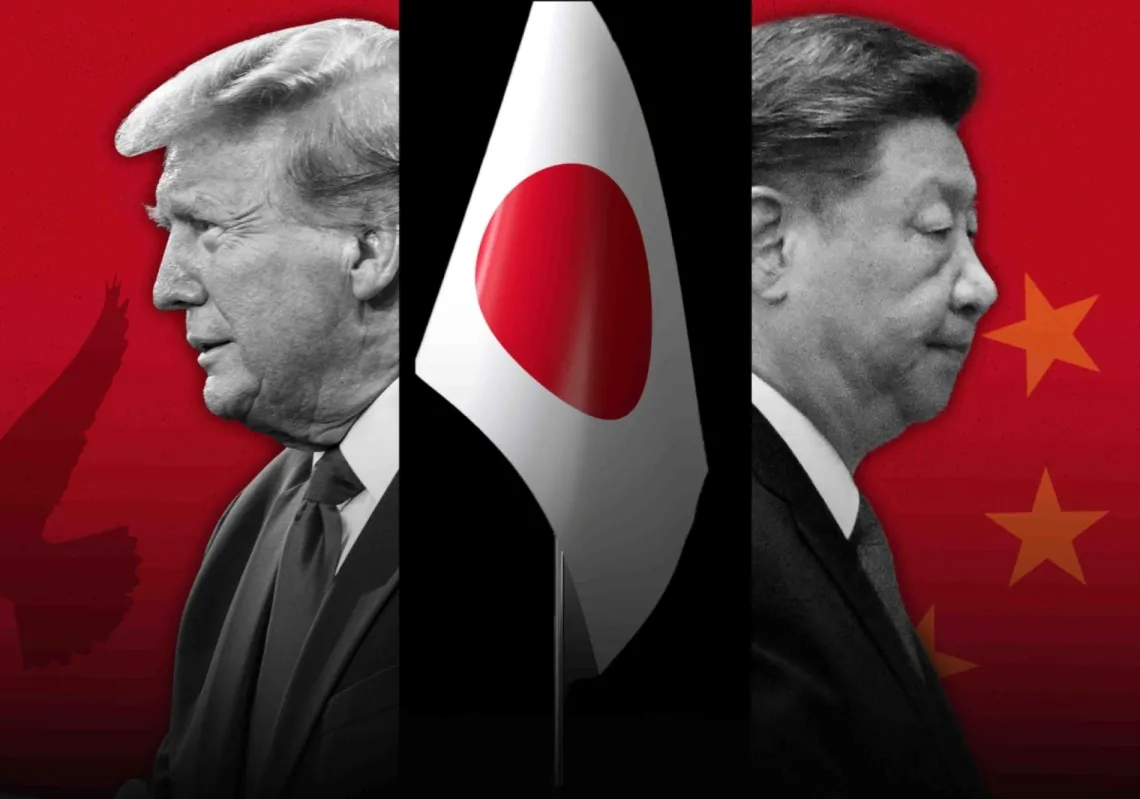
Ms Takaichi has appealed to voters eager for change, or at least the appearance of it. The country's first female prime minister, she has cut a welcome contrast to previous ones, thanks to her middle-class upbringing and plain-spoken style. A former heavy-metal drummer, she has performed confidently on the world stage, including with Donald Trump, the leader of Japan's most important ally. (Mr Trump endorsed Ms Takaichi ahead of the election.) A diplomatic spat with China helped her to consolidate support at home. Her big-spending pledges have at times caused bond markets to shudder, but tend to appeal to voters.
Sanae wants to spearhead more reforms to strengthen Japan's armed forces and security apparatus

On the campaign trail, Ms Takaichi electrified audiences. She lived up to her pledge to "work, work, work, work, work": during the 12-day election period, she covered more ground than any other party leader, racking up 12,480km, according to a tally by Yomiuri, a newspaper. She also dragged her fusty party into the digital era, becoming a force on social media. The hastily-assembled CRA, meanwhile, failed to inspire. Combining the Constitutional Democratic Party (the successor to the country's historic main centre-left outfit, the Democratic Party of Japan), and the LDP's former coalition partner, Komeito, produced a muddle rather than synergy. Online, the party acquired the unflattering nickname "5G", a play on the Japanese word for "old man", oji-san, in reference to the fact that its top leaders were all older male political dinosaurs.

The remarkable election result will reshape Japanese politics for years to come. The leaders of the CRA will probably resign; whether the alliance itself survives remains unclear. Smaller leftist parties also suffered big losses, suggesting that voters see their ideological pacifism as out of step with today's turbulent world. Upstart parties have proven more dynamic than the traditional opposition. The far-right Do It Yourself party (Sanseito) picked up a handful of seats, albeit fewer than they had targeted. Team Future (Mirai), a techno-optimist party founded in May, was a surprise breakout, emerging as an alternative for many independent voters and winning 11 seats.

Kazuhiro NOGI / AFP

With its imposing new majority, the LDP will be able to ignore opposition sniping. Ms Takaichi will emerge from the election stronger and bolder. Potential challengers inside the party will fall silent, leaving her to rule for the foreseeable future. With a supermajority in the lower house, the ruling coalition will be able to control the legislative process, as it can override the more fractious upper house (where it lacks a majority).

Ms Takaichi can also pursue her preferred policies. She has pledged a "responsible and proactive fiscal policy", including a temporary two-year cut to the consumption tax for food and big investments in industrial policy to support critical industries. She also wants to spearhead more reforms to strengthen Japan's armed forces and security apparatus. She has called for lifting restrictions on arms exports to help boost Japan's defence industry; she favours the creation of a new national intelligence agency. The fly in the ointment? Though Ms Takaichi has made quick work of her domestic political foes, other adversaries, from bond market vigilantes to her counterparts in Beijing, will not prove so easy to overcome.

font change

Related Articles