Kevin Warsh: Jerome Powell's successor at the Fed

As US monetary policy enters a new phase and amid White House pressure for the Fed to lower interest rates, a trusted Wall Street insider with government experience has been asked to step up.

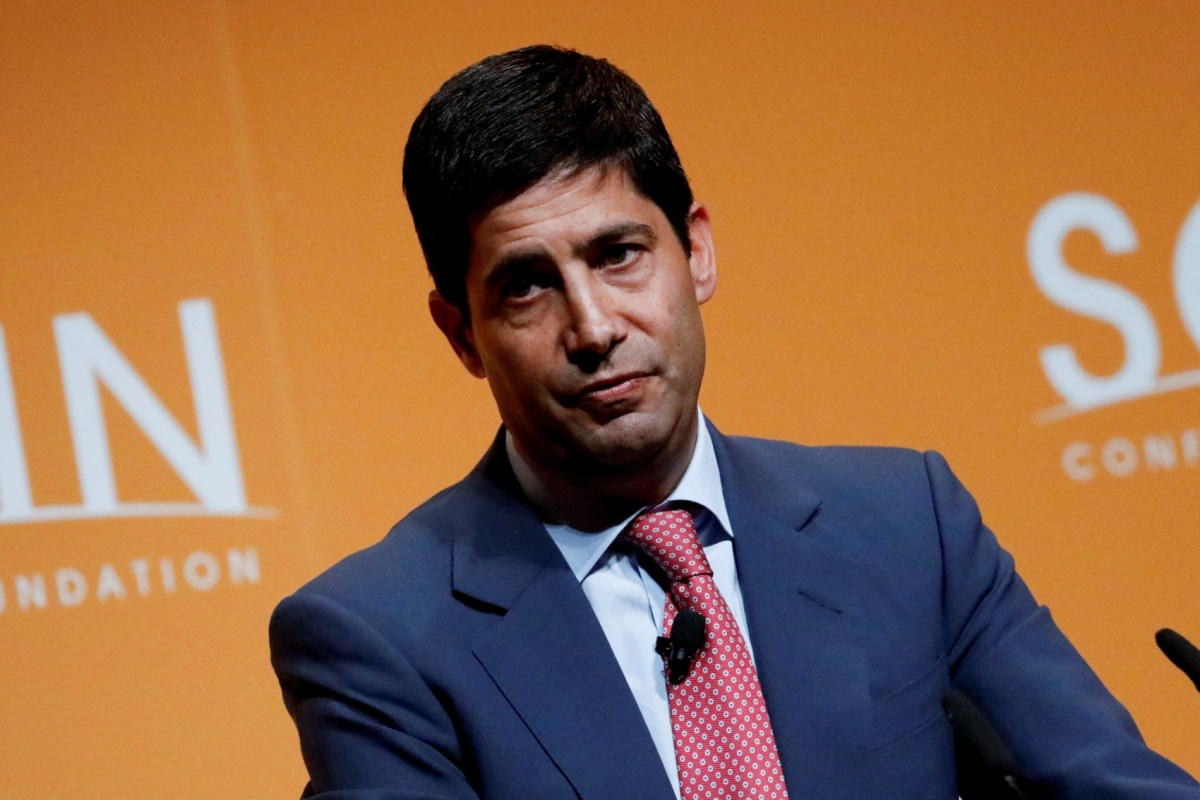
Kevin Warsh lectures at Stanford University School of Business, New York, on 8 July 2017.
Reuters
Kevin Warsh lectures at Stanford University School of Business, New York, on 8 July 2017.

Kevin Warsh: Jerome Powell's successor at the Fed

To say there is no love lost between US President Donald Trump and outgoing Federal Reserve chair Jerome Powell is to understate the case, but in May their fractious working relationship will end when Trump appointee Kevin Warsh takes over at the Fed, assuming he gets Senate approval.

Trump has accused Powell of dragging his feet on interest rate cuts and of clinging to policies that stifle growth, but Trump looks at it from a political angle, whereas Powell is paid to look at things from an economic standpoint. Tension is added because the mid-term elections are approaching, and Americans are still struggling with the cost of living, which Trump knows will hit the Republicans at the ballot box.

Despite a partial recovery in the labour market, Trump insisted that Powell’s monetary policy was blocking his economic agenda. By now, Powell is used to his swipes. Trump has denigrated the Fed chair in the media, suggesting he step down several times. Warsh, who is respected on Wall Street, is the president’s chosen successor, one with financial expertise, political instinct, and the ability to align the Federal Reserve more closely with Trump’s economic priorities.

Bessent's pick

Warsh is an insider. A former Federal Reserve board member, he has a strong academic record, deep experience in financial markets, and close ties to business leaders and Republicans. US Treasury Secretary Scott Bessent oversaw the search for Powell’s successor, shortlisting Warsh and three others: Kevin Hassett, head of the White House National Economic Council; Christopher Waller, a Fed governor appointed by Trump in 2020; and Rick Rieder, a senior executive at BlackRock.

Once in post, Warsh would be independent, so could raise interest rates or keep them at their current levels, if he chose. At Davos, Trump expressed frustration with this, explaining how candidates “say everything I want to hear, and then they get the job, locked in... It’s amazing how people change once they have the job. It’s too bad. It’s sort of disloyalty. But they’ve got to do what they think is right”.

Warsh is seen as a leading figure in traditional Republican economic and financial circles. He spent 25 years at Morgan Stanley in New York, joining in 1995 before becoming a director of mergers and acquisitions. From 2002-06, he was an economic advisor to President George W. Bush at the National Economic Council. His portfolio covered domestic finance, banking regulation, securities policy, and consumer protection.

Bush nominated Warsh for the Fed’s board in February 2006, which drew criticism because Warsh was then only 35. He stepped down in 2011 following the shift toward a second round of quantitative easing, after the completion of the initial securities purchase programme and a return to more normal market conditions. He warned that further purchases risked fuelling inflation and undermining financial stability. Instead, he urged tax and regulatory reform to lift productivity and growth.
AP
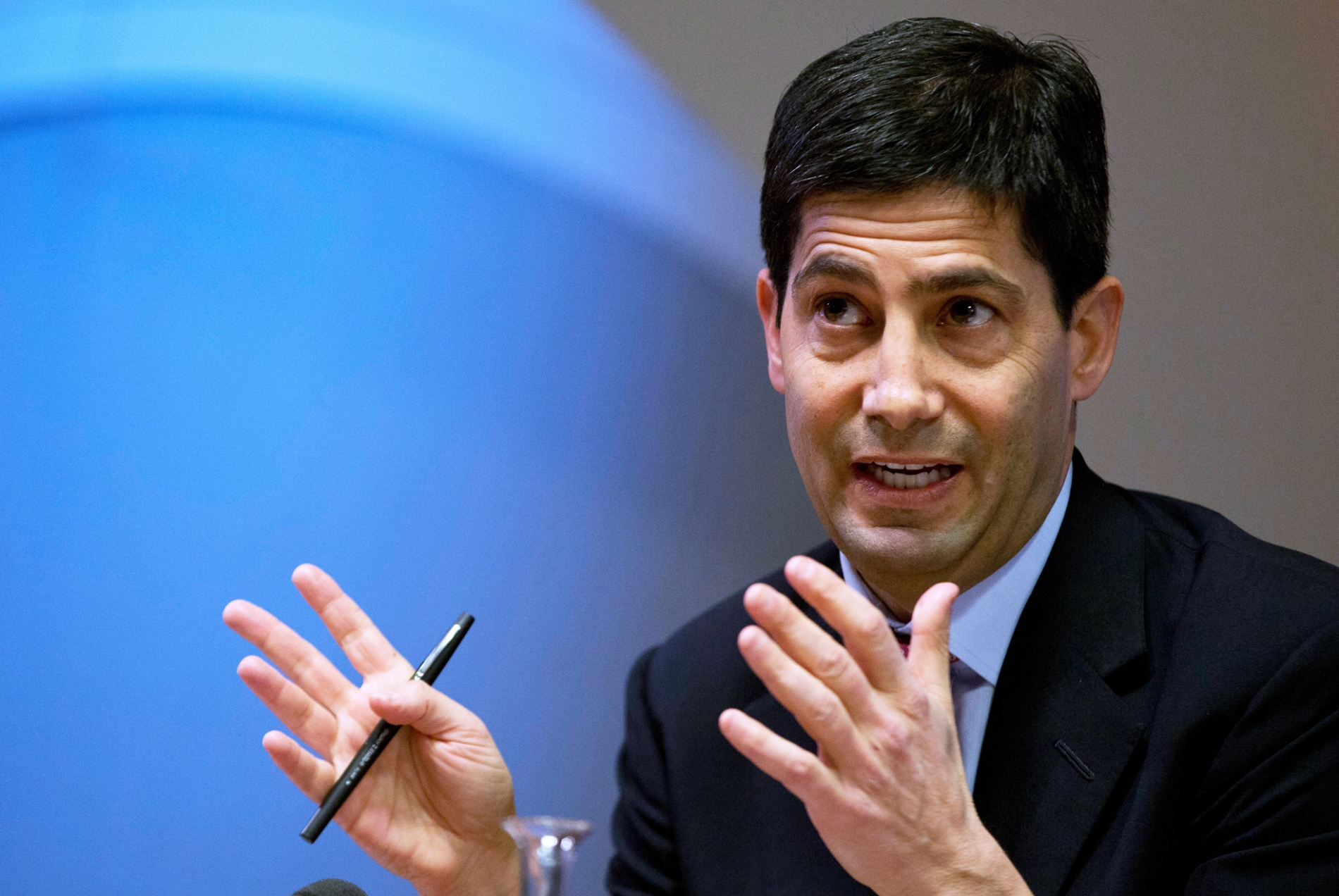
Newly appointed Federal Reserve Chairman Kevin Warsh, who still needs congressional approval, speaks to the media at the Bank of England, London, 11 December 2014.

Using his connections

Well before the 2008 financial crisis, Warsh warned colleagues at the Fed that the financial system was facing a severe capital shortfall. At a Board meeting on 18 March 2008, he said the investment banking model was under threat and unsustainable. During the crisis and its aftermath, he was a key conduit between Fed chair Ben Bernanke, policymakers in Washington, and Wall Street.

Drawing on his Morgan Stanley background, Warsh offered critical insight into market conditions and helped shape efforts to support mergers, resolutions, and the orderly wind-down of troubled banks and institutions. He also represented Bernanke at the G20, later returning to Morgan Stanley as vice chair and has more recently lecturing at Stanford’s business school.
Warsh has been touted as a possible Fed chair for years. He is married to Jane Lauder, an heiress to the Estée Lauder fortune.

He is a member of the Group of Thirty (an economic and financial consultative group), serves on the Congressional Budget Office's panel of economic advisers, and previously sat on the steering committee of the Bilderberg Group, which organises an annual, private conference of Western business, military, and political leaders.

Warsh has been touted as a possible Fed chair for years, and his connections extend to family life. He is married to Jane Lauder, an heiress to the Estée Lauder fortune. His father-in-law, Ronald Lauder, is a big Republican donor, a longstanding supporter of Israeli Prime Minister Benjamin Netanyahu, and a childhood friend of Trump's. According to The Guardian, it was Lauder that planted the idea of annexing Greenland in Trump's mind, aligning with Lauder's commercial interests.

TAYLOR HILL / AFP
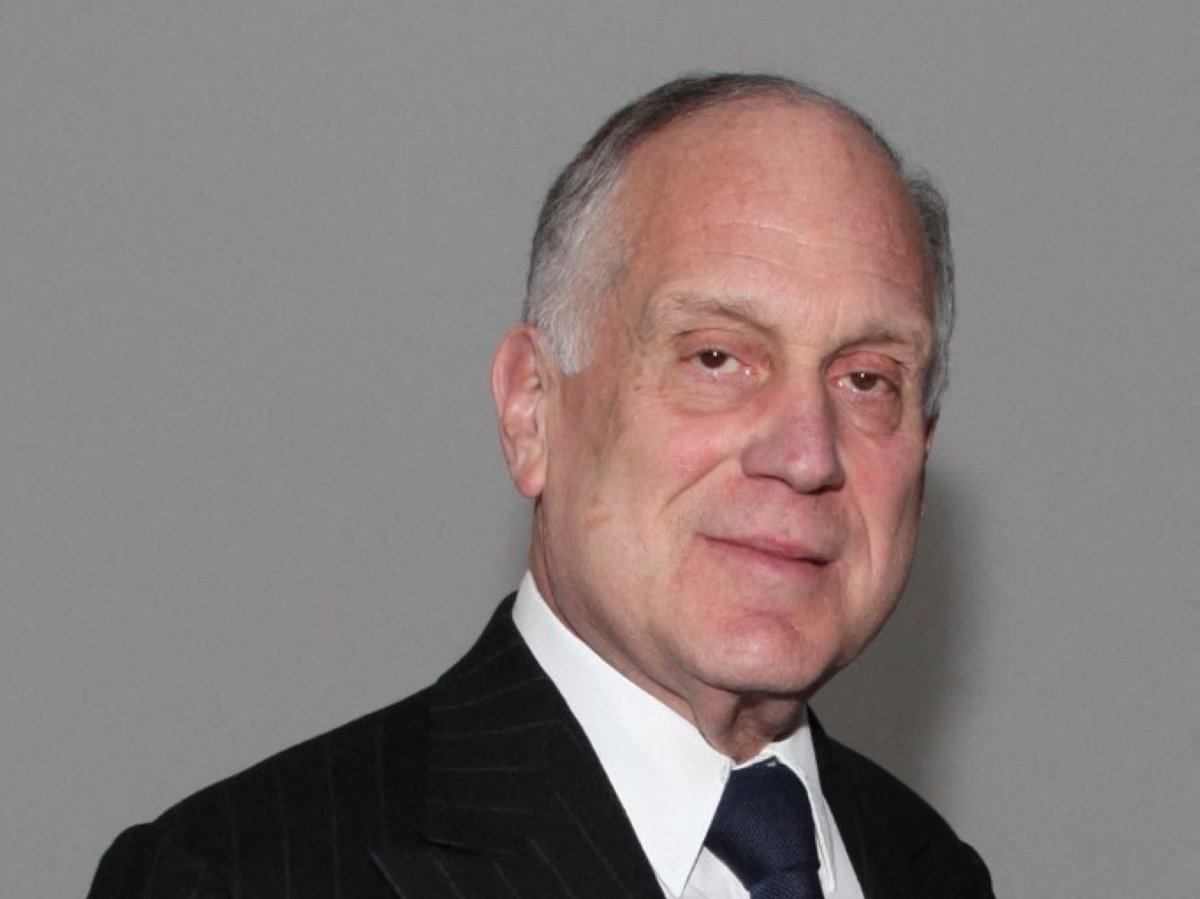
World Jewish Congress president Ronald S. Lauder attends the "Follow Me The Yoni Netanyahu Story" screening at The Museum of Modern Art on 29 April 2012, in New York City.

Announcement reaction

When news of Warsh emerged, the markets reacted favourably. The dollar and US Treasury yields climbed, while prices for gold, silver, and Bitcoin fell sharply, as investors welcomed the pending change. Warsh was regarded as hawkish during his tenure at the Fed from 2006-11.

His defence of Trump's policies in 2025 is seen by some as tactical, rather than ideological, based on the argument that it could allow the US to outpace other major economies. He has backed interest rate cuts and criticised the Fed's leadership for misreading inflation, attributing it to excessive growth and rising wages rather than to unchecked government spending.

If confirmed, Warsh may not be a compliant instrument of Trump's agenda once in office, since it is unclear whether he would compromise the independence of the Federal Reserve. Trump has kept the faith. "I have known Kevin for a long period of time and have no doubt that he will go down as one of the GREAT Fed Chairmen, maybe the best," the president wrote on social media. "On top of everything else, he is 'central casting,' and he will never let you down."

That view was echoed by Canadian Prime Minister Mark Carney, a former governor of both the Bank of Canada and the Bank of England, who described Warsh's nomination as an "excellent decision," citing his longstanding familiarity with Warsh's academic credentials and professional track record.

AFP
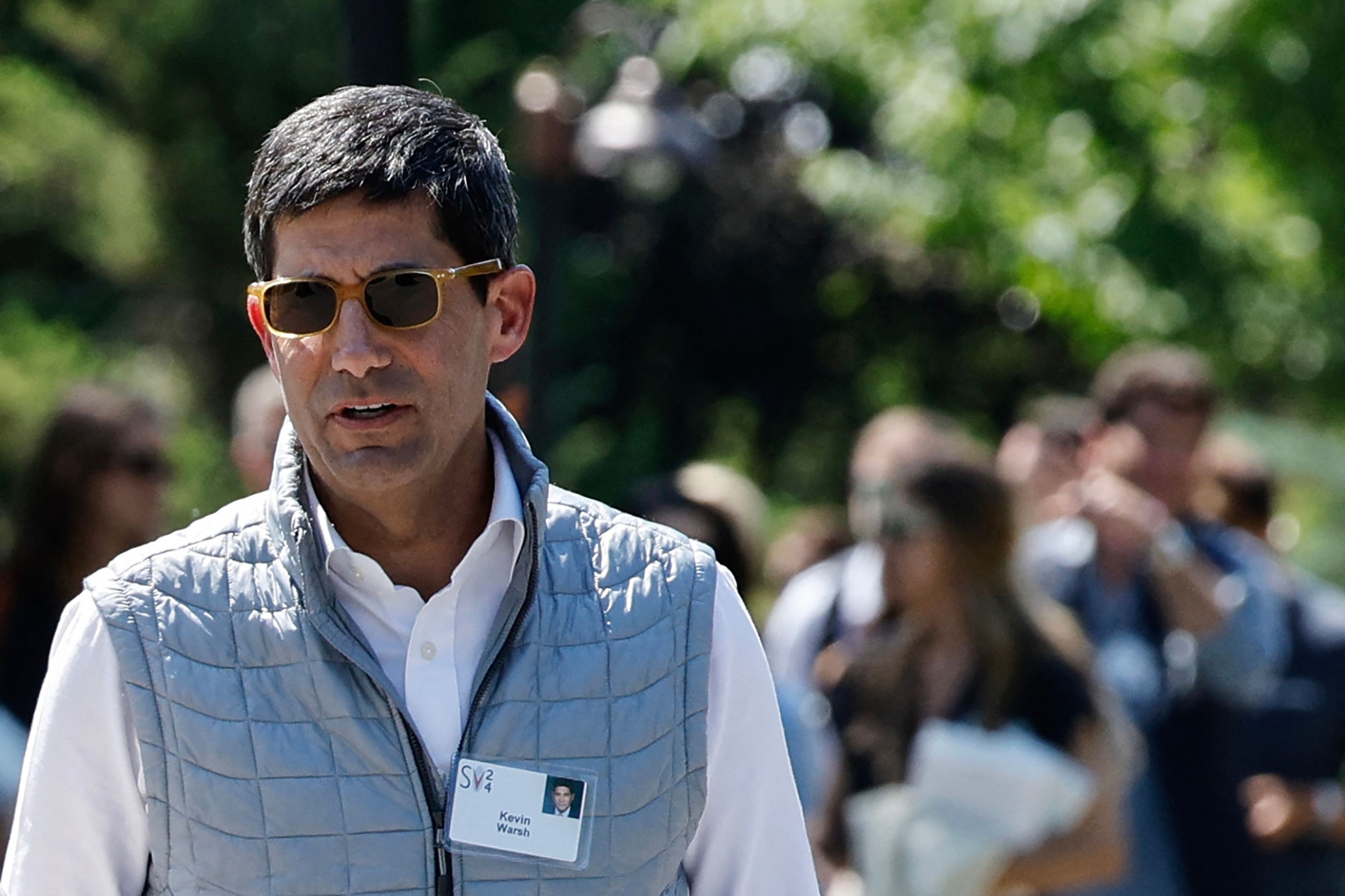
New Federal Reserve Chairman Kevin Warsh, whose appointment still requires congressional approval, at a financial conference in Idaho on 10 July 2024.

Chance for change

The Fed's goals are maximum employment and stable prices, but Trump wants lower prices and laid out his expectations for Warsh with bluntness, saying he would need to push interest rates down to around 1% (they are currently 3.75%). In Trump's view, this is costing the country hundreds of billions of dollars a year in unjustified expense, and he pointedly suggests that Warsh follow his direction.

Warsh set out why he backed rate cuts in 2025 (to prevent further weakening in the labour market), and once in place, he is expected to reassess orthodox central banking doctrine. This stems from his contention that the Fed has evolved into an institution whose reach now exceeds its control, pointing to the extraordinary support measures rolled out during the pandemic in 2020 and the bank rescues of 2023.

He has criticised the concepts of data dependence, short-term forecasting, and forward guidance, and advocates the shrinking of the Fed's swollen $2tn balance sheet, redirecting the kind of crisis-era support given to banks, with a view to lowering interest rates, bolstering households and small and medium-sized enterprises (SMEs) without stoking inflation.

Balancing act

He cannot be too headstrong. Much of the Fed's balance sheet is made up of mortgage-backed securities, and any attempt to accelerate their disposal would almost certainly drive mortgage interest rates higher. At the same time, an aggressive balance sheet contraction in 2026 risks destabilising financial markets, which would not help the Fed in its quest to manage short-term interest rates.

The appointment of Warsh to a renewable four-year term as Fed chair requires Senate confirmation, but no problems are expected, given that the Republicans hold a majority. Yet in the business community, there is widespread anger about Trump's perceived political interference at the Fed, evidenced most recently by the Department of Justice (DoJ) launching a criminal investigation into outgoing chair Jerome Powell over the cost of renovating the Federal Reserve building.

Reuters
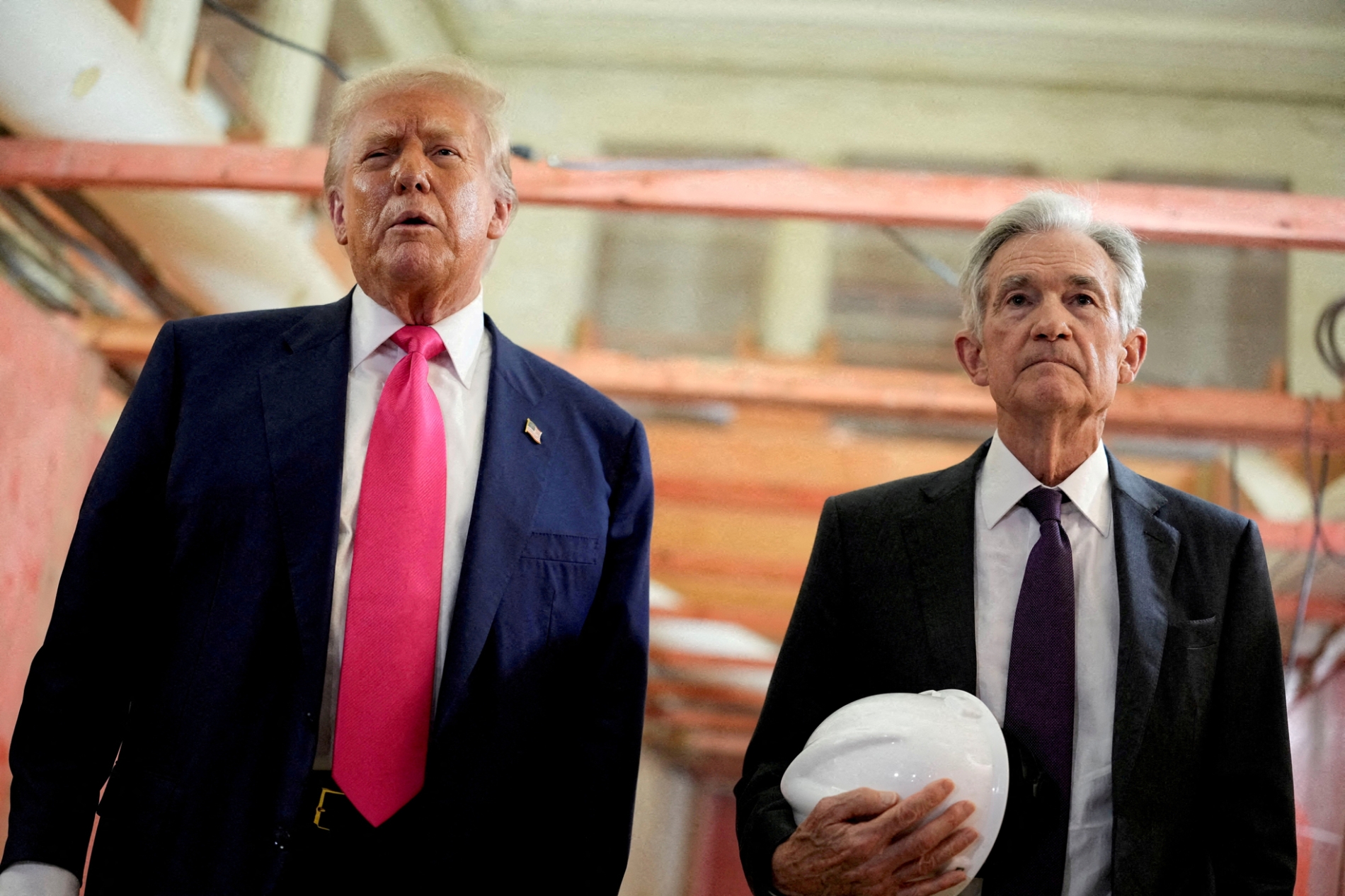
President Donald Trump with Federal Reserve Chairman Jerome Powell during a tour of the central bank building in 2025.

Business leaders see this as an overt intrusion on the central bank's independence, which is held as sacred by both Republicans and Democrats. Such is the anger in the president's own party that several Republican lawmakers—who are well known as Trump loyalists—have threatened to withhold Warsh's nomination until the DoJ drops its investigation into Powell.

Supporters hope that Warsh's confirmation hearing could demonstrate that he has the near-mythical qualities to lead the Federal Reserve through a complex mix of domestic and global challenges, drawing on his experience, technical competence, and communication skills. In other words, that Warsh is the "legendary unicorn" sought. Is he? Will he feel able to act independently of Trump? Time will tell.  

font change