Cutting waste: Saudi Arabia paves the path toward circularityhttps://en.majalla.com/node/329416/business-economy/cutting-waste-saudi-arabia-paves-path-toward-circularity
In mid-January, mosques across Saudi Arabia delivered a unified Friday sermon carrying a clear, timely, and deeply rooted message: protect the environment, keep public spaces clean, and prevent harm to people, animals, and nature. The sermon emphasised that polluting public areas and leaving waste behind is considered a form of corruption on Earth, that removing harm from roads and public places is an act of charity, and that waste— particularly plastics and other debris—causes tangible and lasting damage to communities and the natural environment.
This message is firmly grounded in Islamic teachings, where cleanliness is inseparable from faith and respect for public spaces is a shared social responsibility, not merely an individual choice. Islam consistently links personal behaviour with collective well-being, reminding society that caring for the environment, preserving public areas, and avoiding harm are expressions of moral discipline and accountability. Yet while cleanliness and proper behaviour are essential foundations, cleaning alone is no longer sufficient.
Today’s environmental challenges require a broader shift—from reactive clean-up to sustainable, circular systems that prevent waste, manage resources responsibly, and ensure long-term environmental protection for future generations.
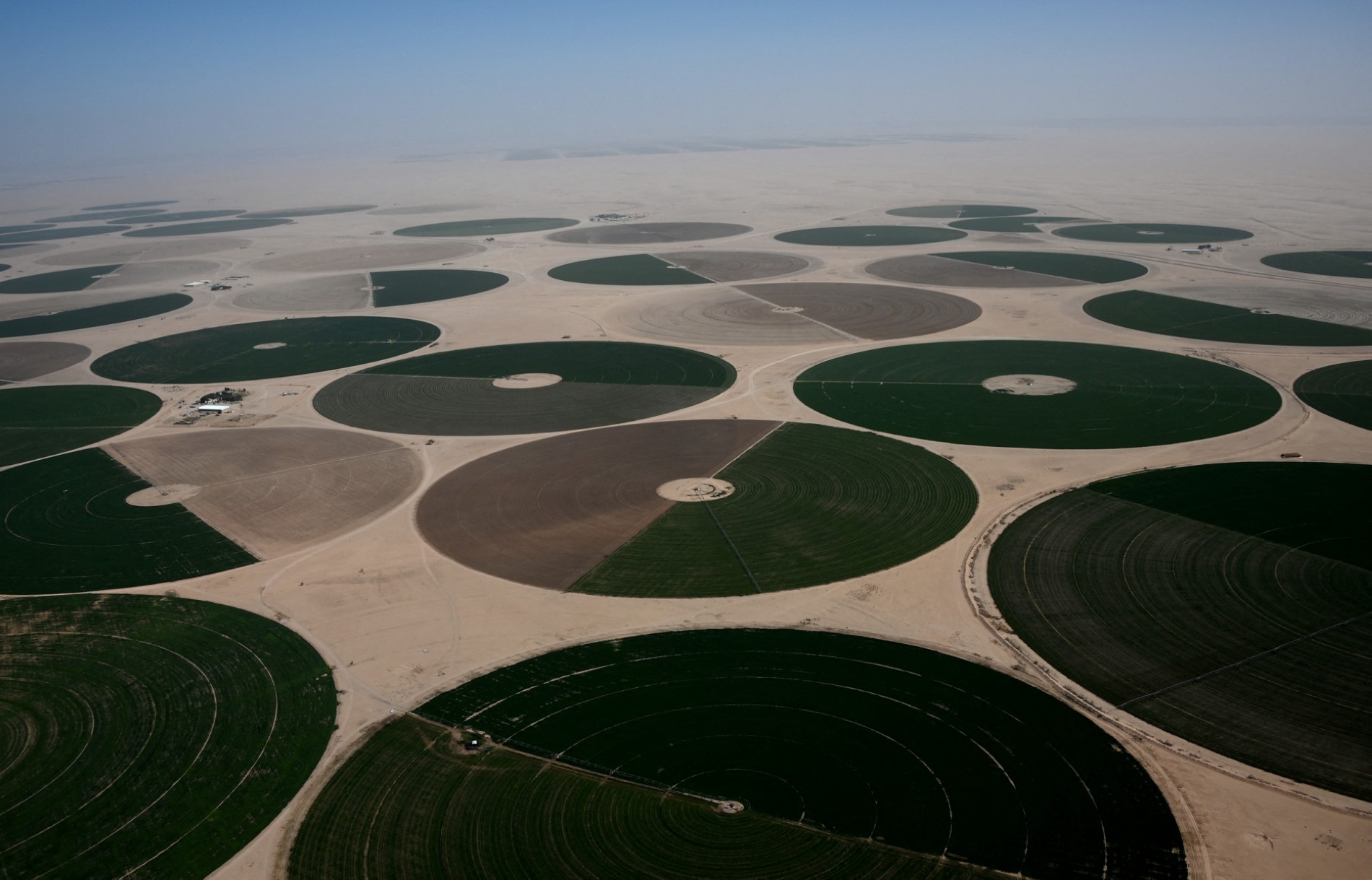
An aerial picture taken on 13 January 2020, shows circular fields, part of the green oasis of Wadi Al-Dawasir.
Today's challenges
Today's environmental challenges are no longer effectively addressed by behaviour change or clean-up efforts alone. They require integrated systems that connect collection, sorting, markets, policy, and financing in a coherent and durable way. Around the world, experience has shown that waste accumulates when systems are fragmented, not because communities lack awareness or commitment.
Saudi Arabia has recognised this reality early. Over the past decade, as part of Vision 2030, it has advanced wide-ranging reforms in energy efficiency, sustainability, and circularity, moving steadily from linear consumption models toward system-based solutions. These reforms reflect a clear understanding that effective waste management depends on how well different parts of the system work together— from infrastructure and regulation to industrial demand and investment frameworks.
Saudi Arabia has made inroads in energy efficiency, sustainability, and circularity, moving from linear consumption models to system-based solutions
The introduction of institutions such as the Saudi Investment Recycling Company (SIRC) underscores this approach. A wholly owned subsidiary of the Public Investment Fund (PIF), SIRC was established in 2017 to develop, own, operate, and finance waste management and recycling activities across the Kingdom, supporting the transition toward a circular economy and a more sustainable future.
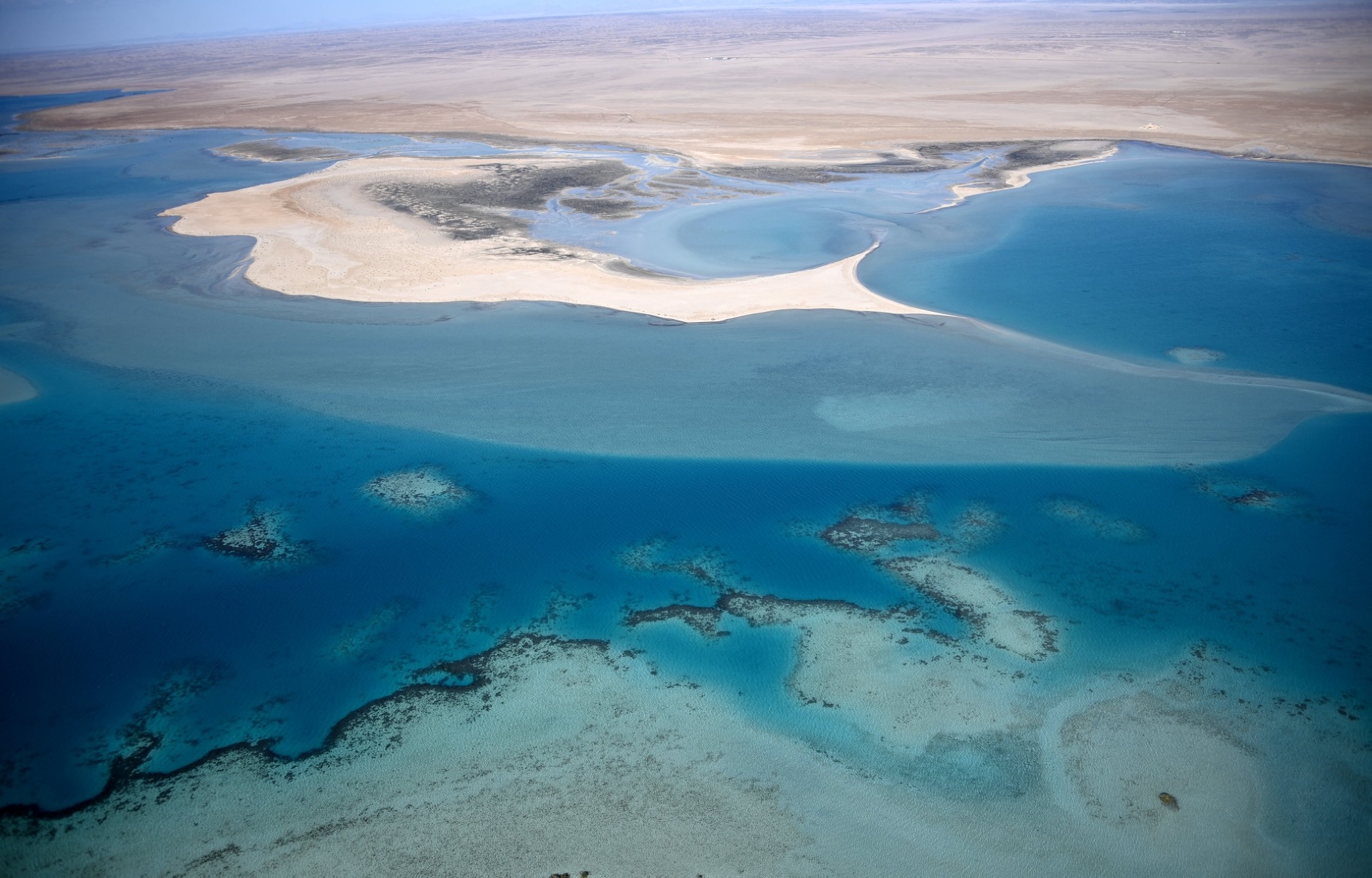
An aerial picture taken on 5 January 2020 shows the Red Sea coast of Saudi Arabia.
Alongside international platforms and industry-led initiatives, these efforts reflect Saudi Arabia's system-based approach to addressing plastic waste. Together, they move beyond fragmented or single-actor solutions by combining national infrastructure development with global expertise, capital alignment, and full-value-chain coordination.
Rather than focusing solely on end-of-pipe outcomes, this ecosystem approach enables waste to be collected efficiently, processed to consistent standards, absorbed by viable end-markets, and supported by long-term governance and financing—creating systems designed to operate at scale and endure over time.
Building on this ecosystem approach, Saudi Arabia is moving beyond end-of-pipe solutions toward integrated platforms that efficiently collect waste, process it to consistent standards, absorb it into viable end markets, and support long-term governance and financing. This reflects the essence of modern environmental stewardship: designing systems that function at scale and endure over time, rather than relying on isolated interventions.
Within this framework, a circular economy does not simply ask individuals or businesses to dispose of waste correctly. It ensures that materials remain in productive use through policy clarity, industrial participation, and investment discipline, so that environmental protection becomes a natural outcome of how the economy operates—not an afterthought, but a built-in feature of sustainable growth.
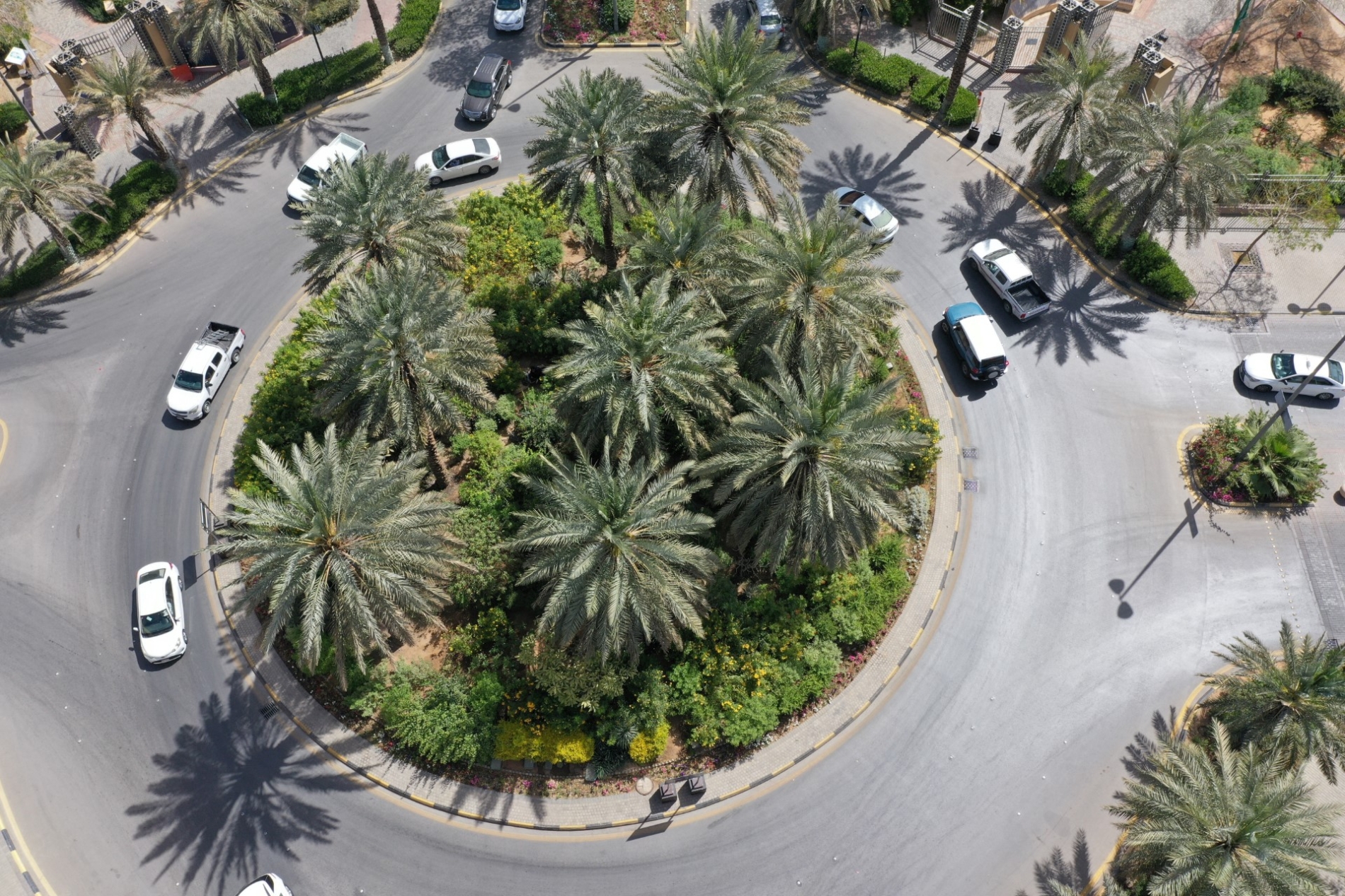
An aerial picture shows cars at a roundabout planted with shrubs and palm trees in the Saudi capital Riyadh, on 29 March 2021.
Positioned to lead
Saudi Arabia is uniquely positioned to lead and shape the global transition toward circular economy solutions. As one of the world's major energy producers, home to advanced refining and petrochemical complexes, and an increasingly influential hub for polymers, manufacturing, and consumer goods, Saudi Arabia occupies a central position within the global plastics value chain.
This position has enabled it to move beyond traditional linear models and actively invest in system-based approaches that integrate sustainability, industrial growth, and long-term economic resilience.
Over the past decade, these efforts have been reinforced by Saudi Vision 2030, which has made energy efficiency, sustainability, and circularity integral pillars of national transformation. The country's progress is already shaping regional direction, setting benchmarks that resonate across the Gulf and beyond. As Saudi Arabia advances integrated waste management, recycling, and circular economy frameworks, its experience is increasingly reflected in neighbouring markets, demonstrating how large, industrial economies can align environmental stewardship with growth, innovation, and competitiveness.
Circularity does not counter industrial strength; it is its natural evolution. This understanding was clearly reflected in Saudi Arabia's leadership during its G20 Presidency in 2020, when the Kingdom introduced the Carbon Circular Economy (CCE) framework—signaling a shift from linear models toward integrated circular systems that reduce, reuse, recycle, and remove emissions and waste. The same logic applies directly to plastics and materials management. By embedding circular economy principles into industrial policy, infrastructure planning, and investment frameworks, Saudi Arabia demonstrates how large producing economies can also lead in environmental systems design and long-term sustainability.
Saudi Arabia's journey—from energy leadership to circular economy leadership—is not a departure from its past, but a natural continuation of it. The same discipline, scale, and long-term planning that built world-class energy systems can now be applied to materials, waste, and circular solutions that generate both environmental and economic value.
Circular economy systems transform waste from a cost into an asset—creating new industries, attracting investment, generating jobs, and supporting innovation across recycling, waste-to-energy, and the conversion of plastics into secondary raw materials and finished products.
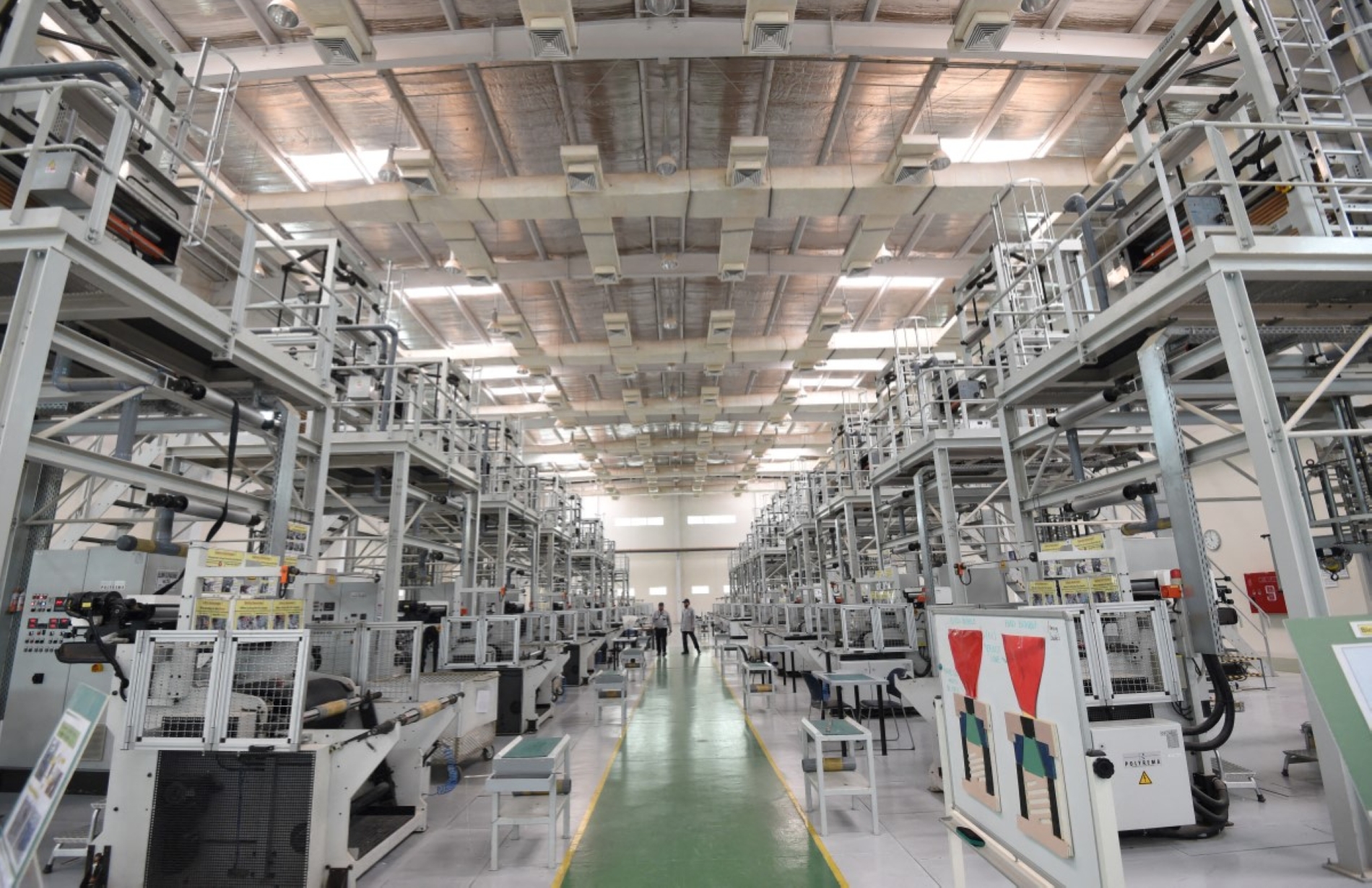
A general view of the workshop in the Higher Institute for Plastics Fabrication on 13 June 2016, in the Saudi capital Riyadh.
This economic dimension aligns closely with Islamic values, where avoiding waste (israf), preserving resources, and ensuring that value is derived responsibly from what already exists are deeply rooted principles. Turning waste into useful energy or productive materials reflects a balance between stewardship and productivity—protecting the environment while strengthening economic resilience. In this sense, circular economy systems do not compete with growth; they enhance it by making growth more efficient, more sustainable, and more inclusive.
Here, the message from the pulpit and the message from policy converge. Environmental stewardship is both a moral duty and a systems challenge—one that requires faith-driven values to be matched with thoughtful design, sound economics, and disciplined execution. When faith, strategy, and implementation align, progress does not remain symbolic; it becomes measurable, scalable, and permanent.
Alligned approach
Equally important is the recognition that advocacy alone does not resolve environmental challenges. Experience across diverse, real-world initiatives has consistently shown that lasting progress is achieved only when systems are designed to function end-to-end—aligning policy, financing, infrastructure, and markets in a coordinated and durable manner.
Environmental impact accelerates when governments, industry, and development finance institutions work together to move solutions beyond pilot phases and into scalable, long-term implementation. This shift—from awareness to execution—is what transforms good intentions into lasting outcomes and ensures that environmental responsibility becomes embedded in how economies operate, rather than treated as a temporary campaign or isolated initiative.
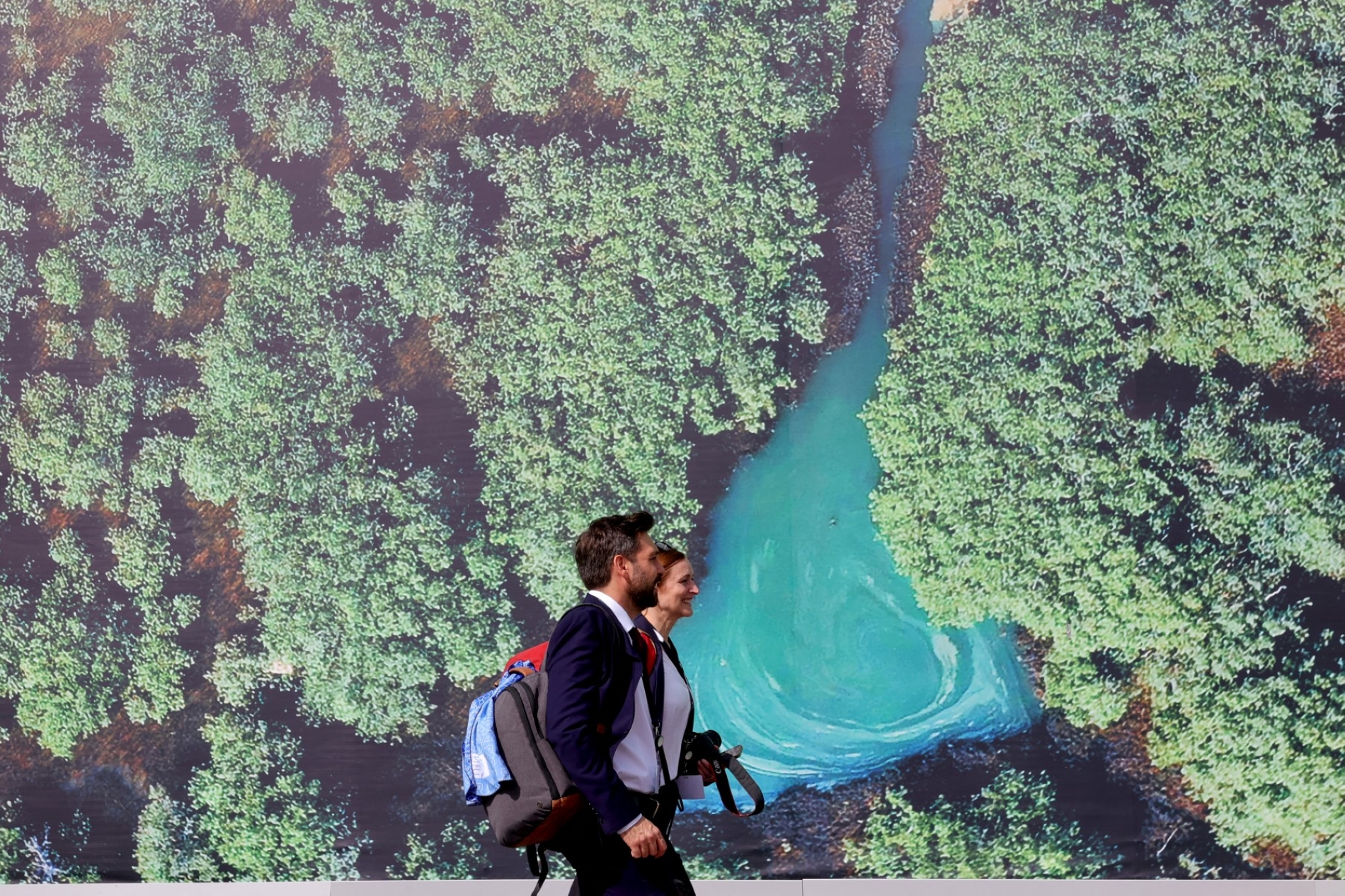
Delegates arrive at the conference centre where the United Nations Convention to Combat Desertification, UNCCD COP16, was opened in the Saudi capital Riyadh on 2 December 2024.
In this context, the recent unified Friday sermon was not merely a moral reminder; it reflected a broader and maturing understanding that environmental responsibility is increasingly woven into Saudi Arabia's social, economic, and development narrative. Protecting public spaces, preventing pollution, and caring for nature are acts rooted in faith and personal responsibility—but building systems that prevent harm at scale is an act of leadership.
When environmental values are reinforced by policy clarity, infrastructure investment, sustainable financing, and effective governance, they become self-sustaining. Clean streets are preserved not only through good intentions, but through systems designed to maintain them. Seas and natural landscapes are protected not only by awareness, but by value chains that prevent plastic leakage upstream and ensure materials are managed responsibly throughout their lifecycle.
In this sense, environmental protection mirrors a core principle of Islamic teaching: intentions matter, but sustained action delivers enduring impact. When faith-based values are translated into well-designed systems, they move beyond symbolism and become a foundation for long-term environmental resilience and societal progress.