Global water bankruptcy and what can be done about it

An eye-opening UN report revealing the extent of the problem posed by rapidly diminishing freshwater reserves is a sobering read

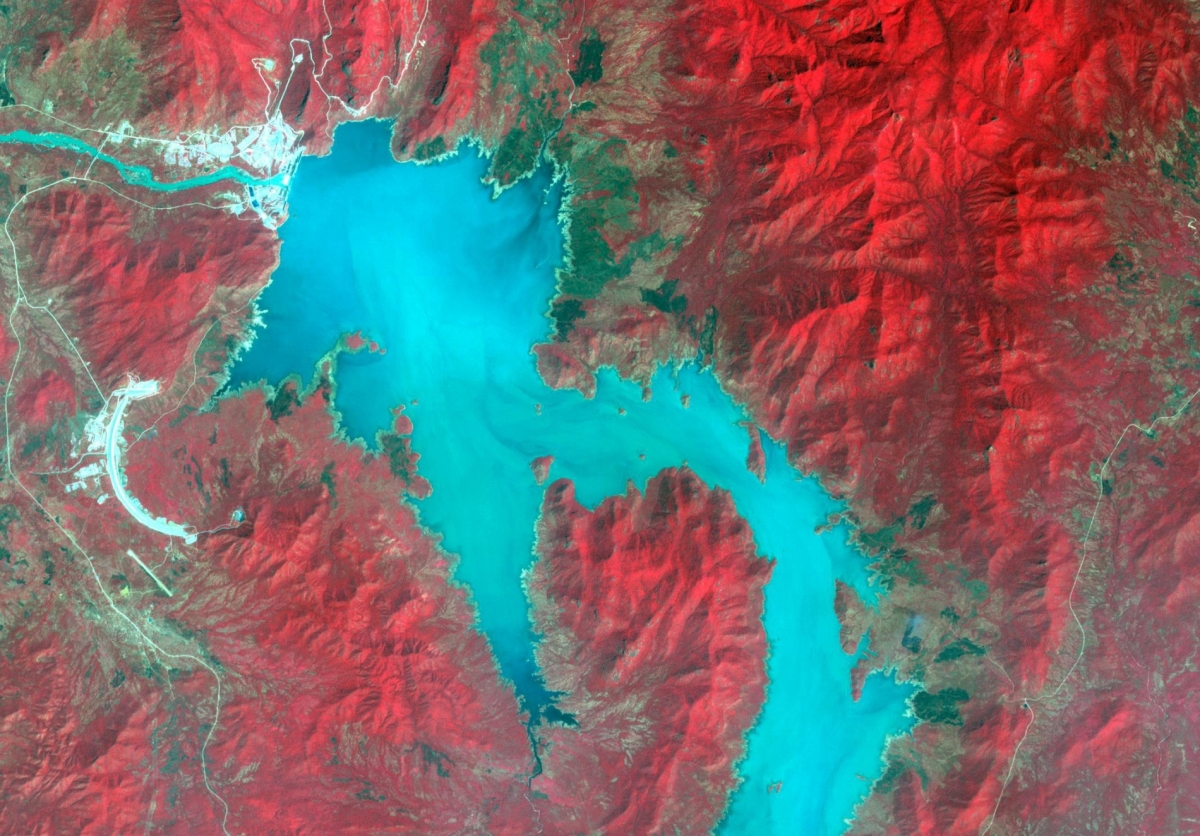
The Blue Nile River after the filling of the Grand Ethiopian Renaissance Dam reservoir near the Ethiopian-Sudanese border, on 6 November 2020.
Reuters
The Blue Nile River after the filling of the Grand Ethiopian Renaissance Dam reservoir near the Ethiopian-Sudanese border, on 6 November 2020.

Global water bankruptcy and what can be done about it

While eyes have been fixed on stock markets, currency fluctuations, and political headlines, a recent United Nations report sounded an alarm that many missed. The planet, it said, had entered a new phase of “water bankruptcy”. This is not water scarcity, perhaps owing to the seasons, or to a bad year, and these are not short-term shortages or manageable droughts. This is the industrial pilfering of the world’s natural water reserves built up over many thousands of years, now being consumed at a rate that nature cannot restore.

The UN University Institute for Water, Environment and Health (UNU-INWEH) details the catastrophe: lakes that have lost half their volume, rivers that no longer reach the sea, cities sinking as aquifers collapse beneath them. If it is not already, water bankruptcy will soon shape geopolitics, threaten food security, and place billions in jeopardy. If entire water systems have lost the ability to recover, this is now a structural crisis, converging with the effects of global warming, unsustainable agricultural expansion, pollution, deforestation, population explosions, and resource mismanagement. It is a perfect storm.

The report, titled Global Water Bankruptcy: Living Beyond Our Hydrological Means in the Post-Crisis Era, calls for an urgent and serious response, dismissing rhetoric and the illusions of easy solutions. Old terminology (such as ‘water stress’) suggests disruption, not collapse. It calls for a new conceptualisation that includes water as natural capital and hydrological wealth. That wealth is draining, literally. Rivers, aquifers, lakes, and snowpacks have disappeared, unlikely to return. If terms are sought, this is now a “post-crisis” era. In terms of water management, recovery is no longer possible—but mitigating further loss and preventing full system failure still is.

Permanent depletion

To convey the scale, the INWEH report employs a financial analogy. Just as nations or companies may exceed their means by depleting reserves, societies have begun living beyond their hydrological capacity. Water bankruptcy occurs when withdrawals (from rivers and aquifers) consistently exceed nature’s ability to renew them. The result is a permanent depletion of strategic reserves—lakes, wetlands, glaciers—that future generations will need for survival.
Sean Gallup / Getty Images
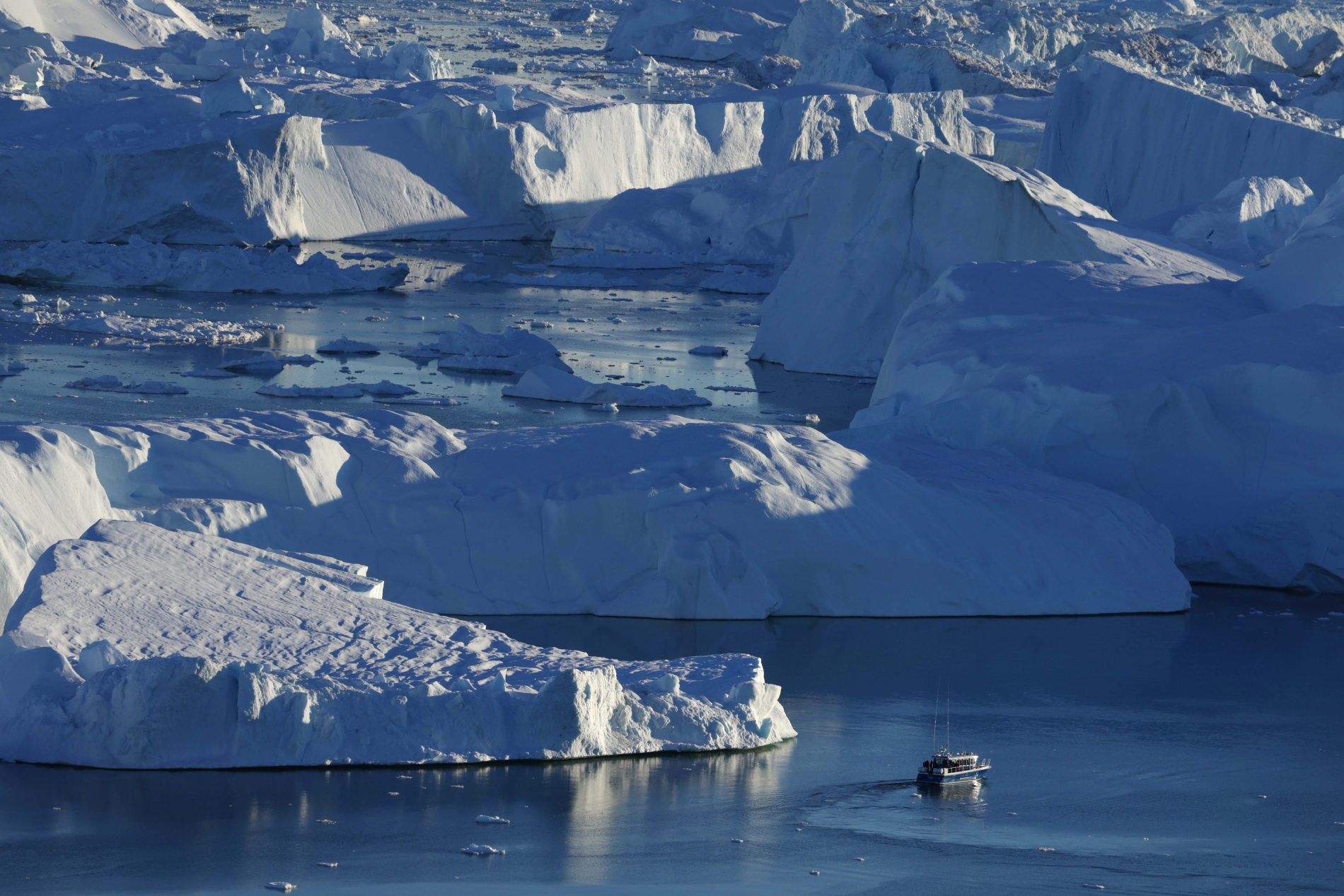
A tourist boat passes icebergs in the Ilulissat Icefjord in Greenland on 16 July 2024. Of the 200 glaciers studied here, only one has grown since 1985.

The broad ecological framework includes groundwater reserves, glaciers, wetlands, fertile soils, and forests. All sustain the water cycle, a component of the planet’s natural infrastructure. The loss of one element has repercussions on the others. It disrupts the world’s hydrological balance and weakens an ecosystem's resilience, reducing its future water-generating capacity.

One visible sign is the drying of major river deltas. Dozens no longer reach the oceans year-round due to excessive withdrawals and unregulated dam construction. When a river can no longer complete its course, estuarine ecosystems collapse. The balance between freshwater and seawater breaks down, surrounding farmland becomes saline, and fisheries disappear. The rupture is profound and enduring.

Groundwater is the “great casualty” in this, says the INWEH. Half of the world’s drinking water and 40% of its irrigation water is drawn from the ground, but so much has now been drawn that there is a long-term decline of 70% in the planet’s largest aquifers. The depletion cannot be seen, but the resulting subsidence across cities and agricultural plains can. Some cities are sinking by several centimetres per year, threatening the stability of buildings, disrupting sewage systems, and weakening flood defences.

Moreover, the remaining reserves are now becoming increasingly saline and contaminated from heavy metals. Even in scientists’ best-case scenarios, natural replenishment of these aquifers would take centuries. Nearly half of the world’s major lakes—vital to a quarter of the global population—have seen their volumes significantly reduced since the early 1990s. This means less drinking water, less fish, and mounting tensions between communities and nations.
AFP
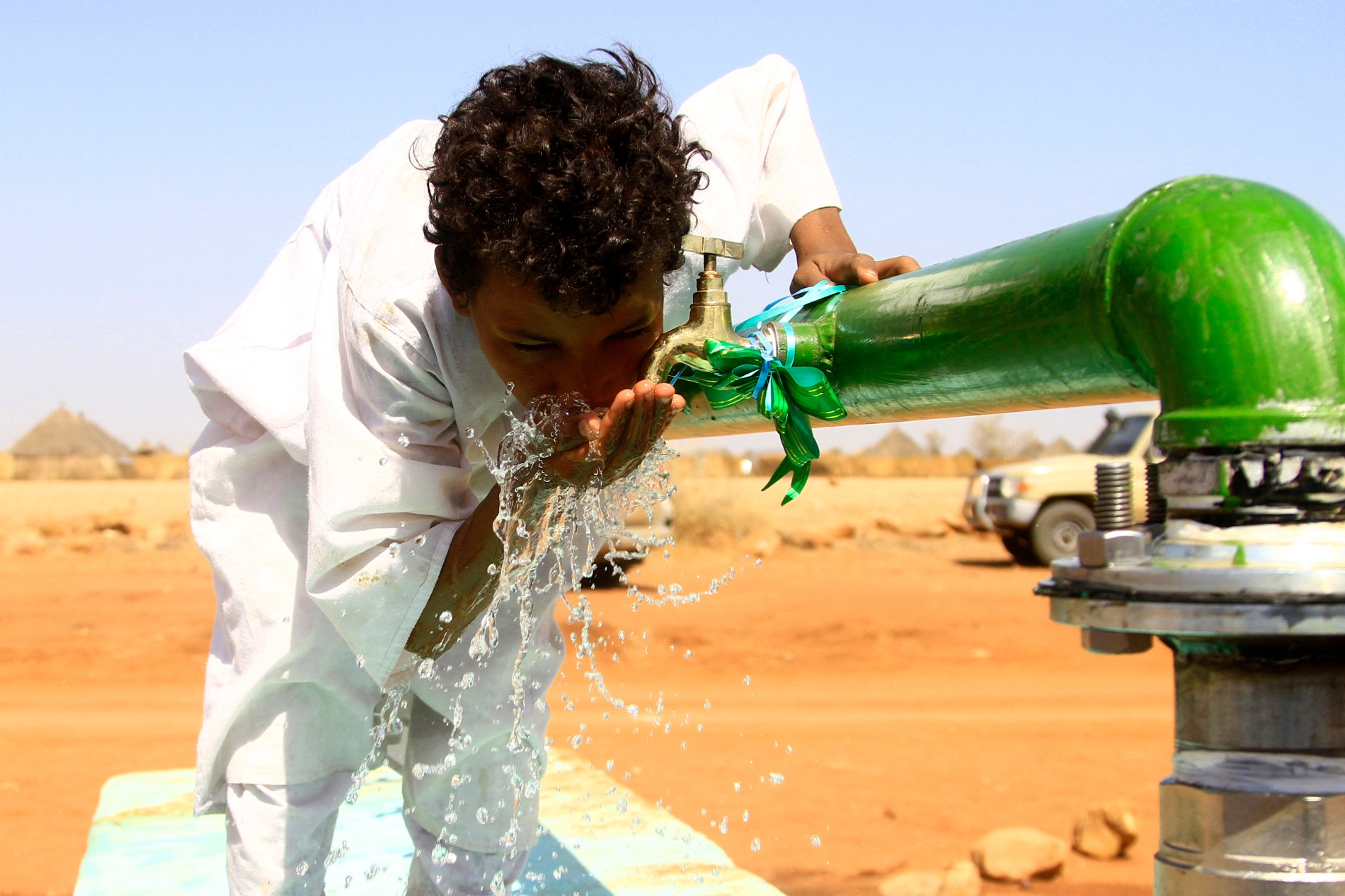
A boy drinks from a recently dug well for groundwater in Sudan's eastern state of Gedaref on 4 May 2024.

A global problem

Climate change raises the risks, but consumption patterns are the main driver towards collapse. This in part stems from short-sighted agricultural and industrial policies, and the flawed separation of water management from land, energy and food systems, which has allowed over-extraction to continue unchecked. Moreover, this is a truly global problem. Water bankruptcy spans continents and income levels, with depletion in both developed and developing regions. The pace may vary, but the pattern remains.

Wetlands, the first ecological buffer in the water cycle, have shrunk by 410 million hectares over the last 50 years. Water flows have grown increasingly erratic, swinging between extreme floods and prolonged droughts. Glaciers have lost 30% of their mass since 1970. But the damage is most severe in rivers no longer reaching the sea, eroding estuaries and pushing salt into fertile lands. Already, more than 100 million hectares have been affected by intensive irrigation and poor drainage.
Sun Jialu/Getty
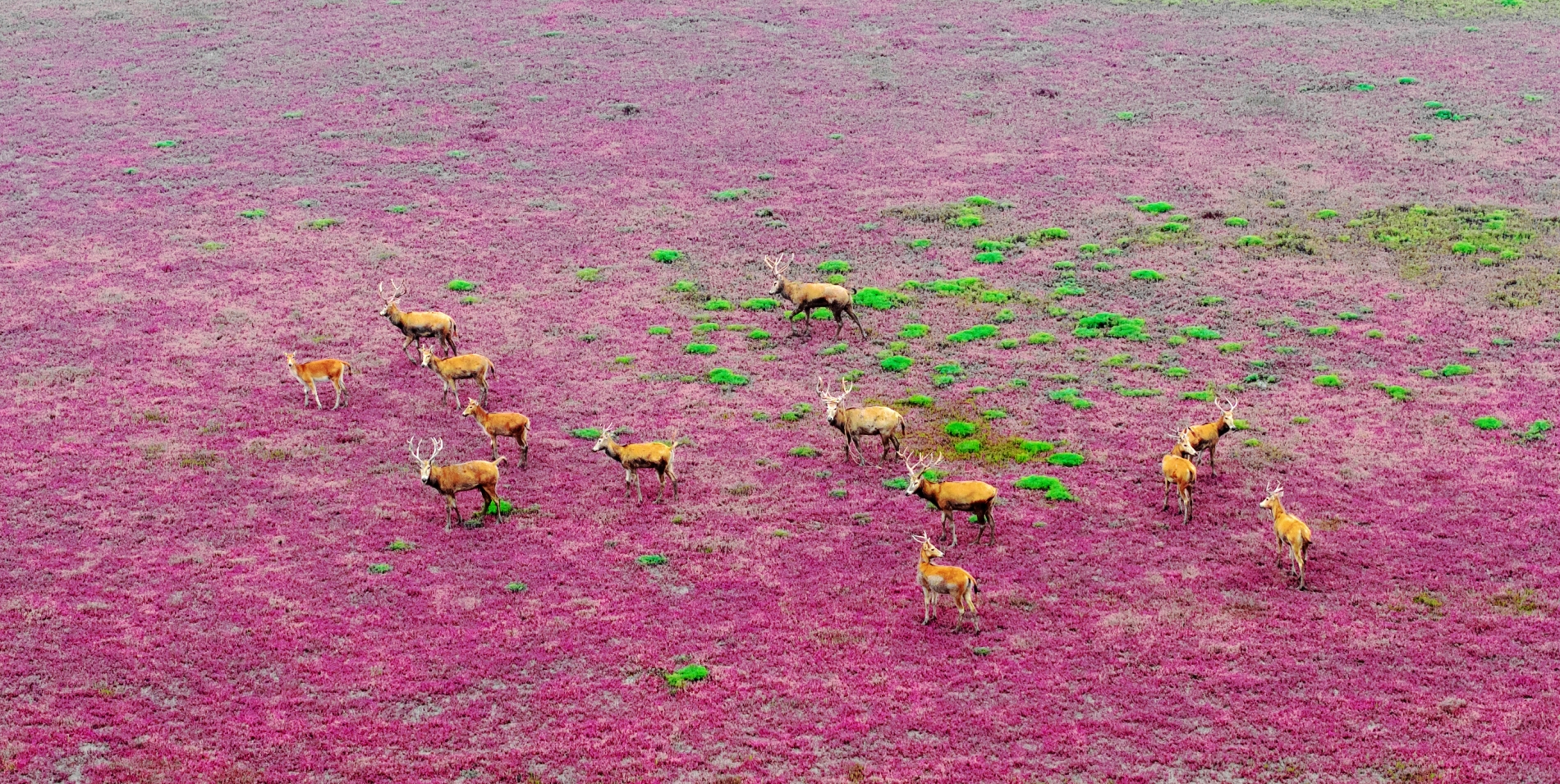
A herd of milu deer wanders through the mudflat at Tiaozini Wetland at sunset on June 23, 2024, in Yncheng, Jiangsu Province, China.

The report estimates the cost of lost ecosystem services—primarily from wetland destruction—at a staggering $5.1tn. Today, four billion people face severe water scarcity for at least one month each year. Two billion live on land that is slowly sinking. More than half of the world’s food comes from regions under extreme water stress, where disruptions could trigger global food crises with significant impacts. Water underpins health, housing, and livelihoods.

Across the world, farmers face disappearing water and mounting debts. Some are abandoning their land because they cannot water their crops to make ends meet. In areas where water must be carried miles every day, women and girls take the brunt. For the young, this task is often prioritised over education. A lack of water also drives internal displacement and cross-border migration. Nearly 1.8 billion people now live under conditions of chronic drought. This puts pressure on health systems and can deepen inequality, given that wealthier households can drill deeper.
Today, four billion people face severe water scarcity for at least one month each year

For the INWEH, water bankruptcy is, above all, a matter of human dignity. It is no longer confined to global summits; it plays out in homes and communities, reshaping daily life. Failing to address the issue leaves the world exposed to demographic and economic upheaval. Dry wells and failed harvests can also lead to conflict. Countries that export food effectively export their water deficit to international markets.

Tailored solutions

Given the mosaic of water deficits, tailored solutions are required for each region. The Middle East and North Africa (MENA) region is of acute interest. Natural scarcity has become water bankruptcy caused by population growth, irrigated agriculture, and the depletion of non‑renewable aquifers. Although many states in the region desalinate seawater, this merely postpones the crunch, rather than resolving the problem. Desalination has high energy costs, emits carbon, and damages marine biodiversity.

In South Asia, particularly in India and Pakistan, the agricultural system is on the verge of collapse after decades of intensive groundwater pumping. Water tables have plunged, and land subsidence has spread. Even the Colorado River in the United States, which serves 40 million people and irrigates 5.5 million hectares, is now critically endangered. This has led to legal disputes and a steady decline in strategic reservoirs.

For the United Nations, traditional approaches that once treated drought or floods no longer hold. New thinking is needed, and this starts with acknowledging the new reality. It then requires restructuring water systems based on remaining capacities. This means firm new limits on withdrawals and consumption to safeguard what is left of the world's natural capital, but time and again, such action is deferred. Politicians assuage voter concern by subsidising water‑hungry crops or turning a blind eye to the over‑pumping of wells.

Nasir Kachroo/Getty
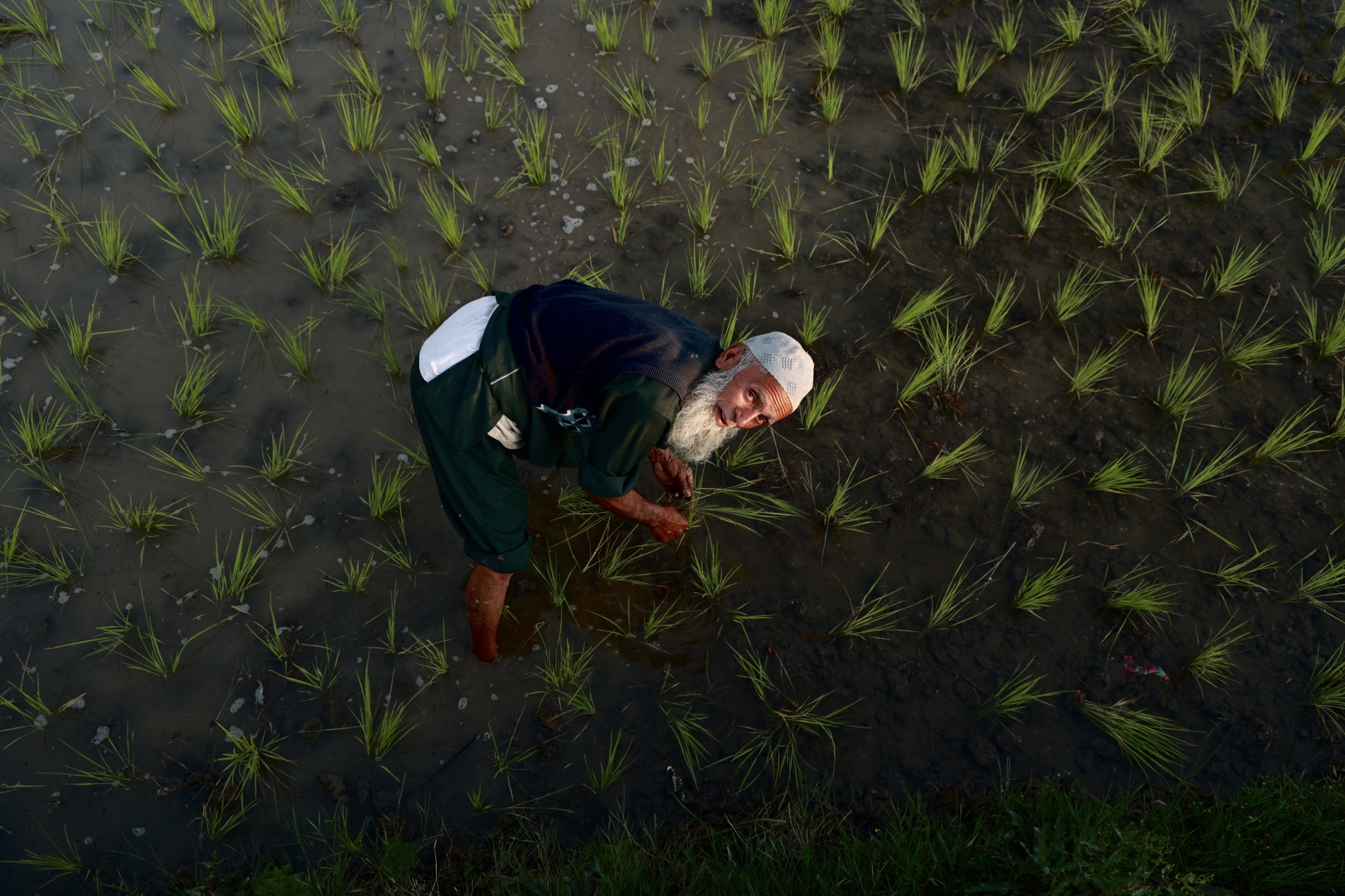
An elderly Kashmiri man tends to his crops on 10 June 2024. Lush green paddy fields are rapidly disappearing and being replaced by unabated and haphazard concrete construction, threatening a vital food source for Kashmiris.

The report stresses that the demands of today require political courage, revising historical water‑sharing agreements (based on flows that no longer exist), and livelihood alternatives. Farmers must shift crop patterns and repair irrigation systems, industry must adopt strict recycling standards, and cities must reduce losses in their networks and build water scarcity into urban planning. Data and satellite monitoring can help preserve remaining water systems.

Source of conflict

If it is not already, water will increasingly be at the heart of the relationship between states and their citizens; if states cannot guarantee access to such a basic resource, the social contract breaks down. In countries already facing institutional challenges, water bankruptcy therefore intensifies existing tensions—between urban and rural areas, across sectors, and among social groups.

Rising food prices and the collapse of rural livelihoods can trigger unrest and displacement. Internationally, shared river basins could become a source of conflict, especially in the absence of cooperation and transparency. Water must be a basis for collaboration. A shared resource, water resists control by any single party or state. There is hope, though. Historic water agreements have endured even during periods of armed conflict, showing that water diplomacy can support constructive dialogue even if parties are polarised.

Central to this challenge is the idea of water justice—a requirement for long-term stability. Addressing water bankruptcy means shielding the most affected groups, including Indigenous peoples and vulnerable communities, and ensuring an equitable distribution of responsibility. Historical patterns of overuse must be accounted for. Investing in transparent and accountable governance becomes an investment in social cohesion and conflict prevention.

Shutterstock
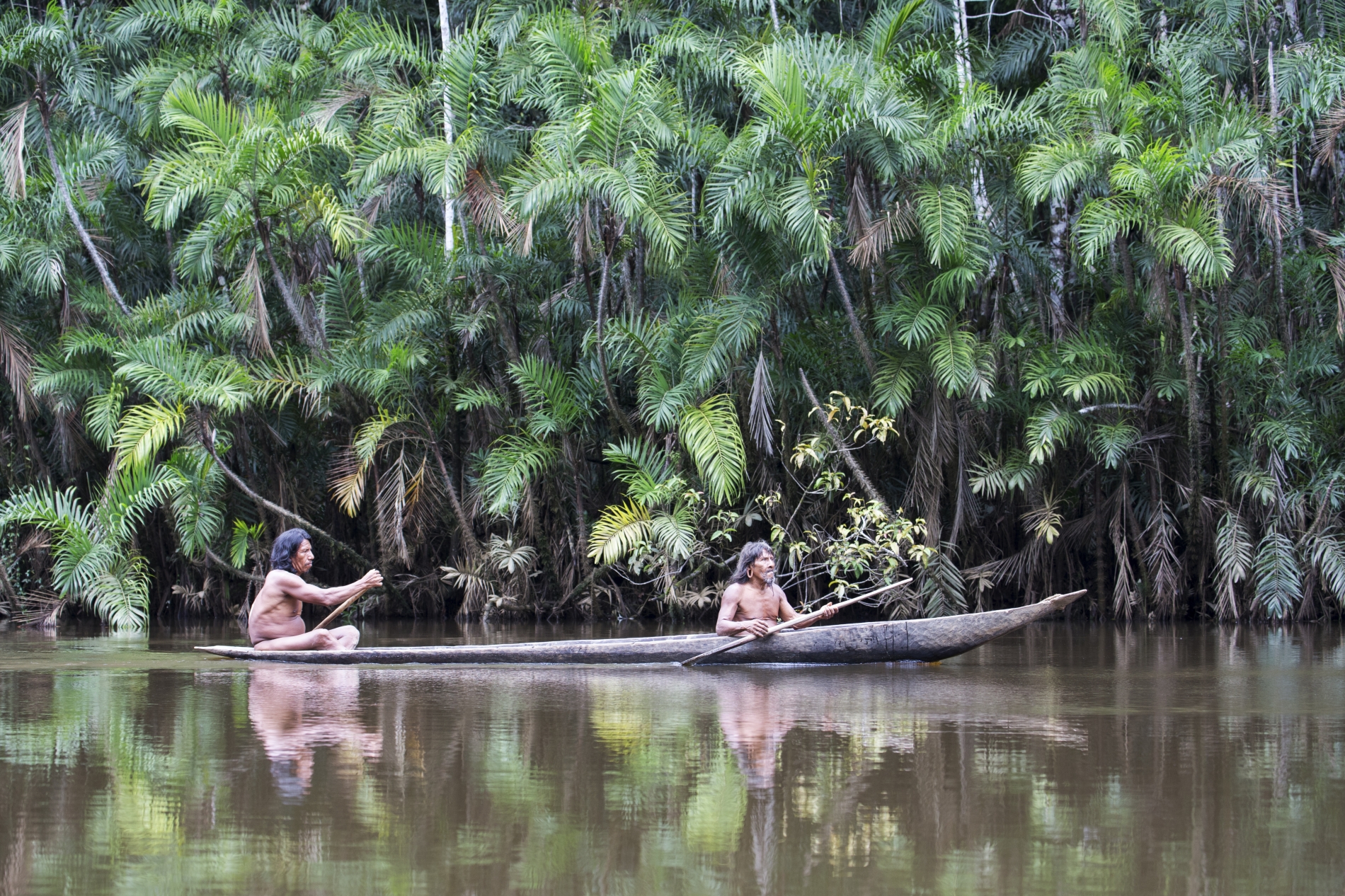
Huaorani Indians on the river in Ecaduor's Amazon jungle in Yasuni national park.

The report concludes that the global response to water bankruptcy will reflect the world's broader commitment to justice. Water is not simply a commodity; it reflects the values that underpin societies. Bold action is needed, not just minor efficiency gains, but systemic change, resulting in binding and enforceable policies. Some practices must end immediately due to a lack of remaining resources.

Water must take precedence in all areas of planning, whether urban, agricultural, energy, or trade-based. Standardised indicators must be adopted, guided by Artificial Intelligence (AI) and satellite monitoring. This includes linking international funding and development assistance to a country's ability to maintain hydrological balance and diverting public subsidies away from water-intensive practices.

UN water conferences in 2026 and 2028 are a final window to reprioritise water globally. Missing this moment will only make the situation worse, increasing costs and leading to a chain of destabilising events beyond the reach of public institutions. Action must begin now. Delay brings consequences that the world may no longer be able to manage.

font change