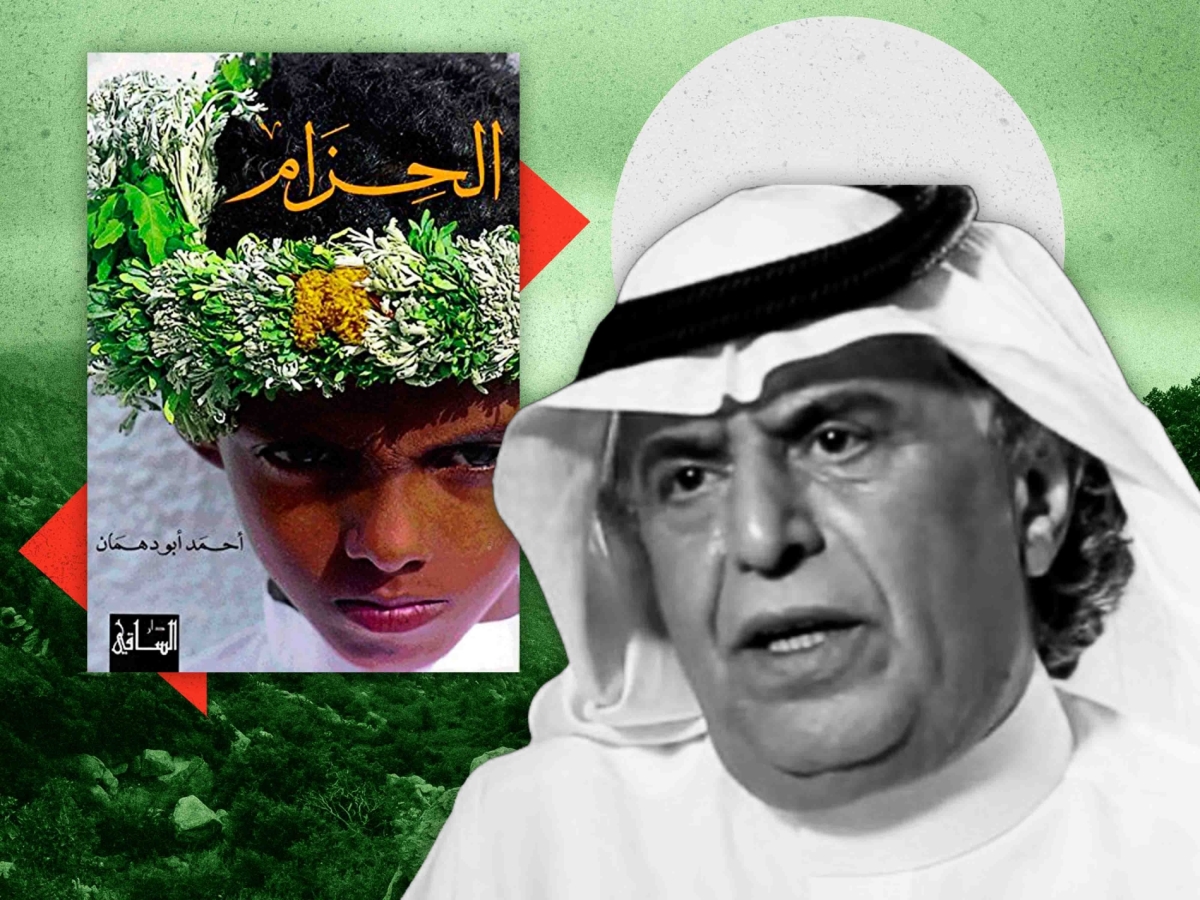

Saudi writer and novelist Ahmad Abu Dahman, who passed away earlier this month, did not merely pass through geography or interpret place in simplistic terms. He lived as a memory in motion, bearing entire villages upon his shoulders—villages composed of dialects, legends, and ancestral echoes, carrying them into the wider world.
He was the boy who left his southern home, suspended between mountains and clouds, to write of childhood, humanity, and identity in the language of the Other. Yet he never relinquished the cadence of his native tongue nor the clay of the village that clung to his soul. In his writing, the line between autobiography and imagination blurred. Exile itself became a vessel for knowledge, turning the villages of southern Saudi Arabia into texts that could speak across cultural boundaries.
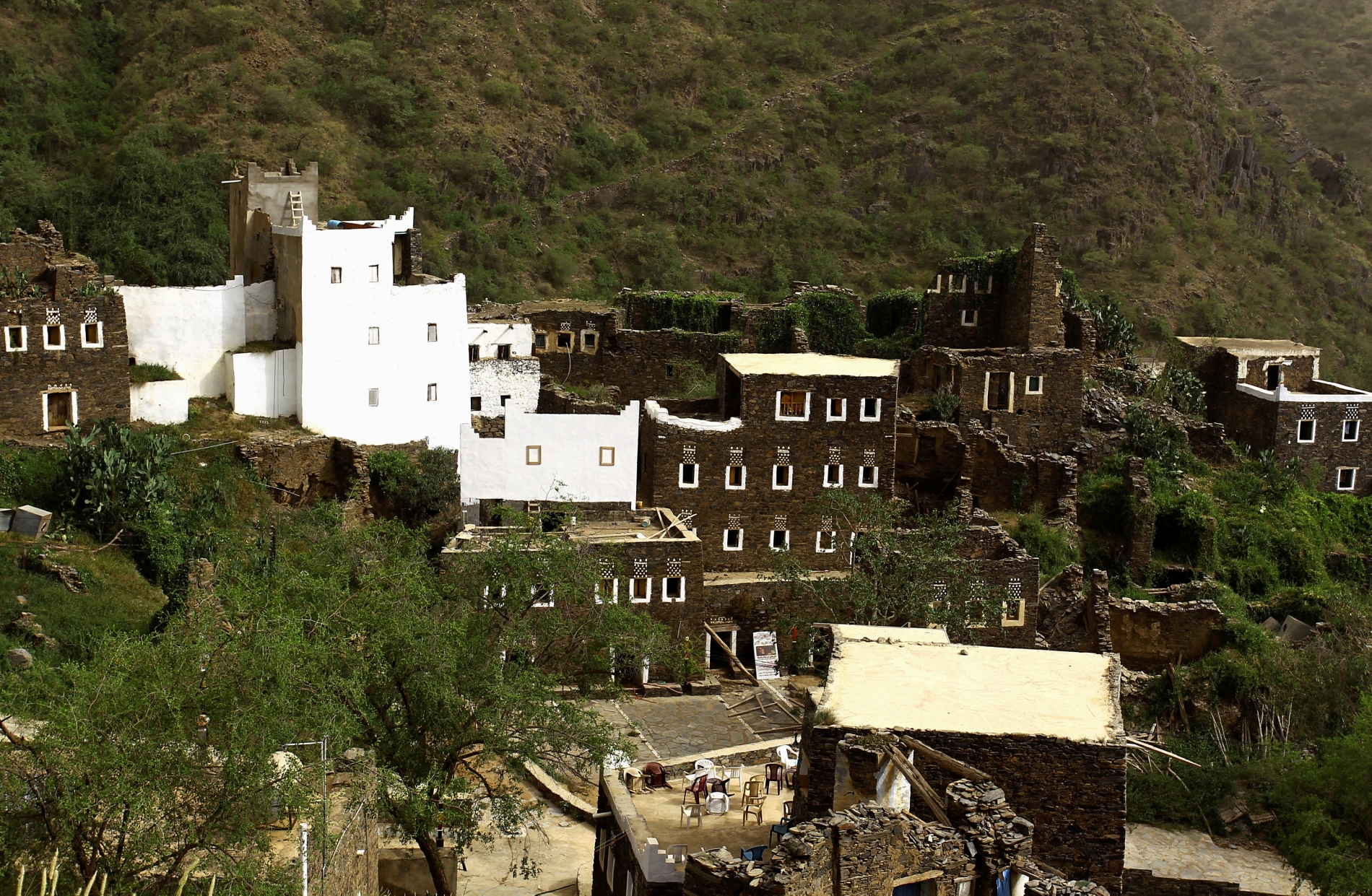
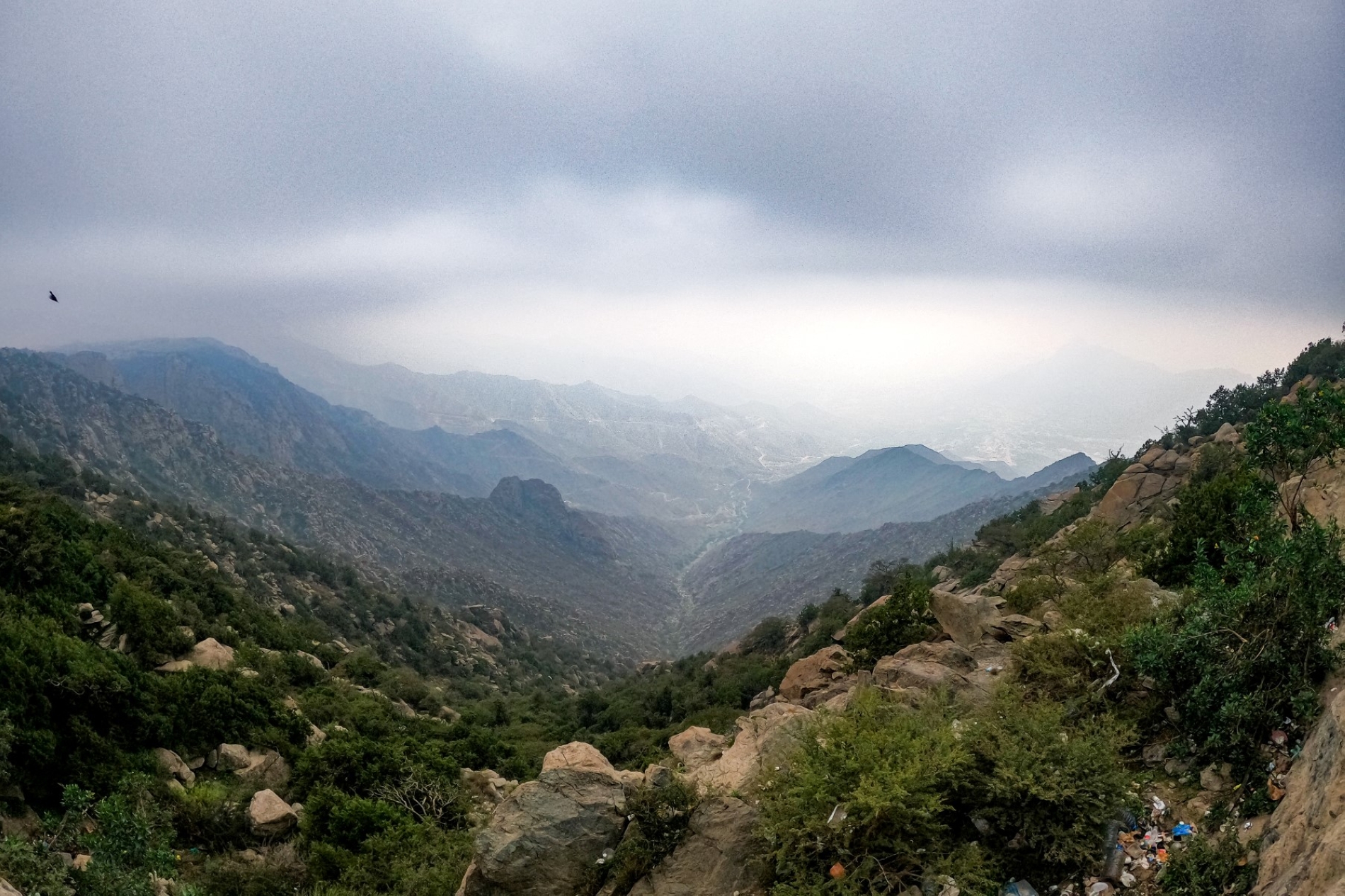
Abu Dahman was born in 1949 in the village of Al Khalaf, nestled in the Asir region. His childhood unfolded among soaring peaks and fertile valleys, within a tightly knit web of tradition and community. Among ancient palaces and heritage towers, beside the wells of Banu Hilal that taught him the art of listening, he absorbed the rhythms of folk life and its enduring wisdom—gifts that would later shape the very nucleus of his literary vision.
Transformation and identity
It is life’s transformations that compel us to read the world anew and narrate it in our own voice. For Ahmad Abu Dahman, such a transformation came in 1979, when he enrolled at the Sorbonne in Paris. This moment marked a decisive turning point, confronting him with a new civilisation, an unfamiliar language, and a cultural reality that demanded answers to the deepest questions: Who am I? Where do I belong? How can someone born in a southern village remake themselves within a global cultural axis?
Here, the transition ceased to be geographical. It became existential—a shift in vision, a reckoning of identity, and the birth of a novelist who would transform exile and displacement into the raw material of art. In Paris, that great confluence of histories and civilisations, Abu Dahman married a French woman and began a second life.

Here, culture moved from a notion of rootedness to one of fluid identity. Marriage bridged two worlds. Languages and customs intertwined, not in conflict, but in dialogue. This fusion revealed a profound truth: that family is not only a location, but also a bond, a chosen space of affection and belonging.
Abu Dahman did not approach this duality with strategies of cultural negotiation. Rather, he lived both identities fully, authentically, not denying one in favour of the other. As he wrote in The Belt: “I wrote it for my wife and my daughter.” The novel is both a literary narrative and an intimate gesture of love, a story told by a father to his child, a husband to his wife, a testament to an identity expansive enough to carry everything, from the mountains of southern Arabia to the heart of France.
Document for the Other
What The Belt narrated was not merely a literary text; it was a message about personal and geographical transformations, about the place the writer inhabited, and the language he turned into a bridge between himself and the selves that emerged from it. It became necessary for him to offer a document through which the Other might be understood—a point of encounter between ‘his self’ and ‘their selves’.