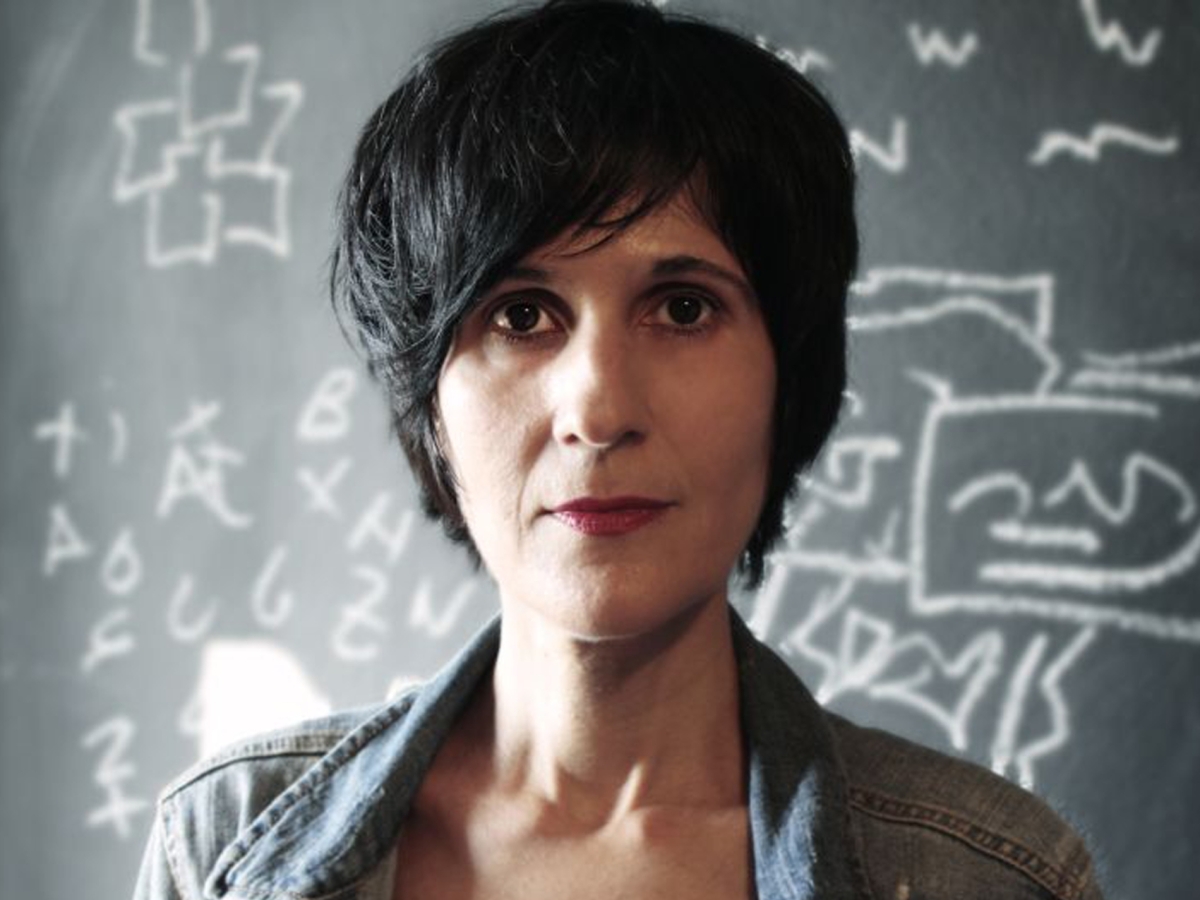

A prominent voice in contemporary Spanish and Catalan theatre, Helena Tornero has built a rich career uniting artistic creativity and human commitment. Born in Figueres, Catalonia, the playwright and theatre director engages with issues at the heart of the human condition—identity, migration, justice, and life in a world in flux.
Alongside her creative work, Tornero teaches at the Institut del Teatre de Barcelona, where she helps shape a new generation of theatre-makers. Written in both Catalan and Spanish, her plays are characterised by poetic language and a dramatic vision that fuse aesthetic sensitivity with social awareness. Among her most notable works are El Futur (The Future), No parlis amb estranys (Do Not Talk to Strangers), and Fascinación (Fascination), all of which showcase her ability to explore questions of belonging, diversity, and cultural plurality from a deeply human perspective.
Al Majalla caught up with the award-winning playwright to discuss poetry, politics, language, and the state of contemporary theatre.
You studied tourism before entering the world of theatre. Why and how did you make that transition?
I studied for a diploma in tourism in Girona because it was the closest university to Figueres. There were many of us at home, and my parents could not afford to pay for all their children to study in Barcelona. On top of that, they wanted me to choose a field with a clear professional future, and were not convinced by the idea of my studying anything artistic.
I loved theatre from the age of eight, when I started going to theatre workshops at school. But studying at the Institut del Teatre always seemed like an impossible dream to me, just as any kind of literature or writing-related study did.
After finishing my tourism degree, I worked abroad and then moved to Barcelona. I worked for the Catalan Tourist Board, and in the evenings I went to theatre classes. Eventually, I decided to sit the entrance exams for the Institut del Teatre in Barcelona, to study directing and dramaturgy, and that is where everything changed. It was a difficult decision at the time, because it meant leaving a good job. But I am very happy about it now.
When you set out to write a new play, where does your creative process begin?
Every new play comes to you in a different way. The first play I ever wrote was born from a song my grandfather sang. When I asked him about it, he told me they used to sing it during the Spanish Civil War. I began asking him questions. I already knew he had been imprisoned during the war, but we did not talk about it at home. Luckily for me, that day my grandfather was talkative. He told me about going to war at 20, burying the dead and transporting the wounded, becoming a prisoner of war, and being forced to return home across a country shattered and exhausted by war.
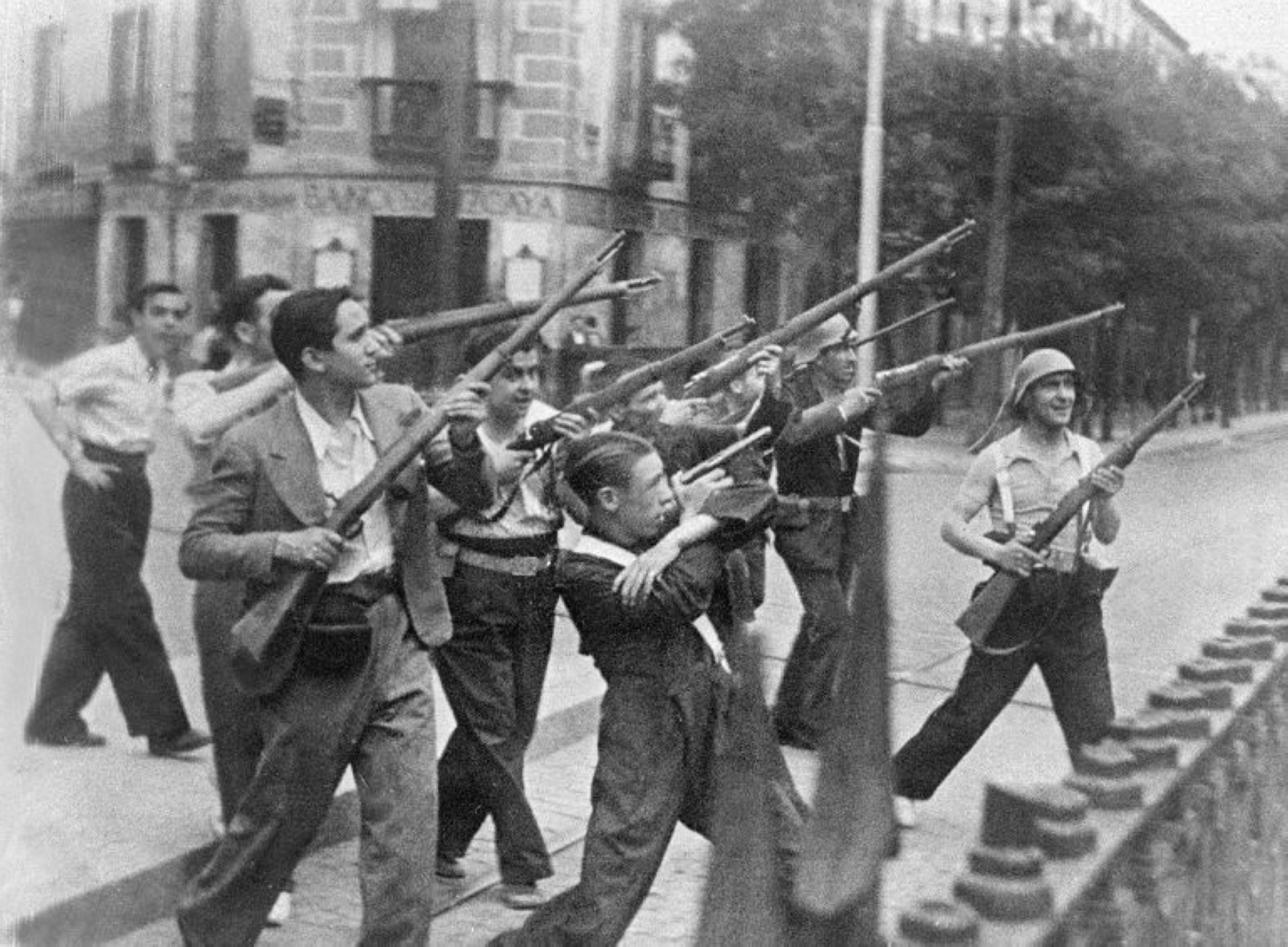
My grandfather was a cheerful, positive man, and I think part of that came from a deep awareness of how harsh life can be. I asked him if he would allow me to write a play drawing on some of those experiences, and he agreed. That became my first play. But other works have found their way to me in completely different ways. Sometimes it begins with a song, sometimes with a single word or an image. At other times, I write driven by a particular feeling or emotional impulse.
Your work deals with themes such as migration and violence. Do you think theatre has to be political?
It depends on how one understands the word ‘politics’, which is much misused these days. For me, theatre is political in the sense that it brings human beings together around a story. But there must be different kinds of theatre; everything depends on the context.