
If Trump's decision to freeze Ukraine aid was aimed at forcing Zelenskyy to enter peace talks, it had the added effect of pushing the EU to review its defence capabilities
Relations have plummeted between Paris and Algiers. The latter sought a fairer deal, but the former seemed to want only oil, gas, and a grain market. As French firms leave, Algeria is moving on.
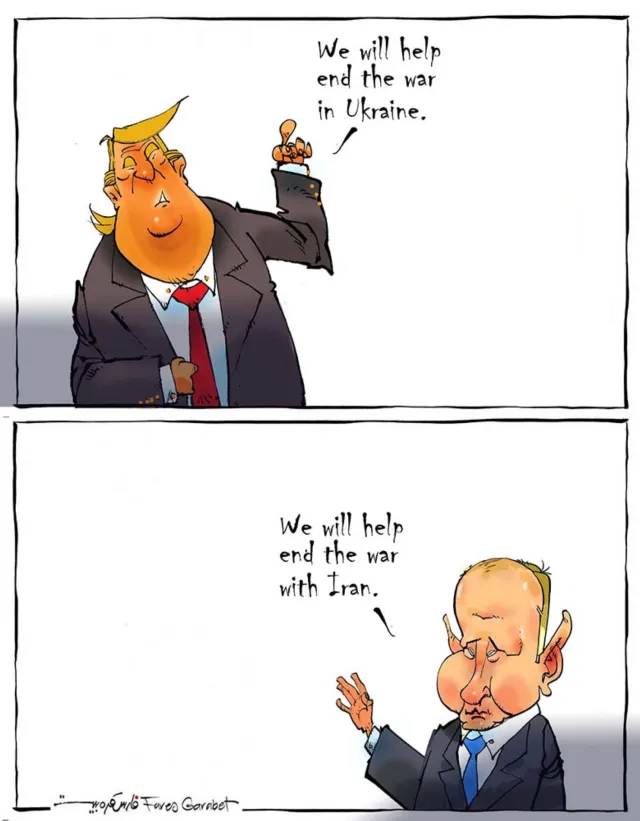
Trump says a ceasefire will be agreed "soon" or "won't be at all" and said he respected Zelenskyy and the Ukrainian military, which "had fought very bravely"
Trump wants to end the war, seemingly in Russia's favour. Macron warns over striking a 'weak' deal, a message Starmer will likely echo during his visit. Meanwhile, EU leaders will convene next week.
Europe continues to reel from a series of shocks dealt by the 'America First' administration of Donald Trump. The fate of Ukraine and Europe's security architecture hangs in the balance.
The far-right AfD has grown in strength to the extent that many polls predict it will win enough votes to form a coalition with Merz's CDU in an election that could have a domino effect across Europe
From titanium and lithium to natural gas, Ukraine has an abundance of supplies needed by a range of industries, which Russia wants to control, while the US sees an opportunity
When states are attacked, authority gravitates towards institutions capable of mobilising resources, enforcing discipline, and coordinating a military response
Cairo and Tehran have been at loggerheads since 1979, but the Iranian threat has always acted as a check on Israeli ambitions. If Iran is completely defeated, Israel will reign supreme.
Even if it stays on the sidelines of the US-Iran war, the country is fragile. Unlike larger economies that can absorb shocks in global markets, it has little room to cushion the impact.