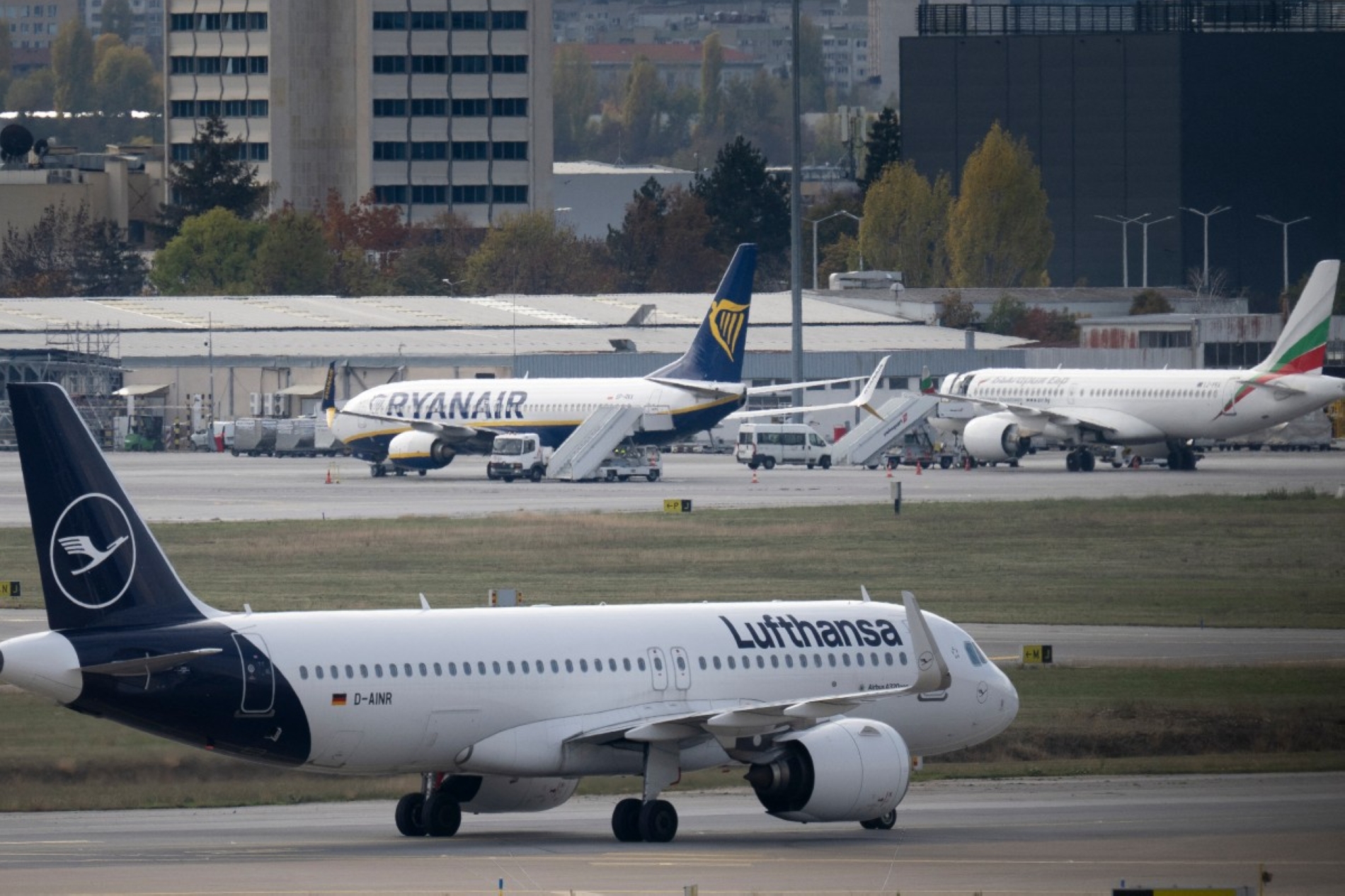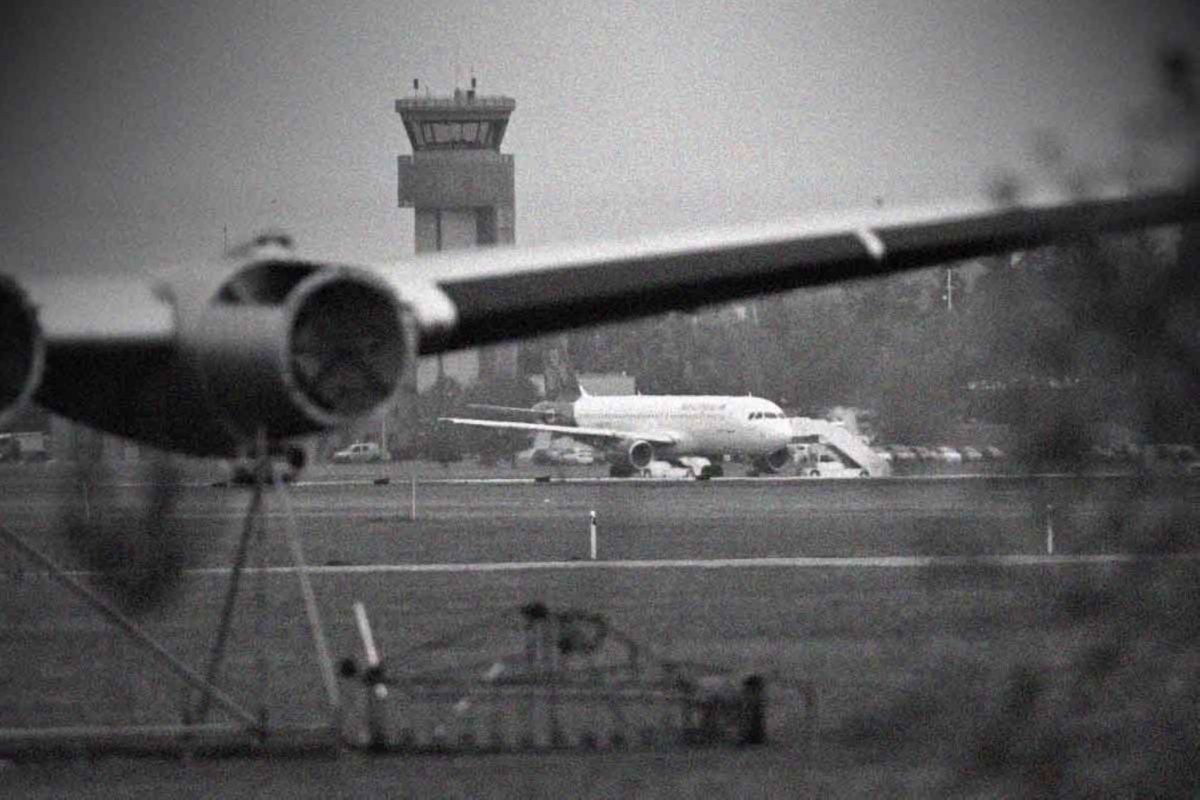

Disrupting a flight does not necessarily require an explosive device, a weapon or even a perpetrator on the ground. Sometimes, an anonymous email claiming that explosives have been placed aboard a particular aircraft is enough to set off a long and costly chain of events in motion. The airport notifies the airline, the pilot is alerted, airspace is reorganised, and fighter jets may be scrambled to provide an escort, while police, bomb-disposal teams and fire crews prepare at the airport where the aircraft is expected to land.
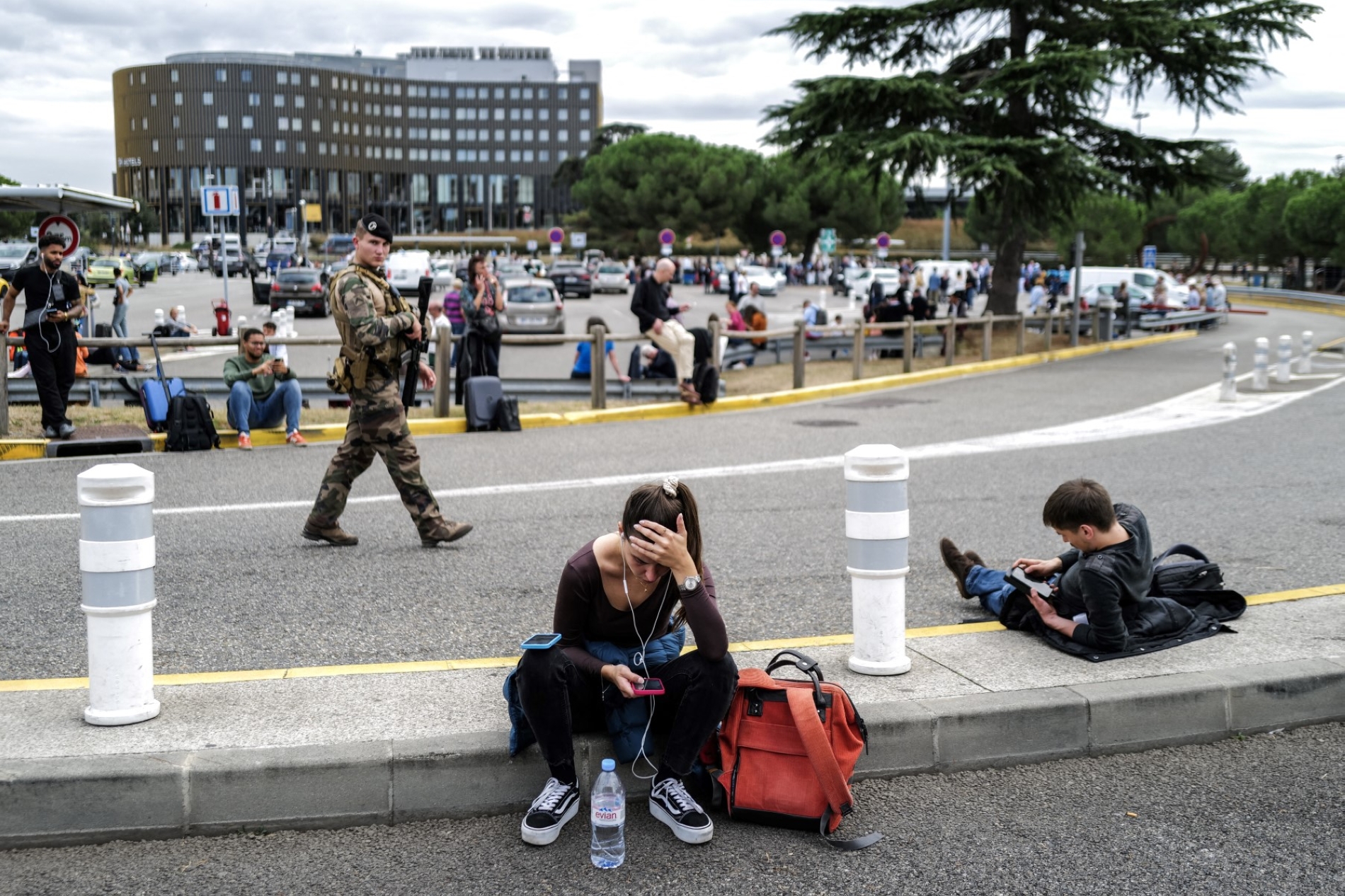
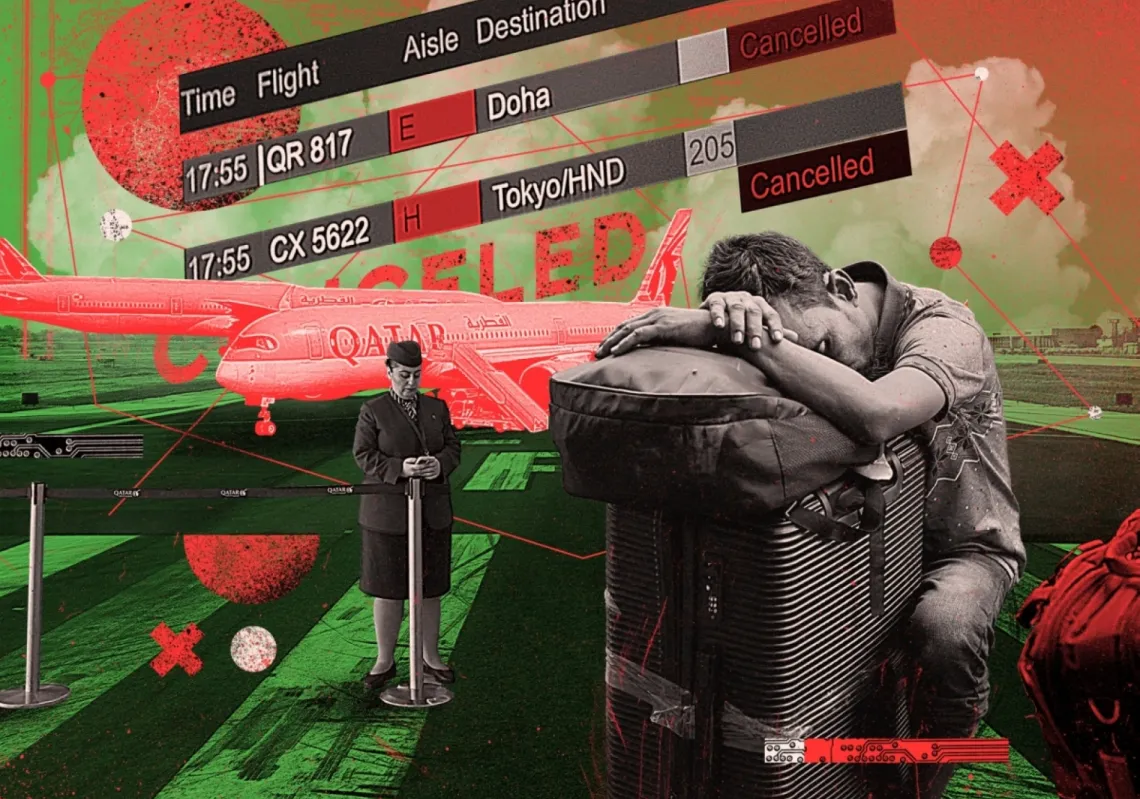
Once it touches down, the passengers disembark, the baggage is unloaded, and the aircraft is moved to an isolated position for inspection. Even if the threat proves to be a hoax, as is usually the case, operations do not instantly return to normal. The crew may already have exceeded its legally permitted working hours, passengers may have missed connecting flights, and the aircraft may be late for its next scheduled service. The airport to which it has been diverted also has had to accommodate an unexpected aircraft and allocate runway capacity, security teams and ground services to it.
The negligible cost of disruption compared to the huge cost of responding to it has made hoax threats a highly effective form of economic sabotage.
The problem came sharply into focus in the first week of November 2026, when hoax threats targeted dozens of flights across Europe. The totals vary depending on whether they include aircraft that received threats but continued to their destinations. Even so, some media counts identified at least 34 affected flights over the course of several days. On one day alone, AFP reported that about 20 flights had been targeted, three of them diverted and at least five escorted by military aircraft.
The incidents involved flights connected with Britain, Ireland, Italy, Bulgaria, Poland, the Czech Republic, Romania, Denmark and Finland. Some aircraft were diverted to alternative airports, while others were searched after reaching their intended destinations. No explosives were found in the publicly reported cases, and the authorities have produced no evidence establishing that a particular state or organisation was responsible, or that all the messages came from the same source.
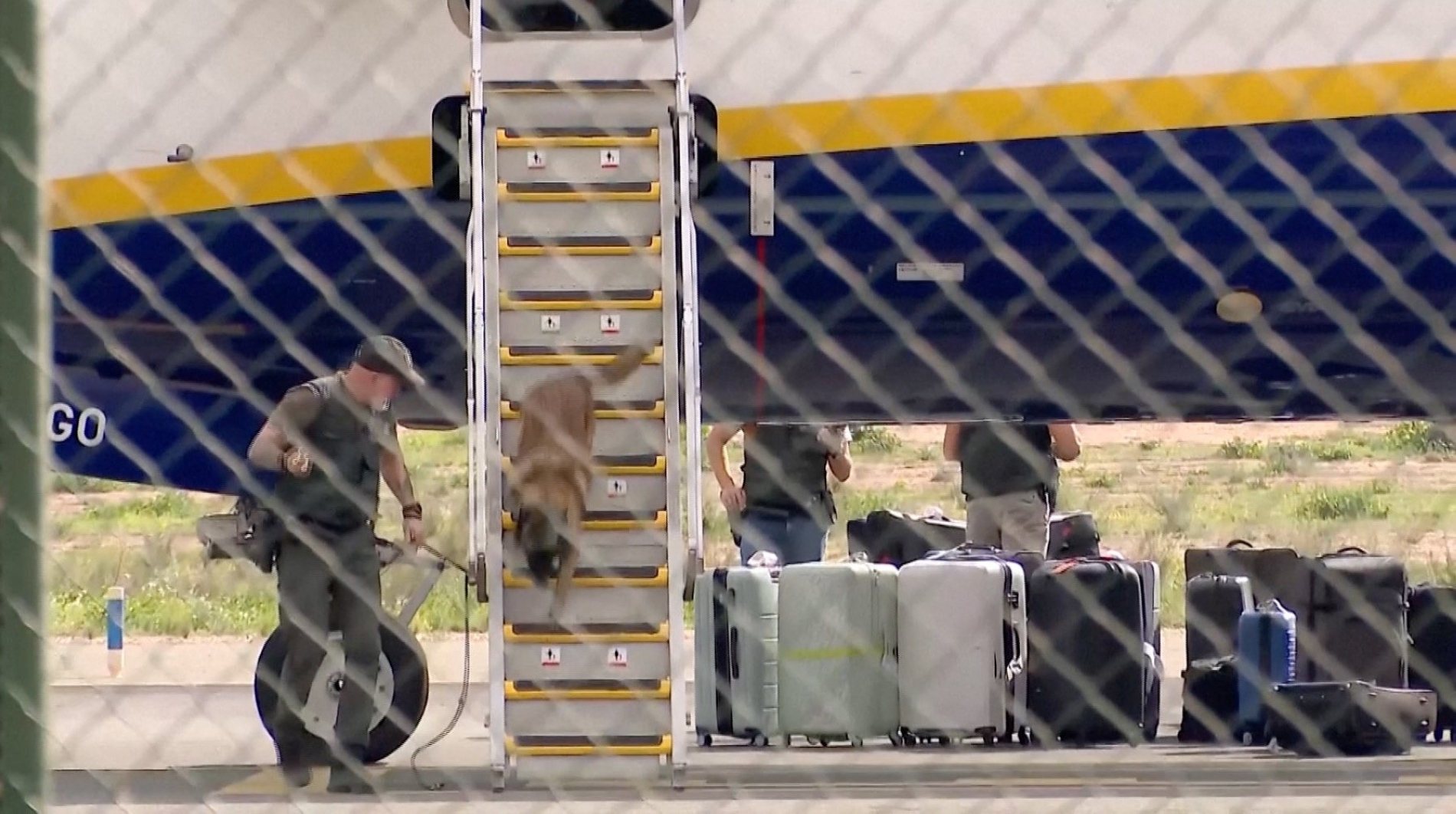
That distinction matters. Against the backdrop of European security tensions and discussion of hybrid attacks in the context of Russia’s war against Ukraine, it is easy to attribute such incidents politically before investigations are complete. The possibilities still range from a coordinated campaign and an online group to people copying earlier threats after seeing the resulting publicity, or individuals acting for entirely different reasons. The aim may have been to undermine confidence in air travel, test the speed of national responses or simply cause the greatest possible disruption with the least possible effort.
The European Union activated its aviation-security information-sharing mechanism after incidents affected 12 countries in a single day. The wave nevertheless exposed a structural difficulty: an aircraft may depart from one country, while the airline receives the threat in a second, the flight crosses the airspace of a third and ultimately lands in a fourth. Any delay or inconsistency in assessing the message adds precious minutes to the decision-making process and further costs to the flight.