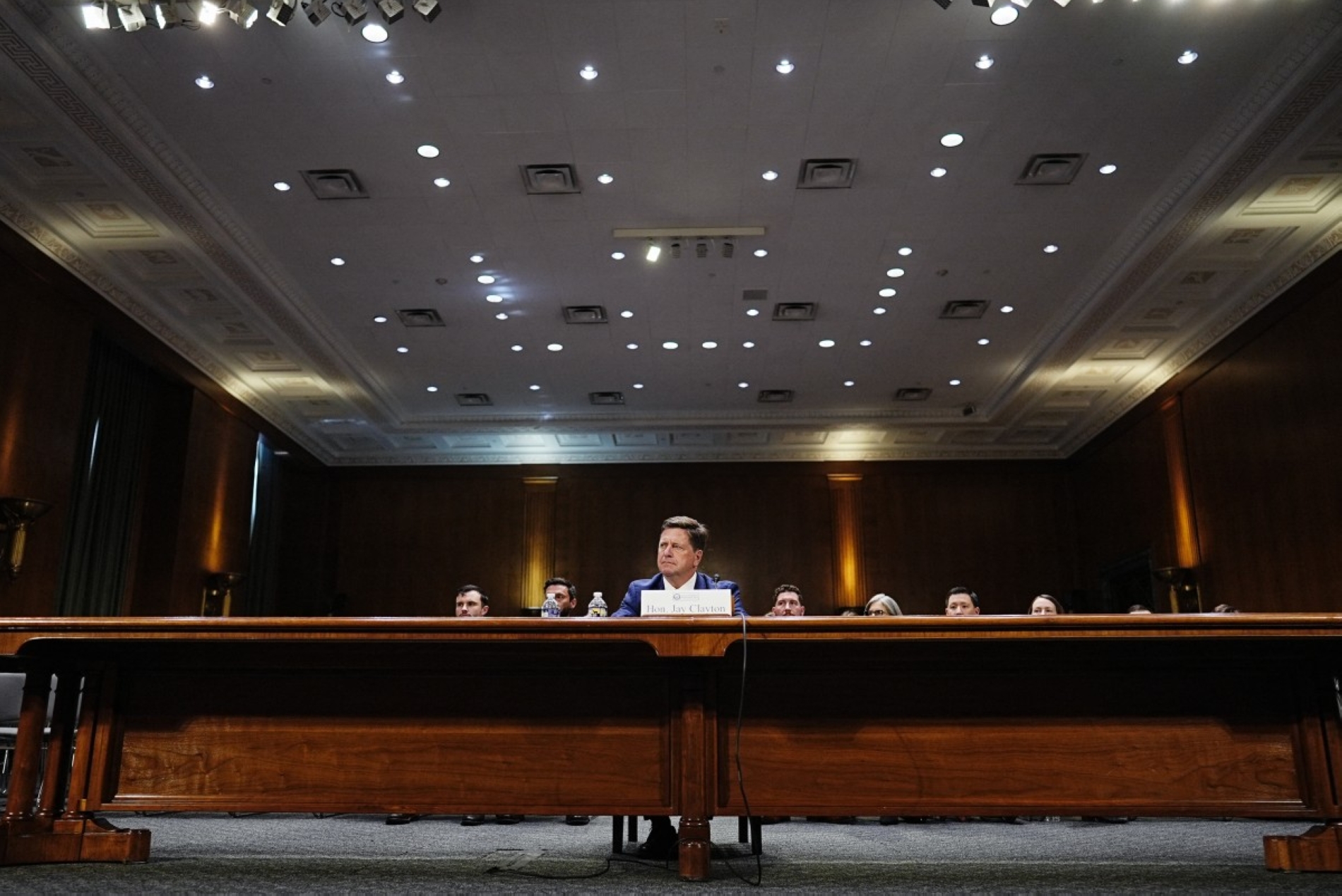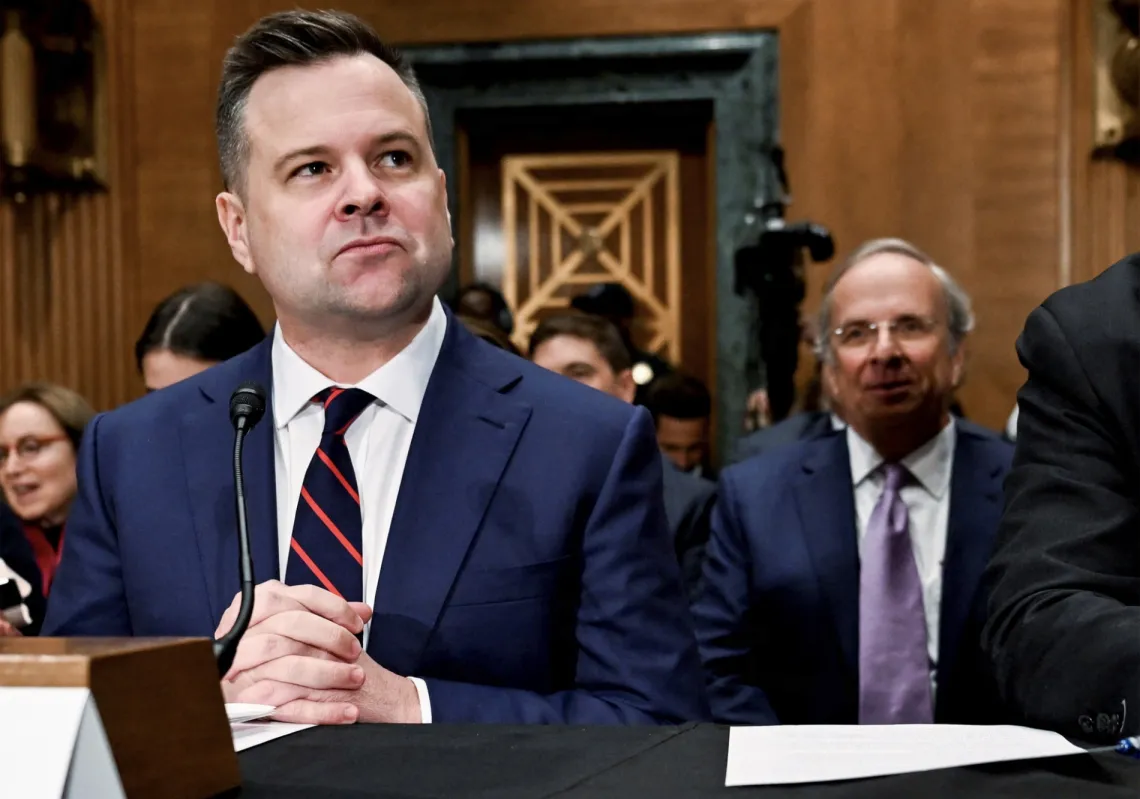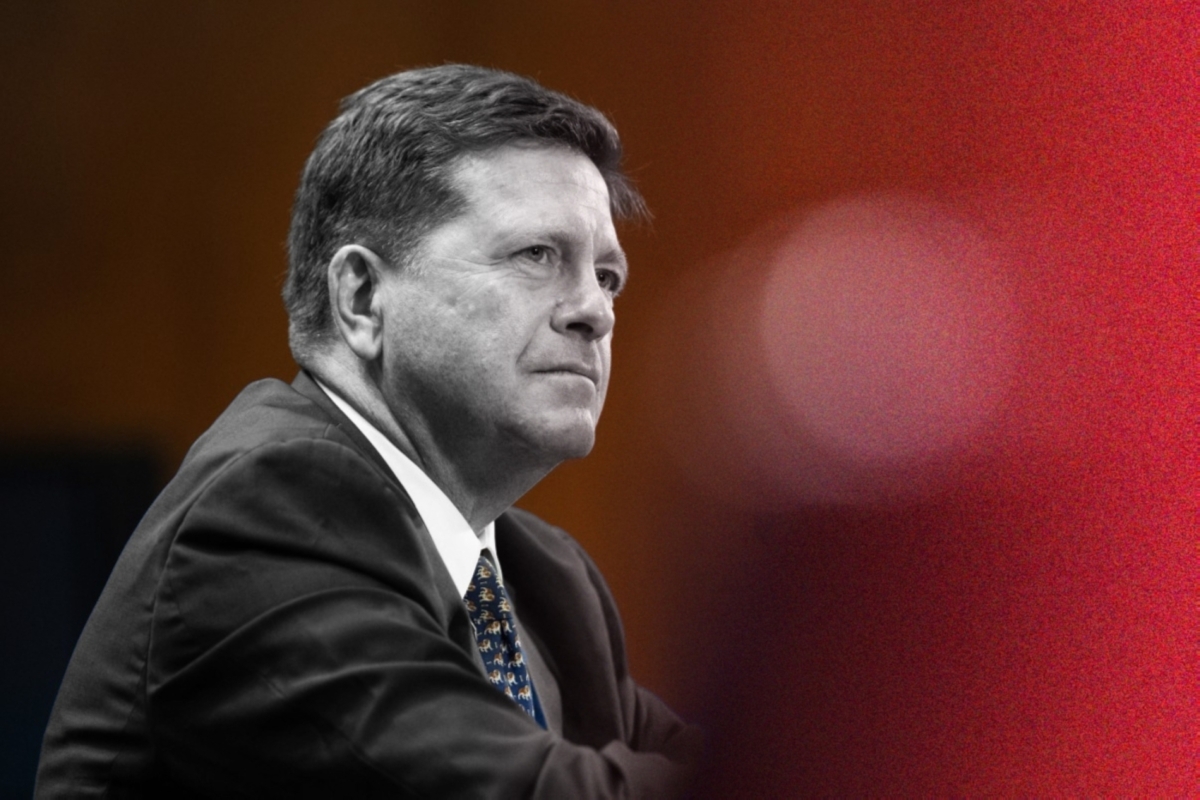

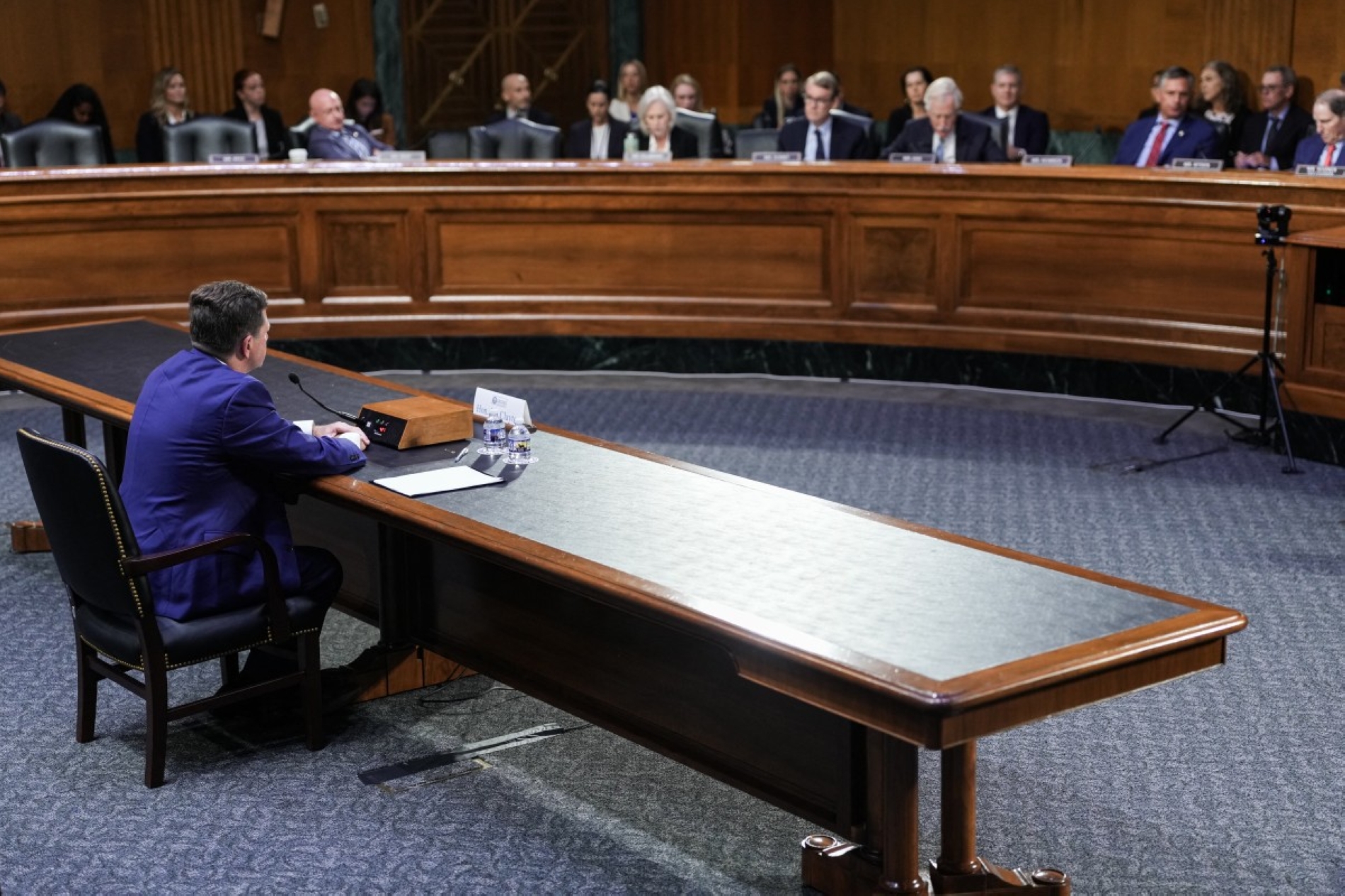
At his Senate confirmation hearing for the post of Director of National Intelligence (DNI), Jay Clayton confronted a line of questioning that reached beyond the remit of the office he was seeking and found himself dodging bullets. Asked repeatedly whether former President Joe Biden had won the 2020 presidential election, Clayton referred instead to Biden’s certification and the constitutional process.
A lawyer favoured by current US President Donald Trump, who recently chaired the Securities and Exchange Commission (SEC), Clayton’s public reputation rests on evidence, institutional procedure, and careful deliberation, so the Senate exchange exposed a central tension: he had to sidestep politically costly conclusions.
He emerged intact and was confirmed by 51 votes to 47. He will now oversee the vast US intelligence community, where his fondness for rigour will come in handy. Those he will oversee will have noted his lack of prior intelligence experience. Indeed, Clayton’s route to intelligence has been unconventional, though not necessarily detached from the demands of the office.
Over more than two decades at the law firm Sullivan & Cromwell, he advised companies on mergers, securities offerings, capital raising, and corporate governance before being chosen by Trump to chair the SEC from 2017-20 and later to serve as US Attorney for the Southern District of New York. In all these roles, he has had to manage risk, evidence, institutional authority, and competing interests, all skills that he will need as DNI. Having been exposed to increasingly complex federal decision-making, he will need to work with intelligence officers trained to assess uncertainty, sources, and threats.
Institutional upbringing
Clayton has consistently portrayed his years at the SEC as an exercise in institutional leadership rather than ideological regulation. He argues that effective public administration begins with a clear statutory mission, practical priorities, professional expertise, and policies that can be implemented and evaluated.
Under him, the SEC pursued more than 2,750 enforcement actions, secured over $14bn in financial remedies, returned approximately $3.5bn to harmed investors, and introduced annual Enforcement Division reports to enhance transparency and accountability. It suggests a leadership philosophy rooted in formal authority, administrative proficiency, and consistent execution.
Although he was a Trump appointee, Clayton’s reputation is not that of an ideologue. Colleagues describe him as pragmatic, for example, willing to work with Democrats and consult widely. Despite that, several big regulatory initiatives still proceeded despite Democratic objections, suggesting that consensus improved decision-making but was not a prerequisite.
His inclination to clarify an action’s legal and institutional basis may help him as DNI, managing inter-agency turf wars. Coordination depends on weighing competing assessments, not eliminating them. Yet Clayton’s handling of institutional pressure seems to have followed a consistent pattern.
After the disclosure of an earlier SEC cybersecurity breach, for example, he ordered an internal review and created senior working groups to reinforce coordination, reporting, and information-sharing. He framed the episode as an institutional weakness requiring clearer authority, more effective procedures, and better implementation, not as an isolated failure. At the SEC, this process-driven approach absorbed political and market pressure while avoiding personal confrontation. Is a similar reliance appropriate for a DNI?
Procedural leadership
The principles that guided Clayton throughout his public career faced their first significant political test almost immediately, as Democratic Senators repeatedly asked him whether Joe Biden won the 2020 presidential election. Clayton replied that Biden had been certified through the constitutional process and insisted that he was “not an election denier” but declined to say that Biden had won.
Senators were seeking to establish whether the new DNI would acknowledge an established fact when it conflicted with the view of the president who nominated him. The 2020 election was neither legally uncertain nor institutionally disputed. Clayton affirmed the process, not the conclusion. To some, this was a concern. Legal precision is fine, but a DNI needs to be decisive. In the role, will he avoid partisan ritual, favouring constitutional procedure over political rhetoric?