
The collapse of the Japanese yen was not a sudden event, but the culmination of a prolonged divergence between monetary policy in the United States and Japan. While the US Federal Reserve kept interest rates high, the Bank of Japan maintained a more accommodative stance, prompting investors to sell the yen and buy the dollar in pursuit of higher returns on US assets.
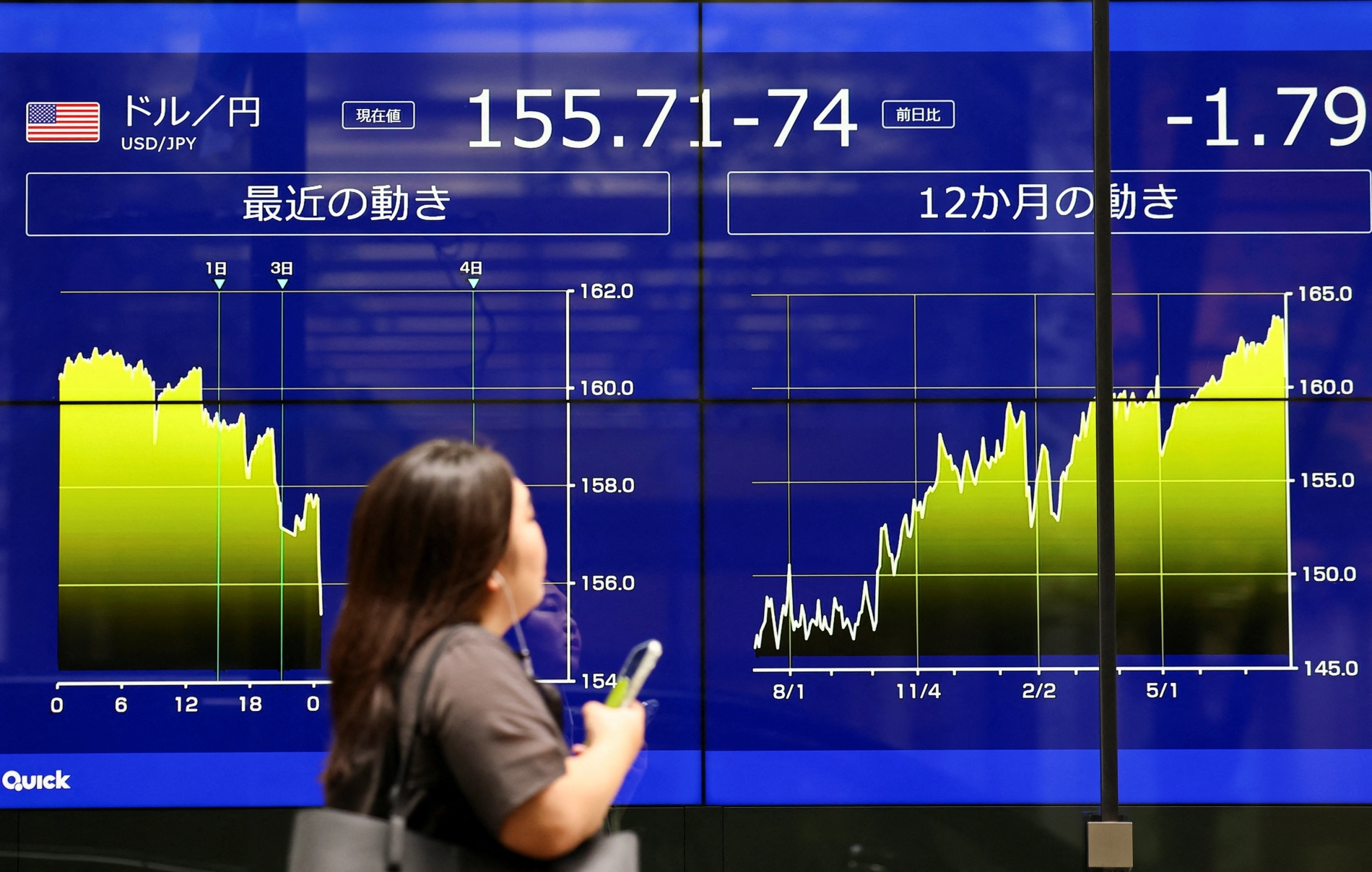
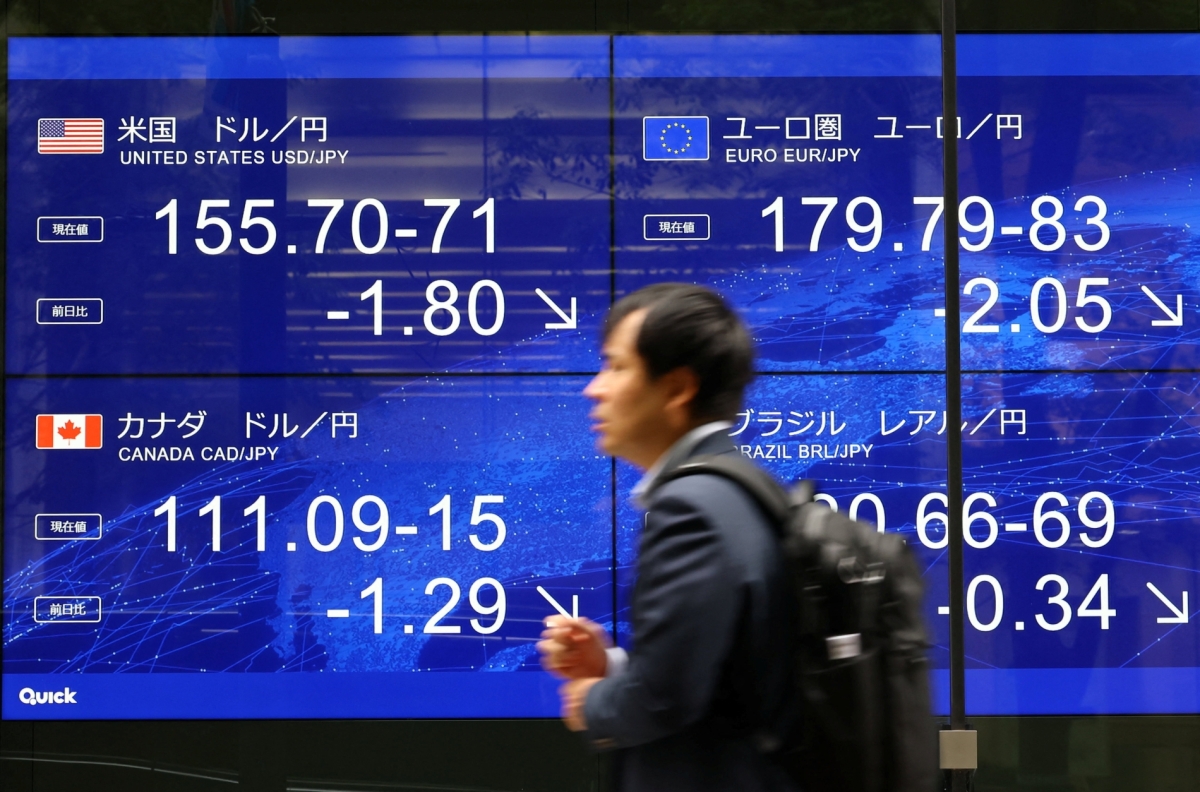
The rise in oil prices caused by the war with Iran also increased Japan’s energy import bill, adding further pressure on the currency, Japan being one of the world’s largest energy importers. As a result, the yen fell to its lowest level in nearly four decades. During New York trading on 21 July 2026, it passed ¥163 to the dollar for the first time since 1986, and stayed there in Asian trading on 22 July, at ¥163.21-163.24 to the dollar. This raised import costs, adding more inflationary pressures to Japanese households and businesses.
To halt the slide, the Bank of Japan decided to keep the interest rate at 1%, its highest level in 31 years, and signalled that it was prepared to continue raising rates gradually if necessary. Yet markets had expected more decisive action and saw the rate-hold as insufficient to stop the yen’s dive, so Japanese authorities intervened in the foreign exchange market, buying yen and selling dollars in New York, the first such intervention in three months.
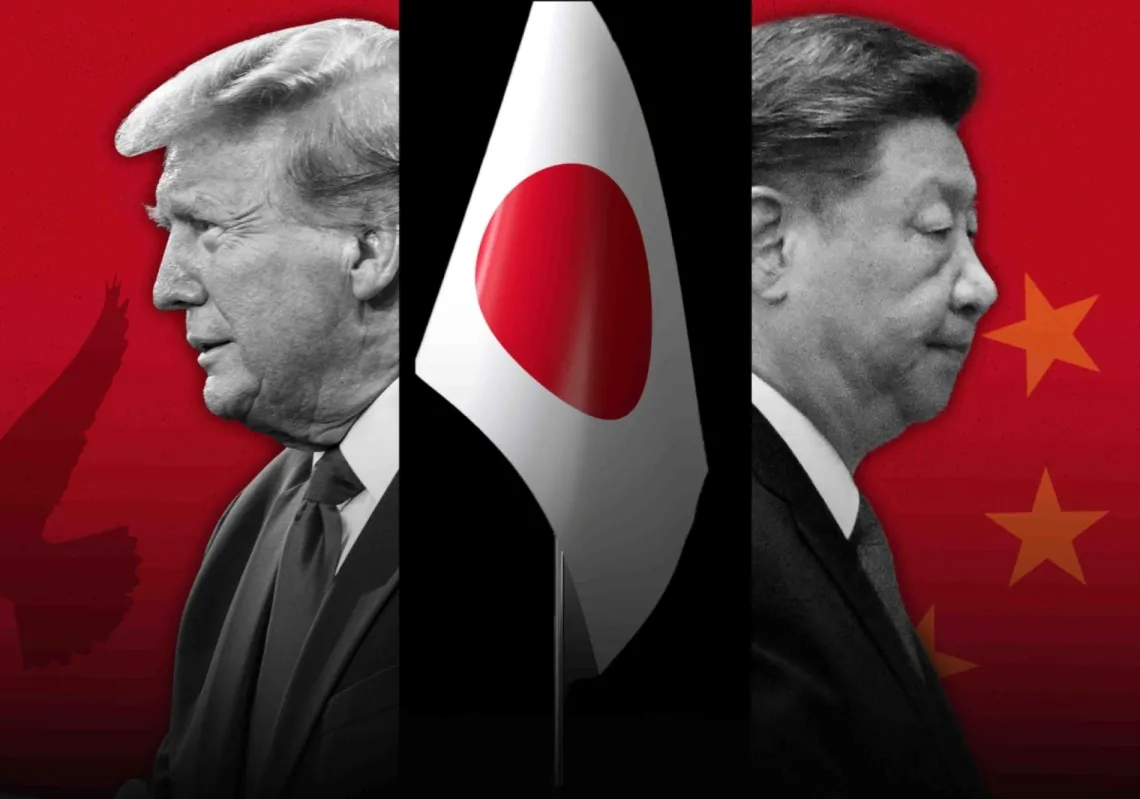
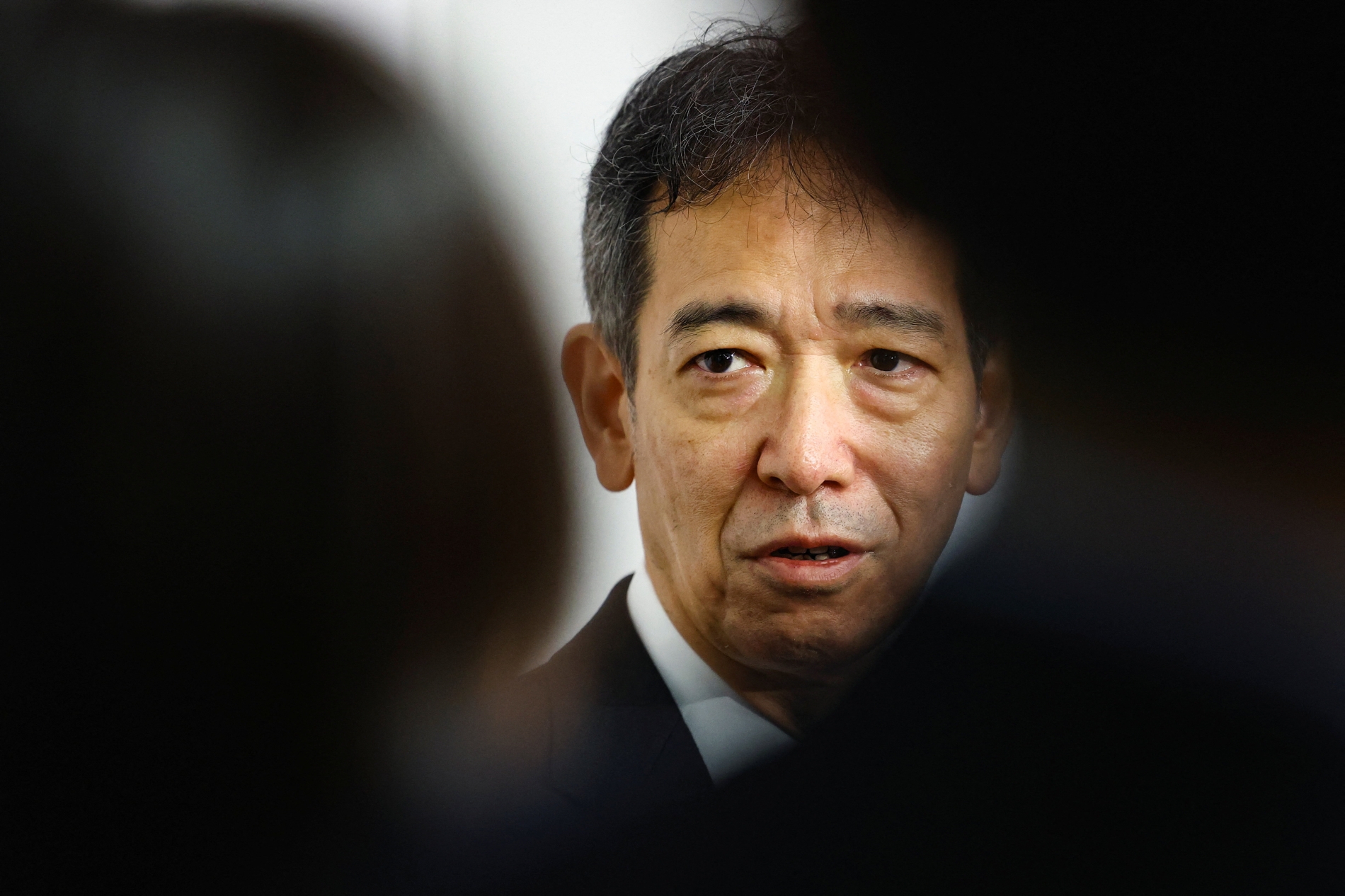
Soon, there were signs that the intervention was not solely a Japanese initiative. Japan’s top currency official, Atsushi Mimura, hinted at US support, while US Treasury Secretary Scott Bessent said the yen “appears to be undervalued”. Days later, US President Donald Trump and Japan’s Ministry of Finance confirmed that Washington and Tokyo had worked together to support the yen—a rare move and the first of its kind since the devastating 2011 earthquake and tsunami.
Working in coordination
It transpired that the US had bought yen and sold dollars to help strengthen the Japanese currency. Japan’s finance minister, Satsuki Katayama, confirmed that the ministry had bought yen “in coordination with the US Treasury”. Documents that later emerged indicated that the US Treasury had planned to buy between $5-10bn worth of yen while selling an equivalent amount of dollars, but the US government has been tight-lipped on the exact figures.
Japan also conducted a large-scale intervention in the foreign exchange (forex) market by buying yen and selling dollars, but the Ministry of Finance declined to reveal the size of the operation. The Nikkei newspaper suggested that the intervention had been substantial. Meanwhile, Washington provided operational support through the Federal Reserve Bank of New York.