New book recalls Beirut’s once-vibrant Jewish quarterhttps://en.majalla.com/node/330877/culture-social-affairs/new-book-recalls-beirut%E2%80%99s-once-vibrant-jewish-quarter
New book recalls Beirut’s once-vibrant Jewish quarter
Veteran Lebanese journalist Nada Abdelsamad transports readers back to the time when Beirut's Jewish quarter, known at the time as Wadi al-Yahud, was thriving
JOSEPH BARRAK / AFP
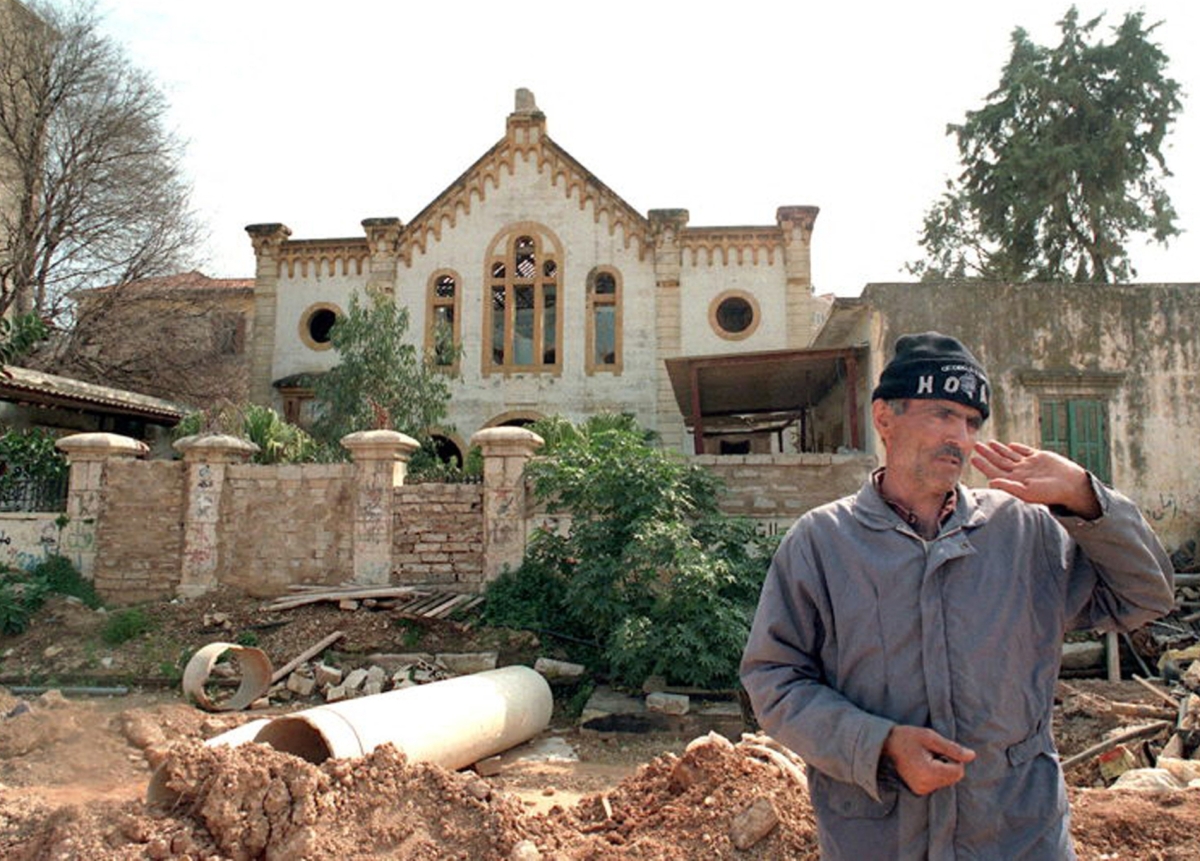
A Lebanese guard stands in front of Magen Abraham, the last Jewish synagogue in Lebanon at Wadi Abou Jmil, Beirut's former Jewish neighbourhood, in the war-devastated city centre.
New book recalls Beirut’s once-vibrant Jewish quarter
In the book When the Jewish Balconies of Wadi Abu Jamil Went Dark, veteran Lebanese journalist Nada Abdelsamad documents the lives of Beirut’s Jews, most of whom resided in Wadi Abu Jamil, the Jewish quarter in central Beirut once known as Wadi al-Yahud (Valley of the Jews).
Abdelsamad has worked for the BBC for over two decades, and her first book was about the first Palestinian intifada. In writing about Beirut’s Jewish community, she anchors the book in real events, rendered in a narrative style that preserves the essence of lives that unfolded in the embrace of the Lebanese capital, with all its differences, religions, sects, and denominations. It is rich in historical episodes that may be unfamiliar to many readers, recounted with grace, fluency, and quiet force.
The author offers vivid descriptions of social life and the points of convergence and estrangement, populated with intricate details from within each community. It is a book about a place that once possessed a story, and about a people who once lived there, before receding from sight.
In practical terms, Lebanon’s Jews are now a memory, but they were once active participants in the life and economy of Lebanon, including during World War II and the Holocaust, when their brethren were being killed in terrifying numbers in Europe. The author concludes that the roots of Beirut’s Jewish community were economic and that with the onset of regional conflict, the community vanished with astonishing speed.
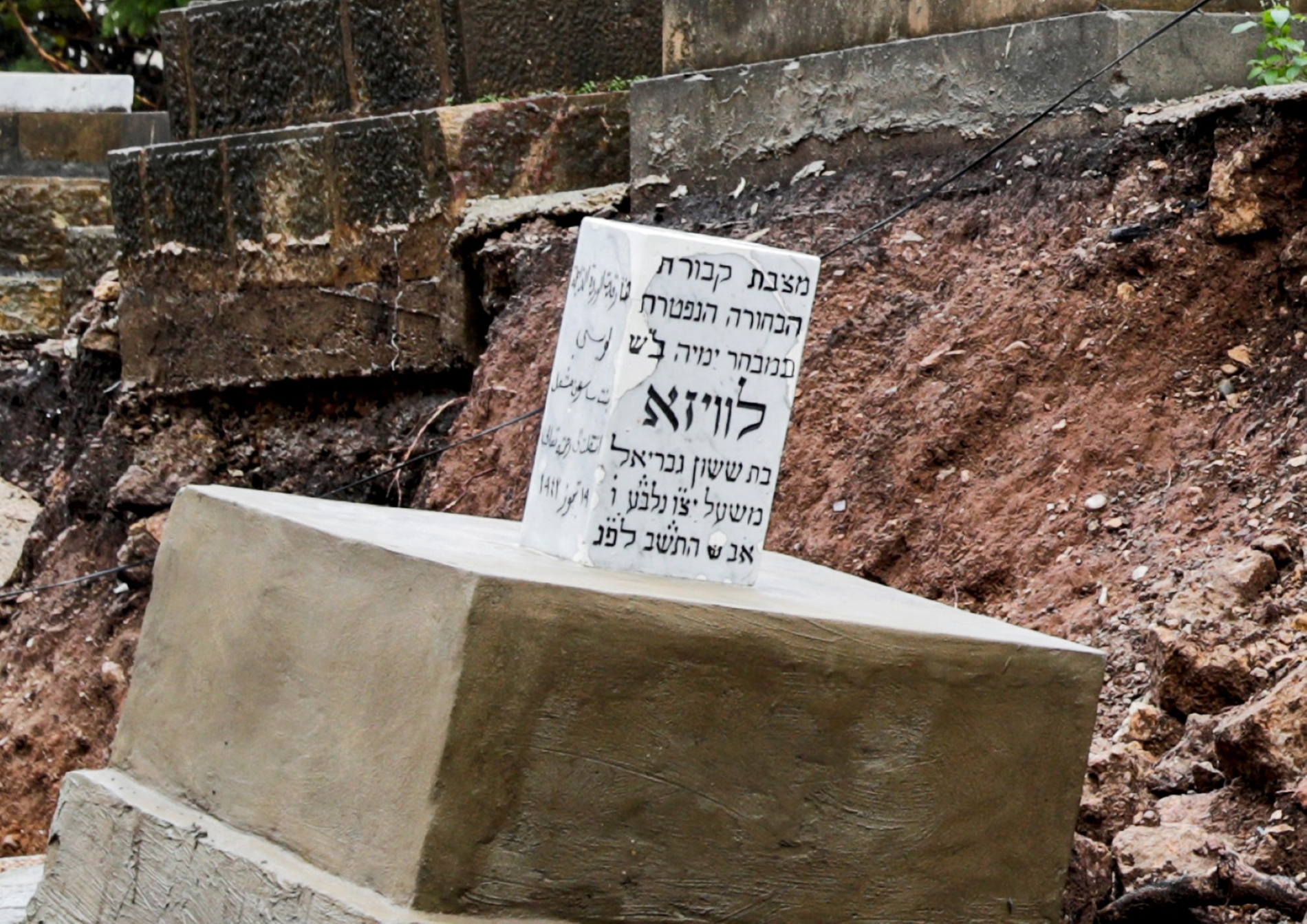
This picture taken on December 26, 2019 shows a grave dating back to 1942 that was damaged as it fell in a mudslide during bad weather in a winter storm at the Jewish cemetery in the Lebanese capital Beirut.
Becoming prosperous
“Tell me again about yourself, remind me; awaken the fire of longing in my heart and in my eyes,” murmured Lisa, a Jewish resident of Abu Jamil, before telling one of the neighbourhood’s inhabitants: “Whoever does not love (Egyptian singer) Umm Kulthum has something in his life that remains incomplete.” With these words, suffused with emotion and longing, the author puts the reader in the middle of central Beirut.
Drawing on the oral memory of Beirut’s Jews in Wadi Abu Jamil, she traces what happened, lifting the layers of the city’s memory. Most Jews of the valley (wadi) were Syrian, from Aleppo and Damascus. Smaller numbers arrived over the years from Iraq, Iran, Türkiye, and Greece. From Izmir, Tehran, Salonika, Istanbul, and Baghdad, they came and settled.
The valley’s alleys were narrow and densely built, lined with small two- or three-storey houses clustered around modest courtyards in the French style. Patches of greenery were scattered throughout, often marking the boundaries of a home and shielding its interior from view.
Most Jews of the valley were Syrian, from Aleppo and Damascus. Smaller numbers arrived over the years from Iraq, Iran, Türkiye, and Greece.
The Jewish community reached the height of its prosperity in the 1920s, when the 'Israelite community' had three representatives in the electoral bodies of Lebanese cities and towns: Ibrahim Fabieh, Ibrahim al-Hakim, and Haroun Farhi. There was also a Jewish council dedicated to the affairs of Lebanon's Jews. Their concentration in Wadi Abu Jamil was, moreover, an economic choice rather than an act of compulsion, contrary to the familiar image of the ghetto.
Still growing
Coinciding with the Nakba (Catastrophe) in Palestine in 1948, Jewish migration from neighbouring countries to Lebanon increased, making Lebanon the only Arab country whose Jewish population grew after the formation of the State of Israel. Among the arrivals was Moussa, the son of an Iranian Jewish paper merchant, who soon became the principal supplier of paper to Jewish associations and institutions, as well as one of the major traders in the local market.
There was also Hay, the textile merchant from Iran; Joseph Farhi; Salim Trab; Dr Hosni Shams, the 'doctor of the poor'; Salim Mizrahi, the communist migrant from Iraq (who was killed in 1991 by an Iraqi missile strike on Israel); and Moussa Zeitouni, the Iraqi textile merchant in the Sursock market, a committed communist who was expelled from the Communist Party because he was Jewish.
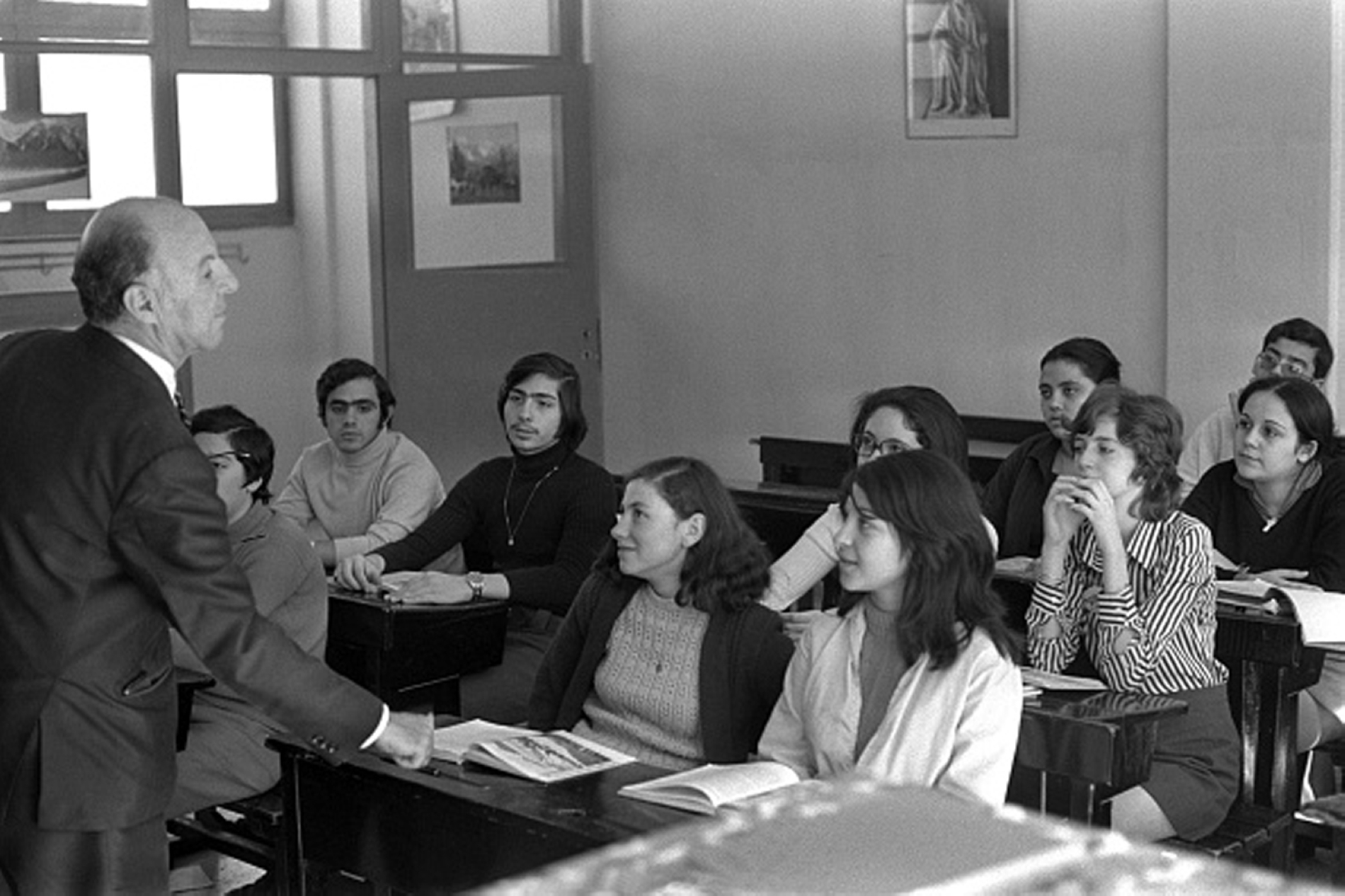
A Muslim teacher gives Arabic lessons to Jewish students at the Alliance school, 1 November 1972, in the Lebanese capital of Beirut.
The number of Jews who left for Israel during that period remained small, while the community in Lebanon grew, its members entering finance, commerce, and journalism. The author recalls the names of several Jews who held important positions in the Lebanese state, including Noha, a Jewish woman who became a director-general, and Elia Bassil, who became a colonel in the Lebanese gendarmerie (now the Internal Security Forces). Among the community's most prominent families were Abadi, Cohen, Srour, Safra, Meta, Sassoon, Zilkha and Politi.
In journalism, The Israelite World appeared in the early 1920s under the editorship of Eliyahu Mann, before later being renamed Al-Salam. Tawfiq Mizrahi also founded the French-language magazine Commerce du Levant, which he later sold the licence for. In education, Jewish pupils attended Alliance schools, where French was taught. Hebrew was an optional subject, taught under the supervision of Rabbi Eliyahu Khabieh. The author notes that "despite the Jewish elite's deep immersion in Beirut's economy, and despite sending their children to Jesuit schools, sectarian identity remained the final barrier, surviving every outward sign of integration".
Exploring Jewish lives
This book is not a history of Beirut's Jews, but a collection of true stories about Jews in Lebanon, specifically in Wadi Abu Jamil. Among those we encounter is the young Marco Mizrahi, son of Mary al-Saman, who emigrated to Israel and served for two and a half years in the army before becoming a reservist. During the 1973 war, he was called up to fight. After the war ended, he returned to his work in the diamond trade.
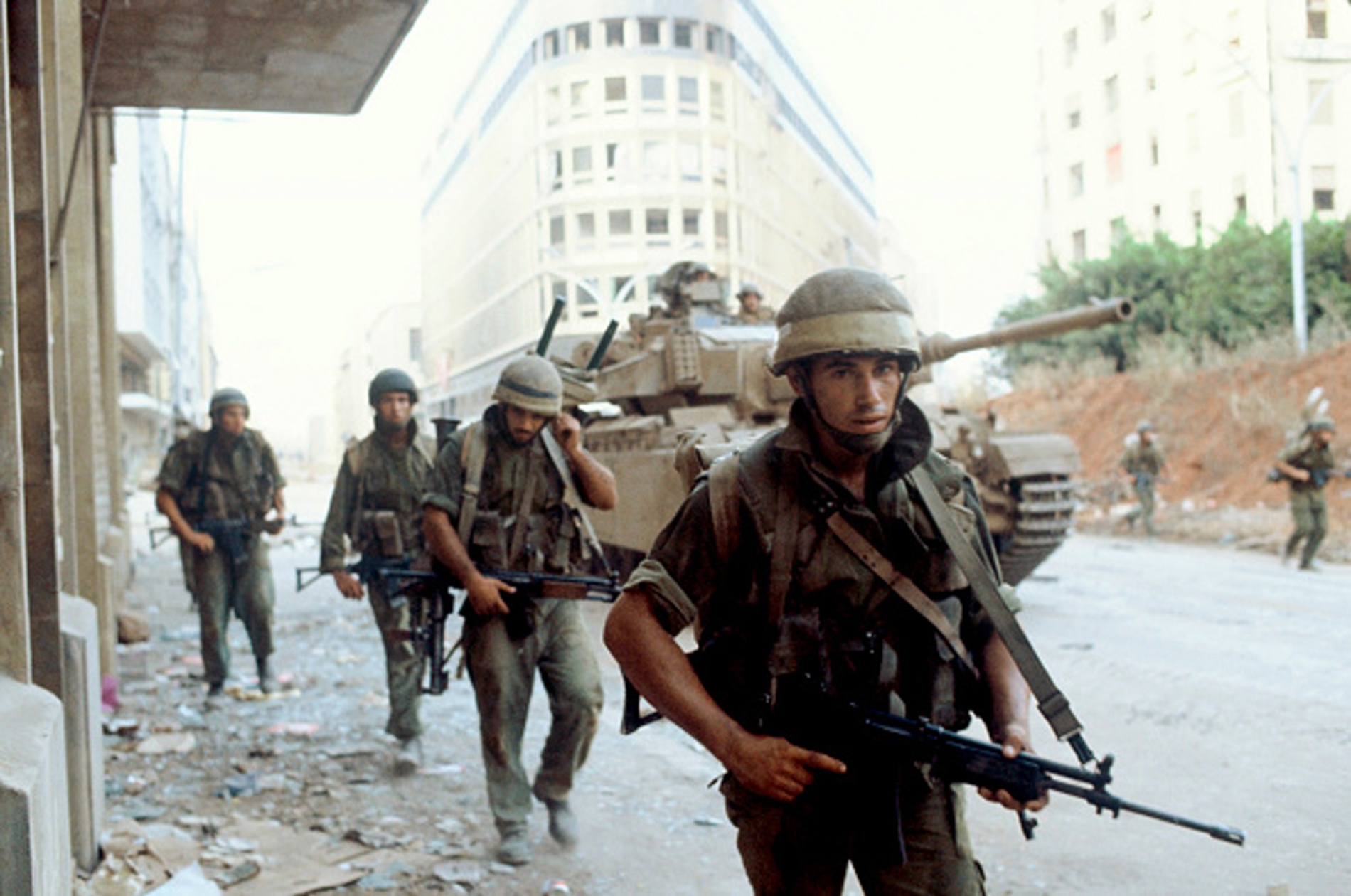
During the 1982 invasion of Beirut, Marco was called up once again. Israeli forces reached the heart of Beirut, and when Marco arrived in Bhamdoun, he took the Israeli officer to show him the family's summer house. Marco recounts that he entered a church with the officer, where the Lebanese Christian leader Samir Geagea was present. Being a Lebanese Jew, Marco acted as an interpreter and says the Israeli officer spoke with Geagea about massacres committed in the area by his men.
Another young man from Wadi Abu Jamil's Jewish community is Mike, the son of David Bensliano, who came with the Israeli army during the 1982 invasion of Lebanon, as did Fadi, the son of Farhi, owner of the neighbourhood's most famous pharmacy. The two men stormed the quarter heavily armed, searching for the brother of their former neighbour, Mahmoud, who was accused of carrying out an operation against Israeli soldiers in Beirut. They believed him to be of Palestinian origin, or affiliated with a Palestinian organisation, and arrested Younis, Mahmoud's brother. It later emerged that he was not the man the Israeli group had been seeking.
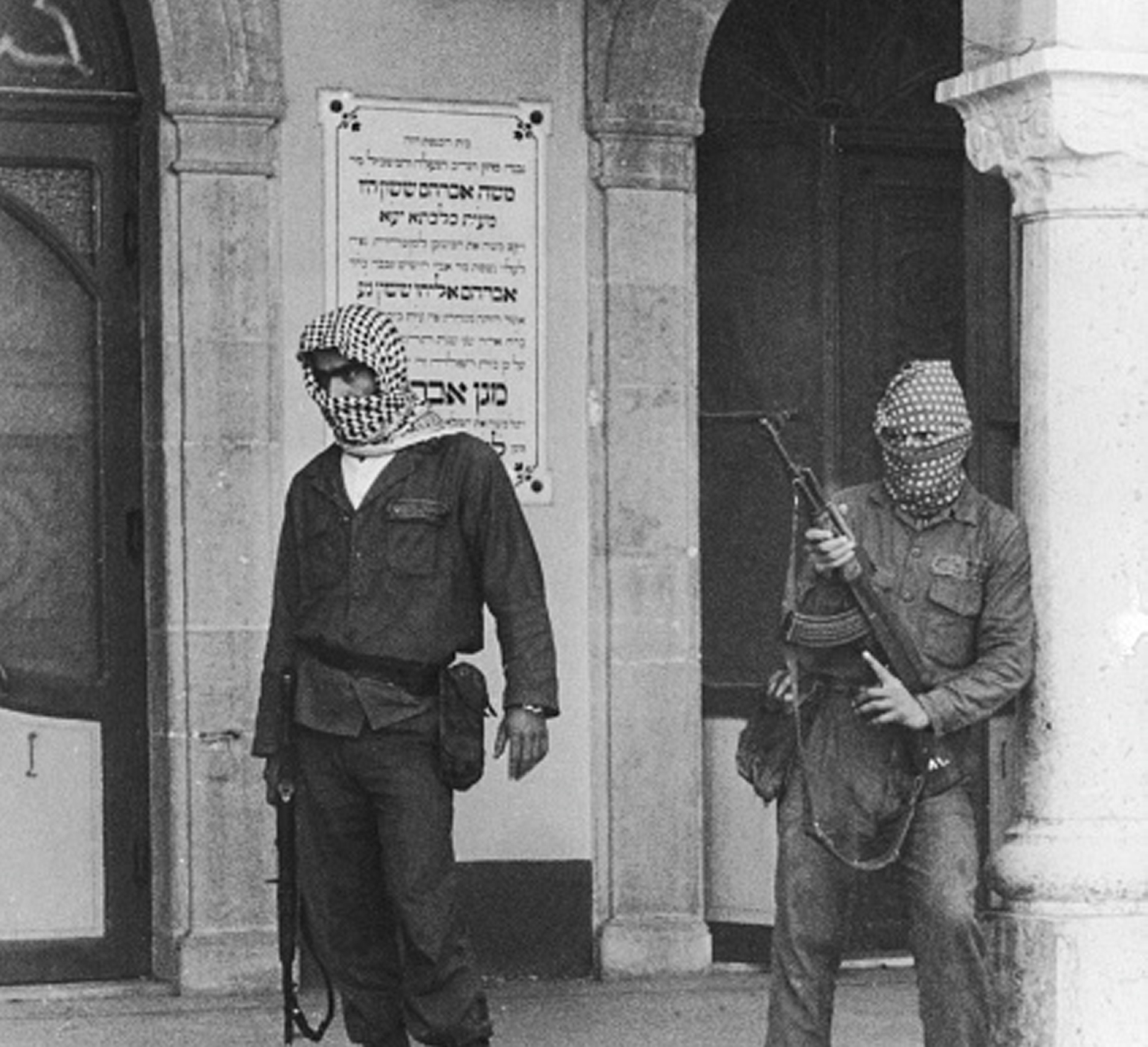
Guerrilla fighters guard a synagogue in the Jewish quarter of Beirut, during the Civil War in Lebanon, on 29 December 1975.
The Jewish Sabbath
With a finely tuned narrative instinct, the author manages to reconstruct scenes from markets, homes, rituals, occasions, and weddings in a manner alive with sensory detail. She offers a description of customs and practices among Lebanon's Jews that have grown increasingly rare, and explains that the rituals of the Sabbath (Shabbat) require abstention from lighting fire from sunset on Friday until sunset on Saturday.
In her book Letters from Violette: A Journey Through the Life of the Jews of Baghdad, Jewish writer Violette Shamash says: "Saturday was different from the rest of the week, while Friday was the most exciting day of all, because it preceded the Sabbath, when preparations began with the shohet (the kosher butcher).
"Everyone had to bathe on Friday evening in order to be pure when the Lord's Day arrived." She adds: "We used to eat a quick, simple meal of pumpkin before entering the bath." Jewish women were required to enter the mikveh, the ritual bath used for female purification. The rite required them to undress completely.
Signs of identity
Among Eastern Jews, it was customary to hang a mezuzah on the doors of their homes. This is a scroll placed in a small case, inscribed with a brief prayer for the protection of the household and all who live within it. In Wadi Abu Jamil, some Jewish residents hung a scroll of the Five Books and the Ten Commandments at the entrance to their homes, seeking its blessing as they entered and left.
Abdelsamad's book also examines the rituals of arranged marriage, which were common in Jewish society. Negotiations could resemble those of a commercial bargain, requiring much the same measure of calculation. "Financial assistance was provided for the ceremonies and obligations of marriage, especially since the girl's family paid a sum of money, known as the dota, which was equivalent to the muqaddam among other sects." The sum rose or fell according to the girl's perceived 'advantages'. If she were beautiful, educated, and from a wealthy family, the amount decreased.
Israeli troops march in West Beirut after the assassination of the Head of the Lebanese Forces, Bechir Gemayel, on 14 September 1982.
Spies of the Valley
Addressing the issue of Jewish spies, the book presents examples known to Lebanese society, including Shula Cohen-Kishik, also known as Shulamit, who was born in Jerusalem to Jewish parents. Her father was a merchant who worked in Argentina, and Shula married the textile trader Joseph Kishik in Lebanon. Her Mossad codename was 'the Pearl,' and she was one of the agency's most influential assets.
Through her husband, Shula asked one of the itinerant vendors (who she had previously met in her husband's shop) to deliver a message to anyone in the settlement of Misgav Am, adjacent to the border town of Adaisseh. She wrote the letter in Hebrew, identifying herself, giving her address in Wadi Abu Jamil and her family's address in Jerusalem. A Mossad agent arrived late at night, knocked on her door, and introduced himself as Moussa.
Shula's first missions included smuggling Syrian Jews through Metula into Palestine and expanding her relations with Lebanese social, political and military elites. She also befriended her husband's acquaintances, where they frequented, including the casino. She built up a network of senior officials in sensitive ministries such as Defence, Interior, and Finance, drawing upon her beauty and social intelligence. She met ministers, parliamentarians, and security figures at parties she hosted at her home.
Lebanese intelligence arrested her in 1961 on charges of espionage and of smuggling Jews into Israel with the participation of the Maccabi Club and the Ben Zion organisation. She was sentenced to death, but this was later commuted to life imprisonment. After seven years in the women's prison in Raml al-Zarif, she was released in a prisoner exchange.
Beginning to leave
The book recounts Adel standing on the shore of Ain al-Mreisseh in Beirut, pointing at the open sea beyond the tower of the American University, and saying with great confidence: "Boats flying the American flag would approach from that direction to transfer Jews to a large ship off the coast, which would then take them to Israel." This coincided with intense activity by agencies specialising in Jewish migration to Israel.
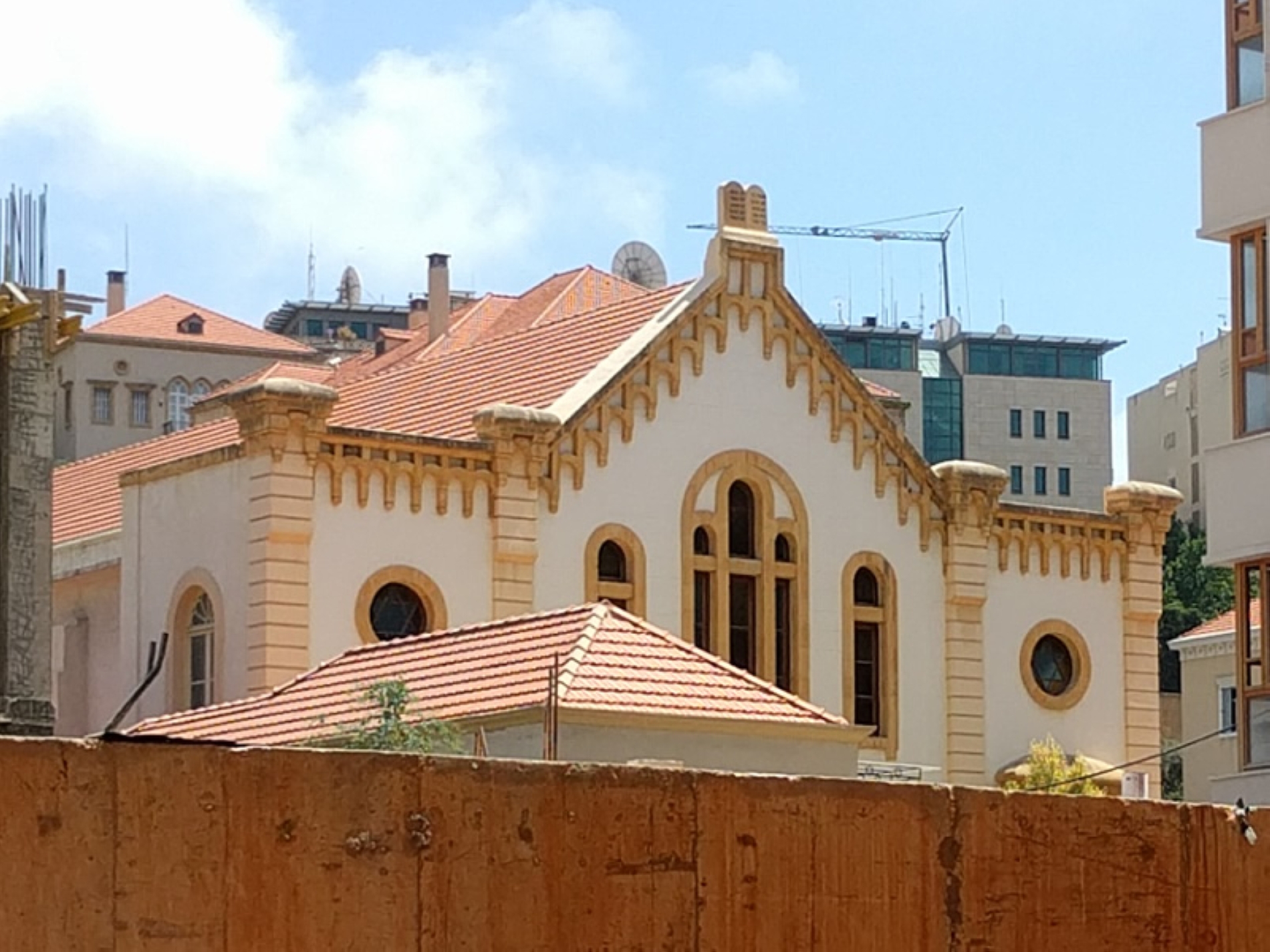
Maghen Abraham Synagogue, in the Wadi Abu Jamil neighbourhood.
Among the influential figures of that period who encouraged the Jews of Wadi Abu Jamil to leave was Rabbi Magen Abraham, who served as the valley's synagogue's rabbi. He would sit on a small chair in one of the streets, watching passers-by and following the movement of the neighbourhood. Here, the symbolism of Jewish presence is evident in the synagogue of Wadi Abu Jamil, which bore witness to the community's inherited traditions, customs, marriages, and rituals.
This is no elegy for a vanished community, but an examination of the mechanisms of its daily life, its relations with colonial and local powers, and its role in the making of modern Beirut. The book quotes former Lebanese President Charles Helou (1964-70) telling a Jewish delegation: "We know that Lebanese Jews visit Israel, with which we are still in a state of war, and we turn a blind eye. But I ask you to tell them not to joke on the pavements about these trips." Some residents of the Jewish quarter went to Israel for army service, then returned to Lebanon.
The silent departure
The declaration establishing the State of Israel marked a turning point. On 14 May 1948, the announcer on Radio London could be heard in the homes of Wadi Abu Jamil carrying the news that David Ben-Gurion had proclaimed the establishment of the State of Israel. At that moment, the valley's streets and lanes emptied. Everyone was at home. Fierce battles raged in Palestine. Images of the dead, and of terrified Palestinians fleeing on foot, dominated the news.
As conditions deteriorated, more Jews left after the 1967 war. In 1978, shortly after the outbreak of Lebanon's civil war in 1975, the country's last chief rabbi, Shahoud Shraim, left Lebanon. All around, the balconies of Wadi Abu Jamil in Beirut were dark. Some Jews who left Lebanon later said their departure was not caused by persecution, but by fear of the consequences of a conflict larger than the Lebanese state, and beyond the ability of Lebanese society to withstand.
With the departure of Beirut's Jews went the customs of the people of Wadi Abu Jamil, such as the itinerant vendors in the vegetable markets, leaving only the narrow streets and alleyways named after the families who lived in them: the Mann alley, the Farhi alley, the Mizrahi alley. A people gone, then, but not quite forgotten.