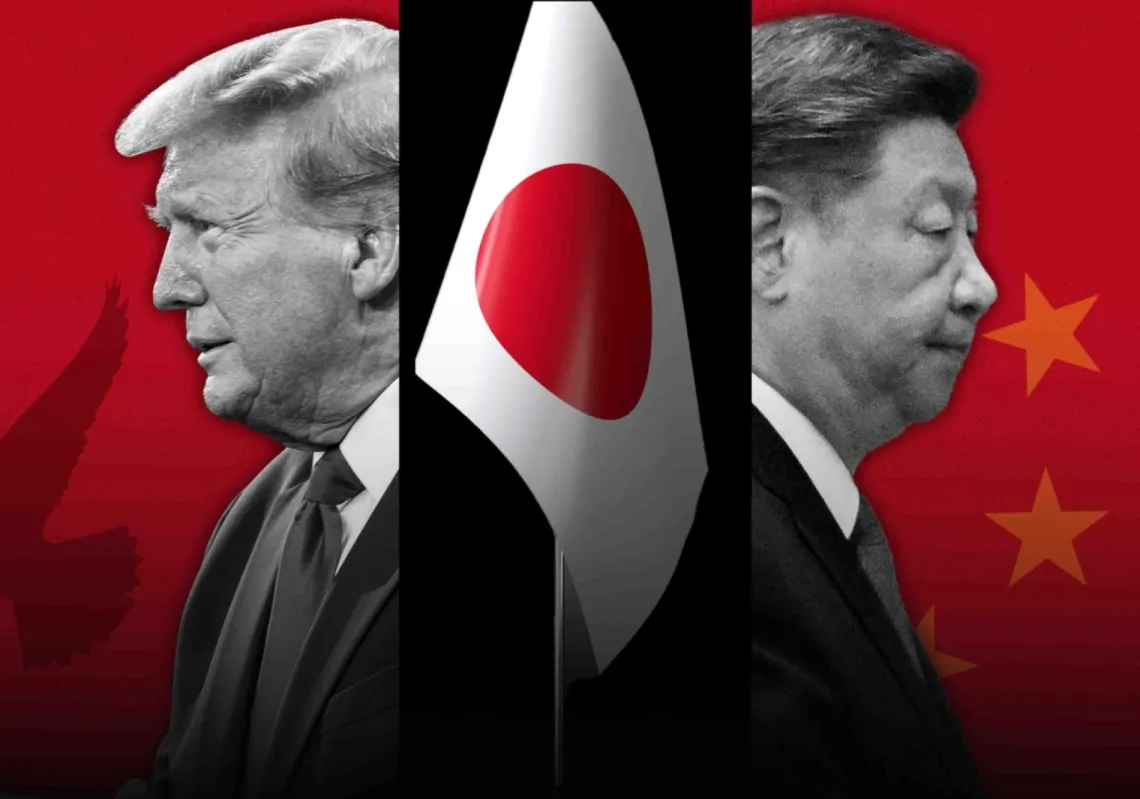
While the world discusses Beijing's ascendancy and the rivalry among great powers, Tokyo forges its own path—one dotted with patience, discipline, and strength
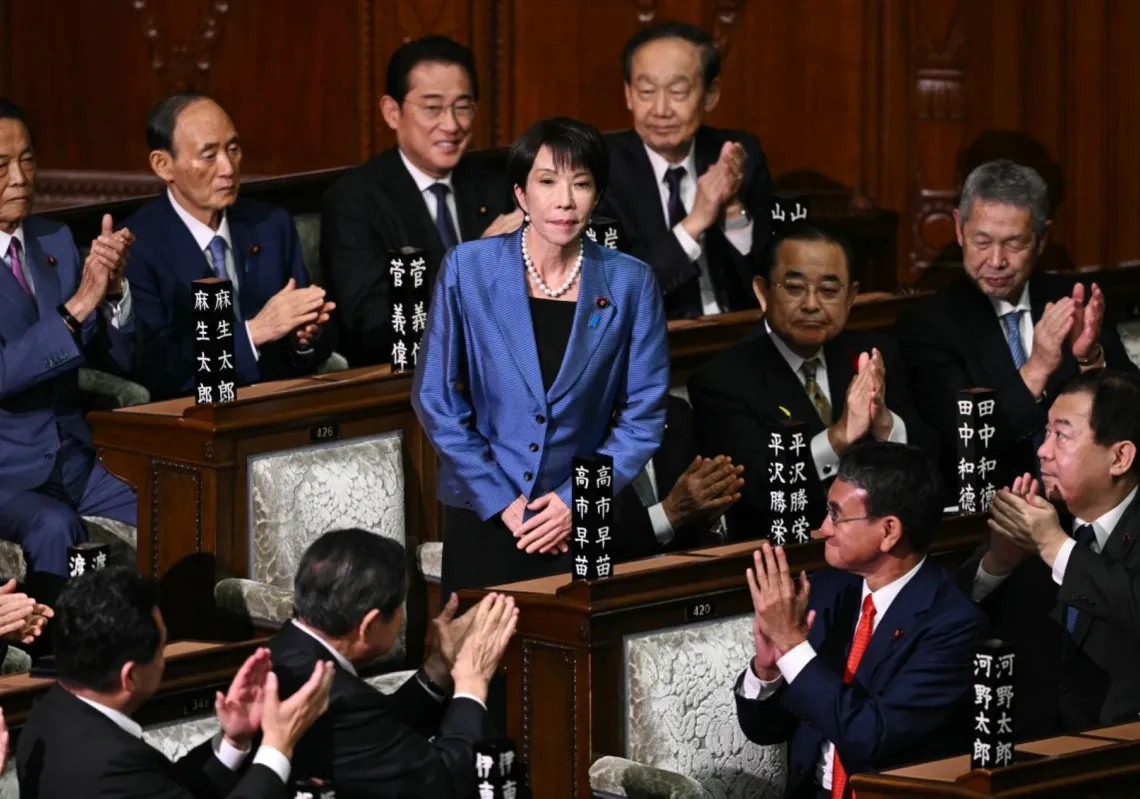
Her task will be to balance the country's security imperatives with American expectations regarding burden-sharing, defence spending, and economic cooperation
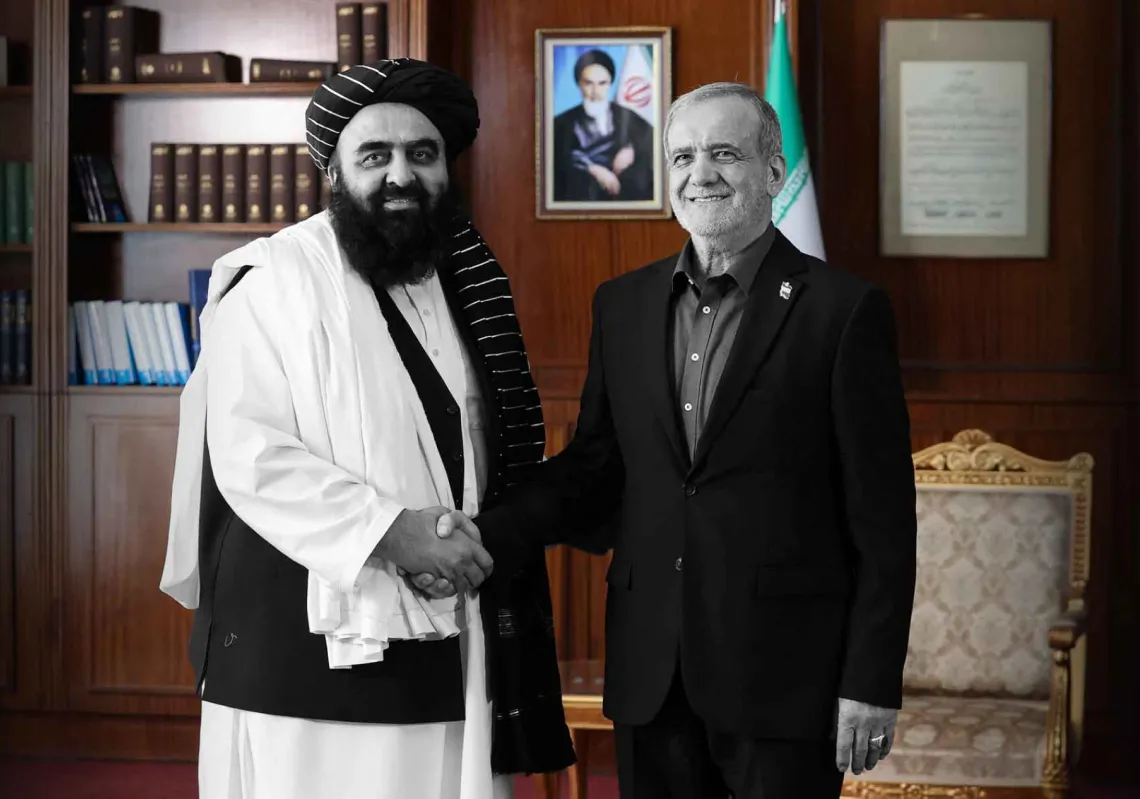
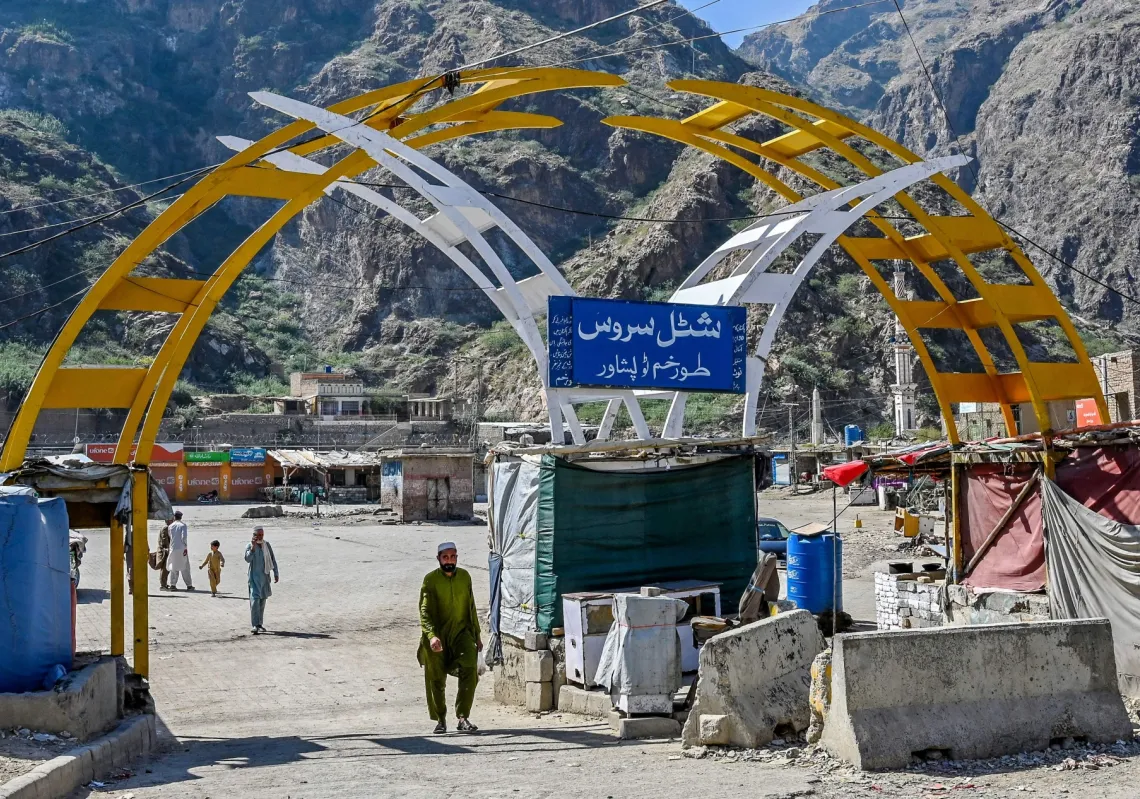
The flare-up is no isolated episode. Rather, it is the most dangerous chapter in a fraught, decades-long relationship that began during the Soviet-Afghan War in the 1980s.
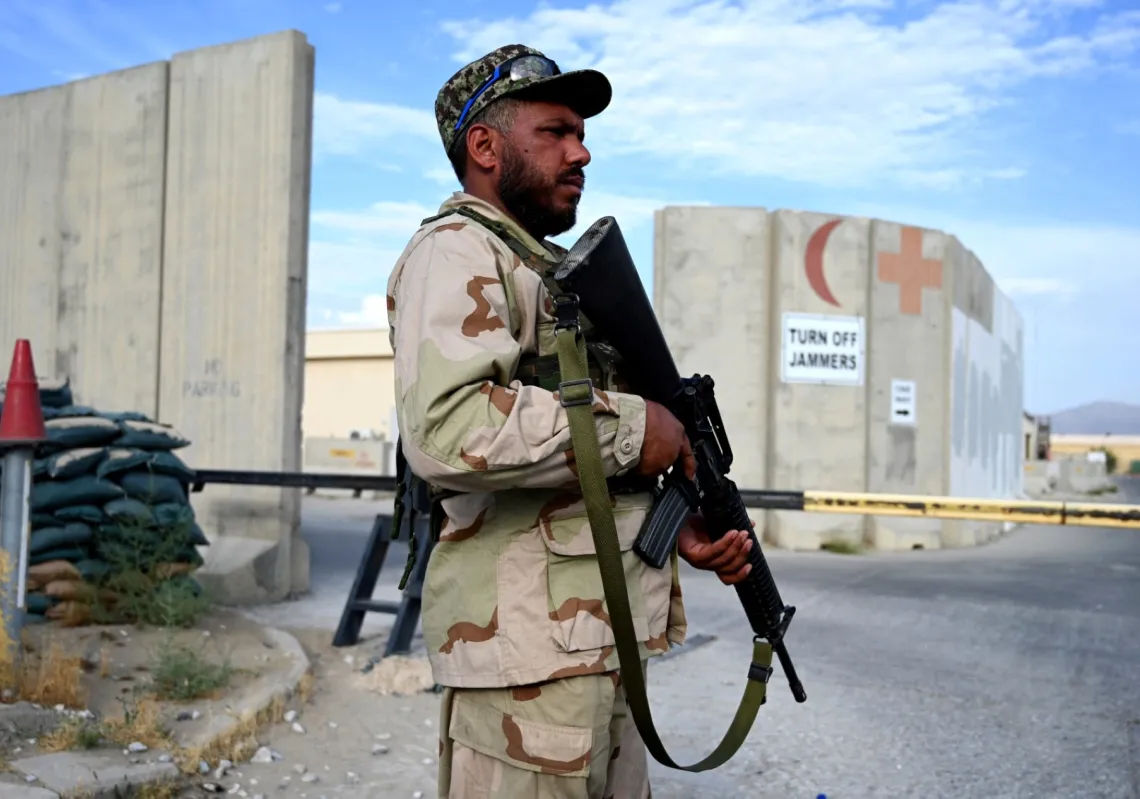
Afghanistan's ancient town of Bagram once sat on the Silk Road, along a key passage from India. Today, it is sought by America, Russia, and China for different reasons that are no less strategic.
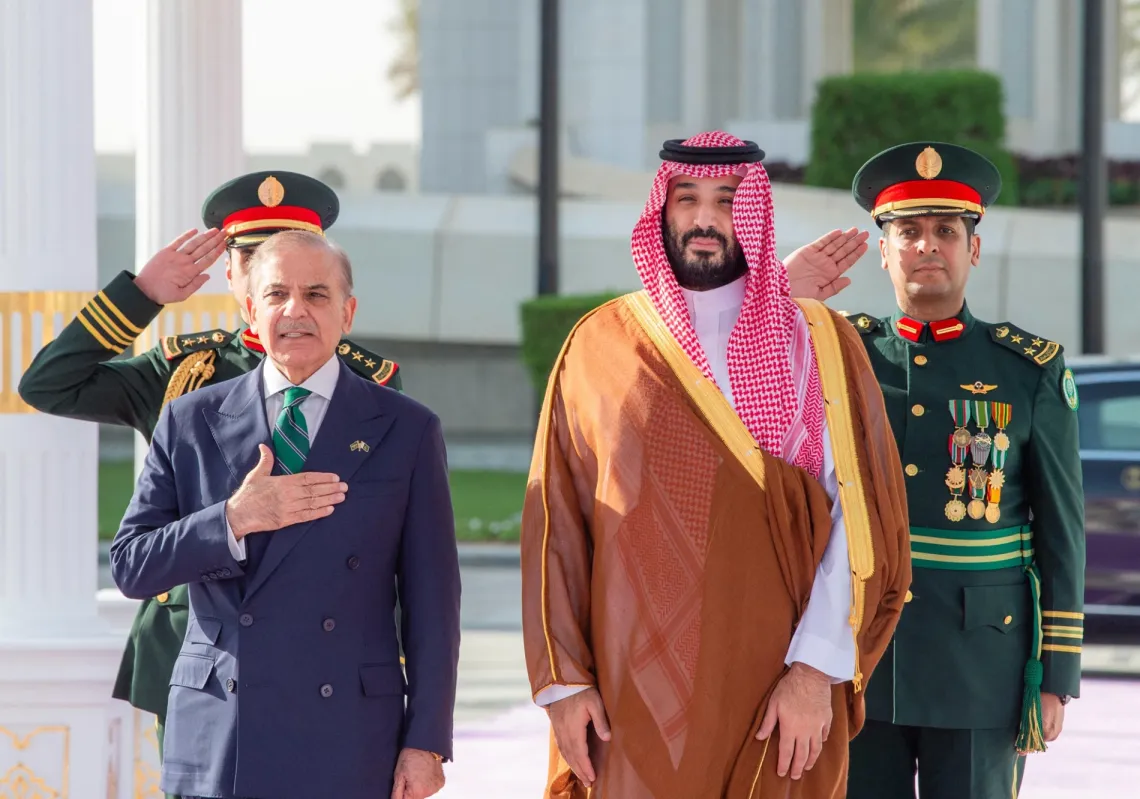
For decades, Riyadh and Islamabad have been on the same page when it comes to defence and security, but their alliance has always been based on understandings. That is now evolving.
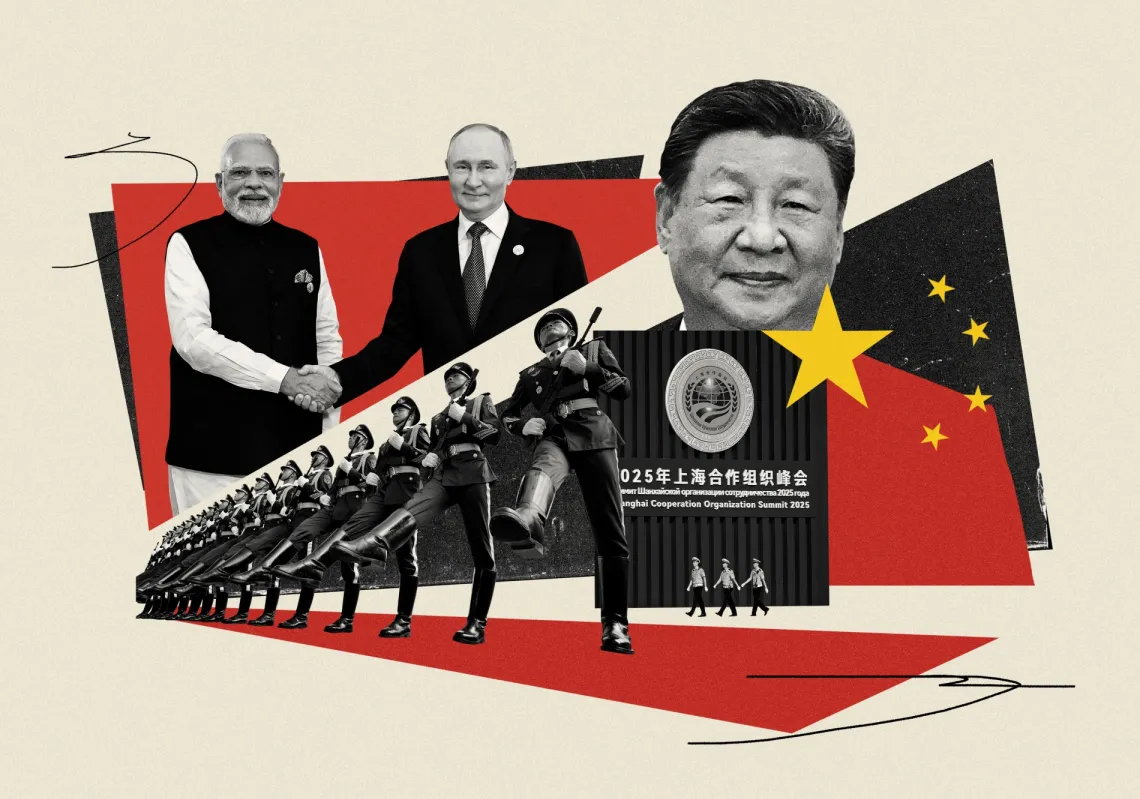
Beijing would like the week to mark a historic turning point in which a unipolar world finally gave way to multipolarity. To others, it was just tub-thumping bravura. In reality, it was a bit of both.
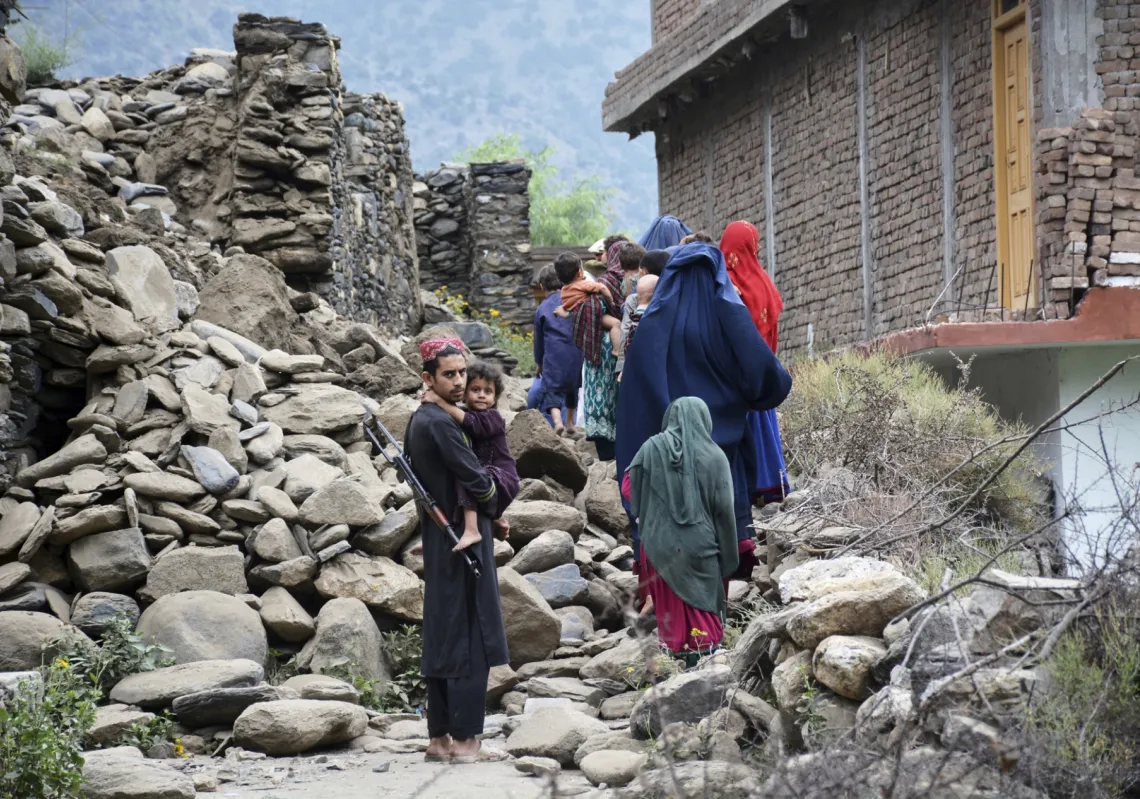
An earthquake in Afghanistan earlier this week levelled entire villages and left people trapped under rubble for days, but in the shadow of the Hindu Kush, saviours were thin on the ground
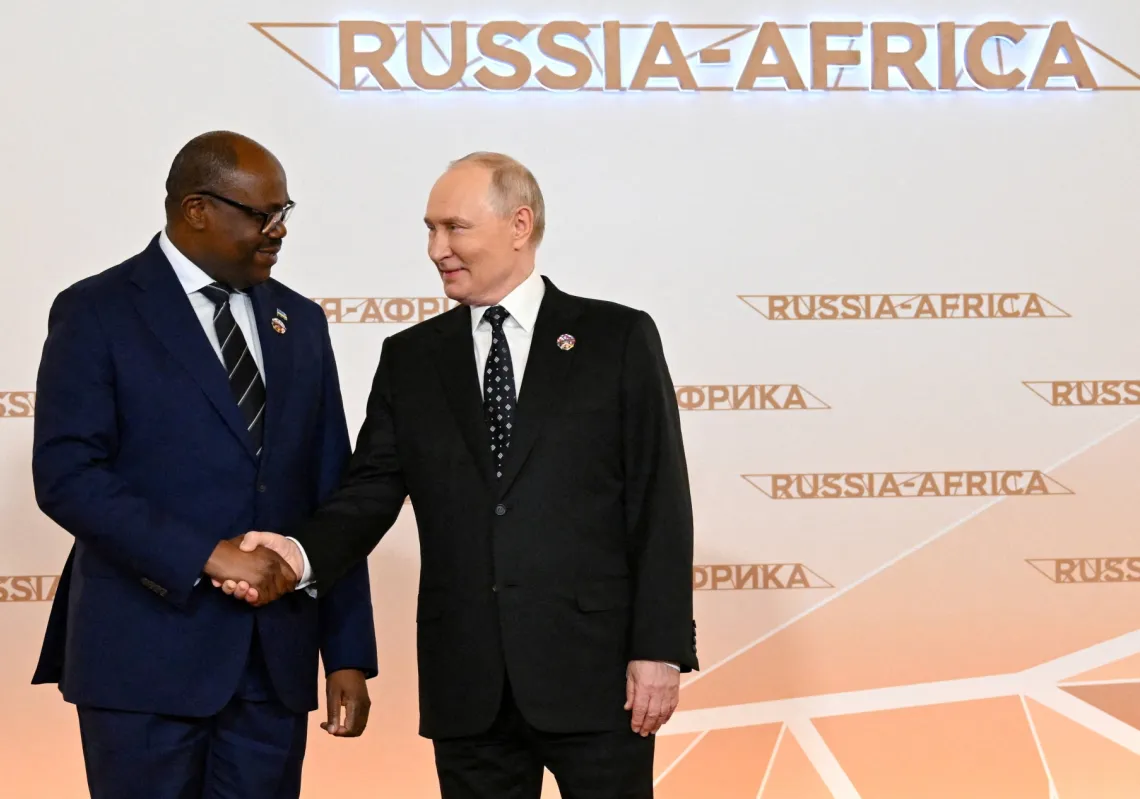
Amid competition for influence and resources, Russia knows that Africa is a market with potential. For African states, Russian companies are still of interest, but the value equation needs to change