
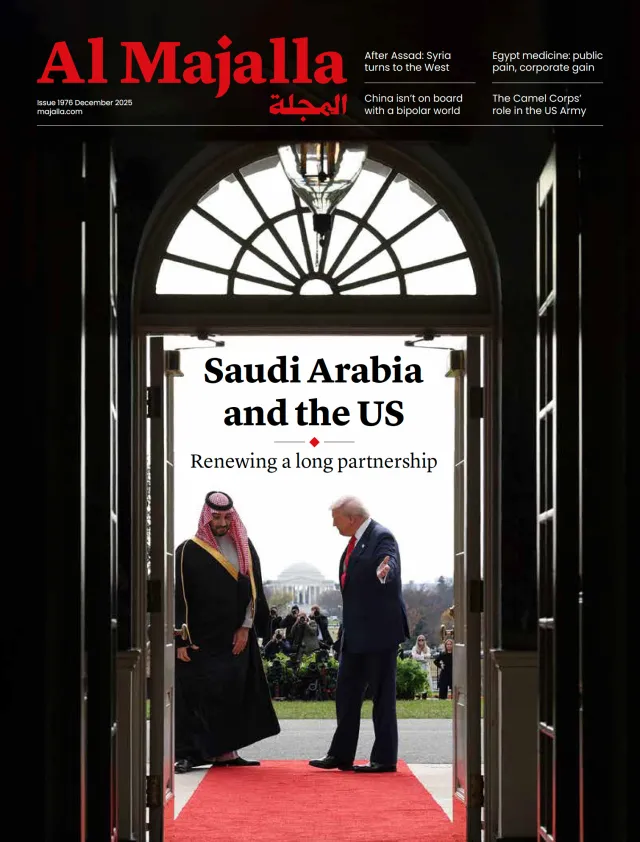


As the anniversary of the Assad regime’s collapse approaches, Syria stands at a moment that invites both celebration and sober reflection. The fall of Bashar al-Assad last December marked a historic rupture—the end of five decades of authoritarian rule, militarised governance, and deep international isolation. It also opened a long-sealed window of possibility: a chance to rethink the country’s political order, rebuild shattered institutions, and begin the arduous process of national healing.
Over the past year, Syria’s transitional authorities have achieved what many once considered unimaginable. Diplomatically, they have broken out of decades of isolation, reopened long-closed channels, and pushed Syria closer than ever to the near-complete removal of sanctions. Domestically, they have improved services, opened civic space, stabilised the country and kept violence to a minimum despite sporadic sectarian flashpoints.
Yet these achievements coexist with profound and unresolved challenges. Institutions have been rebuilt, but legitimacy remains elusive. Political processes have been launched, but they have not succeeded in unifying the country behind a shared vision. Economic conditions continue to deteriorate despite the government’s pursuit of ambitious recovery plans. Justice mechanisms have begun, but in narrow forms that avoid the most painful truths.
Addressing these shortcomings can no longer be postponed. The coming year will be more decisive and more perilous than the first. Expectations are rising, living conditions are worsening, and the risks that mounting public frustration hardens into political rupture are growing sharper.
From this point forward, Syria’s transition will not be judged by what the country has escaped, but by how effectively its new authorities confront the challenges that now define the road ahead.


